
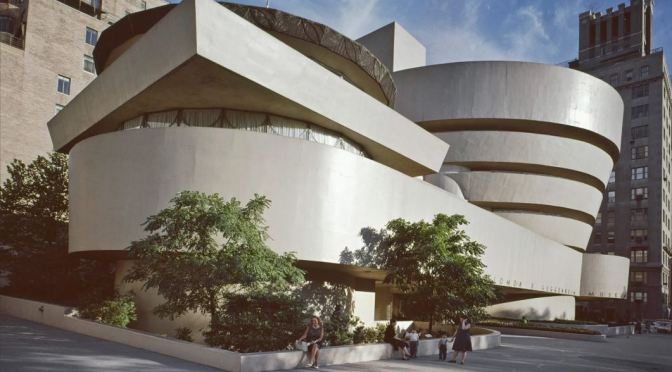
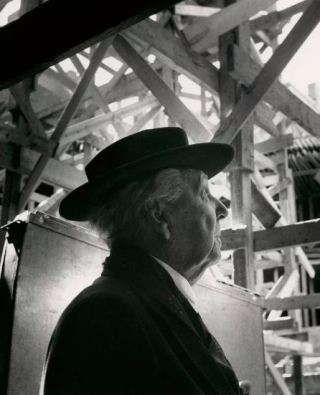
 This year marks the 60th anniversary of Frank Lloyd Wright’s building for the Solomon R. Guggenheim Museum. Since opening its doors on October 21, 1959, the architectural icon has inspired countless visitors and is widely seen as Wright’s masterpiece.
From its opening to the present day, the Solomon R. Guggenheim Museum has been an unparalleled physical and cultural presence in the New York landscape.
Over the course of the sixteen-year period between the commissioning of the Solomon R. Guggenheim Museum in 1943 and its 1959 opening, the project underwent a series of revisions. The iconic spiral form remained primarily unchanged, but a close reading of documents in the Guggenheim Museum Archives sheds additional light on an array of obscure details that were designed out over time to accommodate budgetary, programmatic, and structural needs and constraints.
To read more: https://www.guggenheim.org/the-frank-lloyd-wright-building
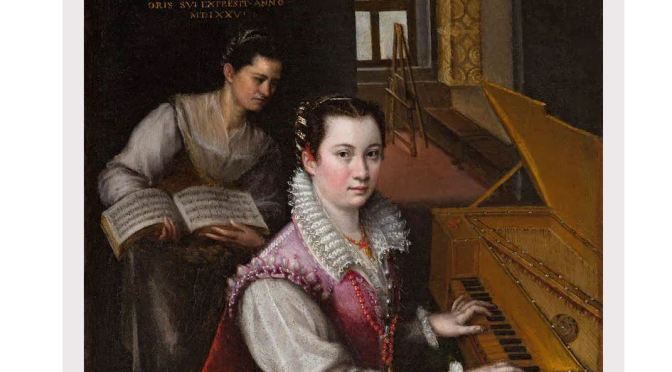
 Born in Bologna in 1552, Lavinia Fontana is often considered to be the first professional woman painter; she was the first to be accepted into the Accademia di San Luca in Rome, and supported her family throughout her life by gaining prestigious commissions for portraits in the city. This self-portrait has been interpreted as a wedding painting; it was completed in the year of Fontana’s marriage to Giovan Paolo Zappi, a fellow artist who became her agent and manager.
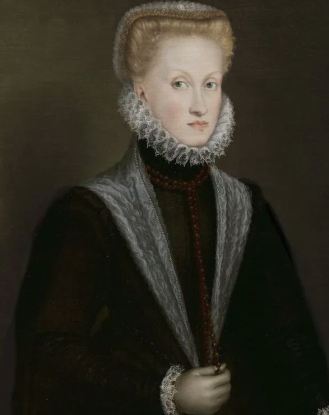
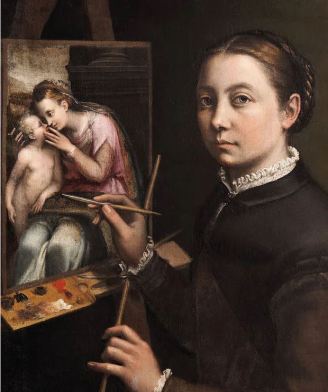 Sofonisba Anguissola was born into an aristocratic family from Cremona in around 1532; she travelled to Rome as a young woman, where her talent was recognised by Michelangelo, and in 1559 became lady-in-waiting to Elisabeth de Valois, Queen of Spain (and a keen amateur painter). She became a court painter to Philip II, and remained at court for some 15 years – at least until her marriage to a Sicilian nobleman after Elisabeth’s death in 1568, for which Philip II provided the dowry. Here she portrays Anna of Austria, who became Queen of Spain after Philip remarried in 1570.
 Part of the Prado’s bicentenary celebrations, this exhibition looks at two of the most significant women artists of the Renaissance. Though born into very different social classes, both Lavinia Fontana and Sofonisba Anguissola rose to heights of prestige that had not previously been scaled by women painters – Fontana at the Vatican, and Anguissola at the Spanish court.
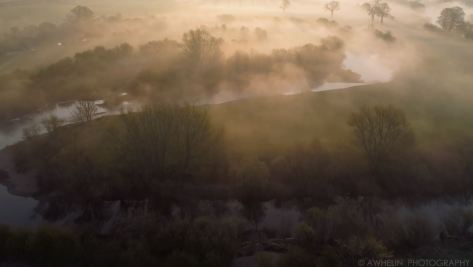
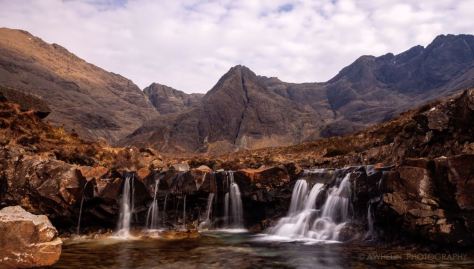

 As a natural paradise rooted in sustainable luxury, only 5 percent of the island is developed, with the rest kept as a nature reserve. “It’s 400 acres of unspoiled jungle, lagoons, mangroves, and beaches that create intimate connections between the land and the traveler,” notes Benjamin Loomis, the architect and developer behind Isla Palenque Resort. From the people to the food to the design materials, everything is sourced locally (most even coming directly from the property).
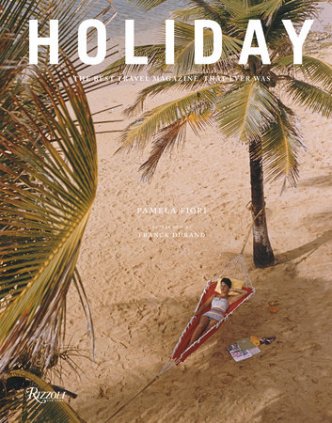 The first book on magazine sensation Holiday, which between 1946 and 1977 was one of the most exciting publications in the world. Renowned for its bold layouts, literary credibility, and ambitious choice of photographers and artists, Holiday portrayed the romance of travel like no other periodical.
 At Dr. Soong’s hospital, withholding the results of urine cultures, unless doctors actually called the microbiology lab to request them,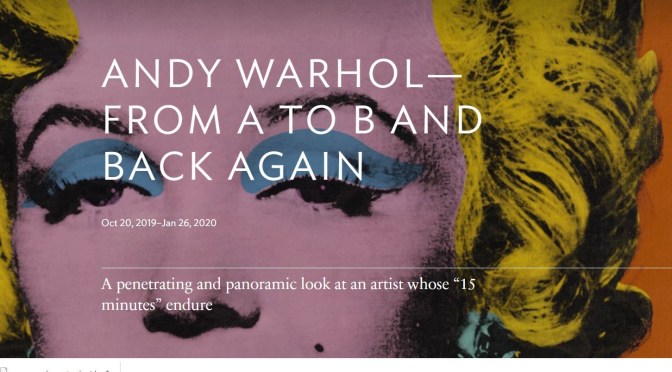
 Warhol, with obvious self-deprecation, described his philosophy as spanning from A to B. As this exhibition decidedly proves, his thinking and artistic production ranged well beyond that, but his true genius lies in his ability to identify cultural patterns and to use repetition, distortion, and recycled images in a way that challenges our faith in images and questions the meaning of our cultural icons.
 Most Americans probably aren’t aware of the decline in the number of individuals training to become transplant physicians and how it will affect the future of medicine. Neither are the 2020 presidential hopefuls, all of whom have policies they believe best provide health care coverage for Americans without acknowledging or calling attention to the fact that soon there may not be enough doctors to do the work once more people are insured. We need a plan for that.
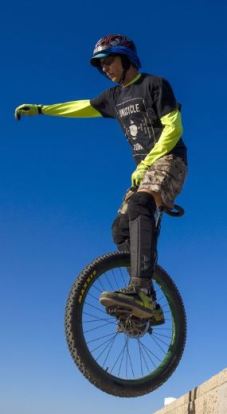 Now 63, Mr. Peterson has progressed from bike paths to rugged mountain trails and is known for his caped helmet emblazoned with his nickname, UniGeezer. Based on his GPS and bike computer, he estimates he’s logged nearly 30,000 miles, or 24 million pedal revolutions, since he started.
 Brian Kalt, an expert on US constitutional law and the presidency, talks to Jonathan Kay about the 25th Amendment and whether it can be used to remove a president. Professor Kalt recently published a book called
  Boomers Daily