Tag Archives: Videos

Views: Sequoia National Park In California (4K)

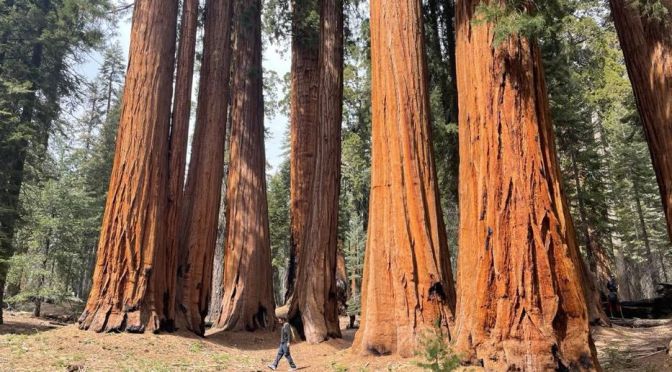
Sequoia National Park is an American national park in the southern  Sierra Nevada east of Visalia, California. The park was established on September 25, 1890, to protect 404,064 acres  of forested mountainous terrain. Encompassing a vertical relief of nearly 13,000 feet (4,000 m), the park contains the highest point in the contiguous United StatesMount Whitney, at 14,505 feet (4,421 m) above sea level. The park is south of, and contiguous with, Kings Canyon National Park; both parks are administered by the National Park Service together as the Sequoia and Kings Canyon National ParksUNESCO designated the areas as Sequoia-Kings Canyon Biosphere Reserve in 1976.[3]

The park is notable for its giant sequoia trees, including the General Sherman tree, the largest tree on Earth by volume. The General Sherman tree grows in the Giant Forest, which contains five of the ten largest trees in the world. The Giant Forest is connected by the Generals Highway to Kings Canyon National Park’s General Grant Grove, home of the General Grant tree among other giant sequoias.
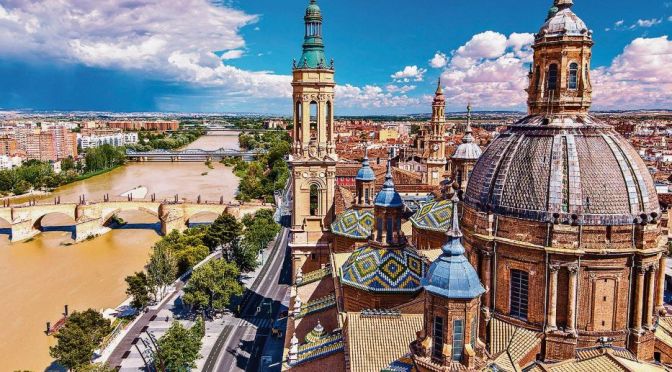
Walking Tour: Zaragoza In Northeastern Spain (4K)

Zaragoza is the capital of northeastern Spain’s Aragon region. Overlooking the Ebro River in the city center is baroque Nuestra Señora del Pilar basilica, a famous pilgrimage site with a shrine to the Virgin Mary and multiple domes. Mudéjar-style landmarks, combining Islamic and Gothic architecture, include the Aljafería, an 11th-century Moorish palace, and the Cathedral of the Savior, begun in the 12th century.

Research: How CRISPR Can Save Lives And End Disease

CRISPR is a technology that can be used to edit genes and, as such, will likely change the world. The essence of CRISPR is simple: it’s a way of finding a specific bit of DNA inside a cell. After that, the next step in CRISPR gene editing is usually to alter that piece of DNA.

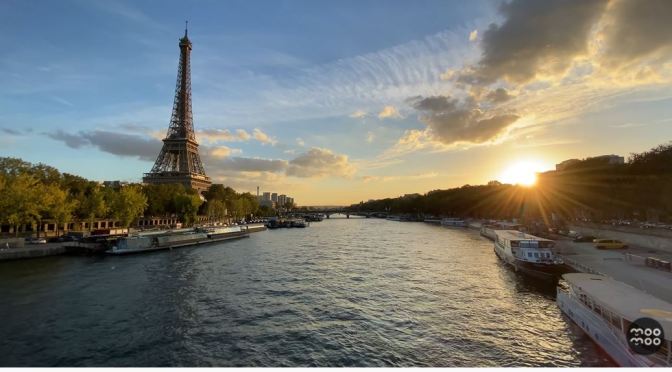
Paris Walks: Eiffel Tower Views Along The Seine (4K)

Paris, France’s capital, is a major European city and a global center for art, fashion, gastronomy and culture. Its 19th-century cityscape is crisscrossed by wide boulevards and the River Seine. Beyond such landmarks as the Eiffel Tower and the 12th-century, Gothic Notre-Dame cathedral, the city is known for its cafe culture and designer boutiques along the Rue du Faubourg Saint-Honoré.

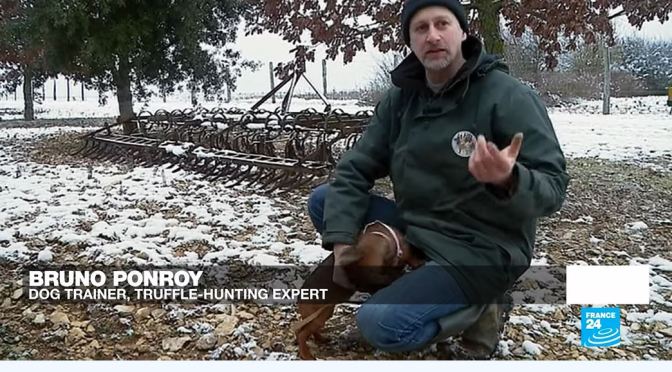
Delicacies: Black Truffle Hunting In New Aquitaine, Southwestern France

The #truffle is a luxury fungus that’s become a delicacy in French #gastronomy. Being a truffle farmer requires years of patience and hunting for the “black diamond” cannot be done without the unrivalled sense of smell of man’s best friend. Today, #France produces almost half of the 120 tonnes of truffles sold throughout the world every year, and truffle lovers are prepared to pay up: some black truffles are worth as much as €1,000 per kilo. FRANCE went to sniff out its secrets.

Nouvelle-Aquitaine or New Aquitaine, is the largest administrative region in France, spanning the west and southwest of the mainland. The region was created by the territorial reform of French regions in 2014 through the merger of three regions: Aquitaine, Limousin and Poitou-Charentes.

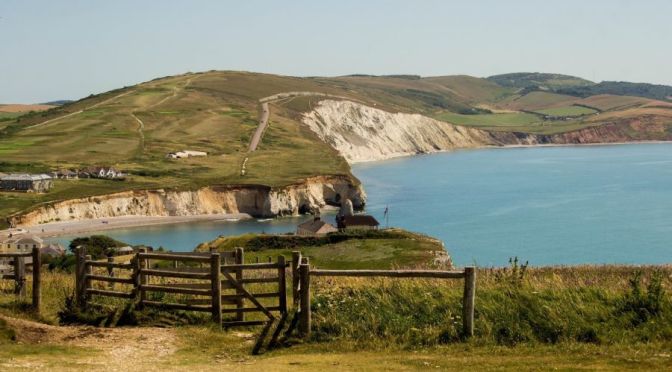
Views: Isle Of Wight Off South Coast Of England

The Isle of Wight is an island off the south coast of England. It’s known for its beaches and seafront promenades such as sandy Shanklin Beach and south-facing Ventnor Beach, which is dotted with vintage beach huts. Dinosaur remains and fossils can be seen in areas like Compton Bay and Yaverland Beach. On the island’s western point, The Needles are 3 huge, white chalk rocks, guarded by a 19th-century lighthouse.

Italian Views: Cesena In Emilia-Romagna (4K)

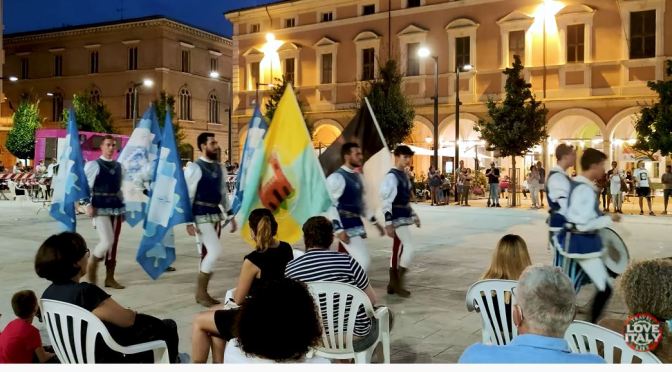
Cesena, town, Emilia-Romagna regione, northern Italy, on the Savio River at the northern foot of the Apennines, south of Ravenna. It originated as the ancient Caesena, a station on the Via Aemilia and a fortress in the wars of the Ostrogoths and the Byzantines. An episcopal city and an independent commune in the 11th–13th century, it was heroically defended in 1357 by Cia, wife of the lord of Forlì, against papal troops under the Spanish cardinal Gil Álvarez Carrillo de Albornoz. In 1377 it was destroyed by Cardinal Robert of Geneva (later the antipope Clement VII), after which it was held by the Malatesta family of Rimini until 1465, when it passed under papal domination. Popes Pius VI and Pius VII were born at Cesena in 1717 and 1740, respectively.