Julio Palacio – Director, editor & DP
Taaneya Balaji – Compositing & Graphics
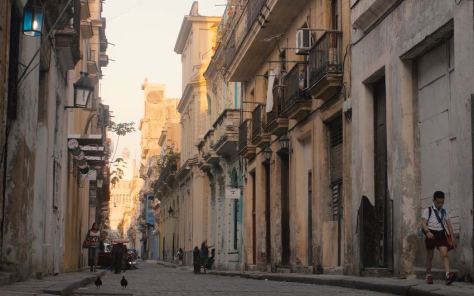
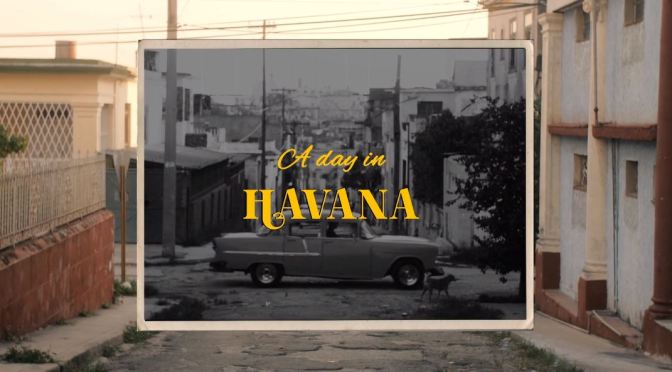
This year, my talented friend asked me to work on his beautiful film set in Havana, Cuba. As described by Julio:
In mid-June, I had the opportunity to travel to Cuba for the first time. I knew enough about the revolution and the change Cuba had in the 50s, but I was not really sure what to expect. Many people said that going to Cuba was almost like traveling back in time, and in my experience that is the case, the architecture, the old American cars, the old melancholic music, among many other things, but Cuba is way more complicated than that. This is not a travel video, it is more of a lifestyle film that captures what I perceived to be the essence of Havana and its people; many of which have very contradicting feelings about their own country. When I came back to edit, I thought I wanted the film to be in black and white, to represent that feeling of the old Havana, the luxurious, glamorous city from the 50s, but being there and seeing all of the beautiful colors and understanding the culture and how much flavor they have, it did not feel right. After talking to a few filmmaker friends, and telling them about my experience there, we came to the conclusion that Cuba is in fact trapped in the past, but its people have so much hope for the future, so much drive to keep going, even in the face of many social problems.

A better representation of this feeling was to have a mix of both B&W and Color, highlighting certain areas of the frame in B&W while keeping the beautiful colors of this amazing place. Having this mix plus the beautiful soundtrack reinforces that feeling of Nostalgia that possesses the city, and seeing the people go on with their daily lives, their faces, and how they keep moving forward, represents the hope that everyone I met there still has. This is “A Day in Havana”.
Website: https://taaneya-balaji.com/


 This definitive companion for cycling enthusiasts showcases 200 of North, Central and South America’s best and most celebrated routes, from epic adventures off the beaten path to shorter urban rides. Go bikepacking in Baja, road riding in Colombia, mountain biking in Canada and gravel riding in Pennsylvania.


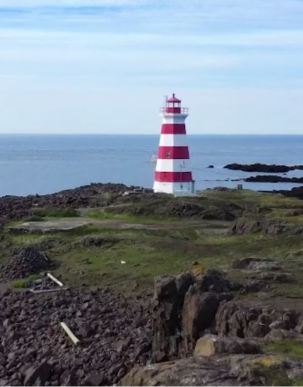 On the mainland, drive east to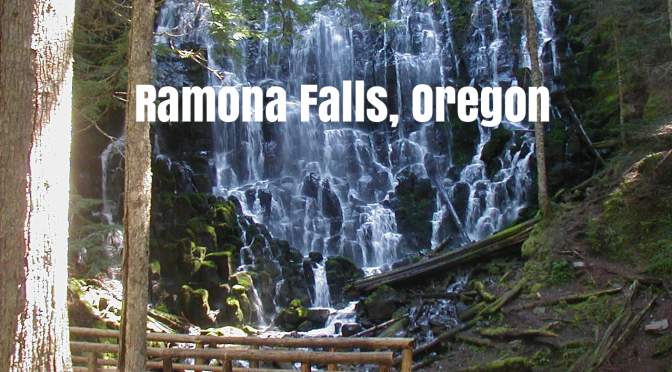
 It’s not quite Multnomah Falls in terms of Disneyland wow factor, but it’s up there. Bear in mind that some things are justifiably popular—and Ramona Falls is just such a place. It is one of those natural wonders that must be seen in person. Photos, good as they may be, do the sprawling cascade little justice. Accordingly, the approximately 7-mile loop hike that visits it is a rite of passage for any and all Oregon hikers—including dirt-caked and determined adventurers trudging their way along the Pacific Crest Trail, which joins a portion of this route.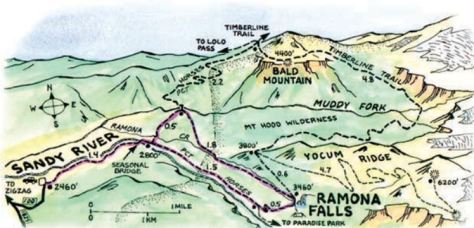



 Here’s how Airport’s service works: A passenger checks in online. The company collects the bags from their doorstep after confirming the person’s identity. The driver puts the bag in a coded, tamperproof, and trackable security bag, the company said. The driver delivers the luggage to the airport, where they check in the bag.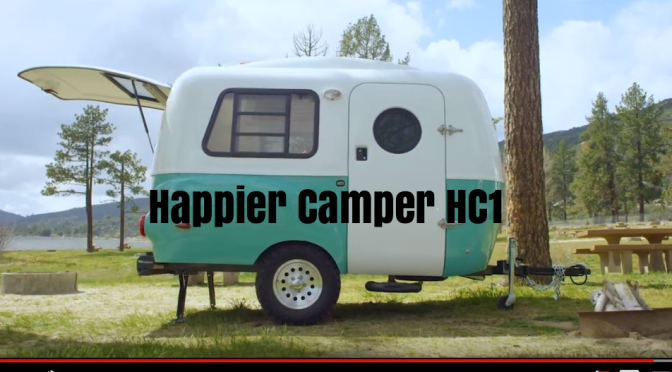
 The fiberglass trailer is cute-as-a-button with a large rear hatch, wide entry door, and classic fender design. Available in a plethora of colors (like Pacific blue, Bishop red, Topanga turquoise, and Mojave sage), the two-tone paint job only adds to the adorableness of the camper, as does a port window on the door. It’s a trailer that makes people stop and do a double take, and a welcome break from the tired swoopy graphics found on most RVs.
 Boomers Daily