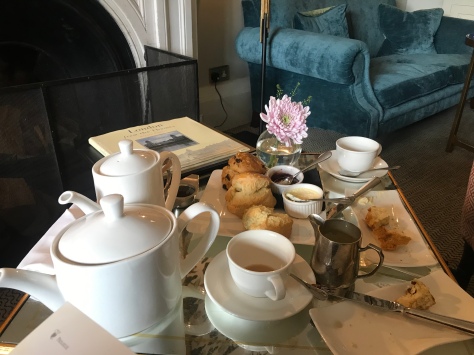
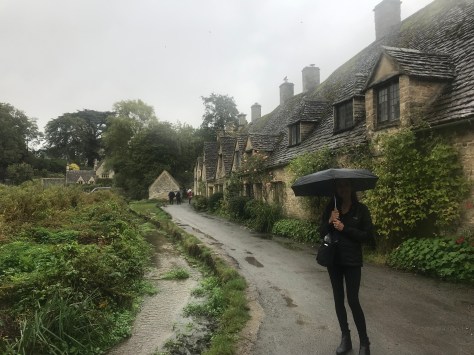
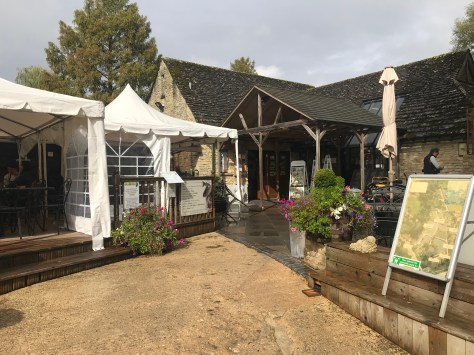
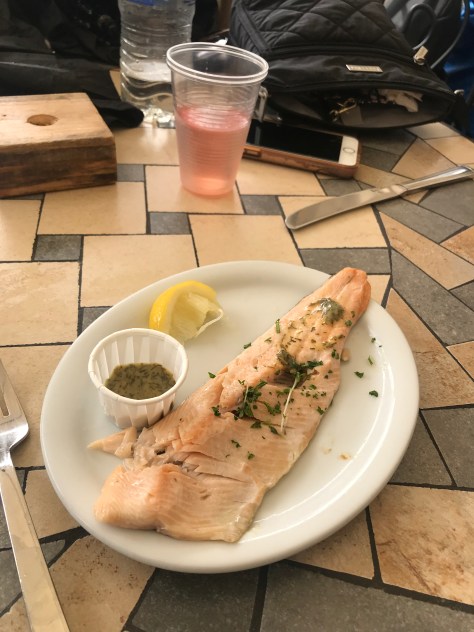
After a brisk walk through the Arlington Row, a very nice breakfast awaited us in The Swan dining room.


The drive to Oxford from Bibury is 30 miles, but expect traffic in the last 5 miles. Allow an hour to get parked in one of the many underground parking areas, such as the Gloucester Green.
 Our first stop was the Ashmolean Museum, which was remarkably uncrowded at 9:30 am this Wednesday morning. We paid to see the special exhibit “Last Supper In Pompeii” and it was outstanding.

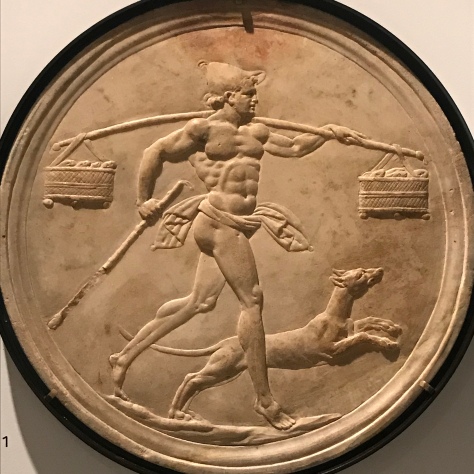


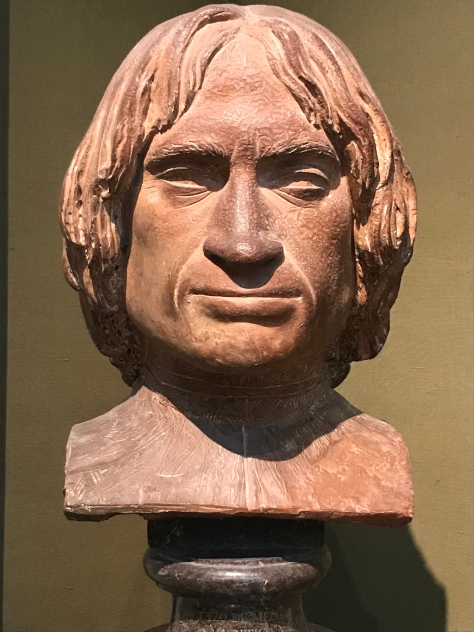
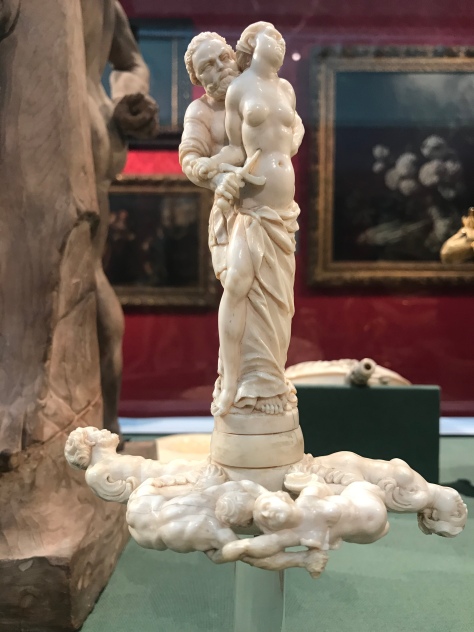
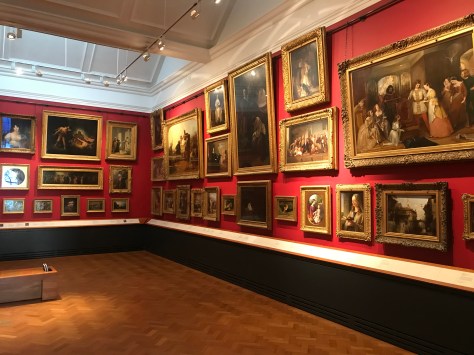
We then walked the remaining floors to view the incredible Renaissance and European Art exhibits including paintings, sculpture, ceramics and musical instruments

The three Stradivarius violins and one guitar, along with other priceless instruments were one of a kind holdings of this world class museum. 


We walked over the Bodleian Library and purchased tour tickets for 1 pm. The we walked over to University Church of Saint Mary the Virgin and paid to climb the tower to view all of Oxford but especially the Radcliffe Camera.


No one should visit Oxford and not climb the tower. Spectacular is the only descriptor. We climbed back down and walked the streets nearby until it was time for the tour. Our guide was an amazing woman who studied history at Cambridge before falling in love with the Bodleian.


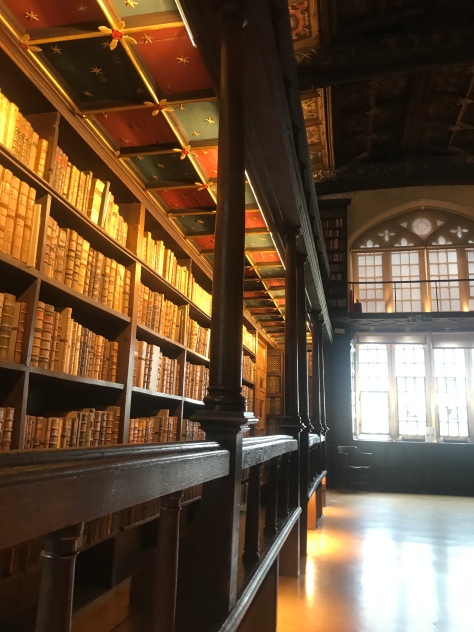
The history of Oxford University is centered around the 600+ year construction and evolution of its world famous library. A must see.
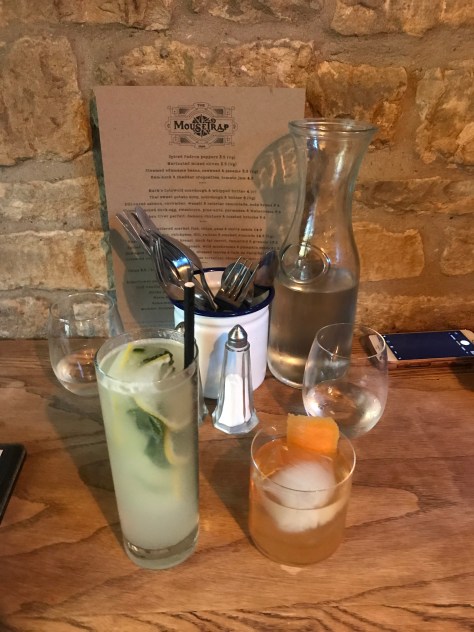
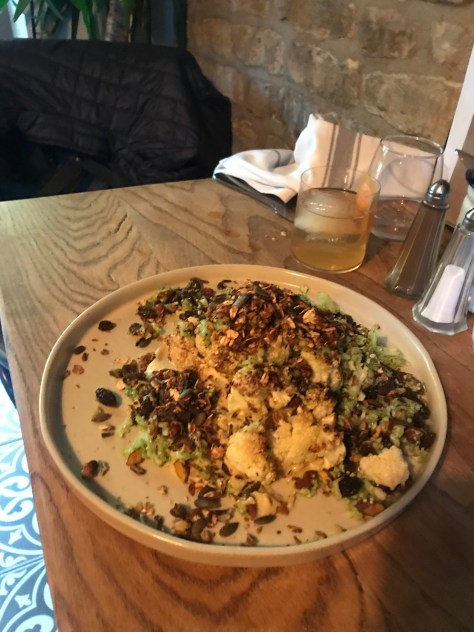
We walked over to the Christ Church Picture Gallery for a quick viewing and then had late lunch at The Bear, a classically old pub down a small alley.


Great day!

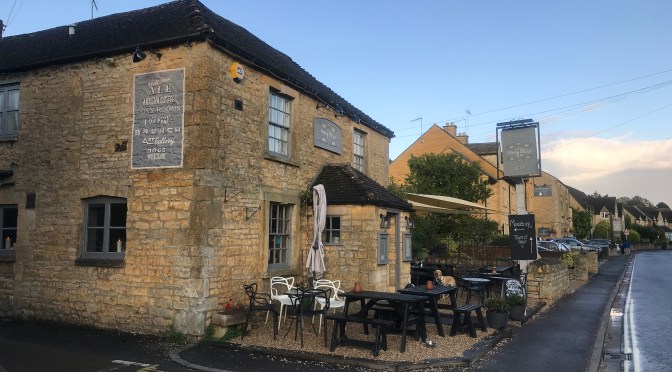
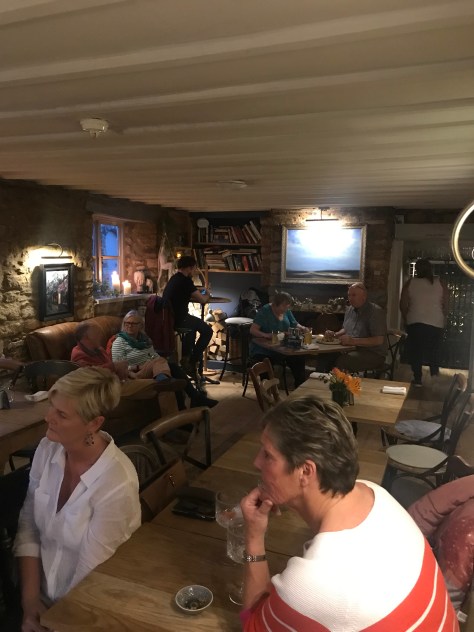
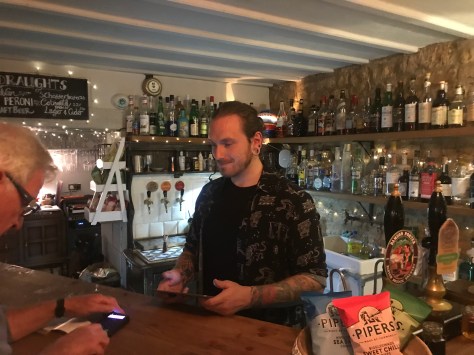
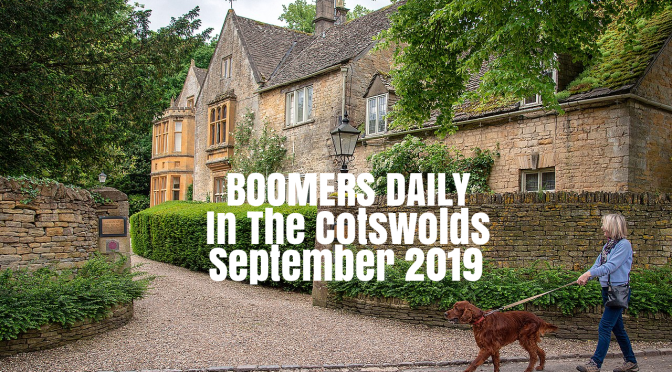




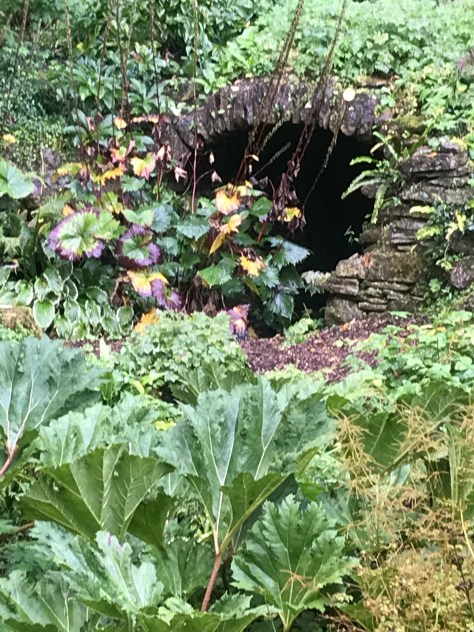
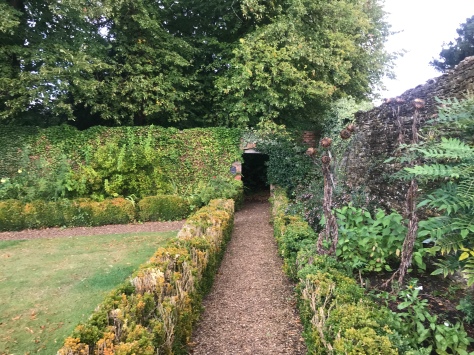
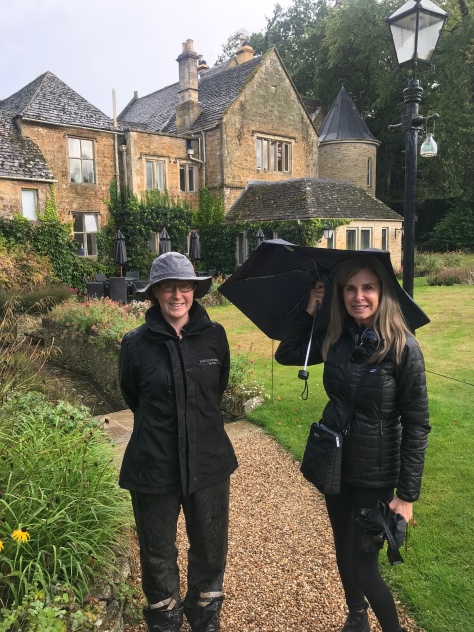
 A brisk 2.9 mile walk (yes, 2.9 miles) in mildly drizzly weather from The Swan Hotel door back to the breakfast room set up a perfect day.








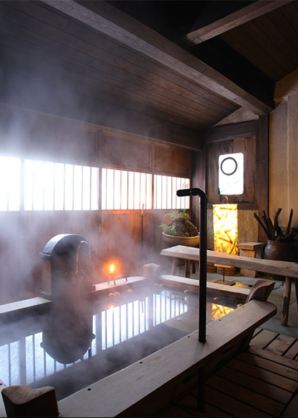 Situated along the winding mountain road that is the historic village of Omori, Takyo Abeke is hidden behind a rustic bamboo fence covered in climbing roses and shielded from the road by a deep courtyard garden. The 228-year-old building was once the home of the Abe family (Abeke), who were administrative officials for the Iwami Ginzan silver mine dug deep into the mountains at the top of the village. During the 17th and 18th centuries the silver mine was the largest in the world, and its output financed not only bustling local village life and imposing houses like Abeke but also Japan’s rapid economic growth, urbanization, and flowering of its unique culture of shibusa— aesthetics based on nature, simplicity, and the ephemeral—during the first centuries of the Edo period (1603-1868).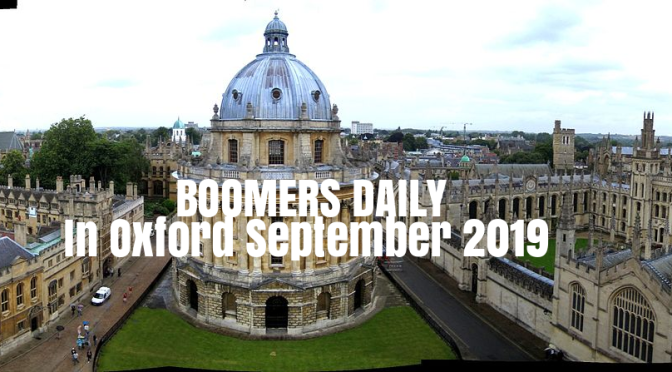
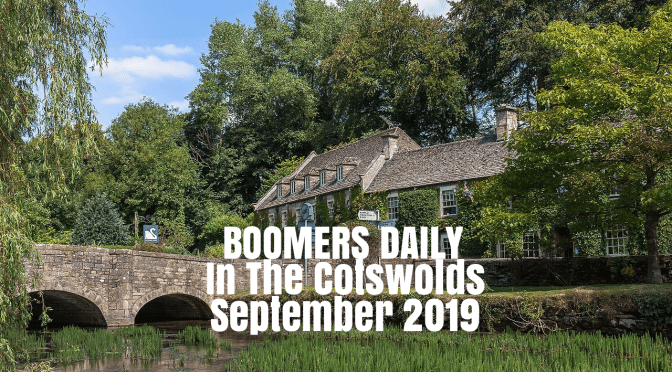
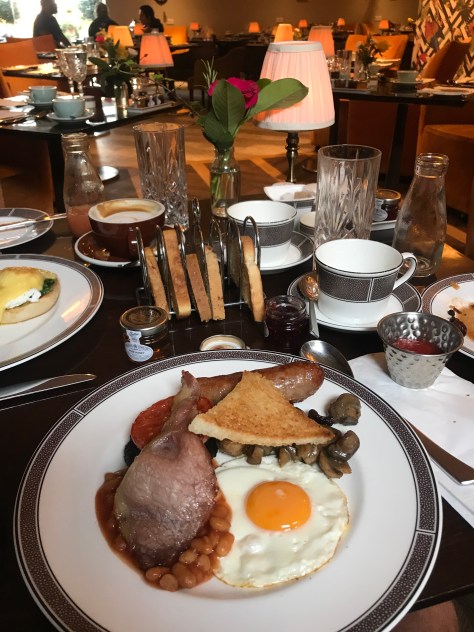
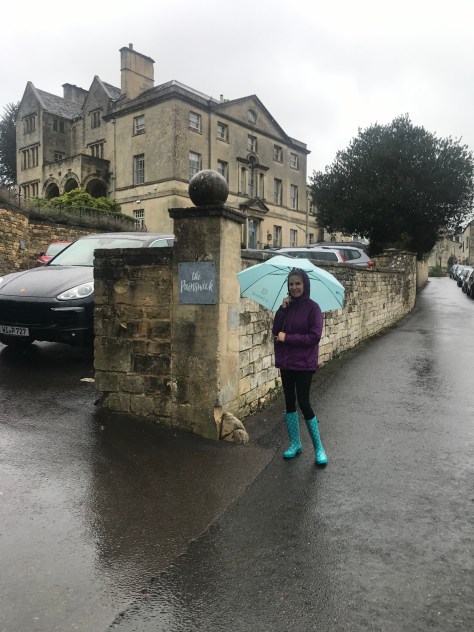
 Left The Painswick after a fine British breakfast (highlighted by fabulous, freshly made crumpets and a berry compote), we drove into a heavy rain toward Cirencester and the on to Bibury for a 3-night stay at The Swan Hotel.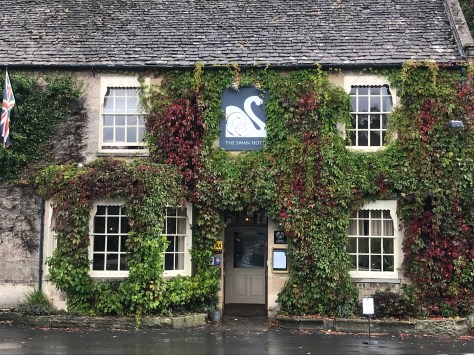
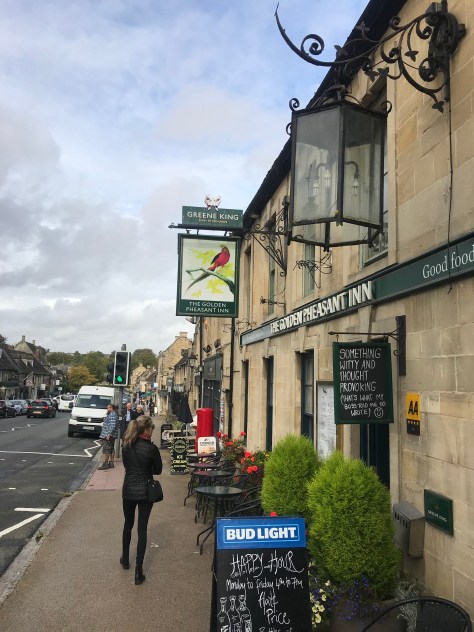
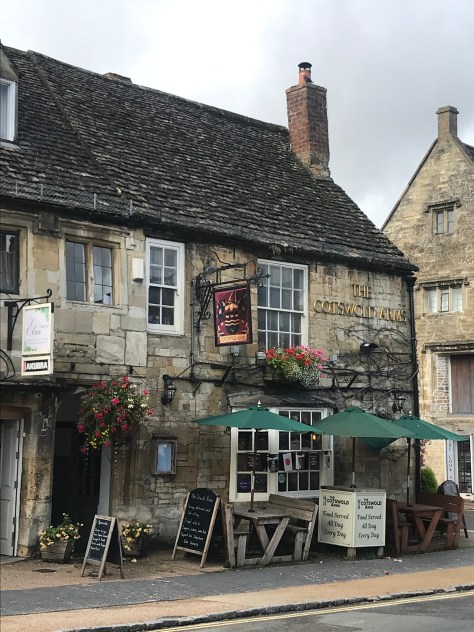
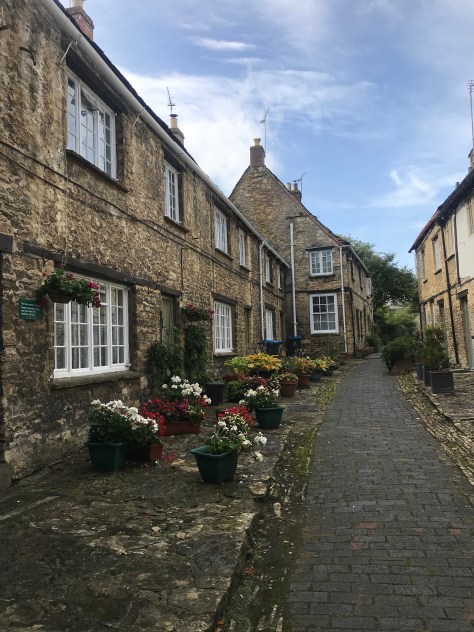
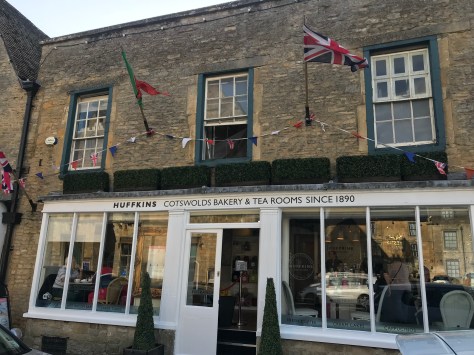
 The finest brownie in the world (layered peanut butter, chocolate fudge) was waiting for us at Huffkins Bakery. That and an iced coffee is worth a flight to London and the drive to Stow.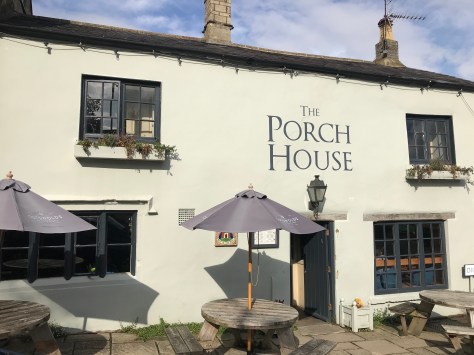
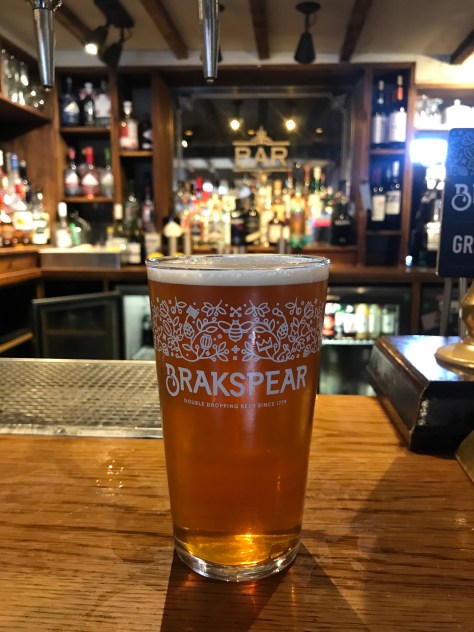
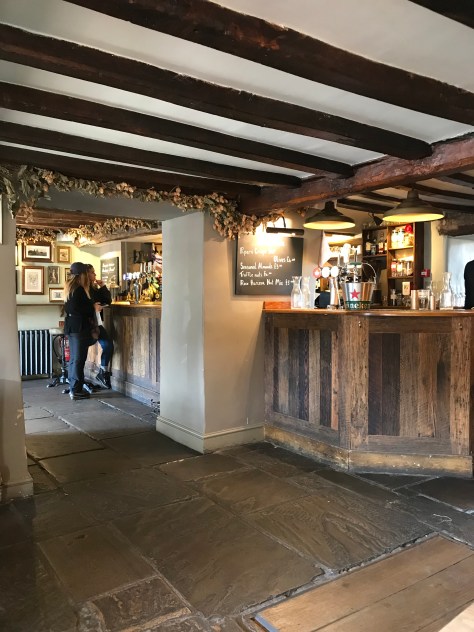
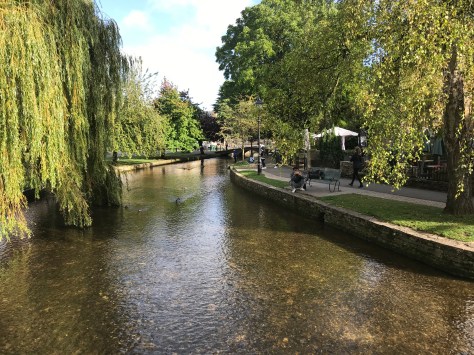
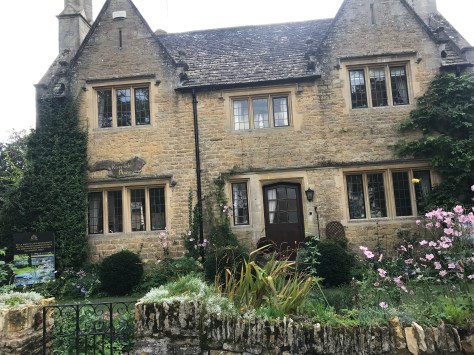
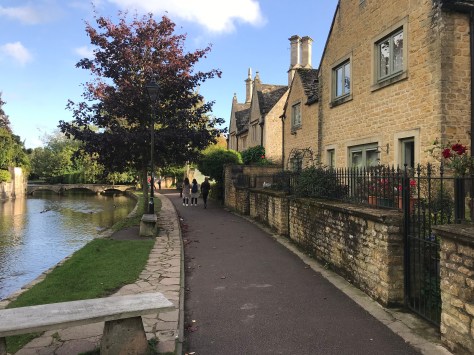
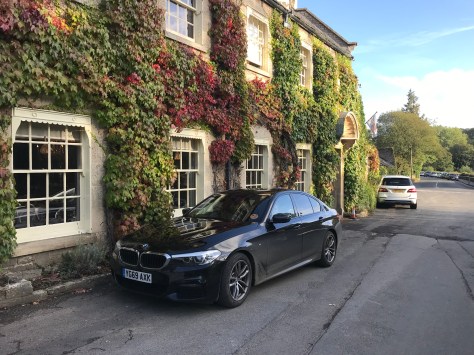
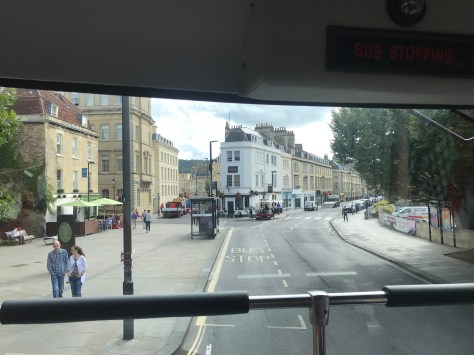
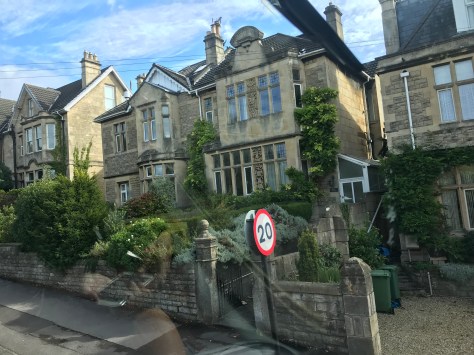
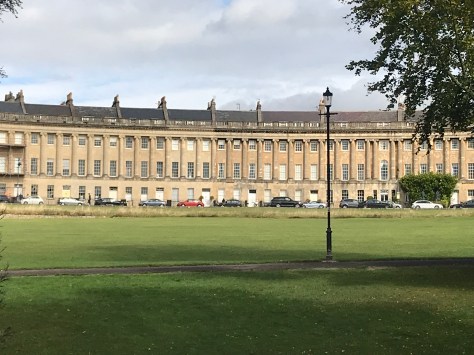
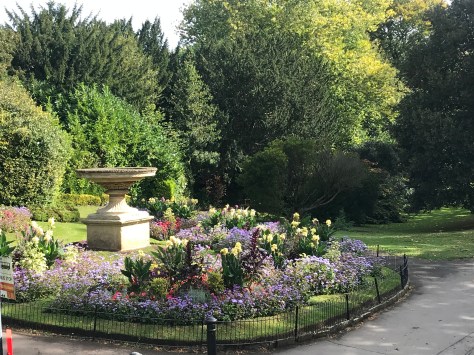
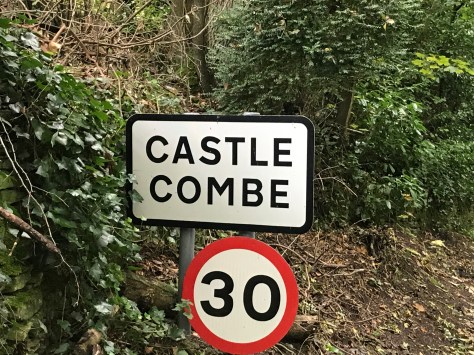
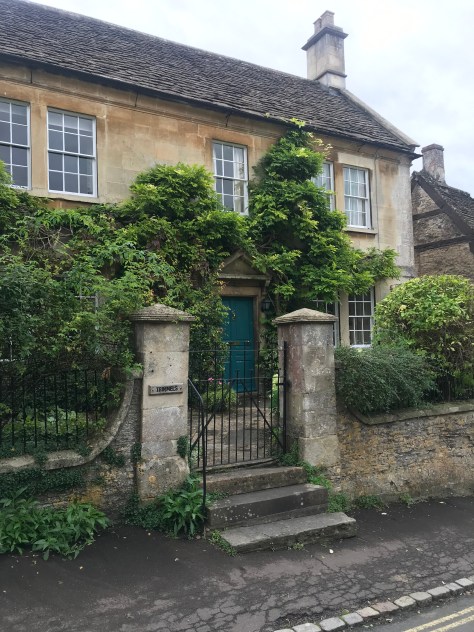
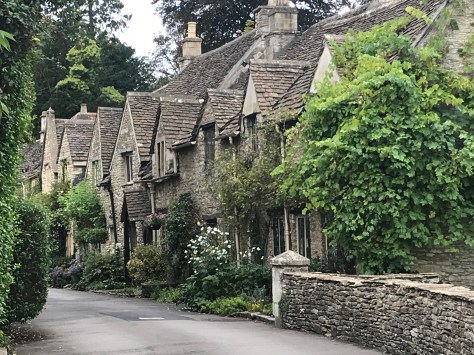
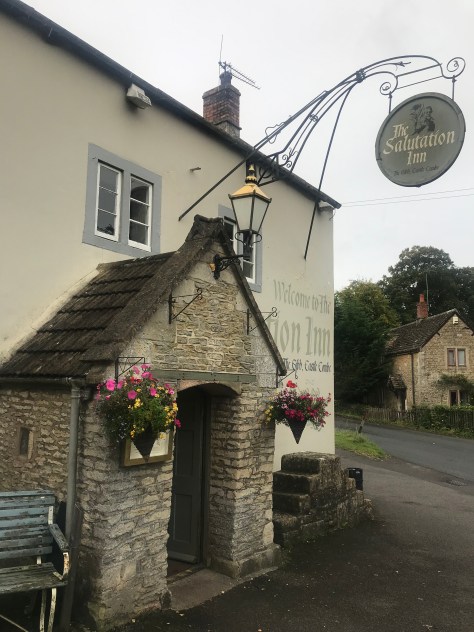
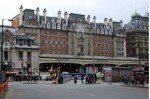 Picked up a very nice BMW 520 Diesel at Victoria Station at 9:30 am. GPS is a must as there is always a learning curve driving on the left side of the road.
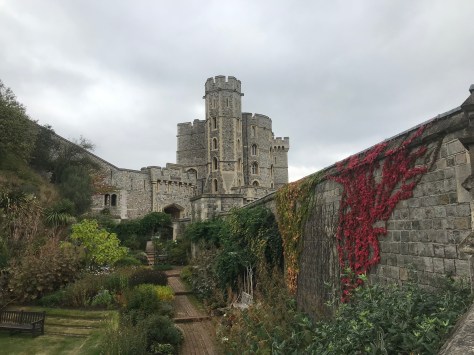
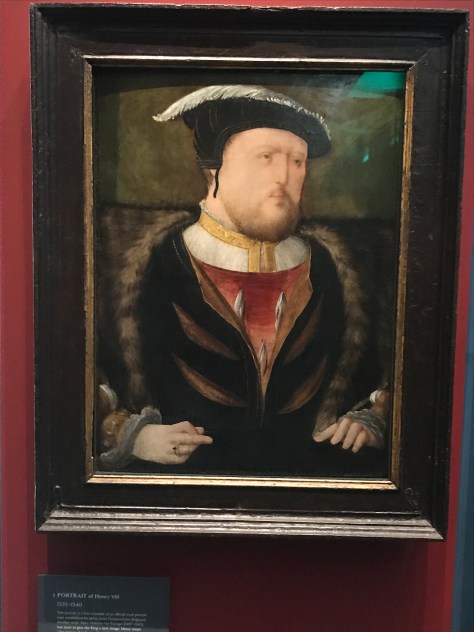
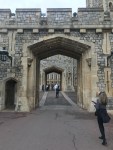 Drove to Windsor Castle and arrived at about 11. Very light crowds as it was threatening rain, but the tour did not disappoint. Beautiful collections of gold and silver work, paintings by Hans Holbein the Younger (who painted Henry VIII and Thomas Cromwell in the 16th Century), and amazing tapestries.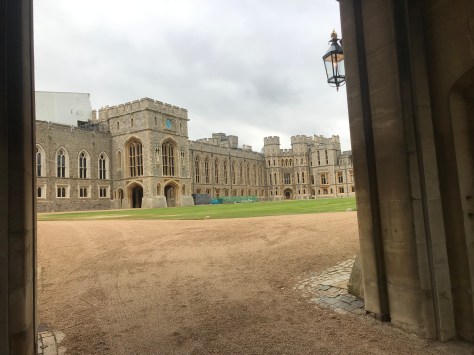
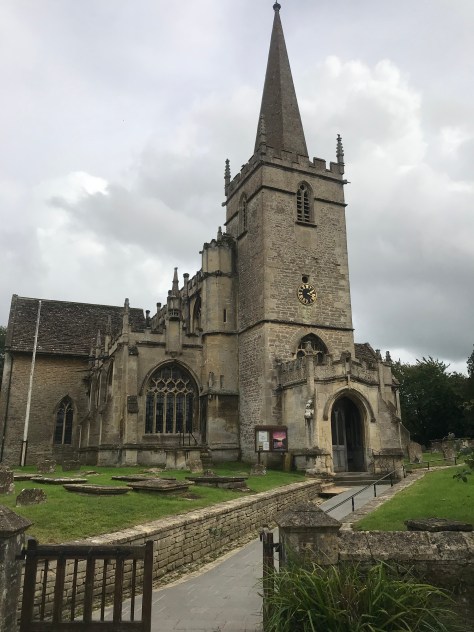
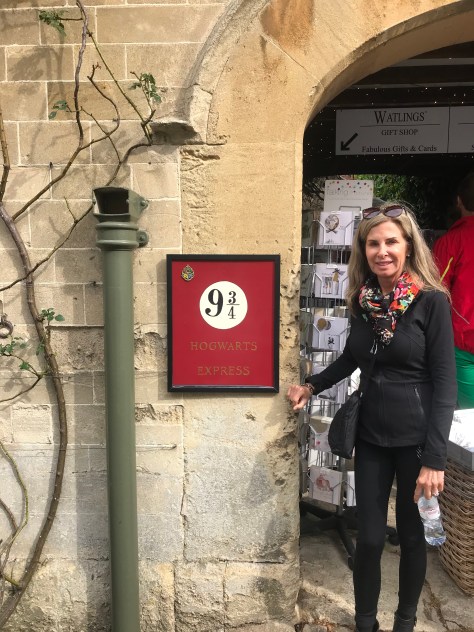
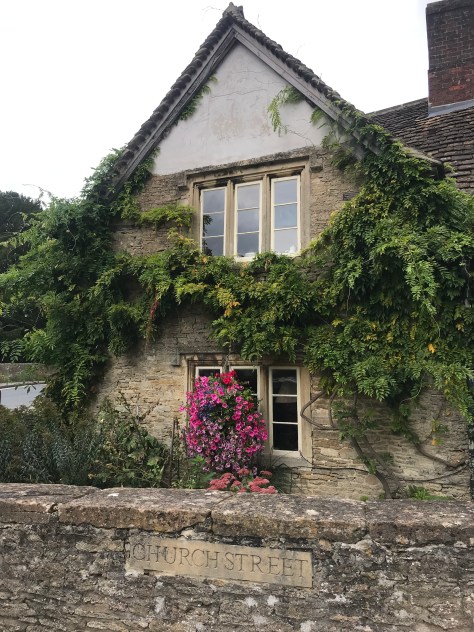
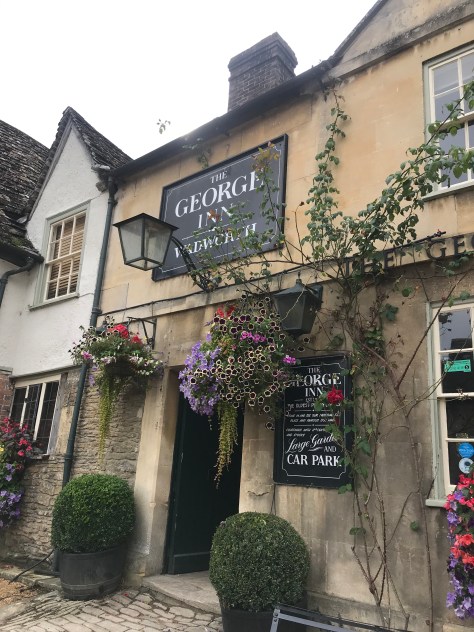
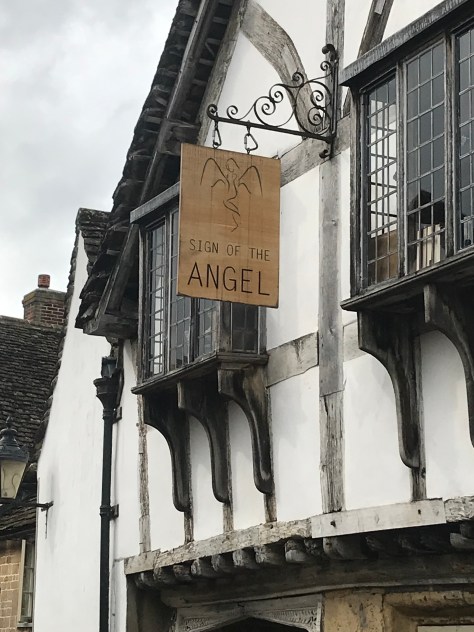
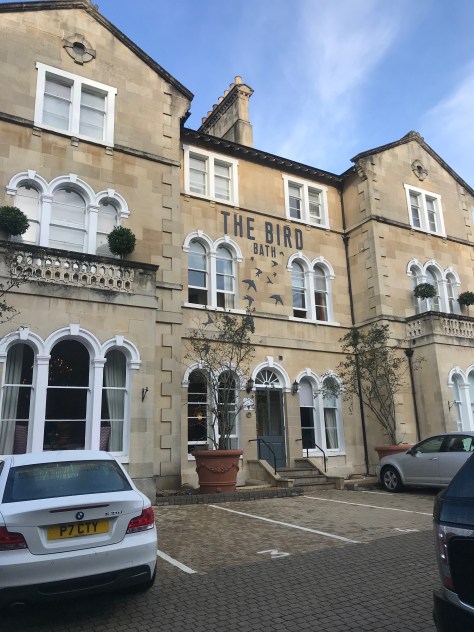
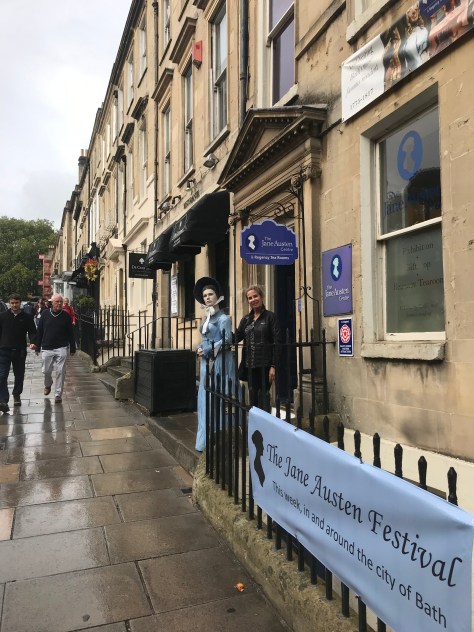
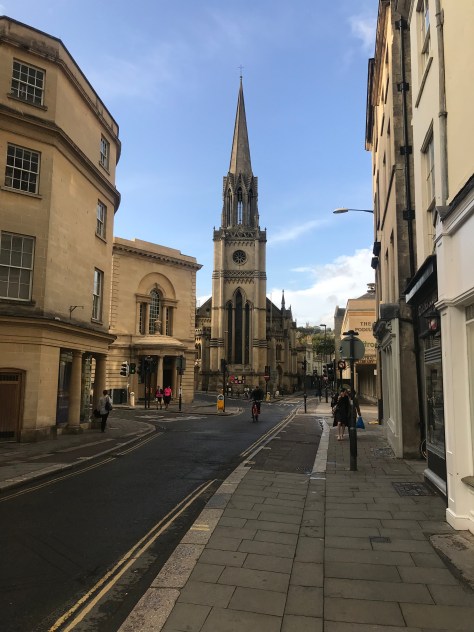
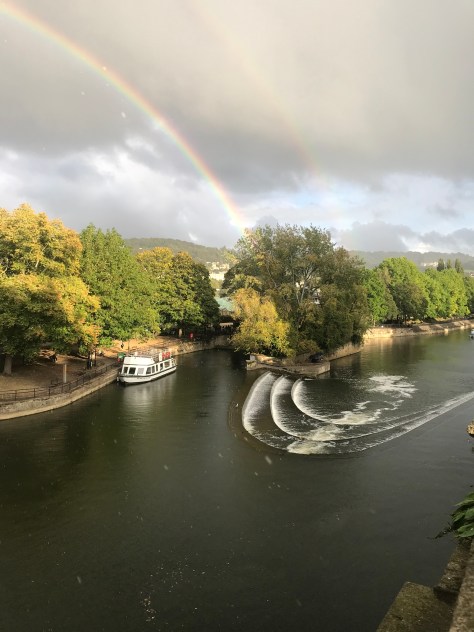
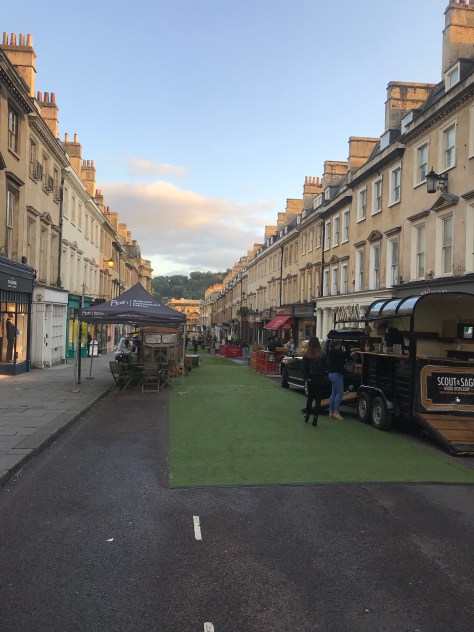
 After a quick pint of a Wadworth Swordfish Rum Infused Ale, we finished the drive at our Hotel, The Bird, in Bath.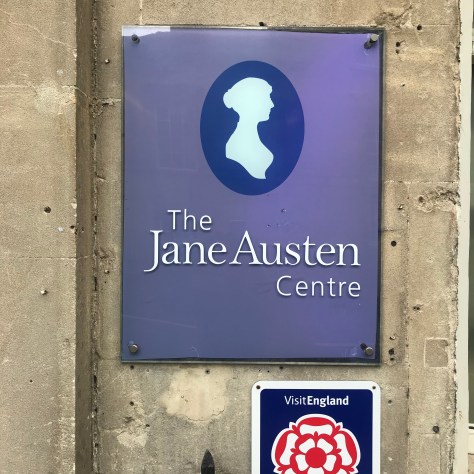
 After a great British breakfast, hopped on the Tube at Tower Hill and headed for the South Kensington station. Arrived at the Victoria & Albert Museum as it opened at 10.





















 Boomers Daily