

‘Editor’s Picks’ Podcast (March 25, 2024): A selection of three essential articles read aloud from the latest issue of The Economist. This week, as the death toll climbs in Israel’s war on Gaza, we argue that the country looks deeply vulnerable. Plus, we consider Britain as an unexpected beacon of immigration. And finally, as Elon Musk’s Starship reaches space, we examine SpaceX’s approach to rocket development.
Tag Archives: The Economist
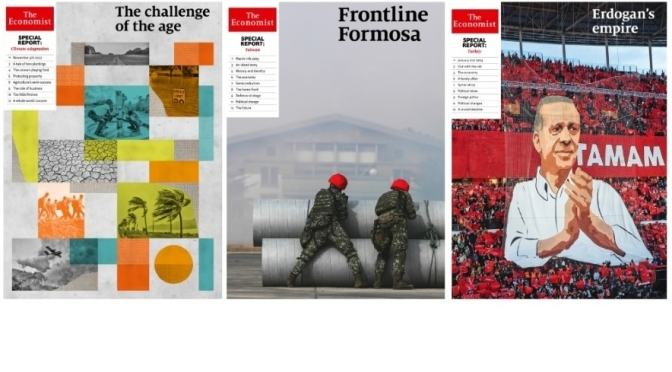
The Economist Special Report: ‘The Oil Industry’


For 50 years the story of oil has been one of matching supply with increasing demand

Fly west across the United Arab Emirates from Fujairah, a tanker-filled port on the Gulf of Oman, towards the Persian Gulf and you get a sense of the vulnerability arid lands have to climate change. The farms around Dhaid provide a splash of green, but homegrown food is scarce, homegrown staples next to non-existent. Drinkable water comes mostly from desalination plants. The heat is growing inhumane; outside work is banned during the hottest hours of summer afternoons.
Why oil supply shocks are not like the 1970s any more
The end of oil, then and now
Oil’s endgame will be in the Gulf
Can Big Oil run in reverse?
Sources and acknowledgments

The Israel-Hamas War: Is There A Path To Peace?

Video timeline: 00:00 – The Saudi normalisation deal 00:42 – Israel and Saudi Arabia’s history 01:10 – How to solve the Israeli-Palestinian conflict 02:26 – Will the deal happen?
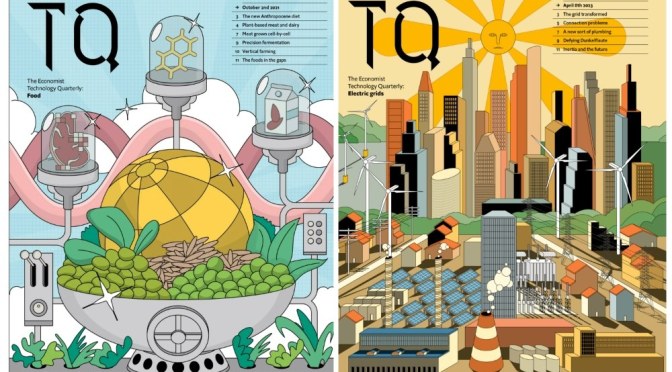
Technology Quarterly: Where The Internet Lives

Where the internet lives
Users of the internet can ignore its physical underpinnings. But for technologies like artificial intelligence and the metaverse to work, others need to pay attention, argues Abby Bertics
- Users of the internet need not think about its physical underpinnings
- Advances in physical storage and retrieval made the cloud possible
- The internet got better and faster by moving data closer to users
- Data centres improved greatly in energy efficiency as they grew massively larger
- The physical borders of the digital world
- Satellites offer an important alternative to the wired internet
- The internet is integrated into virtually every aspect of life
- Sources and acknowledgments

Previews: Top Upcoming Bestseller Books In 2024


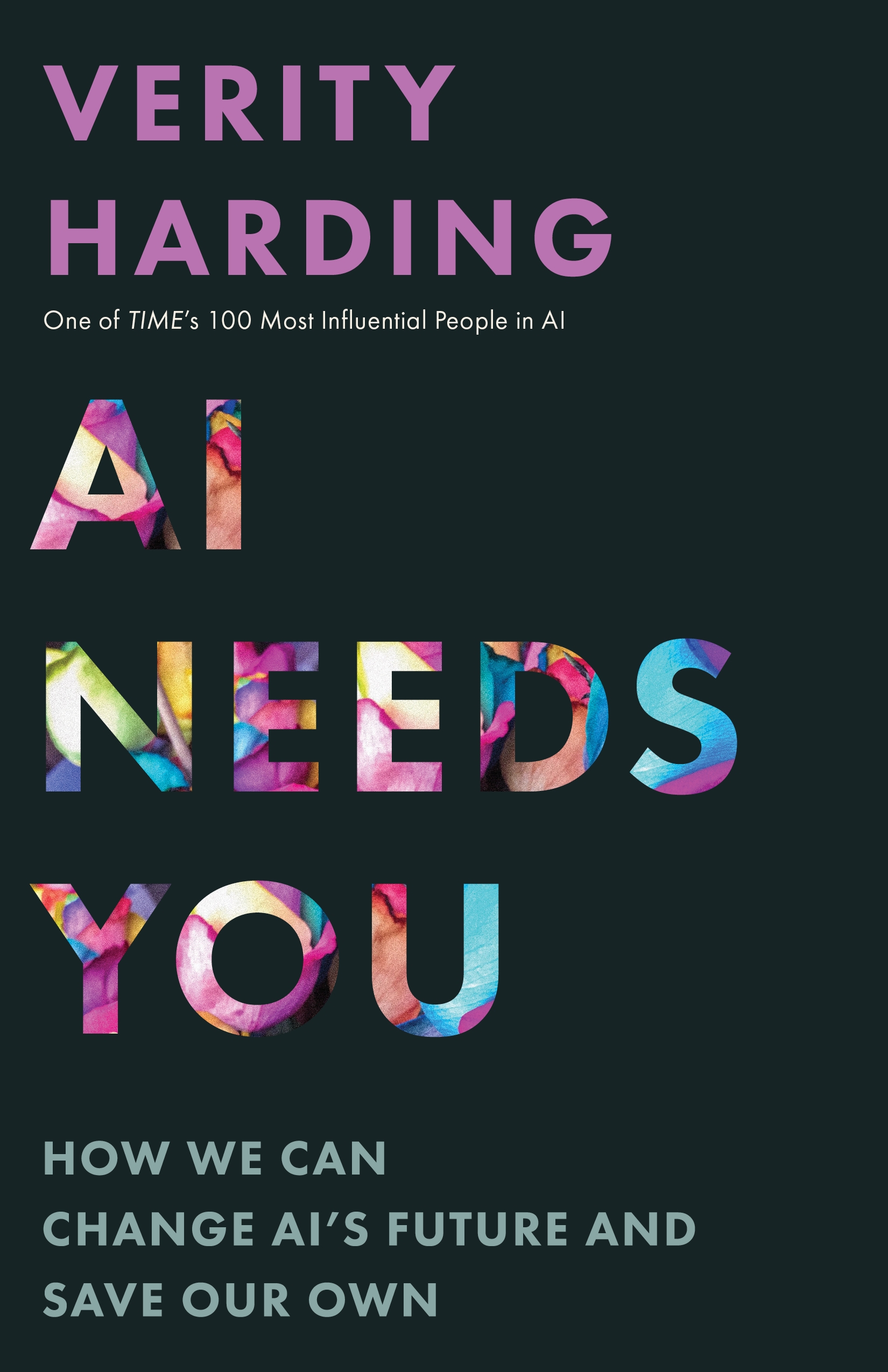
Artificial intelligence (ai) is one of them. Several books will look at how it might reshape the world: “ai Needs You”, a “humanist manifesto for the age of ai” by Verity Harding, formerly of Google DeepMind; “The Heart and the Chip: Our Bright Future with Robots” by Daniela Rus, director of the ai laboratory at mit; and “Literary Theory for Robots”, an examination of how machine intelligence will influence the way we read, write and think, by Dennis Yi Tenen, a professor of English at Columbia University.

Geopolitics will also dominate publishers’ frontlists. Dale Copeland, a professor of international relations, will chronicle how commerce has shaped America’s foreign policy; Jim Sciutto of cnn will explore “The Return of Great Powers: Russia, China and the Next World War”. Several authors will focus on the war in Europe. Eugene Finkel, who was born in Ukraine, will offer a “deeper history of Russian violence against civilians” in the country; in “Putin and the Return of History” Martin Sixsmith will look back over a thousand years to put the Russian president’s aggression in context. Peter Pomerantsev’s “How to Win an Information War” will apply the perspective of a propagandist during the second world war to the conflict.
For those hoping for a few hours of diversion, there will be plenty of novels to look forward to. Bestselling authors including Percival Everett, Yann Martel, David Nicholls, Kiley Reid, Colm Toibin and Amor Towles will return with new stories in 2024. James Patterson will be completing an unfinished manuscript left behind by Michael Crichton, the author of “Jurassic Park”.
An unseen work by Gabriel Garcia Marquez, who died in 2014, will also be released. In “En Agosto Nos Vemos” (“Until August”), a novella of fewer than 150 pages, the late Nobel laureate told the tale of a middle-aged woman’s affair. His children opposed its publication but now say it has the author’s trademark “capacity for invention, his poetic language [and] his captivating storytelling”. True or not, García Marquez will probably enjoy a resurgence, as an adaptation of his most celebrated work, “One Hundred Years of Solitude”, is also in production at Netflix. If you want a fantastical tale, who better to turn to than the Colombian master of magical realism?
The Economist Special Report: ‘Philanthropy’
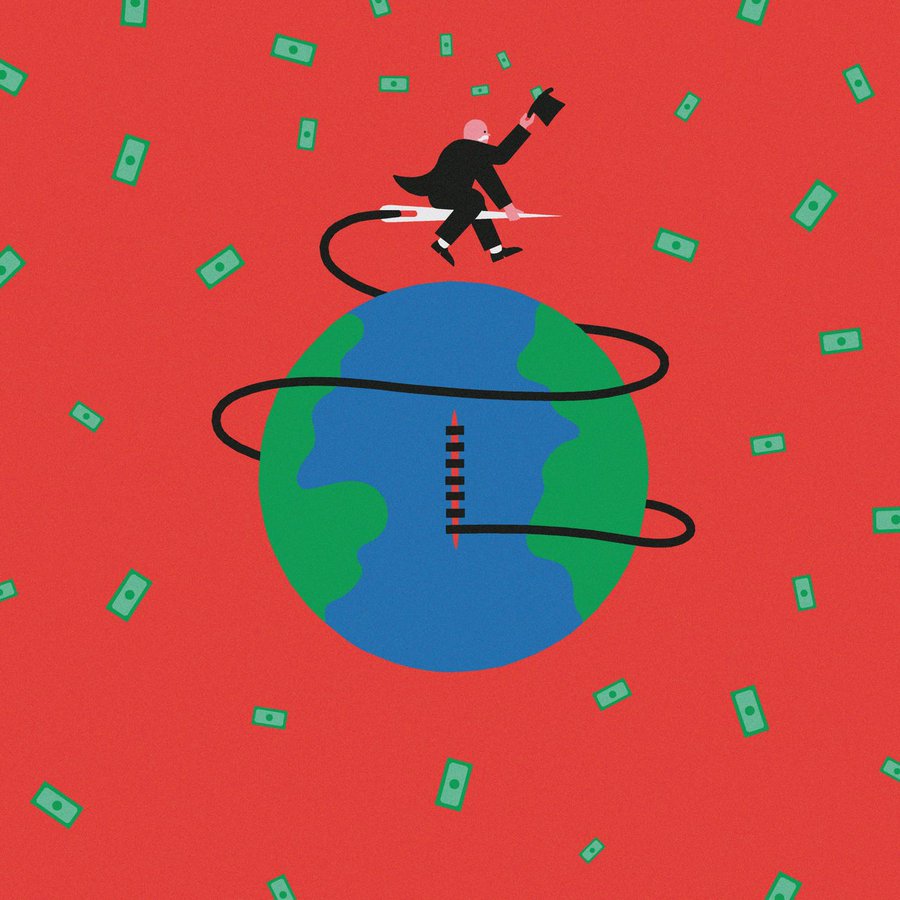
The super-rich are trying new approaches to philanthropy

They are hoping to get money to the needy faster, says Avantika Chilkoti
A nudge is not always enough to force change within an industry. Sometimes a series of forceful shoves is required. In the rarified world of Western philanthropy, the shoves began in 2020. The covid-19 pandemic, protests for racial justice across America that summer and the outflow of refugees from Ukraine starting in early 2022 created a new urgency around charitable giving and revealed failings in how it worked. Donors began to consider how they could disburse money faster and with more impact.
No-strings philanthropy is giving charities more decision-making power

Organizations on the ground know best how money should be spent
Give Directly does what it says on the tin

Cash hand-outs can transform communities
Technology: How AI Is Changing Entertainment
Video timeline: 01:07 AI is changing the music business 04:09 How big data revolutionised entertainment industries 05:20 Can AI predict a film’s success? 09:26 How generative AI is creating new opportunities 12:36 What are the risks of generative AI?

2024 Interview: President Zelensky’s Goals And Why No Comprising With Putin
Video timeline: 00:00 – 2024 military goals 01:35 – Why he won’t negotiate
Volodymyr Zelensky is angry; not about the successes of his enemies (he sees none) nor even about his own army’s lack of progress on the battlefield. Instead, Ukraine’s president is exasperated by the wobbles of some of his allies as well as the detachment among some of his compatriots. And he wants you to know it.
Hardened by the pressures of war, a year of negative headlines and the failure of a counter-offensive that promised so much at the start of 2023, he has shed the lightness and humour that characterised our earlier meetings with him. Seated in his situation room and speaking to The Economist via Zoom (you can watch the video here), he punches out his message as if trying to break through the computer screen.
A New Year’s interview with Volodymyr Zelensky: https://econ.st/48A4Nim
Previews: The Top Five Stories To Watch In 2024
Video timeline: 00:00 – The World Ahead 2024 00:33 – Vital votes 03:34 – Taxis take off 07:10 – AI rules 10:19 – Industry cleans up? 13:48 – BRICS build
Special Report: ‘Carbon Dioxide Removal’ (NOV ’23)
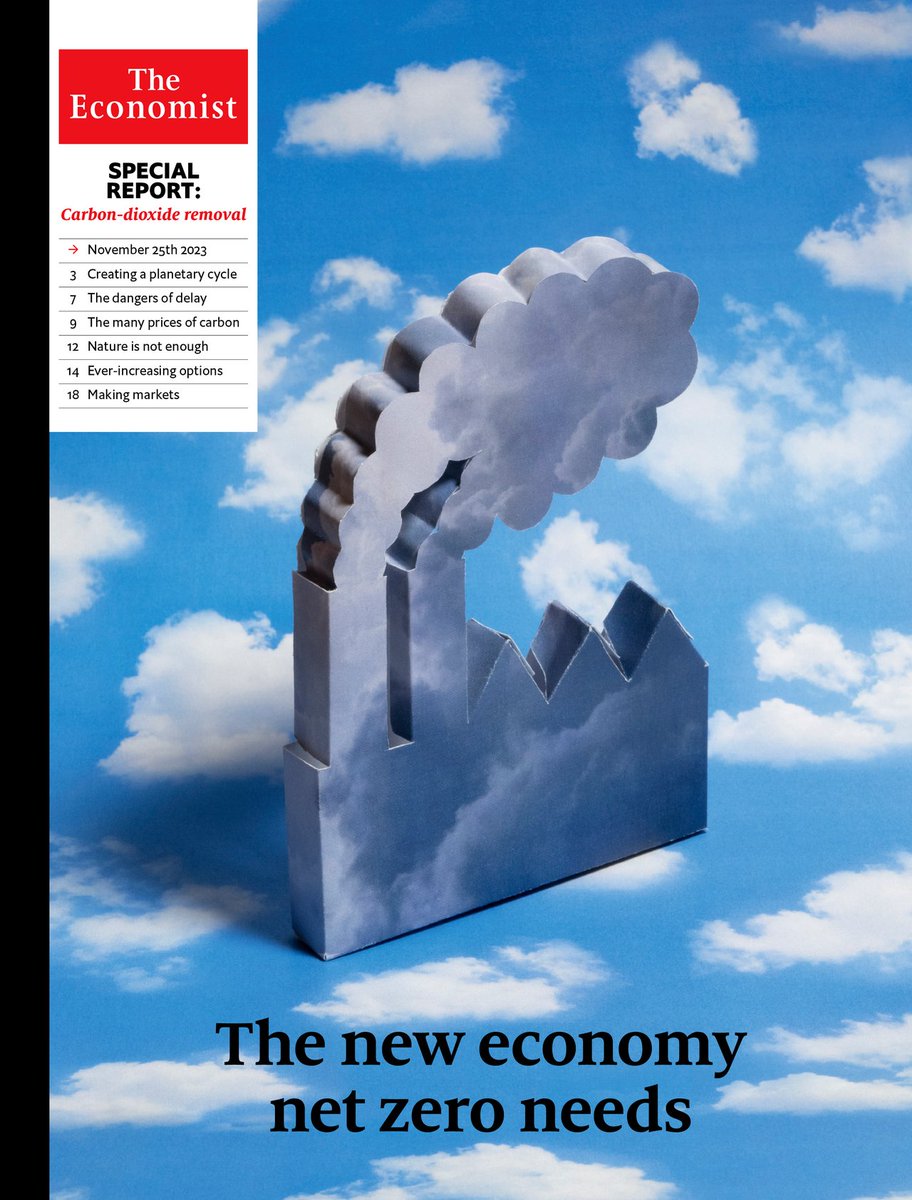
Carbon-dioxide removal needs more attention

It is vital to climate stabilisation, remarkably challenging and systematically ignored
St Augustine’s climate policy
The temptations of deferred removals

Carbon dioxide removals must start at scale sooner than people think
On the other hand…
The many prices of carbon dioxide

Not all tonnes are created equal
 Boomers Daily