

Hang up your hand washed clothes outside and take a morning swim instead of a shower no matter the temperature and forget about indoor plumbing. A traditional sauna is what saves you those cold summers when the rain keeps pouring.

Hang up your hand washed clothes outside and take a morning swim instead of a shower no matter the temperature and forget about indoor plumbing. A traditional sauna is what saves you those cold summers when the rain keeps pouring.

The most epic, cheap motels. And countless, stunning storms. This is the first time for any movie of mine where I have tornadoes AND haboobs make appearances. The haboob (dust storm) happened in May of 2022 in southwest Kansas. It was amazing and unexpected. Of all the clips that make up this film, I’m the most proud of that one.
It was like my world of chasing in Arizona finally collided with the universe of supercells and tornadoes on the plains. I hope you enjoy this film. The colors, the storms, the lightning, the twisters and the dust. It’s everything I love, everything I am continually awestruck by no matter how long I do this.

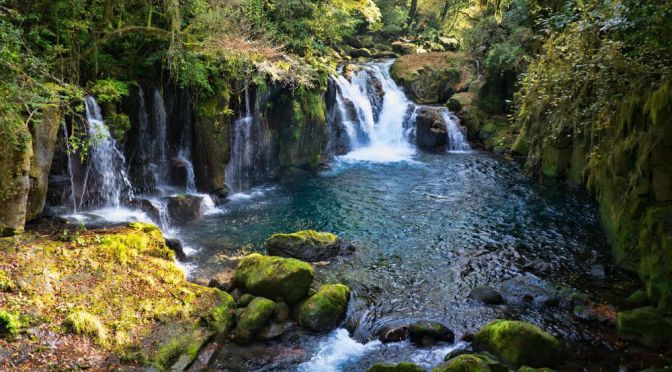
Kikuchi Keikoku (Kikuchi Gorge) is a 4km long gorge located in Aso Kuju National Park. The water runs from the outer rim of the Aso Crater. It is also known as Kikuchi Suigen (water source), and was selected as one of the 100 best waters in Japan

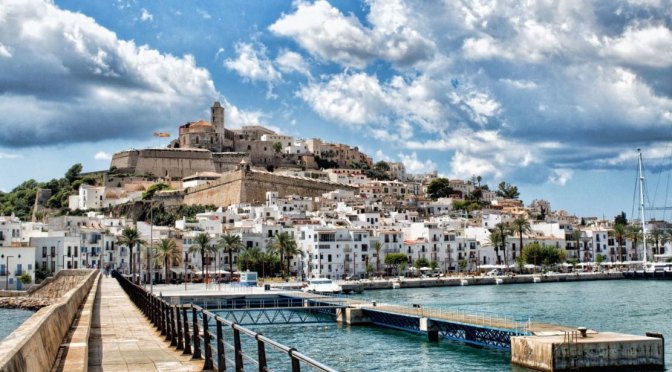
It’s also home to quiet villages, yoga retreats and beaches, from Platja d’en Bossa, lined with hotels, bars and shops, to quieter sandy coves backed by pine-clad hills found all around the coast.


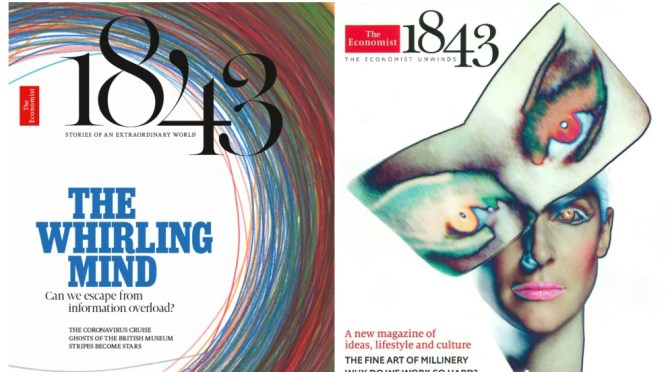
1843 MAGAZINE – SUMMER STORIES 2023:

As rival candidates are lined up, the Tibetan spiritual leader tells Brook Larmer what he really thinks of China

Young soldiers have buoyed the country’s fight for freedom, but at great cost. Irena Long meets them in their jungle hideout

Criminals stole $2.5bn from Iraq’s largest state bank in broad daylight. Nicolas Pelham follows their trail
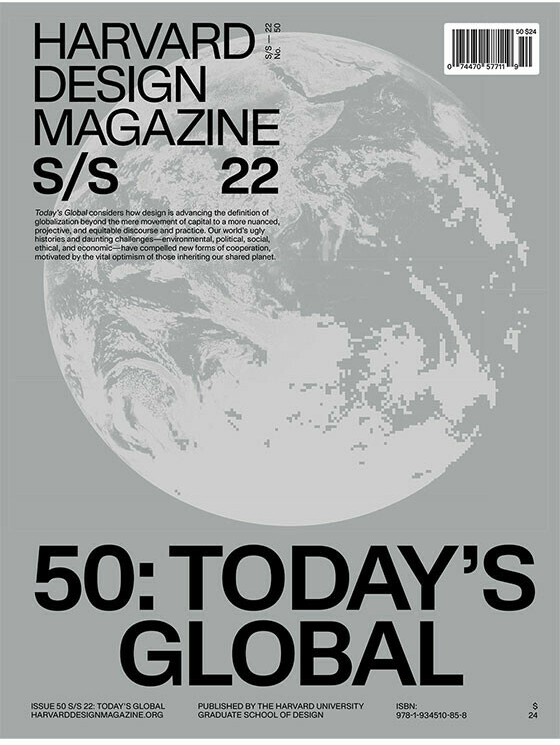

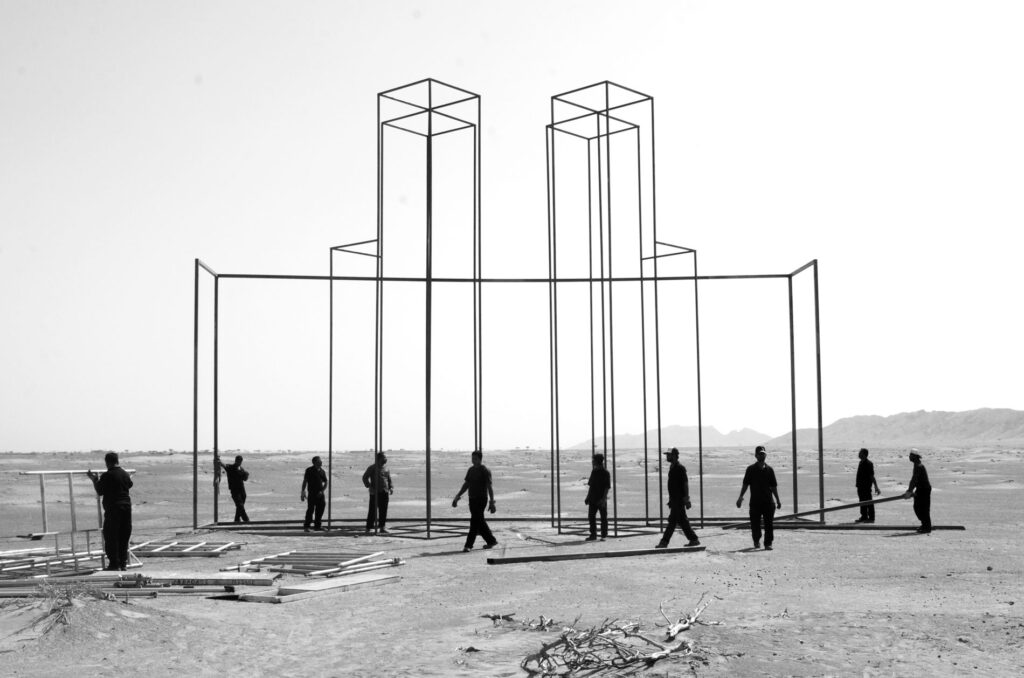
By Diana L. Eck
Lewis Mumford in introducing his now-classic study The City in History wrote, “This book opens with a city that was, symbolically, a world: it closes with a world that has become, in many practical aspects, a city.”1 He saw among the chief functions of the city the conversion of energy into culture. Indeed, the city of old was the anchor of the surrounding culture and synonymous with it. However in the decades since he wrote, the energies of cities have been fueled by an increasingly diverse population with increasingly diverse cultures. Cities are the very places where we see the effects of global migration and face the questions of identity in a complex multicultural society. Today there are a multitude of cities that are, symbolically, the world with all its diversity. Not just New York and London, but Minneapolis and Leeds are today’s world-cities. And the globalization of people, communications, and transportation has created a world that is, in many ways, a city.
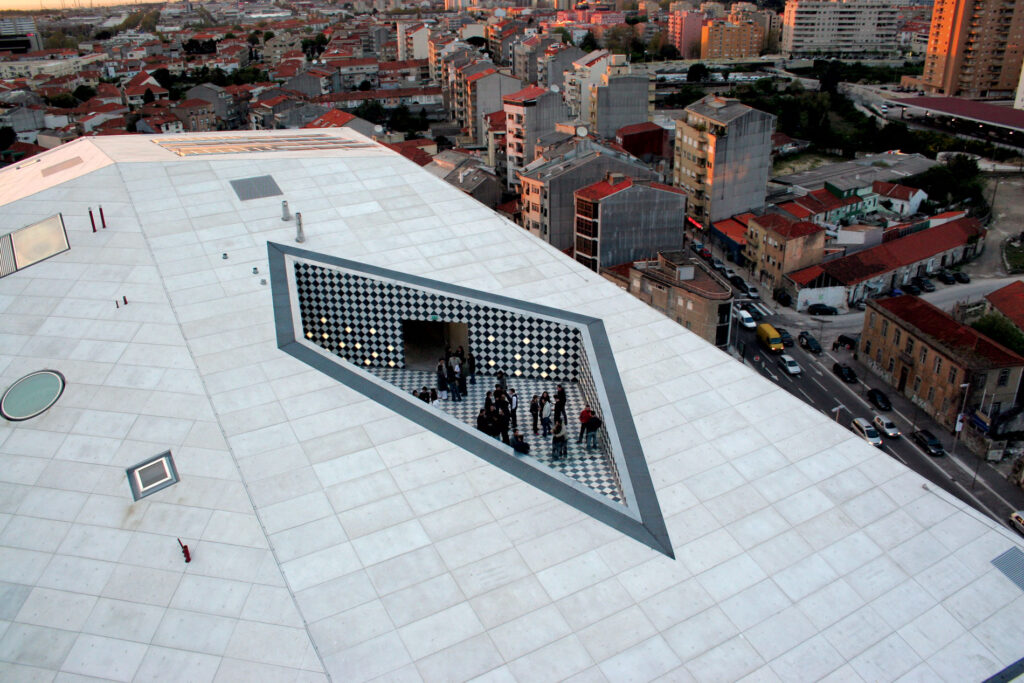
By Nicolai Ouroussoff
The architectural profession is in the midst of a long-overdue ethical reckoning. For years, it could ride the tidal wave of globalization to bigger and better commissions while still claiming that it was fighting the good fight. Nowadays, architects are more likely to be on the defensive. Our most celebrated architectural minds are routinely chastised in the media for placing personal vanity above the interests of the general public. And the fact that many of them have been far too willing to brush aside a client’s dubious ethics for the right commission has done little to dispel that perception.
O

/https%3A%2F%2Fdev.lareviewofbooks.org%2Fwp-content%2Fuploads%2F2023%2F07%2FQJ_LARB.jpg)
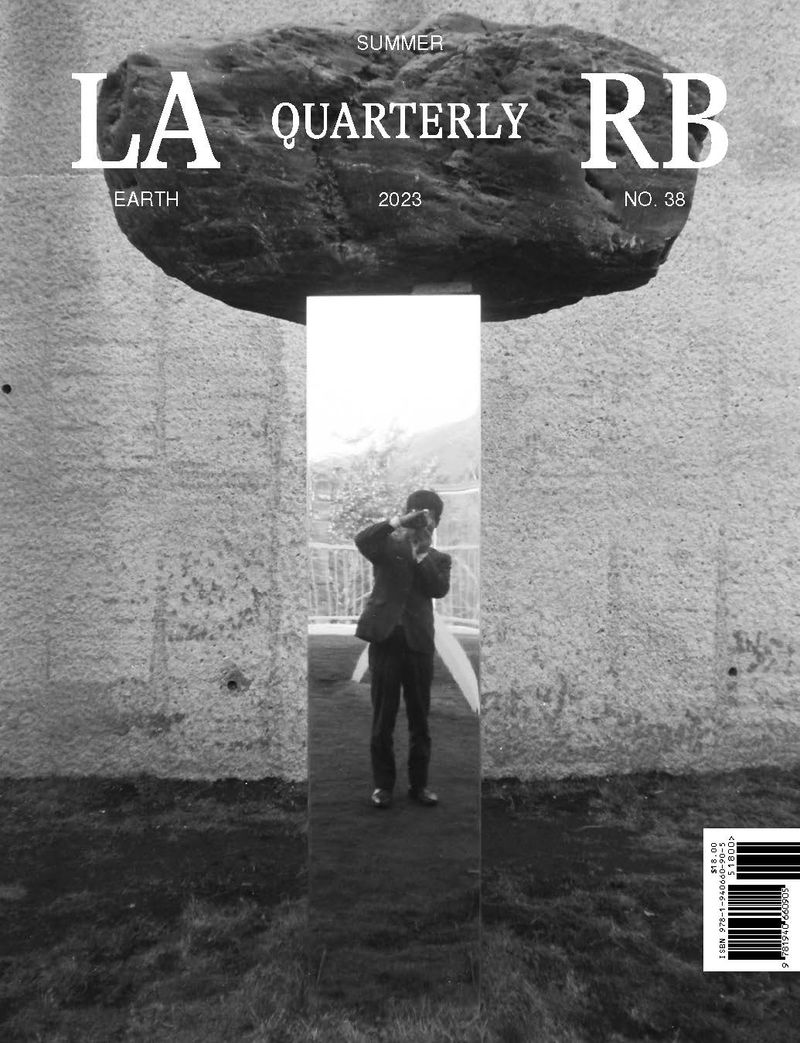
ON AN UNUSUALLY rainy evening in Los Angeles this March, at the Thomas Mann House in Pacific Palisades, two investigative reporters from Germany gave a talk about a financial scandal known as “cum-ex.” Against the backdrop of a mid-century modern terrace, its polished cement looking dull and gray in the storm, the pair flashed through a series of slides about international tax embezzlement.
A relatively small drip of funds from the German cultural ministry sometimes supports talks like these in the name of Mann’s legacy. When the capital of German literary life was exiled to Los Angeles around the Second World War, the author built a home that now still hosts salons in the name of democratic cultural exchange.
/https%3A%2F%2Fdev.lareviewofbooks.org%2Fwp-content%2Fuploads%2F2023%2F07%2FGhetto-Fights.jpg)
THE YEAR WAS 1971, the place Łódź. Journalist Hanna Krall was interviewing a pioneering heart surgeon named Jan Moll. The good doctor, apparently unhappy with the outcome of previous interviews, told Krall that everything journalists ever wrote about medicine was nonsense. So, if she wanted to avoid doing the same, he strongly suggested she have her article vetted by a certain cardiologist, a Dr. Edelman, who, said Moll, would correct her mistakes. Krall agreed and arranged a meeting. She sat down with Marek Edelman in the Grand Hotel café, where it took 15 minutes for him to read through her article.


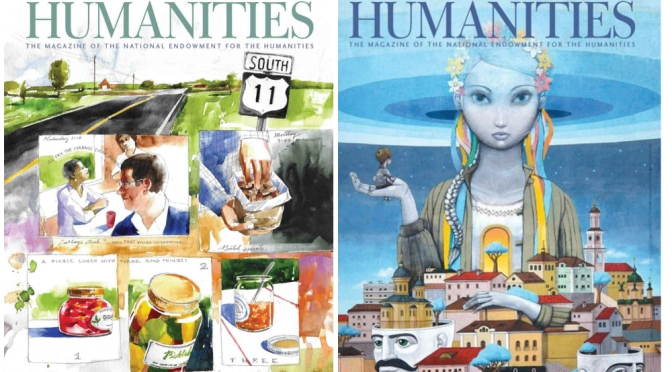
Humanities Magazine – Summer 2023 Issue

In the 1970s and ’80s, geographer Ken Martis mapped every congressional district and color-coded them by political party, going all the way back to the first Congress.
The Man in Black grew up in Dyess, Arkansas, in a community of poor farmers working government land.
A traveling exhibition explores the underworld
In the captivating survey “Comparative Hell: Arts of Asian Underworlds,” the damned are boiled alive. Writhing in pain, they are skewered, mauled by dogs, and devoured by ink-black birds. But the show is dotted throughout by charming reprieves: a lush jade-green garden, creamy-white blossoms, and whirling clouds. This is a hell that delights as much as it punishes.


Success isn’t just staying ahead of China.



 Boomers Daily