

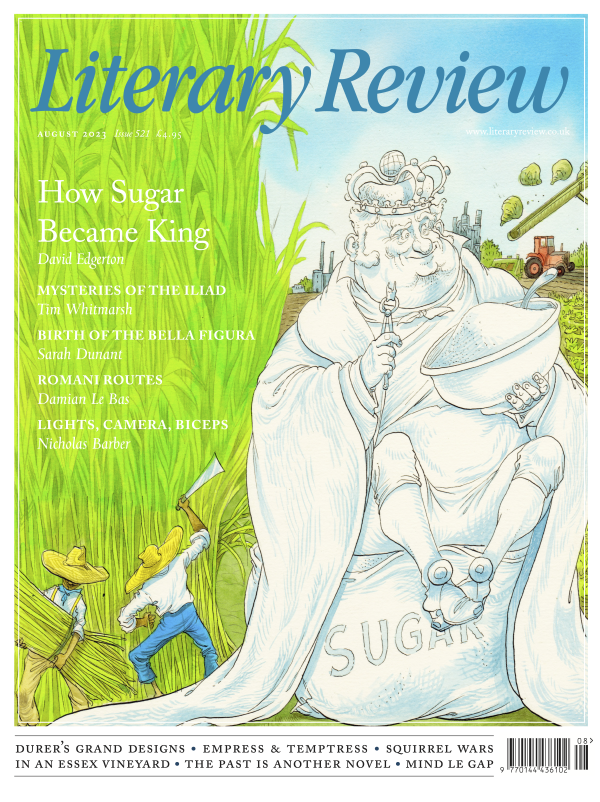
Literary Review – August 2023 Issue: How Sugar Became King; Oil, Resin, Vinegar & Paint – “Albrecht Dürer: Art and Autobiography” By David Ekserdjian; Shopping & Plucking – “How to Be a Renaissance Woman: The Untold History of Beauty and Female Creativity” By Jill Burke and more…
Oil, Resin, Vinegar & Paint

Albrecht Dürer: Art and Autobiography By David Ekserdjian
Dürer’s Lost Masterpiece: Art and Society at the Dawn of a Global World By Ulinka Rublack
The German Renaissance artist Albrecht Dürer (1471–1528) was fortunate in his initials. The stylised ‘AD’ that he routinely inserted into his paintings and engravings, and even the preparatory drawings, seemed to imbue his productions with an almost divine stamp of approval. Most German painters of the era did not sign their work, but Dürer was eager to assert creative ownership of his productions, obtaining legal protection of his sole right to the trademark monogram.
Curse of Cane

The World of Sugar: How the Sweet Stuff Transformed Our Politics, Health, and Environment over 2,000 Years By Ulbe Bosma
There was a time when commodity histories were everywhere. They tended to focus on consumption and trade over very long distances. Ulbe Bosma’s The World of Sugar is much more than this sort of book. It is one of the most accomplished longue durée case studies in the history of capitalism that we have, concerned not just with trade and consumption but with production also. At every turn it subverts both critiques and celebrations of capitalism, and our understanding of much else besides. It is an extraordinary achievement.

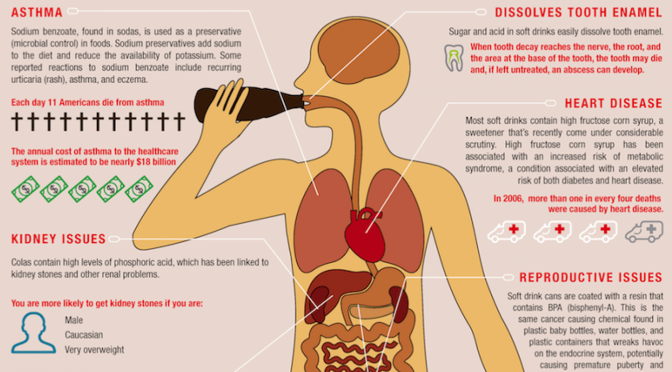
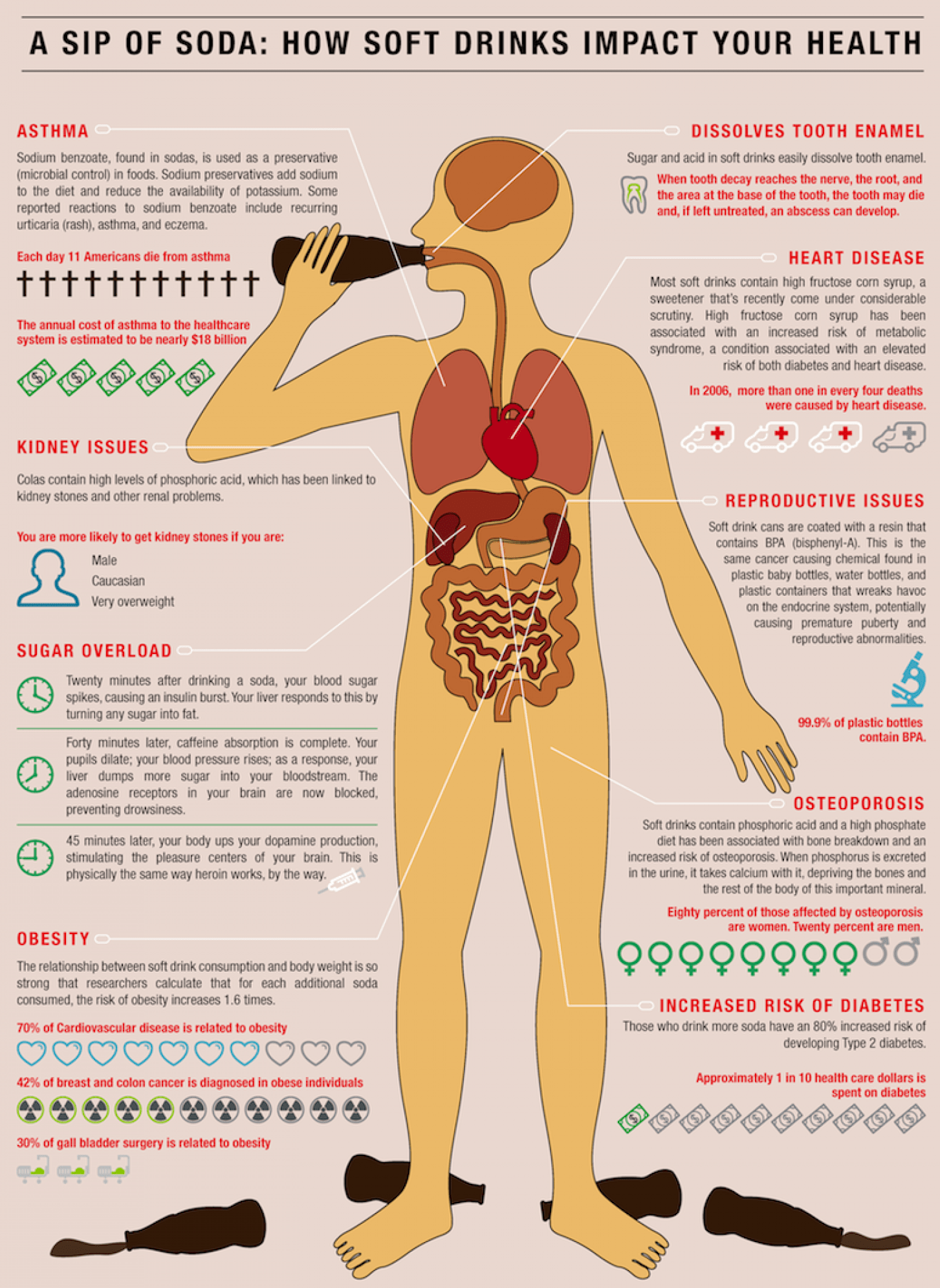

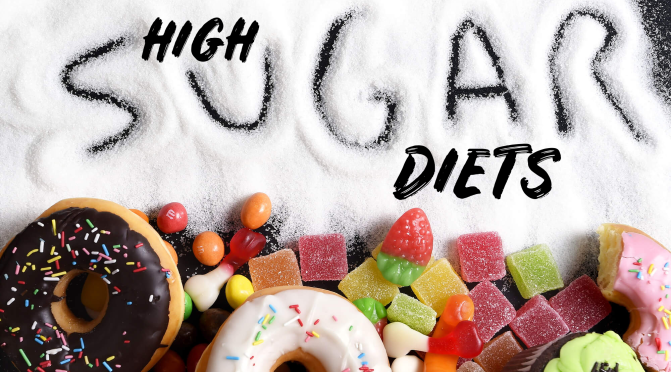
 “On a high-sugar diet, we find that the fruit flies’ dopaminergic neurons are less active, because the high sugar intake decreases the intensity of the sweetness signal that comes from the mouth,” Dus said. “Animals use this feedback from dopamine to make predictions about how rewarding or filling a food will be. In the high-sugar diet flies, this process is broken—they get less dopamine neuron activation and so end up eating more than they need, which over time makes them gain weight.”

 The association between poor overall sleep quality and greater consumption of added sugars observed in the current study aligns with previous findings that intakes of confectionary and sugar‐sweetened beverages were higher in middle‐aged Japanese women reporting poor, compared with good, sleep quality.

 Boomers Daily