
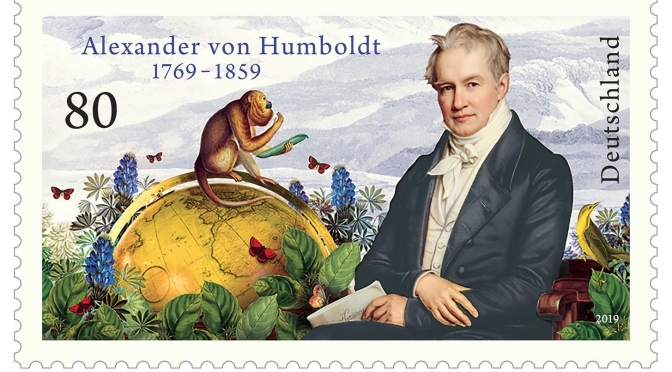
 Alexander von Humboldt might not be a name you know, but you can bet you know his ideas. Back when the United States were a wee collection of colonies huddled on the eastern seaboard, colonists found the wilderness surrounding them scary.
It took a zealous Prussian explorer with a thing for barometers to show the colonists what they couldn’t see: a global ecosystem, and their own place in nature. In this 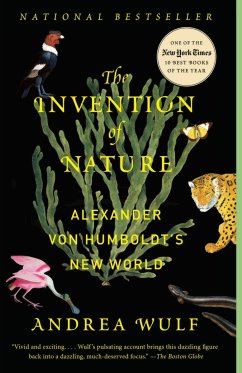 episode, we learn how Humboldt—through science and art—inspired a key part of America’s national identity.
More fascinating Humboldt facts:
- He strongly opposed slavery in the early 19th century, calling it the “greatest of all the evils which have afflicted mankind.”
- He was the first to theorize human caused climate change by changing how water flows through a landscape, on a local level, and warned about deforestation.
- He invented isotherms, the lines on a weather map that we still use today. He used them to show which parts of the world were experiencing similar temperatures.
- He made the world’s most detailed map of Mexico and the American west.
- He nearly summited what was then thought to be the world’s tallest mountain (while wearing 18th century wools, no less.).
- Another thing Humboldt and Jefferson bonded over? Mastodons. Humboldt was the first to discover remains of a species now known as Cuvieronius hyodon in Ecuador, which were similar to the “giant elephants” being found in Ohio. The teeth Humboldt found were the clue that these weren’t modern elephants; they looked pretty different. And because these teeth looked sharp, Jefferson and some American scientists thought they were for meat eating! Eventually Georges Cuvier, a French scientist who was friends with Humboldt, proved that these were different from Indian and African elephants, and even woolly mammoths—and the species eventually ended up renamed after him. One of the few eponymous misses for our friend Humboldt!
If you’re interested in learning more about the life and times of Alexander von Humboldt, I’d recommend reading Andrea Wulf’s book The Invention of Nature: Alexander von Humboldt’s New World.
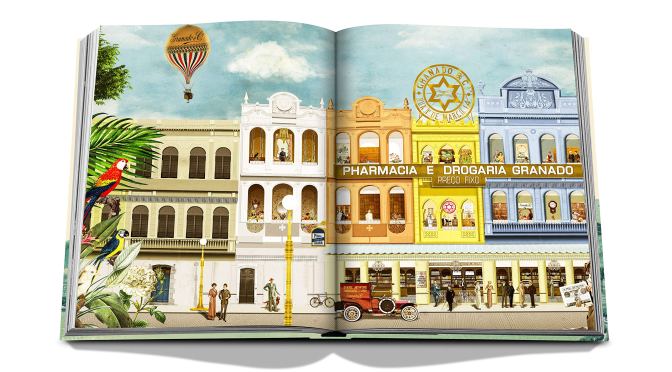
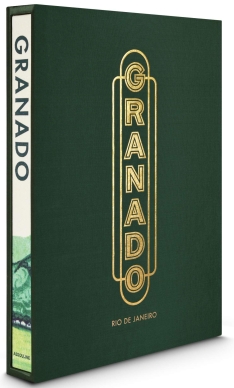 Since it first opened its doors in Rio de Janeiro in 1870, Granado has remained true to its founding mission: to concoct local, natural remedies and cosmetics, crafted from flora of Brazil. Such a formula is responsible for Granado’s endurance through time and its current standing as Brazil’s oldest pharmacy and apothecary.
 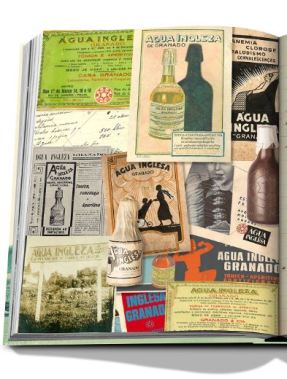 Today, Granado has three boutiques in Paris and a significant online presence in Europe; but the story of Granado’s rise begins with the tale of one man’s singular vision. At a time when medicines used toxic substances such as mercury and arsenic, José Antonio Coxito Granado began to develop natural alternatives that would quickly revolutionize the world of pharmaceuticals in Brazil. In a text enlivened by more than 200 images that capture the bright colors, botanical terrain, and vibrant aesthetics of Rio, writer Hermés Galvao traces the brand’s history, from its modest roots to its time as the Official Pharmacy of the Brazilian Imperial Family and its eventual growth into a global brand under a new family’s ownership. Featuring an illustrious cast of characters and overlapping with some of the most influential eras in Brazilian history, the story of Granado is a tale as rich as the land that yields its products.
 Leblon. Run by the owner of Brazilian fashion label Osklen, this home away from home in an old seafront building stays faithful to the brand with its chic tropical touches.
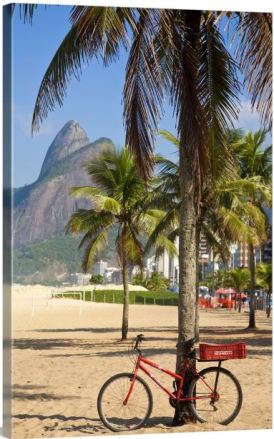 Upscale Leblon is known for its beach, one of the city’s trendiest, most tranquil stretches of sand. Inland, leafy streets have restaurants ranging from cozy French bistros to lively steakhouses, plus mellow bars for beers and caipirinhas. Shopping options include designer fashion boutiques and Shopping Leblon, a modern mall. Teatro do Leblon is a grassroots venue with a packed, eclectic program.


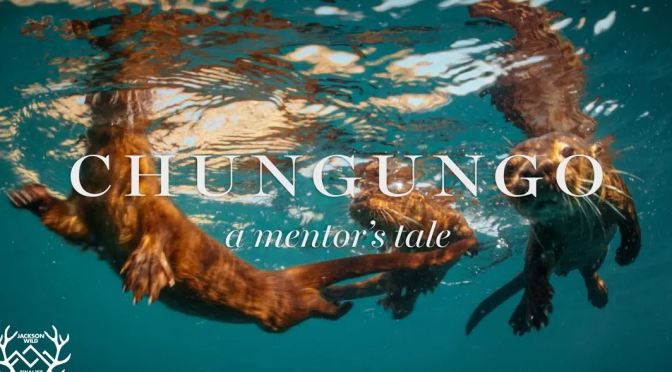
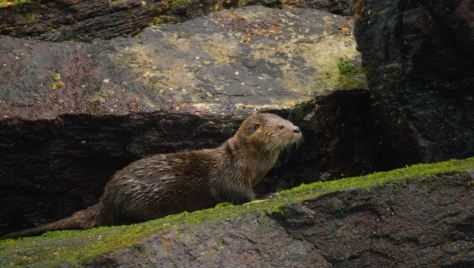
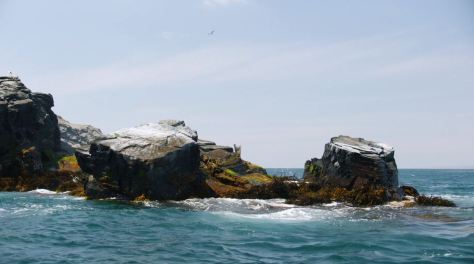
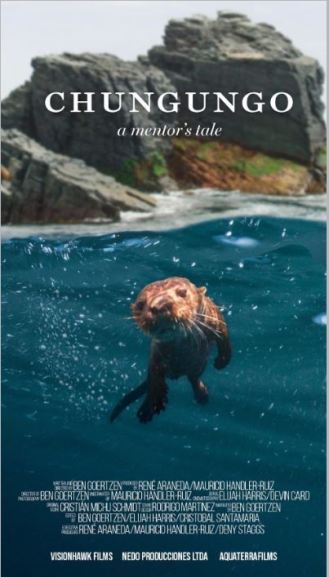 An endangered, South American Marine Otter mother and her two pups act as a vehicle into a poetic exploration of the threshold between comfort and action. Through blending traditional blue-chip cinematography with a philosophical narration the smallest marine mammal in the world is used as a mentor to teach humans about trusting their internal compass and confronting difficult questions. From showing a caring mother, to a playful sibling bond, to the kelp forests that nourish their entire ecosystem, this film aims to build empathy for animals as complex beings with more depth than we give them credit for.

 Boomers Daily