Tag Archives: Sleep

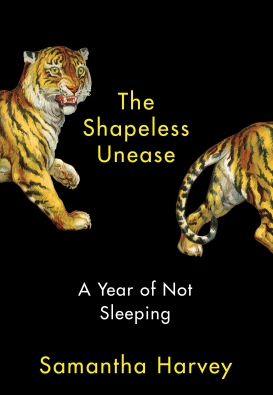
New Books: “The Shapeless Unease – A Year Of Not Sleeping” By Samantha Harvey (January 2020)

The Shapeless Unease A Year of Not Sleeping Samantha Harvey book January 2020In 2016, Samantha Harvey began to lose sleep. She tried everything to appease her wakefulness: from medication to therapy, changes in her diet to changes in her living arrangements. Nothing seemed to help.

The Shapeless Unease is Harvey’s darkly funny and deeply intelligent anatomy of her insomnia, an immersive interior monologue of a year without one of the most basic human needs. Original and profound, and narrated with a lucid breathlessness, this is a startlingly insightful exploration of memory, writing and influence, death and the will to survive, from “this generation’s Virginia Woolf” (Telegraph).

Read more or purchase

Studies: Disrupted Sleep Cycles & Dopamine Linked; Craving “High-Calorie Food” & Obesity Are Result

From a NeuroscienceNews.com online release article (01/02/20):

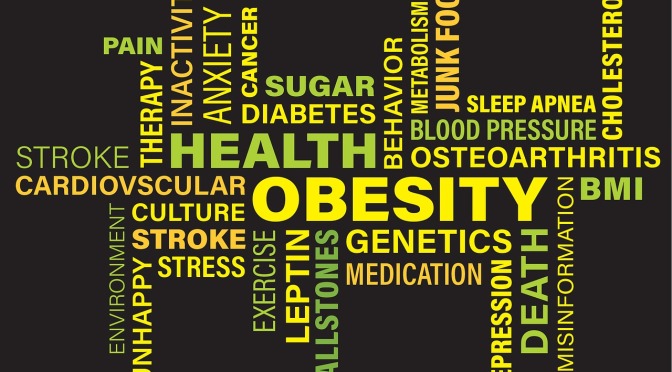
During the years 1976 through 1980, 15% of U.S. adults were obese. Today, about 40%of adults are obese. Another 33% are overweight.

“But, of course, food is now abundant, and our next meal is as close as the kitchen, or the nearest fast-food drive-through, or right here on our desk. Often, these foods are high in fats, sugars, and therefore calories, and that’s why they taste good. It’s easy to overconsume, and, over time, this takes a toll on our health.”

Current Biology Journal Dopamine Signaling and Weight Gain January 2 2020
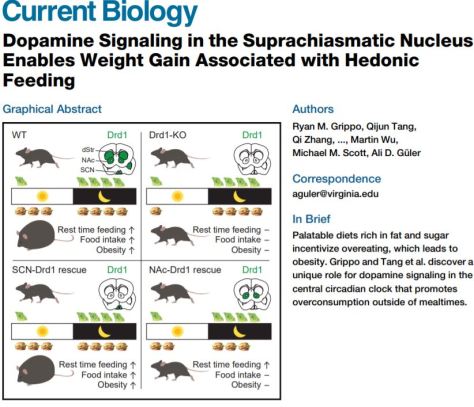
Dopamine Signaling in the Suprachiasmatic Nucleus Enables Weight Gain Associated with Hedonic Feeding – Current Biology January 2, 2020

Read full study

In a study published Thursday in the journal Current Biology, Güler and his colleagues demonstrate that the pleasure center of the brain that produces the chemical dopamine, and the brain’s separate biological clock that regulates daily physiological rhythms, are linked, and that high-calorie foods – which bring pleasure – disrupt normal feeding schedules, resulting in overconsumption. Using mice as study models, the researchers mimicked the 24/7 availability of a high-fat diet, and showed that anytime snacking eventually results in obesity and related health problems.

Read more

Health: 60-Year Old “B-D” Editor Launches “18-Hour Intermittent Fasting” Diet Study For 2020’s Decade

Following the important publishing of “The Benefits Of Intermittent Fasting” study by Johns Hopkins in the New England Journal of Medicine on December 26, 2019, the 60-year old editor of Boomers-Daily.com (“B-D”) will launch, participate in, and document a decade-long, 18-Hour Intermittent Fasting Diet on December 30, 2019. The following protocol will be followed:

  • All daily food consumption will be between 10 am and 4 pm
  • Diet will be followed 7 days a week
  • High fiber, nutrition-dense foods will be favored
  • Gluten-free and Lactose-free foods will be favored
  • Eating will NOT be calorie-restricted
  • Bedtime target of 7:30 to 8:30 pm (or earlier) every night
  • 7-8+ hours of sleep per night a PRIORITY
  • Early morning vigorous exercise daily of 1 – 1 1/2 hours targeted

All readers of Boomers-Daily.com are encouraged to communicate with B-D and launch their own 18-hour Intermittent Fasting Diet (the 6-hour eating period can be varied 1-2 hours later or earlier). Please email boomersdaily@gmail.com to join the study, comment or inquire about this or your own 18-Hour Intermittent Fasting Diet. We will be looking to start an online chat room and other online platforms to increase the size, scope, visibility and transparency of the study over the next decade.

12-26-19  Intermittent Fasting: Live ‘Fast,’ Live longer? (infographic).png.png

Reading Lists: “The Best Neuroscience Books Of 2019” (TheScientist)

TheScientist Logo

Bury your nose in tales of neurosyphilis, gender identity, the medical mysteries of sleep disorders, and more. JAMES DOLBOW

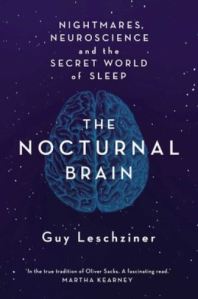
The Nocturnal Brain by Guy Leschziner

The Nocturnal Brain: Nightmares, Neuroscience and the Secret World of Sleep 

Inspired by the legendary book The Man Who Mistook His Wife for a Hat by the late Oliver Sacks, neurologist and sleep scientist Guy Leschziner tells the curious true stories of his patients, their fascinating sleep disorders, and the neuroscience behind each. Also like the works of Sacks, The Nocturnal Brain is written with considerable introspection and wonder about each patient’s case, taking you on a journey from the first patient encounter, to diagnosis, and through treatment. The unusual and often bizarre cases will keep you intrigued and immersed, and make this unique book one you will find yourself looking forward to making time to read.
How The Brain Lost Its Mind Allan H. Ropper MD and Brian David BurrellHow The Brain Lost Its Mind: Sex, Hysteria, and the Riddle of Mental Health

In this mindful reflection on American and European pasts, authors Allan H. Ropper and Brian Burrell, also the writers of Reaching Down the Rabbit Hole, address our modern concept of mental illness by reviewing the interesting true story of the syphilis epidemic of the 19th century. This little known and fascinating history of neurosyphilis—how it was handled by society and medicine and how it shaped today’s understanding of mental illness—helps address not only why many stigmas exist, but why so many have persisted. This book will take you on an incredible journey through the puzzling diagnosis, eclectic treatments, and lasting social effects of the neurosyphilis epidemic of the 1800s, as well as offer important insight into the difference between diseases of the brain and the mind. This book is perfect for any scientist, psychologist, or historian with even the smallest interest in medical history or mental health theory.
Compassionomics The Revolutionary Scientific Evidence That Caring Makes A Difference Stephen Trzeciak and Anthony MazzarelliCompassionomics: The Revolutionary Scientific Evidence that Caring Makes a Difference

It is no secret that today’s medical atmosphere scarsely resembles anything similar to that of 50 years ago. Many have argued that this is in large part due to a lack of compassion in the modern medical system. If this is the case, where have we gone wrong, and is there scientific evidence to support that compassion is even beneficial to healthcare, personal relationships, and professional lives? These questions are raised and explored by authors Stephen Trzeciak and Anthony Mazzarelli through the telling of true stories of medical providers and patients that help demonstrate the incredible effect of the human connection. Coupled perfectly with these gripping stories are easily readable summaries of decades of research studying the effects of compassion as well as its implications in our lives. Addressing topics from healthcare cost to provider burnout, from caring for others to caring for ourselves, this evidence-based analysis of the importance of compassion is a must-read for anyone interested in the social science and psychology of the care we give in all settings of our lives.

To read more: https://www.the-scientist.com/news-opinion/opinion–the-best-neuroscience-books-of-2019-66863


Healthiest Adults: Early Risers With 7-8 Hours Of Sleep, No Insomnia Or Daytime Drowsiness

From a European Heart Journal study:

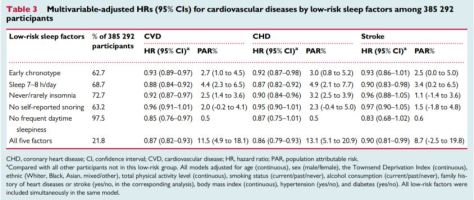
European Society of Cardiology logoWhen the five sleep factors were collapsed into binary categories of low risk vs. high risk (reference group), early chronotype, adequate sleep duration, free of insomnia, and no frequent daytime sleepiness were each independently associated with incident CVD, with a 7%, 12%, 8%, and 15% lower risk, respectively (Table 3). Early chronotype, adequate sleep duration, and free of insomnia were independently associated with a significantly reduced risk of CHD; while only adequate sleep duration was associated with stroke.European Society of Cardiology Sleep patterns, genetic susceptibity and incident cardiovascular disease a prospective study of 385,292 participants lowest risk factorsCardiovascular disease (CVD), including coronary heart disease (CHD) and stroke, is among the leading causes of mortality globally.1 In addition to traditional lifestyle behaviours, emerging evidence has implicated several unhealthy sleep behaviours were important risk factors for CVD.2,3 For example, short or long sleep duration,4–9 late chronotype,10,11 insomnia,12–17 snoring,18,19 and excessive daytime sleepiness20,21 were associated with a 10–40% increased CVD risk. European Society of Cardiology Sleep patterns, genetic susceptibity and incident cardiovascular disease a prospective study of 385,292 participants
 

To read more: https://academic.oup.com/eurheartj/advance-article/doi/10.1093/eurheartj/ehz849/5678714

Health Studies: Sleep Problems Prevent Long-Term Recovery From Chronic Low Back Pain

From a MedScape online release:

Chronic Lower Back PainSleep problems may decrease the likelihood of recovery from chronic low back pain (LBP) over the long term and those who have musculoskeletal pain on top of insomnia have an even lower possibility of recovery, a study has found.
“The probability of recovery [from LBP] is especially low among persons who often/always experience sleeplessness and who also suffer from co-occurring musculoskeletal pain,” the researchers write.

The study took place over more than 10 years and also found the likelihood of recovery from chronic LBP decreased further among people with muscle and joint pains, in addition to sleeplessness.

The researchers conducted a prospective cohort study that included 3712 women and 2488 men aged at least 20 years who participated in the HUNT study, one of the largest, longest running health studies in Norway. HUNT began in 1984 and has data on over 120,000 participants.

To read more: https://www.medscape.com/viewarticle/922338

Sleep Podcasts: Older Adults Are More Likely To Suffer From Chronic (Long-Term) Insomnia

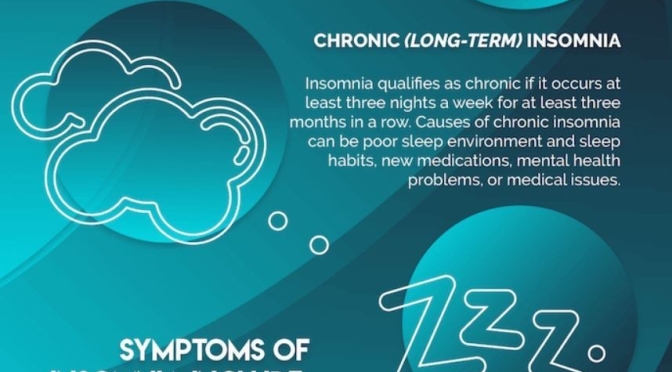
InsomniaBeyond the constant tossing and turning of a sleepless night, it might surprise you to know that insomnia is affecting a fair hunk of the Australian population. A recent study released by the Sleep Health Foundation found that 15 per cent of us suffer from chronic insomnia disorder, and very few people are choosing to access help.
Guests:

Professor Robert Adams, Professor in Respiratory and Sleep Medicine for Flinders University, and lead researcher for Chronic Insomnia Disorder in Australia study for Sleep Health Foundation

Dr Moira Junge, health psychologist specialising in treating sleep disorders, board member for Sleep Health Foundation

Website: https://radio.abc.net.au/programitem/pga7dxBbm7

Brain Health: “Package Of Lifestyle Changes” (Brisk Exercise, Healthy Diet & Sleep, Cognitive Training) Helps Prevent Dementia

From a Wall Street Journal online article:

How Likely is Dementia - Source The Lancet, Gill Livingston, et al.
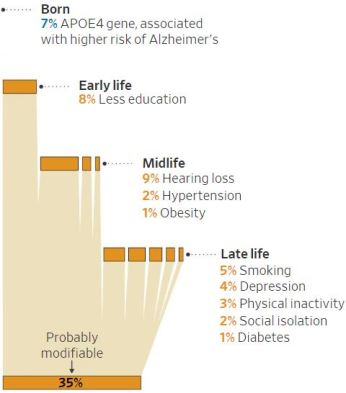
How Likely Is Dementia?

Dementia is a complicated disease that has multiple causes and risk factors, some of which remain unknown. Nevertheless, there is increasing evidence that people—even those who inherit genes that put them at greater risk of developing Alzheimer’s in later life—can improve their chances by adopting lifestyle changes.

“It’s not just about running three times a week,” says Sarah Lenz Lock, executive director of AARP’s Global Council on Brain Health. “Instead, it’s about a package of behaviors, including aerobic exercise, strength training, a healthy diet, sleep and cognitive training.”

When it comes to battling dementia, the unfortunate news is this: Medications have proven ineffective at curing or stopping the disease and its most common form, Alzheimer’s disease. But that isn’t the end of the story. According to a recent wave of scientific studies, we have more control over our cognitive health than is commonly known. We just have to take certain steps—ideally, early and often—to live a healthier lifestyle.

In fact, according to a recent report commissioned by the Lancet, a medical journal, around 35% of dementia cases might be prevented if people do things including exercising and engaging in cognitively stimulating activities. “When people ask me how to prevent dementia, they often want a simple answer, such as vitamins, dietary supplements or the latest hyped idea,” says Eric Larson, a physician at Kaiser Permanente in Seattle and one of a group of scientists who helped prepare the report. “I tell them they can take many common-sense actions that promote health throughout life.”

To read more: https://www.wsj.com/articles/what-science-tells-us-about-preventing-dementia-11574004600

Sleep Studies: Increase In Preventable Diseases Tied To Disrupted “Circadian Rhythms” (Harvard)

From a Sleep Review Magazine online article:

Nighttime EatingWhen people are awake during the night, their behaviors are often mismatched with their internal body clocks. This can lead to nighttime eating, which can influence the way the body processes sugar and could lead to a higher risk in diabetes. “What happens when food is eaten when you normally should be fasting?” Scheer asked the audience. “What happens is that your glucose tolerance goes out the window….So your glucose levels after a meal are much higher.” This can increase people’s risk for diabetes.
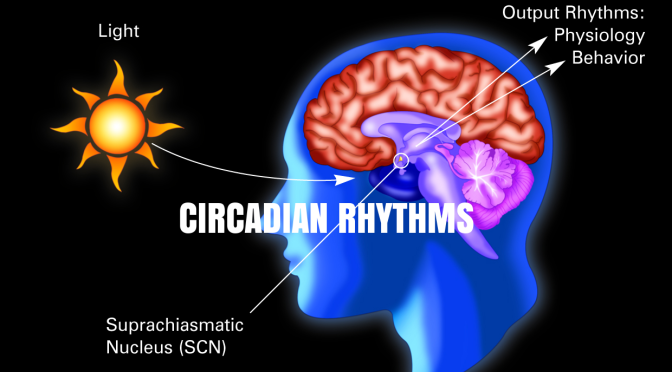
Frank Scheer, PhD, professor of medicine at Harvard Medical School and director of the medical chronobiology program at Brigham and Women’s Hospital in Boston, says disruption of the body’s circadian rhythms may be one major reason why more Americans are living with preventable diseases. During his keynote talk at the 2019 AAST annual meeting in St. Louis, he outlined how recent research supports the hypothesis that higher rates of shiftwork and other forms of nighttime disruption could be contributing to increased rates of obesity, diabetes, and other common ailments.

To read more: http://www.sleepreviewmag.com/2019/10/circadian-rhythm-disruption-increase-preventable-diseases/

Dementia Studies: Healthy Sleep, Diet And Exercise Changes Boost Cognition

From a Wall Street Journal online article:

Alzheimer's & Dementia JournalMr. Chambers, a 48-year-old physical therapist in Jersey City, N.J., modified his sleep, diet and exercise routines. Eighteen months later, his performance on a battery of cognitive tests improved, particularly in areas like processing speed and executive function, such as decision-making and planning.

Most surprising, says Dr. Isaacson, is that the MCI patients who followed at least 60% of their recommendations showed cognitive improvement. However, MCI patients who followed less than 60% of the recommendations experienced cognitive declines similar to the control groups, he notes.

Mr. Chambers is among 154 patients in a study, published Wednesday in Alzheimer’s & Dementia: The Journal of the Alzheimer’s Association, that doctors say shows encouraging results. Among healthy patients, people who made changes in nutrition and exercise showed cognitive improvements on average. People who were already experiencing some memory problems also showed cognitive improvement—if they followed at least 60% of the recommended changes.

To read actual study: https://els-jbs-prod-cdn.literatumonline.com/pb/assets/raw/Health%20Advance/journals/jalz/JALZ_2985-1572445934507.pdf?mod=article_inline

To read more: https://www.wsj.com/articles/the -link-between-diet-exercise-and-alzheimers-11572427802