
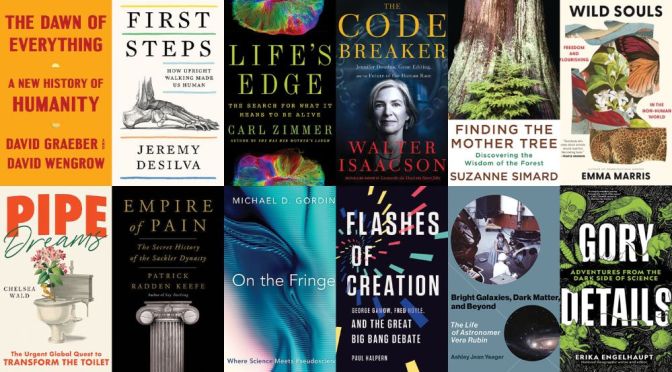
Understanding the origins of the universe. The ethics of gene editing. How to define life. Our favorite books of 2021 tackled these and other weighty science topics. https://t.co/4ox8mRFvaL
— Science News (@ScienceNews) December 9, 2021
Tag Archives: Science
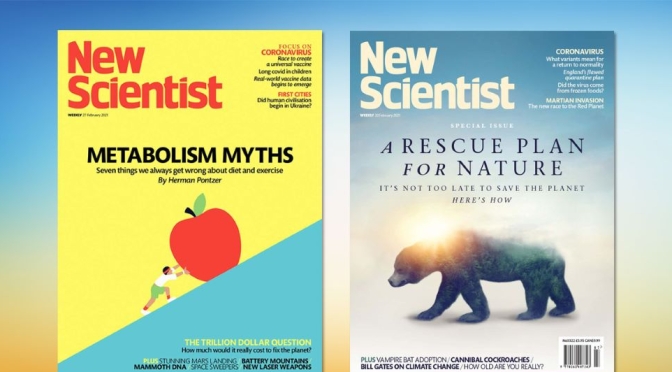
Previews: New Scientist Magazine – December 11

Science: How The Lack Of Sleep Makes You Hungrier
Did you know that not getting enough zzz’s can actually make you hungrier? According to sleep scientist Matt Walker, the relationship between what you eat and your sleep is a two-way street. Here’s why understanding it can help you improve your overall health.
Sleep — we spend one-third of our lives doing it, but what exactly do we get out of it? And how can we do it better? In this TED series, sleep scientist Matt Walker uncovers the facts and secrets behind our nightly slumber. (Made possible with the support of Oura) Check out more episodes on TED.com: https://go.ted.com/sleepingwithscience

Photography: Top Images From Nature Magazine
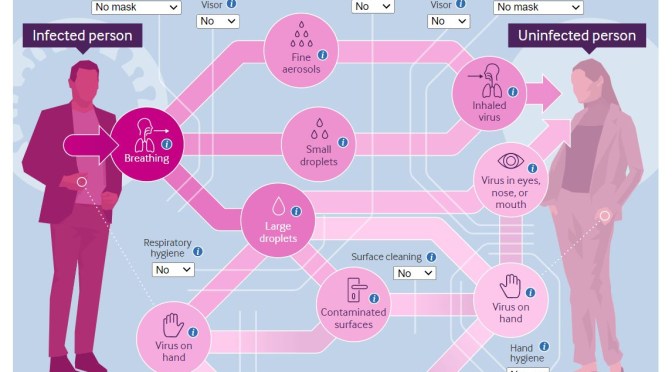
Covid-19: The Best Ways To Avoid Virus Transmission

Science: New Scientist Weekly Podcast – DEC 2

Front Covers: Science Magazine – December 3
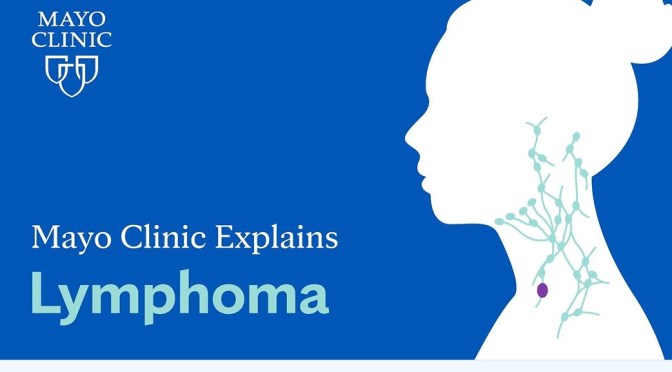
Medicine: The Mayo Clinic Explains Lymphoma (Video)
Learning about lymphoma can be intimidating. Let our experts walk you through the facts, the questions, and the answers to help you better understand this condition.
Video timeline: 0:24 What is Lymphoma? 1:20 Types of Lymphoma 2:04 Who gets Lymphoma? 2:48 Risk factors 3:30 Symptoms 4:10 How is Lymphoma diagnosed? 5:07 Treatment options 6:11 Coping methods/ What now? 7:09 Ending
For more reading visit: https://mayocl.in/3xThjs7
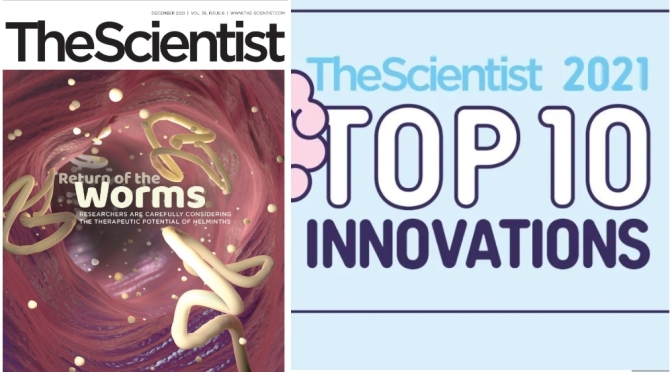
Previews: The Scientist Magazine – December 2021
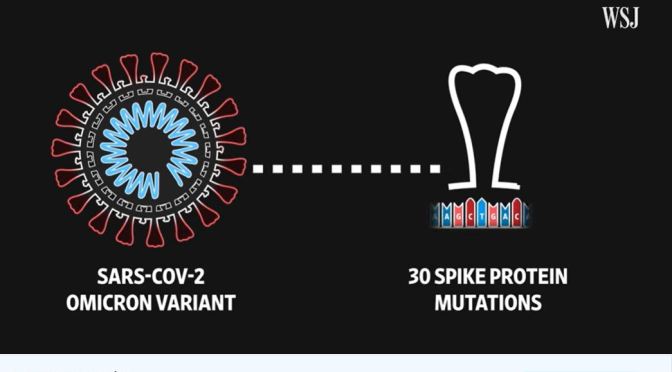
Covid-19: Why Omicron Concerns Scientists (WSJ)
The B.1.1.529 variant was first reported to WHO from South Africa on 24 November 2021. The epidemiological situation in South Africa has been characterized by three distinct peaks in reported cases, the latest of which was predominantly the Delta variant. In recent weeks, infections have increased steeply, coinciding with the detection of B.1.1.529 variant. The first known confirmed B.1.1.529 infection was from a specimen collected on 9 November 2021.
This variant has a large number of mutations, some of which are concerning. Preliminary evidence suggests an increased risk of reinfection with this variant, as compared to other VOCs. The number of cases of this variant appears to be increasing in almost all provinces in South Africa. Current SARS-CoV-2 PCR diagnostics continue to detect this variant. Several labs have indicated that for one widely used PCR test, one of the three target genes is not detected (called S gene dropout or S gene target failure) and this test can therefore be used as marker for this variant, pending sequencing confirmation. Using this approach, this variant has been detected at faster rates than previous surges in infection, suggesting that this variant may have a growth advantage.
 Boomers Daily