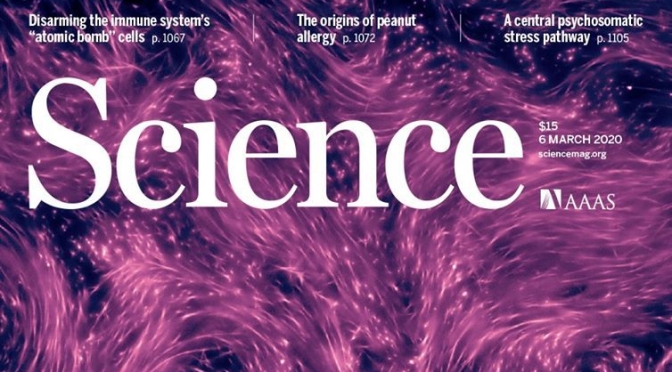
On this week’s show, host Joel Goldberg gets an update on the coronavirus pandemic from Senior Correspondent Jon Cohen. In addition, Cohen gives a rundown of his latest feature, which highlights the relationship between diseases and changing seasons—and how this relationship relates to a potential coronavirus vaccine.
Also this week, from a recording made at this year’s AAAS annual meeting in Seattle, host Meagan Cantwell speaks with Alexandra Maertens, director of the Green Toxicology initiative at Johns Hopkins University, Baltimore, about the importance of incorporating nonanimal testing methods to study the adverse effects of chemicals.
Scientists and doctors have observed for thousands of years that some diseases, like polio and influenza, rise and fall with the seasons. But why? Ongoing research in animals and humans suggests a variety of causes, including changes in the environment (like pH, temperature, and humidity) and even seasonal and daily changes to our own immune systems. Figuring out those answers could one day make all the difference in minimizing the impact of infectious disease outbreaks—such as COVID-19.
On this week’s show, host Joel Goldberg talks with science journalist Andrew Curry about archaeological finds from thousands of years ago along the shores of Northern Europe. Curry outlines the rich history of the region that scientists, citizen scientists, and energy companies have helped dredge up.
Also this week, from a recording made at this year’s AAAS annual meeting in Seattle, host Meagan Cantwell speaks with Elizabeth Margulis, a professor at Princeton University, about musical memory. Margulis explains what research tells us about how our brains process music, and dives into her own study on how Western and non-Western audiences interpret the same song differently.
On this week’s show, freelance writer Christa Lesté-Lasserre talks with host Sarah Crespi about the scientists working on the restoration of Notre Dame, from testing the changing weight of wet limestone, to how to remove lead contamination from four-story stained glass windows.
As the emergency phase of work winds down, scientists are also starting to use the lull in tourist activity to investigate the mysteries of the cathedral’s construction.
Also this week, Felipe Quiroz, an assistant professor in the biomedical engineering department at the Georgia Institute of Technology and Emory University, talks with Sarah about his paper on the cellular mechanism of liquid-liquid phase separation in the formation of the tough outer layer of the skin. Liquid-liquid phase separation is when two liquids “demix,” or separate, like oil and water. In cells, this process created membraneless organelles that are just now starting to be understood. In this work, Quiroz and colleagues create a sensor for phase separation in the cell that works in living tissue, and show how phase separation is tied to the formation of the outer layers of skin in mice.
On this week’s show, Online News Editor David Grimm joins host Sarah Crespi to discuss how dogs’ cold noses may be able to sense warm bodies. Read the research. International News Editor Martin Enserink shares the latest from our reporters covering coronavirus.
And finally, from a recording made at this year’s AAAS annual meeting, host Meagan Cantwell talks with Jill Tarter, chair emeritus at the SETI Institute, about the newest technologies being used to search for alien life, what a positive signal would look like, and how to inform the public if extraterrestrial life ever were detected.
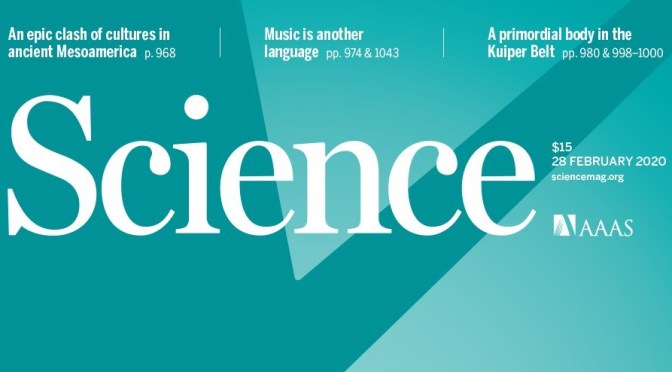
This week on the podcast, Contributing Correspondent Lizzie Wade joins host Sarah Crespi to discuss a turning point for one ancient Mesoamerican city: Tikal. On 16 January 378 C.E., the Maya city lost its leader and the replacement may have been a stranger. We know from writings that the new leader wore the garb of another culture—the Teotihuacan—who lived in a giant city 1000 kilometers away.
But was this new ruler of a Maya city really from a separate culture? New techniques being used at the Tikal and Teotihuacan sites have revealed conflicting evidence as to whether Teotihuacan really held sway over a much larger region than previously estimated.
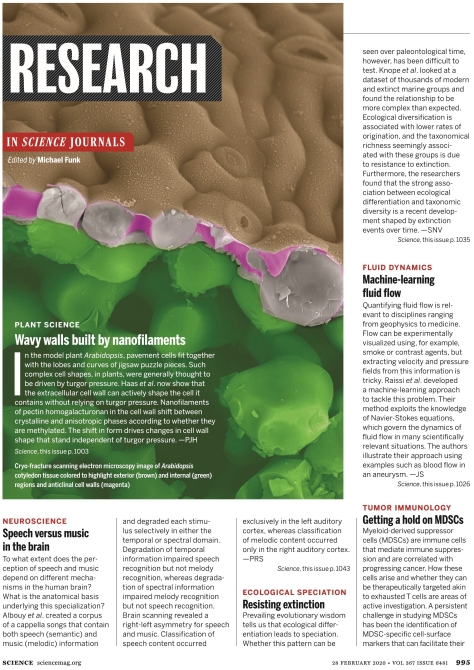
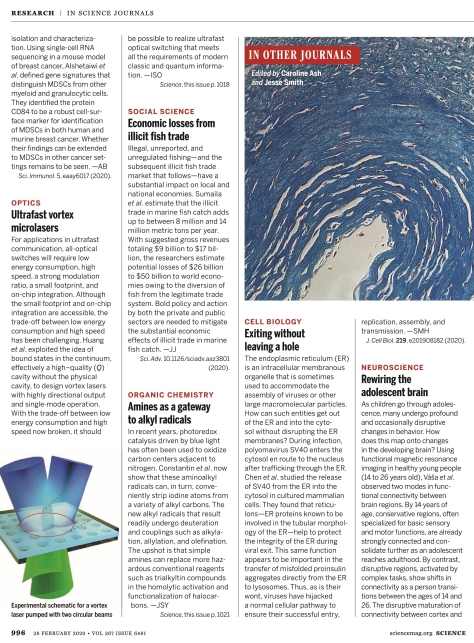
Sarah also talks with Rashid Sumaila, professor and Canada research chair in interdisciplinary ocean and fisheries economics at the University of British Columbia, Vancouver’s Institute for the Oceans and Fisheries. You may have heard of illegal fishing being bad for the environment or bad for maintaining fisheries—but as Sumaila and colleagues report this week in Science Advances, the illegal fishing trade is also incredibly costly—with gross revenues of between $8.9 billion and $17.2 billion each year.

 On this week’s show, host Joel Goldberg gets an update on the coronavirus pandemic from Senior Correspondent Jon Cohen. In addition, Cohen gives a rundown of his latest feature, which highlights the relationship between diseases and changing seasons—and how this relationship relates to a potential coronavirus vaccine.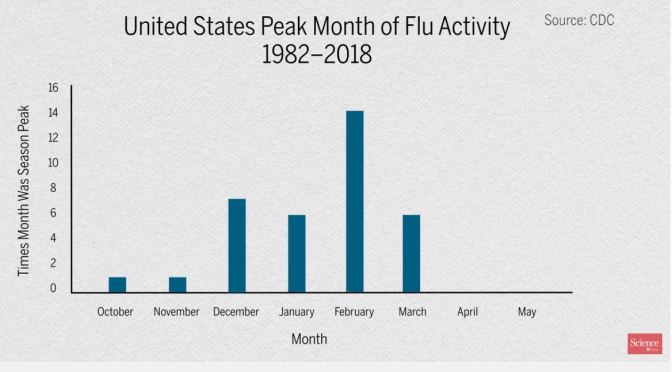

 On this week’s show, host Joel Goldberg talks with science journalist Andrew Curry about archaeological finds from thousands of years ago along the shores of Northern Europe. Curry outlines the rich history of the region that scientists, citizen scientists, and energy companies have helped dredge up.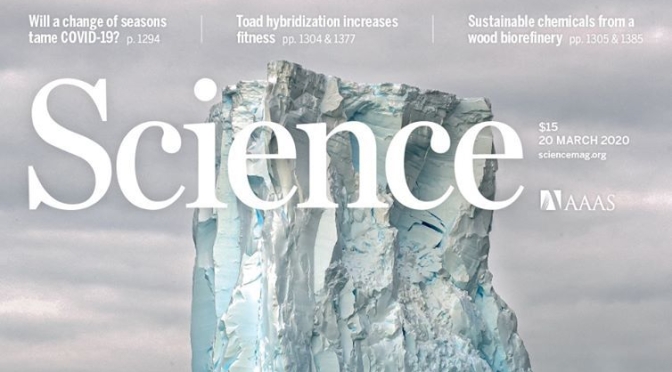

 This week on the podcast, Contributing Correspondent Lizzie Wade joins host Sarah Crespi to discuss a turning point for one ancient Mesoamerican city: Tikal. On 16 January 378 C.E., the Maya city lost its leader and the replacement may have been a stranger. We know from writings that the new leader wore the garb of another culture—the Teotihuacan—who lived in a giant city 1000 kilometers away.
  Boomers Daily