
And finally, from a recording made at this year’s AAAS annual meeting, host Meagan Cantwell talks with Jill Tarter, chair emeritus at the SETI Institute, about the newest technologies being used to search for alien life, what a positive signal would look like, and how to inform the public if extraterrestrial life ever were detected.
Tag Archives: Science Magazine
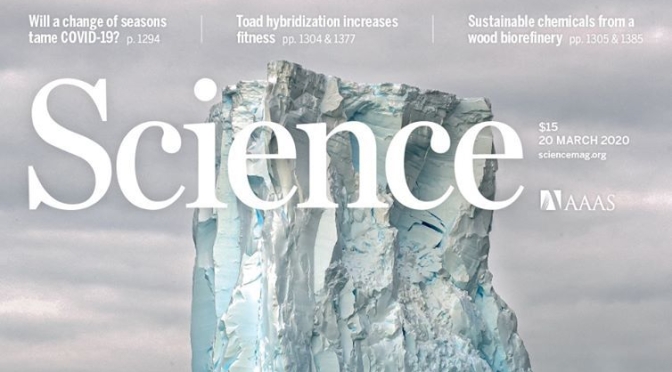
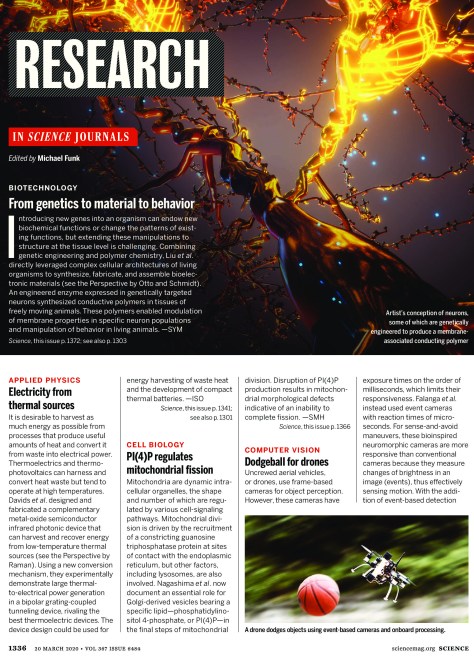
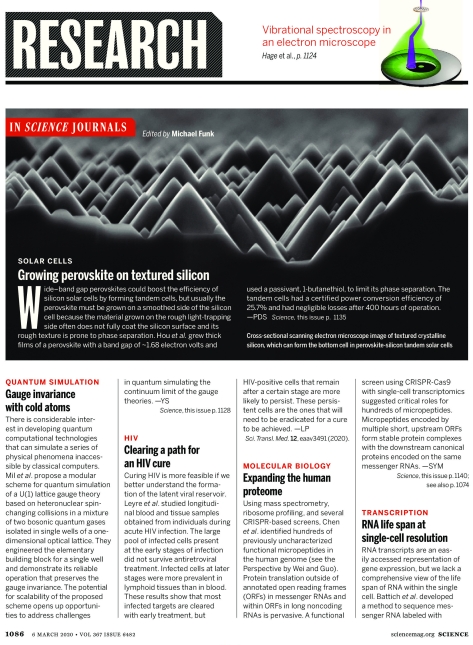
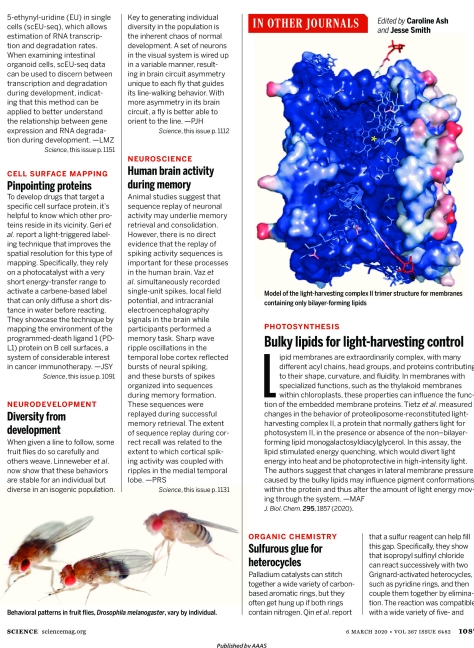
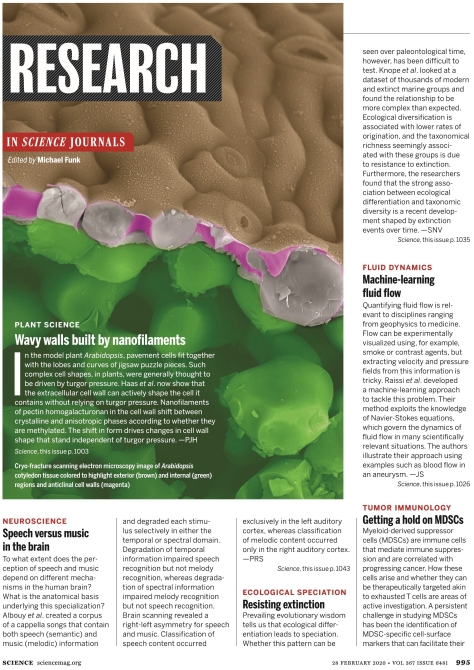
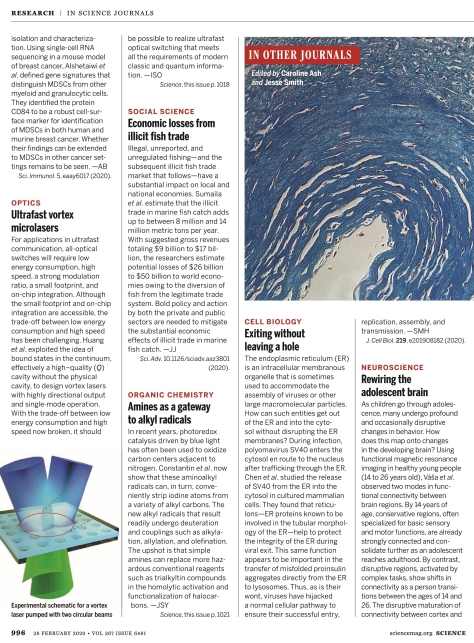
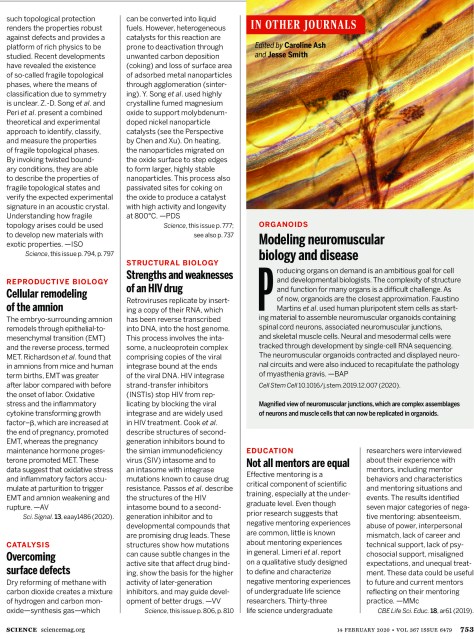
Journals: “Research Highlights” From Science Magazine (Feb 28, 2020)
Top Science Podcasts: A Greater Mayan Empire & Costs Of Illegal Fishing
But was this new ruler of a Maya city really from a separate culture? New techniques being used at the Tikal and Teotihuacan sites have revealed conflicting evidence as to whether Teotihuacan really held sway over a much larger region than previously estimated.
Sarah also talks with Rashid Sumaila, professor and Canada research chair in interdisciplinary ocean and fisheries economics at the University of British Columbia, Vancouver’s Institute for the Oceans and Fisheries. You may have heard of illegal fishing being bad for the environment or bad for maintaining fisheries—but as Sumaila and colleagues report this week in Science Advances, the illegal fishing trade is also incredibly costly—with gross revenues of between $8.9 billion and $17.2 billion each year.
Top New Science Podcasts: Bacteria Building Bricks, Solar Cells That Turn ‘Waste Heat’ To Electricity
On this week’s show, Staff Writer Robert F. Service talks with host Sarah Crespi about manipulating microbes to make them produce building materials like bricks—and walls that can take toxins out of the air.
Sarah also talks with Paul Davids, principal member of the technical staff in applied photonics & microsystems at Sandia National Laboratories, about an innovation in converting waste heat to electricity that uses similar materials to solar cells but depends on quantum tunneling. And in a bonus segment, producer Meagan Cantwell talks with Online News Editor David Grimm on stage at the AAAS annual meeting in Seattle.
They discuss how wildfires can harm your lungs, crime rates in so-called sanctuary states, and how factors such as your gender and country of origin influence how much trust you put in science.
News: Latest Research Highlights In Science Magazine (Feb 14, 2020)
Top New Science Podcasts: NIH Grant Diversity, Post-Traumatic Stress Memory Suppression (ScienceMag)
On this week’s show, senior correspondent Jeffrey Mervis joins host Sarah Crespi to discuss a new National Institutes of Health (NIH) grant program that aims to encourage diversity at the level of university faculty with the long-range goal of increasing the diversity of NIH grant recipients.
Sarah also talks with Pierre Gagnepain, a cognitive neuroscientist at INSERM, the French biomedical research agency, about the role of memory suppression in post-traumatic stress disorder. Could people that are better at suppressing memories be more resilient to the aftermath of trauma?
Science Podcasts: CRISPR & Immunotherapy, Ice Age Cave Art Dated With Wasp Nests (ScienceMag)
On this week’s show, Staff Writer Jennifer Couzin-Frankel joins host Sarah Crespi to talk about a Science paper that combines two hot areas of research—CRISPR gene editing and immunotherapy for cancer—and tests it in patients.
Sarah also talks with Damien Finch, a Ph.D. candidate in the School of Earth Sciences at the University of Melbourne, about the Kimberly region of Australia and dating its ice age cave paintings using charcoal from nearby wasp nests.
Journals: Latest Research Articles In “Science Magazine” (Jan 31 2020)
Science Podcasts: Low-Cost Cryo-Electron Microscopes & Genetic Roots Of Schizophrenia
Structural biologists rejoiced when cryo–electron microscopy, a technique to generate highly detailed models of biomolecules, emerged. But years after its release, researchers still face long queues to access these machines. Science’s European News Editor Eric Hand walks host Meagan Cantwell through the journey of a group of researchers to create a cheaper, more accessible alternative.

Also this week, host Joel Goldberg speaks with psychiatrist and researcher Goodman Sibeko, who worked with the Xhosa people of South Africa to help illuminate genetic details of schizophrenia. Though scientists have examined this subject among Western populations, much less is known about the underlying genetics of people native to Africa.
On this week’s show, Online News Editor David Grimm joins host Sarah Crespi to discuss how