
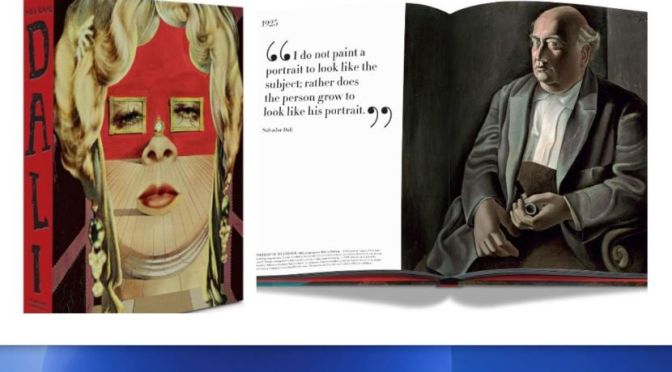
In the popular imagination, possibly no other artist’s work is more recognizable than that of Salvador Dalí. Indeed, for many he is the ultimate mad artist, whose singular vision remorselessly probed his own psychological depths. His nightmarish visions and bizarre landscapes express the angst and turbulence of the twentieth century.

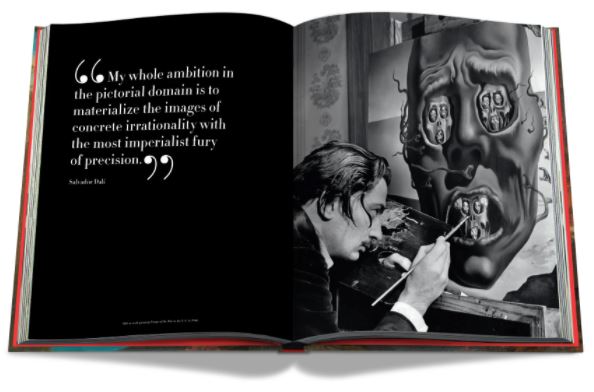

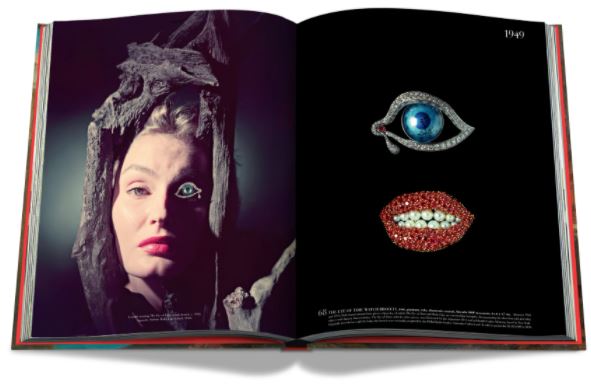
Dalí’s creativity embraced many different modes of expression and was never constrained by any one style. Over eight decades, the prodigious range of Dalí’s activity spanned every conceivable medium, from painting and drawing to sculpture, film, furniture, books, stage design and jewelry, not to mention his highly eccentric public persona, which could be considered an art form in itself.
Selected by curator and art historian Paul Moorhouse, Assouline presents Salvador Dalí: The Impossible Collection, spotlighting 100 works by this extraordinary creative mind, exploring Dalí’s inspirations and array of influences, from Old Masters to realism, Impressionism, Fauvism and Cubism as well as experimental approaches that delved into his obsessions with religion, science and stereoscopy.
Paul Moorhouse is a London-based art historian and curator. Currently chief executive of the Anthony Caro Studio, he was senior curator and head of displays at the National Portrait Gallery, London (2005–17) and senior curator at the Tate (1985–2005), where he was closely involved with the creation of Tate Modern and Tate Britain. He has curated numerous exhibitions internationally and published extensively, with books and exhibition catalogues on major modern and contemporary artists, including Anthony Caro, Salvador Dalí, Alberto Giacometti, Howard Hodgkin, Hans Hofmann, Richard Long, Gerhard Richter, Bridget Riley, Cindy Sherman and Andy Warhol.


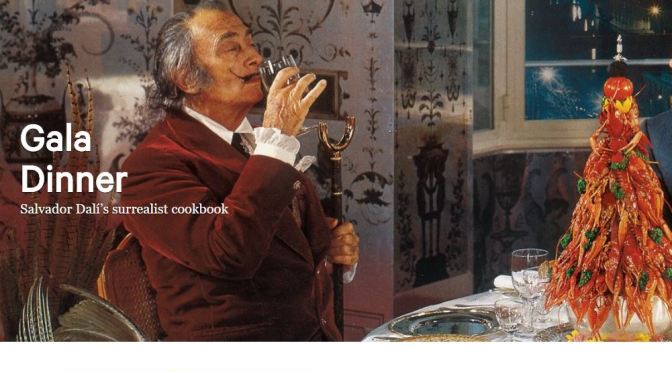
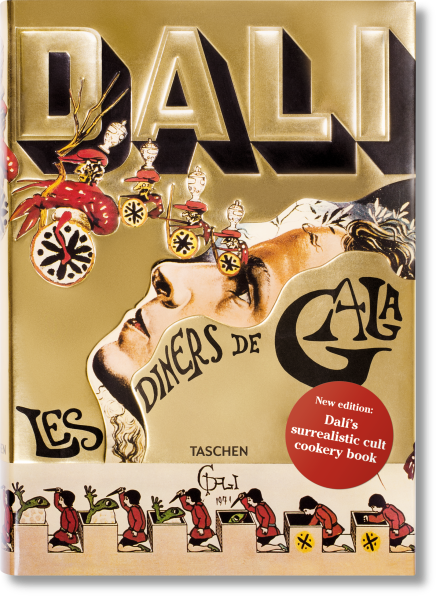 This reprint features all 136 recipes over 12 chapters, specially illustrated by Dalí, and organized by meal courses, including aphrodisiacs. The illustrations and recipes are accompanied by Dalí’s extravagant musings on subjects such as dinner conversation: “The jaw is our best tool to grasp philosophical knowledge.”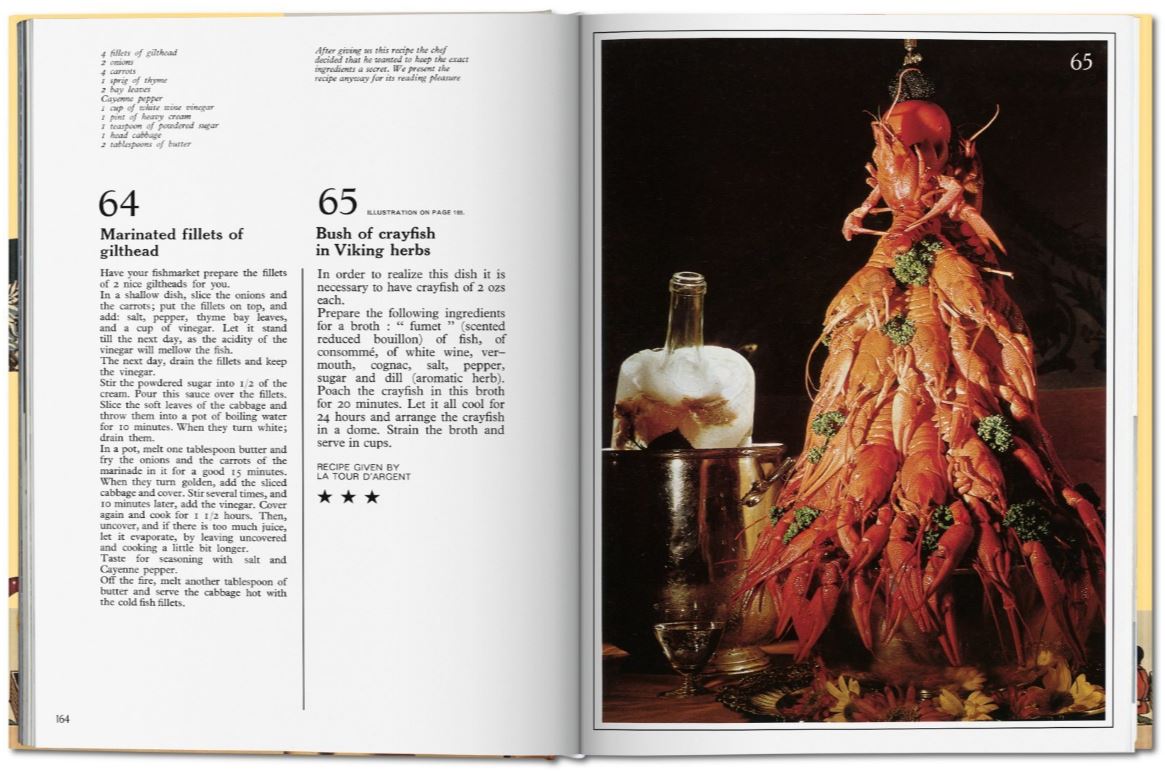
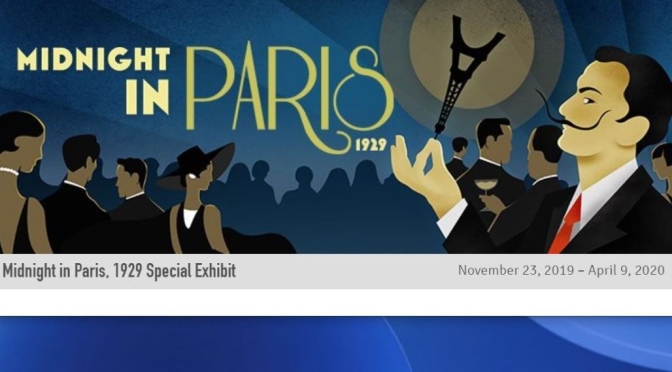
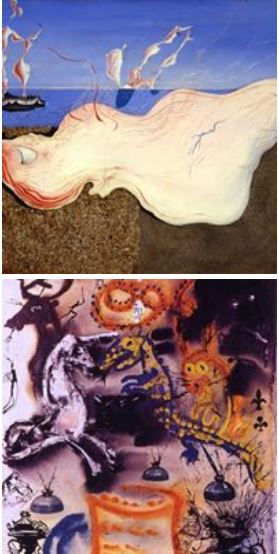 Masson, a founding Surrealist, saw the movement as an immersion “into what the German romantics call the night side of things.” However, “towards 1930,” Masson wrote, “a formidable disaster appeared in its midst: the demagogy of the irrational.” “Midnight in Paris” touches on Surrealism’s highs and lows, its darkness, poetry, beauty and banalities, reminding viewers—at the heart of the Dalí Museum, no less—that the movement is much, much more than melting watches.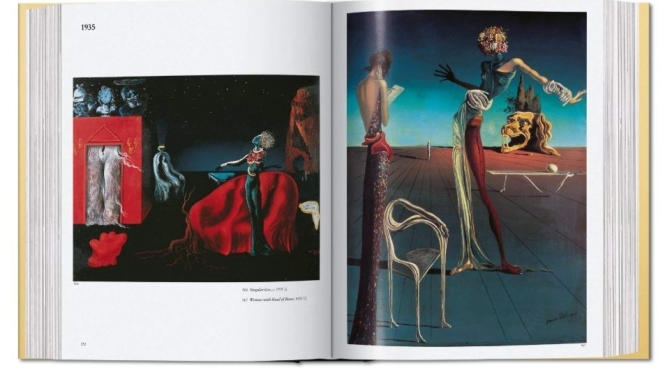
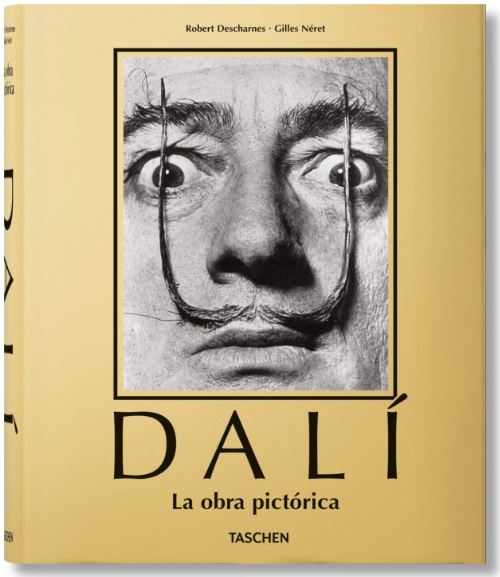 The study is divided into two parts: the first examines Dalí’s beginnings as an unknown artist. We witness how the young Dalí deployed all the isms―Impressionism, Pointillism, Cubism, Fauvism, Purism and Futurism―with playful mastery, and how he would borrow from prevailing trends before ridiculing and abandoning them. The second part unveils the conclusions of Dalí’s lifelong inquiries, as well as the great legacy he left in works such as Tuna Fishing (1966/67) or Hallucinogenic Toreador (1970). It includes previously unpublished homages to Velázquez or Michelangelo, painted to the same end as the variations on past masters done by his contemporary, Picasso.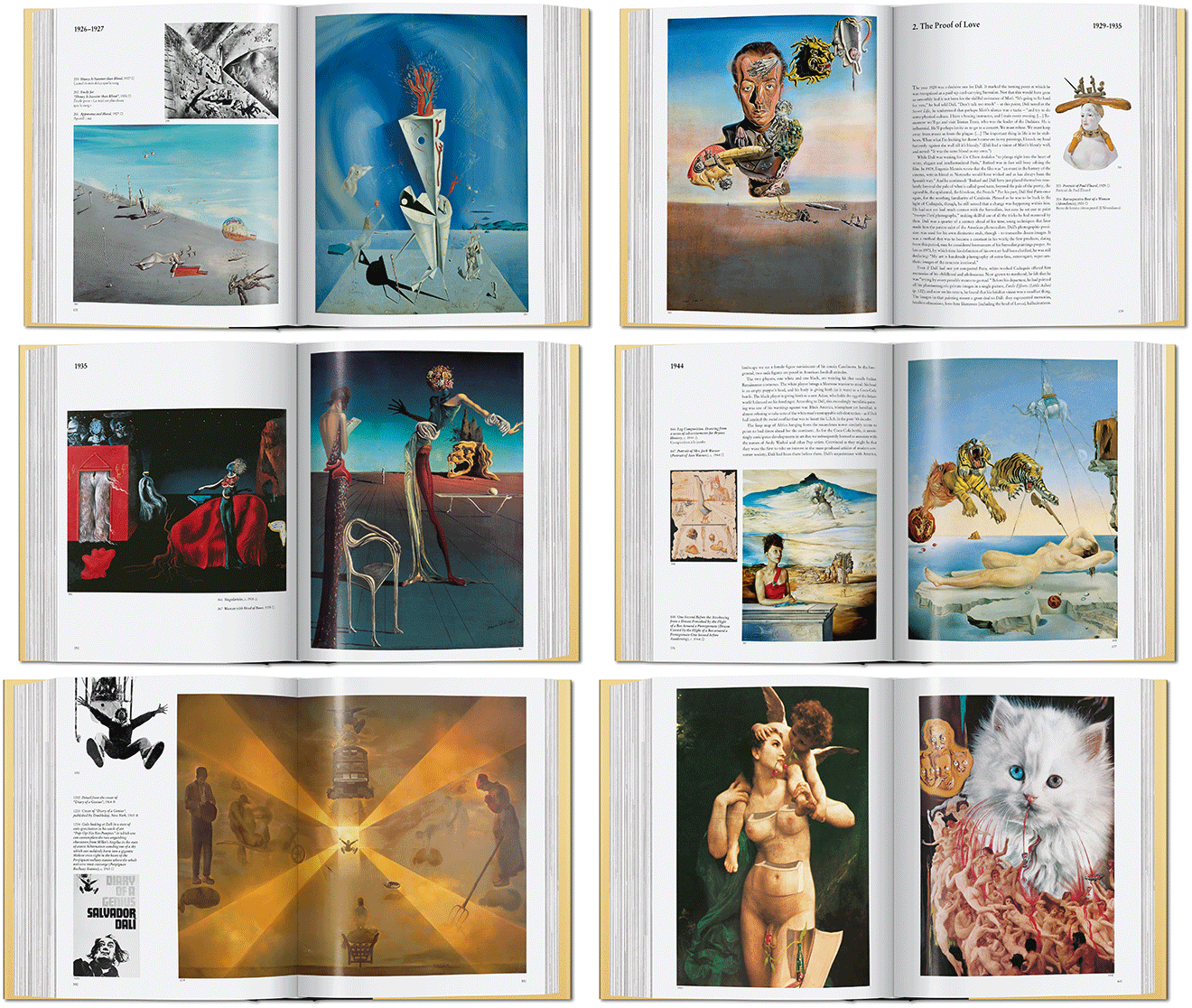
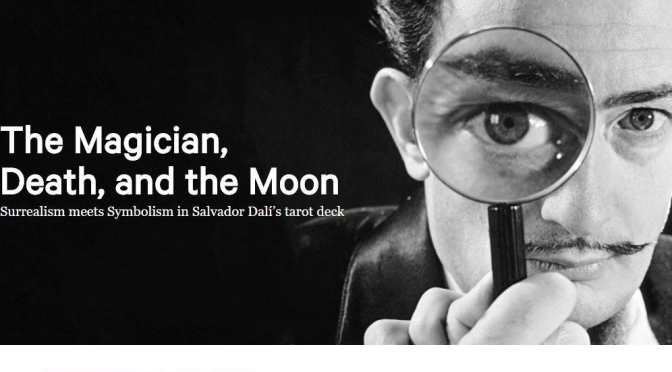
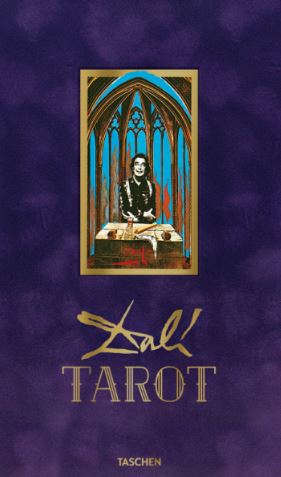 Dalí poses as the Magician, his wife Gala becomes the Empress, and the death of Julius Caesar is reinterpreted as the Ten of Swords in the artist’s extraordinary custom tarot deck. First published in a 1984 limited edition that has since long sold out, this lush box set brings back all 78 cards, each dazzling in color, along with a companion book on the making-of and practical instructions.
 Boomers Daily