Faragism and Starmerism are fronts in a global struggle between insurgent nationalism and cautious defenders of the old political order. For British democracy to triumph, the prime minister must find his voice
The press lobby is going feral—ignore it
Given the pressures of 24-hour news, lobby journalists cannot plausibly understand policy detail. Their skillset is to nose around and cause trouble
Inside the supply chain: my week on a container ship
Vessels like the Timca are the unnoticed worker ants of our global economy, bringing us the cheap food, clothes and household items we
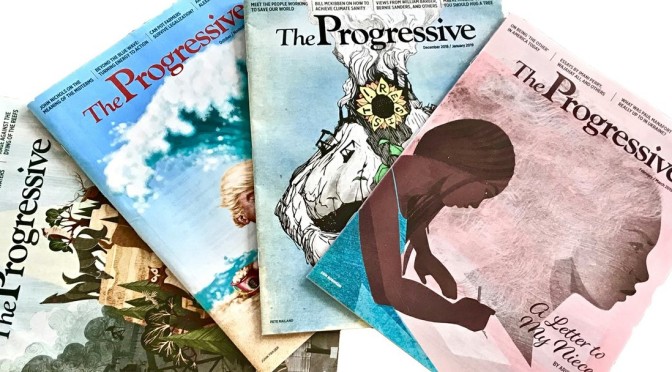
THE PROGRESSIVE MAGAZINE (January 29, 2025): The latest issue features ‘Defending Immigrants’; The Colony Problem; Indigenous Behind Bars and Universal Basic Income….
Right now, only eight states have laws explicitly requiring safe storage for guns. If we want to save lives, we need an immediate prevention plan. Read more
The non-stop English springer is still our number one working spaniel, reveals Matthew Dennison, as he delves into this enthusiastic, energetic breed
Snake, rattle and roll
Rob Crossan investigates the deeply spiritual origins of that enduring family board-game favourite Snakes and Ladders
Heard it on the radio
The wireless broke new ground as the first form of home-based mass entertainment and is still going strong in the age of the smart speaker, finds Ben Lerwill
Friends with benefits
Nematodes are a natural way to halt the march of all manner of garden pests and Charles Quest-Ritson is a convert
Mould and behold
Josiah Wedgwood was a brilliant businessman with a remarkable social conscience. Tristram Hunt assesses his life and legacy
Catch us if you can
Owain Jones sizes up six of the best as he picks out the players to watch in this year’s Guinness Six Nations rugby extravaganza
Roger Morgan-Grenville’s favourite painting
The conservation campaigner selects a work that inspired his lifelong obsession with seabirds
A Palladian premonition
Richard Hewlings offers a fresh analysis of the architecture at Bramham Park, a highly original West Yorkshire country house
The legacy
Kate Green remembers Robert FitzRoy, the founder of the Met Office whose name lives on in the BBC’s Shipping Forecast
Dear country diary
Paul Fleckney flicks through The Guardian’s Country Diary, which has offered a snapshot of rural life for more than 120 years
Interiors
The best stoves and fireplaces picked by Amelia Thorpe, plus the alternatives to burning logs
Luxury
Hetty Lintell’s top timepieces and James Haskell’s favourite things
Magnificent mahonias
Charles Quest-Ritson makes the case for mahonias, arguing that their pleasantly scented flowers are a seasonal delight
Kitchen garden cook
Melanie Johnson pairs peppery horseradish with salmon fillets
Ring-dove beauteous!
John Lewis-Stempel coos over the much-maligned wood pigeon, that canny, keen-eyed and fast-flying stalwart of our countryside
The effect of the President’s executive orders was to convey an open season, in which virtually nothing—including who gets to be an American citizen—is guaranteed. By Benjamin Wallace-Wells
Inside the Fight Against a Los Angeles Inferno
A reporter embeds with wildland firefighters during one of the deadliest blazes in California history. By M. R. O’Connor
A Witness in Assad’s Dungeons
Mazen al-Hamada fled Syria to reveal the regime’s crimes. Then, mysteriously, he went back. By Jon Lee Anderson
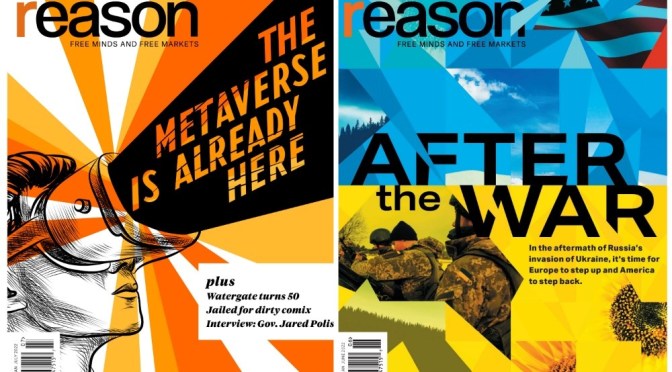
REASON MAGAZINE (January 23, 2025): The latest issue features ‘You Can’t Evict Polly’ – How the Fair Housing Act enabled the rise of emotional support parrots, frogs and emus….
HISTORY TODAY MAGAZINE (January 23, 2025): The latest issue features the destruction of medieval England’s Jews, British soldiers in the American Revolutionary War, unreported murder in East Germany, ‘mad duchess’ Elizabeth Cavendish, and more.
For the Portuguese empire to rise, an old world had to give way. Rivals in Europe’s lucrative spice trade, how much did they know about the powerful Mamluk sultanate?
Man-Devil: The Mind and Times of Bernard Mandeville, the Wickedest Man in Europe by John J. Callanan revels in the making of the controversial satirist and philosopher.
News, Views and Reviews For The Intellectually Curious


















 Boomers Daily