A new biography by Brigitta Olubas is the first to examine the life of the Australian novelist celebrated for her refined poetic fiction and acute moral vision.
Juan Villoro, who spent over two decades perfecting one book about Mexico City, recommends reading on the city he loves. “Mexico is too complex,” a visitor said. “It needs to be read.”
This week: as the exhibition Velvet Terrorism: Pussy Riot’s Russia opens at the Kling & Bang gallery in Reykjavik, Ben Luke talks to Masha Alekhina, one of the founding members of Pussy Riot, and the artist Ragnar Kjartansson, one of the co-curators of the show.
As protests continue across Iran, Aimee Dawson, The Art Newspaper’s acting digital editor, speaks to Shirin Neshat, the artist whose work expressing solidarity with women in Iran was recently installed outside the Neue Nationalgalerie in Berlin.
And this episode’s Work of the Week is by the Puerto Rican artist Gabriella Torres-Ferrer. Their 2018 sculpture—called Untitled (Value Your American Lie)—is part of a major new show at the Whitney Museum in New York, exploring art in Puerto Rico in the five years since the devastation wreaked by Hurricane Maria in 2017.
Velvet Terrorism: Pussy Riot’s Russia, Kling & Bang, Reykjavik, until 15 January 2023. Pussy Riot: Riot Days, National Theatre of Iceland, Reykjavik, 25 November. Proceeds from the concert and the exhibition go to supporting Ukraine. You can hear an in-depth interview with Ragnar Kjartansson from 2020 on our sister podcast A brush with… on the usual podcast platforms.No existe un mundo poshuracán: Puerto Rican Art in the Wake of Hurricane Maria, Whitney Museum of American Art, New York, until 23 Apr 2023.
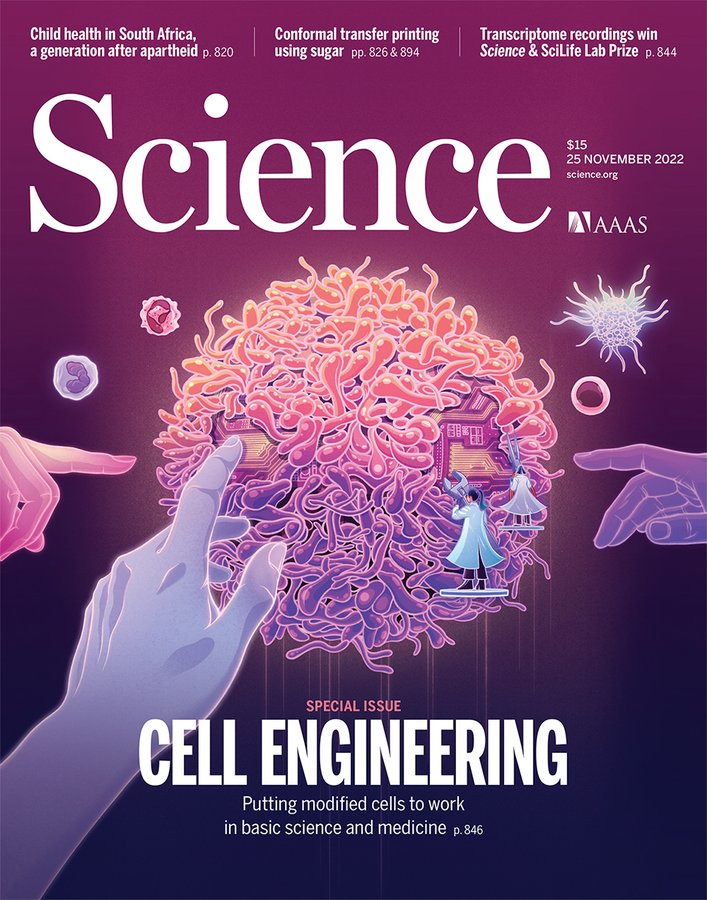
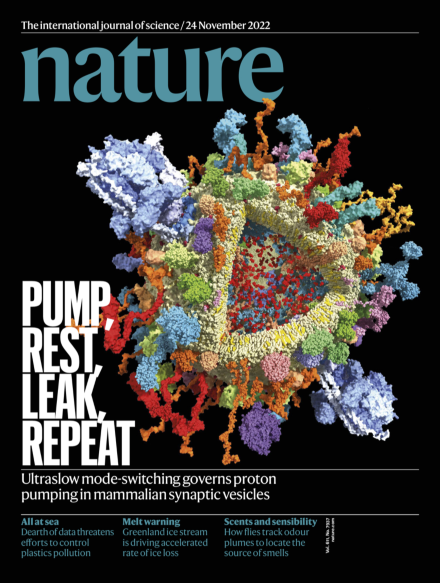
The successful use of engineered white blood cells (cells that are removed from the human body, modified with receptors that allow them to recognize cancer cells, and then returned to the body) to fight and eliminate tumor cells has frequently been called revolutionary and has even allowed researchers the rare opportunity to refer to a cure for certain cancers.
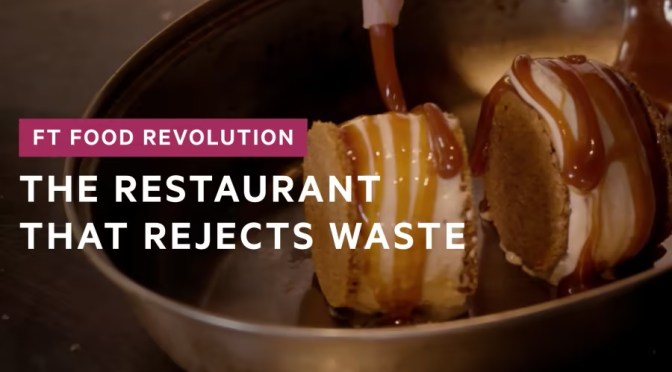
Financial Times – The FT’s Daniel Garrahan and food critic Tim Hayward visit Silo, a ‘zero waste’ restaurant in Hackney, which rejects the bin, makes ice cream from waste bread, turns seaweed into pendant lighting and ‘upcycles’ used wine bottles
SILO BEGAN IN AUSTRALIA IN 2011 WITH ARTIST JOOST BAKKER WHO PROPOSED THE IDEA OF ‘NOT HAVING A BIN’… FROM THAT POINT SILO’S CHEF AND OWNER HAS BUILT THE BUSINESS UP TO BEING THE WORLD’S FIRST ZERO WASTE RESTAURANT.
SILO IS A RESTAURANT CONCEIVED FROM A DESIRE TO INNOVATE THE FOOD INDUSTRY WHILST DEMONSTRATING RESPECT: RESPECT FOR THE ENVIRONMENT, RESPECT FOR THE WAY OUR FOOD IS GENERATED AND RESPECT FOR THE NOURISHMENT GIVEN TO OUR BODIES. THIS MEANS WE CREATE EVERYTHING FROM ITS WHOLE FORM, CUTTING OUT FOOD MILES AND OVER-PROCESSING, WHILST PRESERVING NUTRIENTS AND THE INTEGRITY OF THE INGREDIENTS IN THE PROCESS.
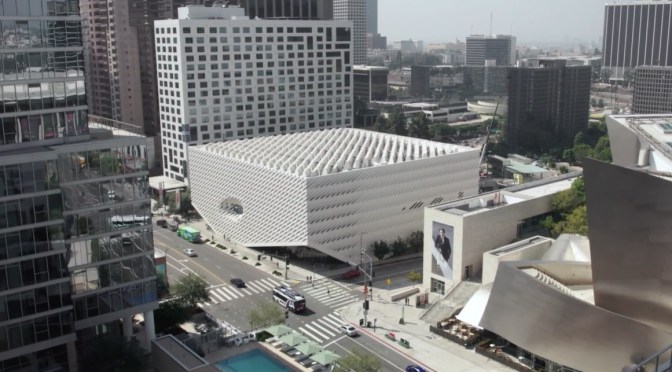
Dezeen – Architect Elizabeth Diller explains how The Broad Museum in Los Angeles was designed to feel “extremely welcoming” in the next instalment of Dezeen’s Concrete Icons series produced in collaboration with Holcim.
The video features The Broad in Los Angeles designed by Diller’s studio Diller Scofidio + Renfro, a three-storey museum that houses an expansive collection of contemporary and post-war artworks. Speaking to Dezeen in an exclusive video interview filmed at the Diller, Scofidio + Renfro office in New York City, Diller explained how the building was designed to feel inviting to visitors with a porous facade that allows light to be gently diffused into the gallery.
“It doesn’t really feel like a traditional museum,” Diller said. “There’s no sense of authority. When you step off the street, no one tells you where to go. There’s no information desk, there’s no admissions desk. You don’t pay, it’s free. It feels extremely welcoming.”
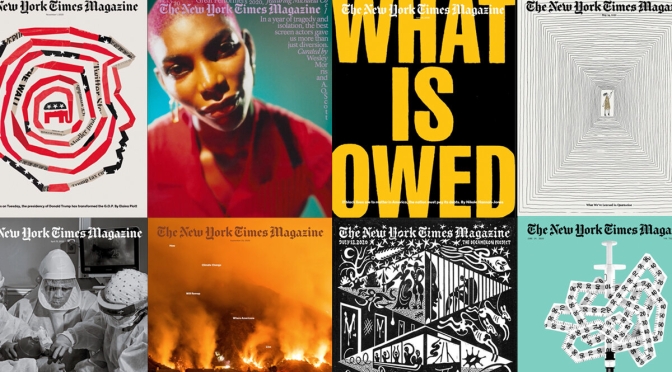
November 27, 2022: In this issue, Jesse Barron on the San Francisco judge whose ruling in juvenile court came back to haunt him; Caity Weaver on her stay in the “world’s quietest room”; Jon Mooallem on the director Noah Baumbach and his new movie, “White Noise”; and more.
In 1981, Anthony Kline helped send a juvenile offender to prison for four decades. This year, in a twist of fate, he had a chance to decide her case again.
When the world shut down in 2020, the filmmaker found solace in Don DeLillo’s supposedly unadaptable novel — and turned it into a film that speaks to our deepest fears.
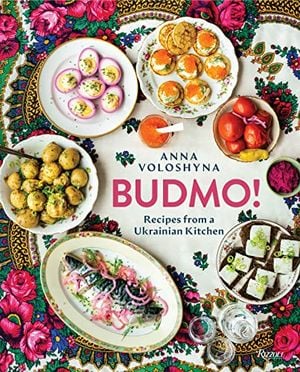
In this colorful cookbook you’ll find recipes for dishes like cold borscht, dark cherry varenyky and sweet pumpkin rice kasha from Ukrainian native Anna Voloshyna, who moved to California in 2011. Known for hosting pop-up dinners and cooking classes, Voloshyna is also a food stylist, photographer and blogger. In her debut cookbook, she offers modern and American spins on the typical dishes she grew up with, and she also includes details like food origins, customs and traditions in each recipe’s headnote. Budmo, which is how Ukrainians say “cheers,” shares the country’s complicated history that has led up to the current war, while simultaneously celebrating its varied and vibrant cuisine.
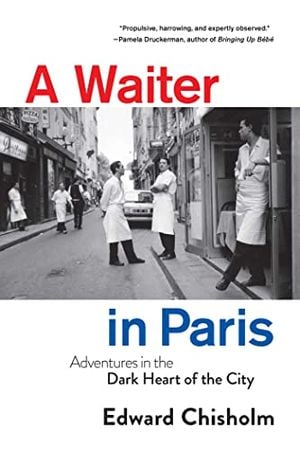
“It’s the boundary between two worlds: the Paris you see and the Paris you don’t,” writes Edward Chisholm, an Englishman who moved to Paris in 2012 and spent several years as a waiter while trying to build up his writing career. Now, his debut book, a no-holds-barred memoir detailing his time waiting tables in one of the world’s hottest restaurant cities, reveals what really goes on behind the scenes of fine dining establishments. This book is the next generation of Anthony Bourdain’s Kitchen Confidentialand Stephanie Danler’s Sweetbitter, with Chisholm exposing the often-shocking mayhem of the restaurant kitchen in visceral detail. He deftly uses the Parisian restaurant as a microcosm for France as a whole, with immigrants, people of color and blue-collar workers at the bottom of the food chain.
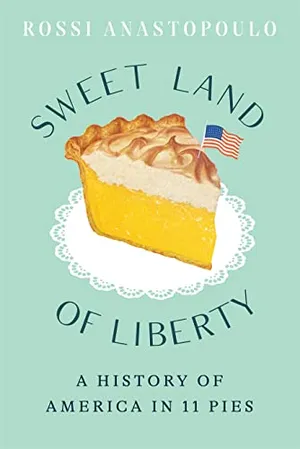
Ever wonder how apple pie became a symbol of America? Food writer and editor Rossi Anastopoulo slices into the history of pie in the good ol’ US of A, from pumpkin pie on Thanksgiving to apple pie on Independence Day, using the iconic American dessert to tell the story of a country. Still, it’s not all sweet, as she details how molasses pie traces its origin to slavery and Jell-O pie reveals the history of gender disparity in our country. All in all, Anastopoulo shares interesting facts behind 11 all-American pies, like how the first recipe for American apple pie appeared in a 1796 cookbook called American Cookery, which is believed to be the first cookbook ever published in the newly minted United States. The book includes a recipe for each pie, too.
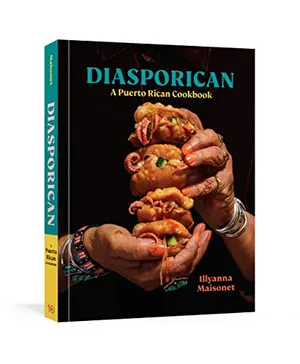
Part memoir and part cookbook, this debut from our country’s first Puerto Rican food columnist Illyanna Maisonet dives into the author’s personal family recipes, which she painstakingly documented from her extended relatives through the years, and also includes her interpretation of dishes by Puerto Rican friends, chefs and roadside food vendors. There are 90 recipes including traditional Puerto Rican dishes like tostones, pernil and mofongo. Other highlights include sloppy joes and sancocho. But more than just the recipes, Maisonet shares how migration and colonization have influenced and progressed Puerto Rican food, ingredients and techniques. In explaining why her family wraps their pasteles in foil, Maisonet writes in her intimate, conversational style, “When you think of my grandma coming to Sacramento as a 17-year-old mother of two in 1956, you have to wonder where the hell would she have found banana leaves in Northern California?” She posits that this progression is no less authentic than the original method, and that the resourcefulness of Puerto Ricans has evolved their cuisine into what it is today: dynamic and delicious.

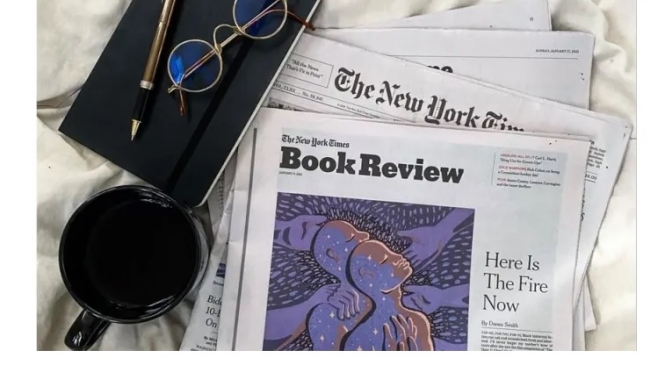
 Illustration by Eleanor Taylor









 Boomers Daily