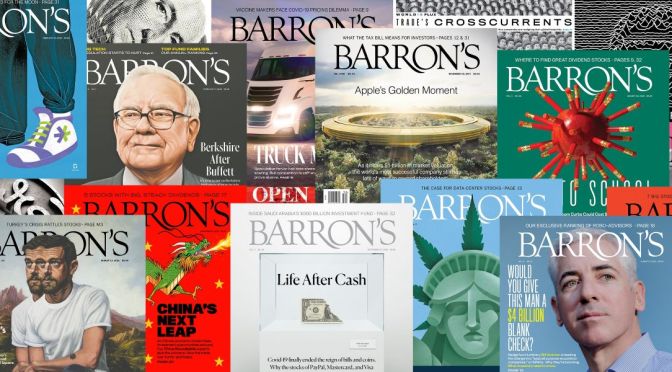
What to Buy Right Now: 42 Picks From Our Roundtable Pros
Panelists are split on where the economy and markets are headed, but agree this year’s selloff has left plenty of bargains.
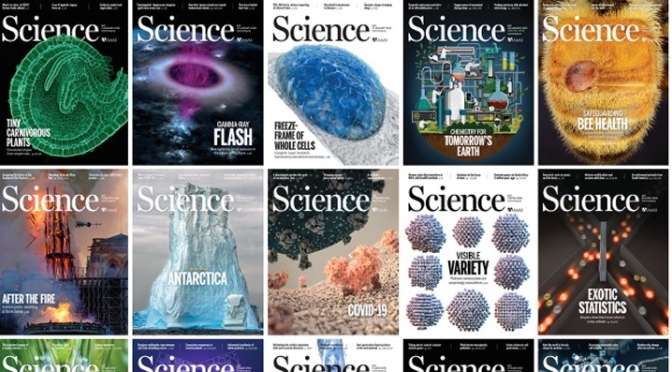
COVER: Voltage pulses from the tip of a scanning probe microscope induce single-molecule chemical reactions with selectivity and reversibility. Different constitutional isomers (distinguished here in shades of red, orange, and yellow) are selected by the polarity and magnitude of the voltage pulse. The findings advance the understanding of tip-induced chemistry and reduction-oxidation reactions in general. See pages 261 and 298.
Check out what’s new this week in Science: https://fcld.ly/uc4b5kh

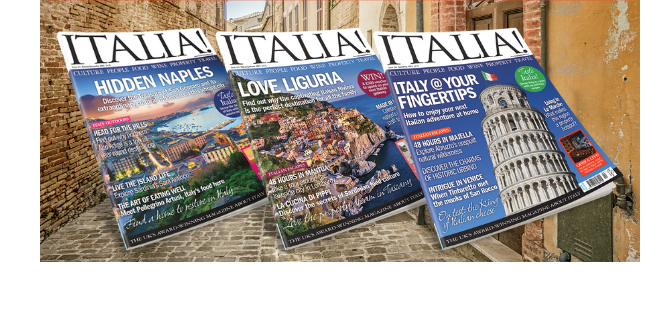
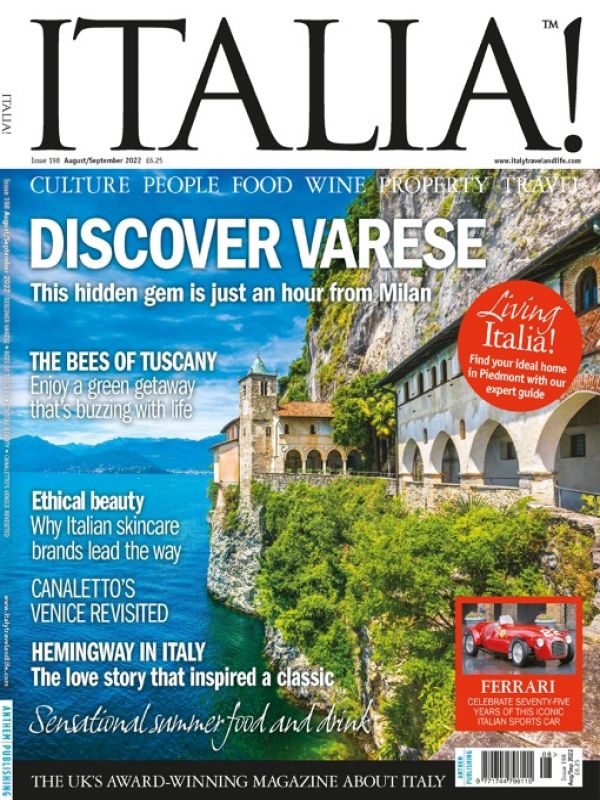
Italy is so liberally sprinkled with castles, it’s difficult to choose just a few favourites. From solid medieval stone affairs to elegant 19th-century palaces, the nation has a dizzyingly diverse collection of castelli, many of which offer a palpable sense of their region’s unique history and culture. In this feature, however, we’ve risen to the challenge and combed the country to bring you a smattering of the very best castles to visit today (and a few that you can stay in!). Today these fortifications offer wide-ranging reasons to stop by, so whether you fancy soaking up the atmosphere and views, basking in the cultural heritage or enjoying produce from the local vines, one of these places is certain to enhance your next trip to Italy. And if you really love Italian castles, turn the page for options that are available to buy, so you can live the dream like true royalty.

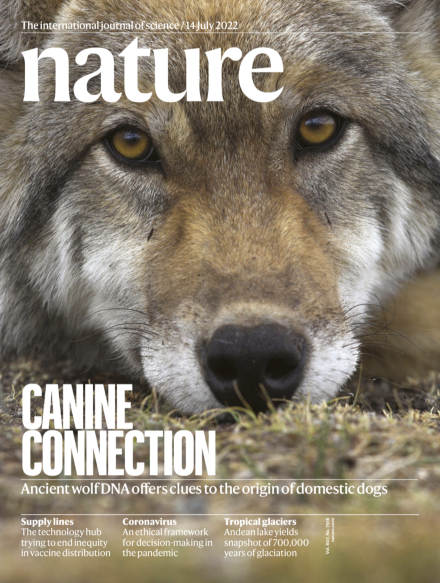
Nature Magazine – July 14, 2022 Issue
Although the domestic dog can trace its origins to the grey wolf (Canis lupus), exactly when, where and how domestication happened has remained a source of debate. In this week’s issue, Anders Bergström, Pontus Skoglund and their colleagues, take a step towards resolving this question. The researchers analysed the genomes of 72 ancient wolves from across Europe, Siberia and North America, and spanning the past 100,000 years. They found that dogs are most closely related to ancient wolves from eastern Eurasia but that dogs in the Near East and Africa derive
up to half their ancestry from a distinct population related to modern southwest Eurasian wolves. Although none of the genomes analysed was a direct match for either dog ancestry, the researchers say that it has narrowed down where next to look for the ancestors of domestic dogs.
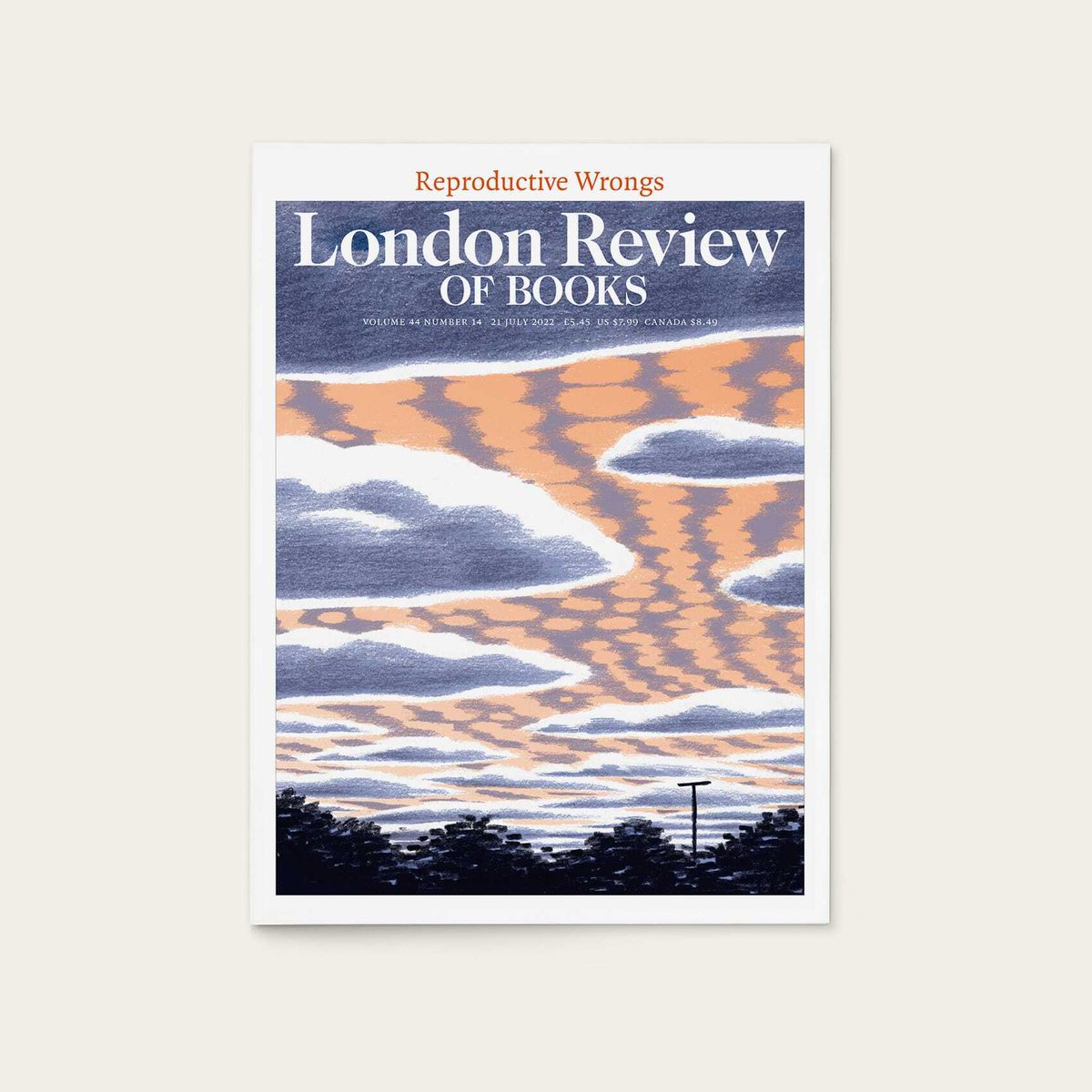
Our new issue is now online, featuring 29 responses to the overturning of Roe v. Wade, Barbara Newman on medieval sanctuary, @moonjets on Shelley, Mimi Jiang on the end of Shanghai’s lockdown and @mmschwartz on the Bataclan verdict. https://lrb.co.uk
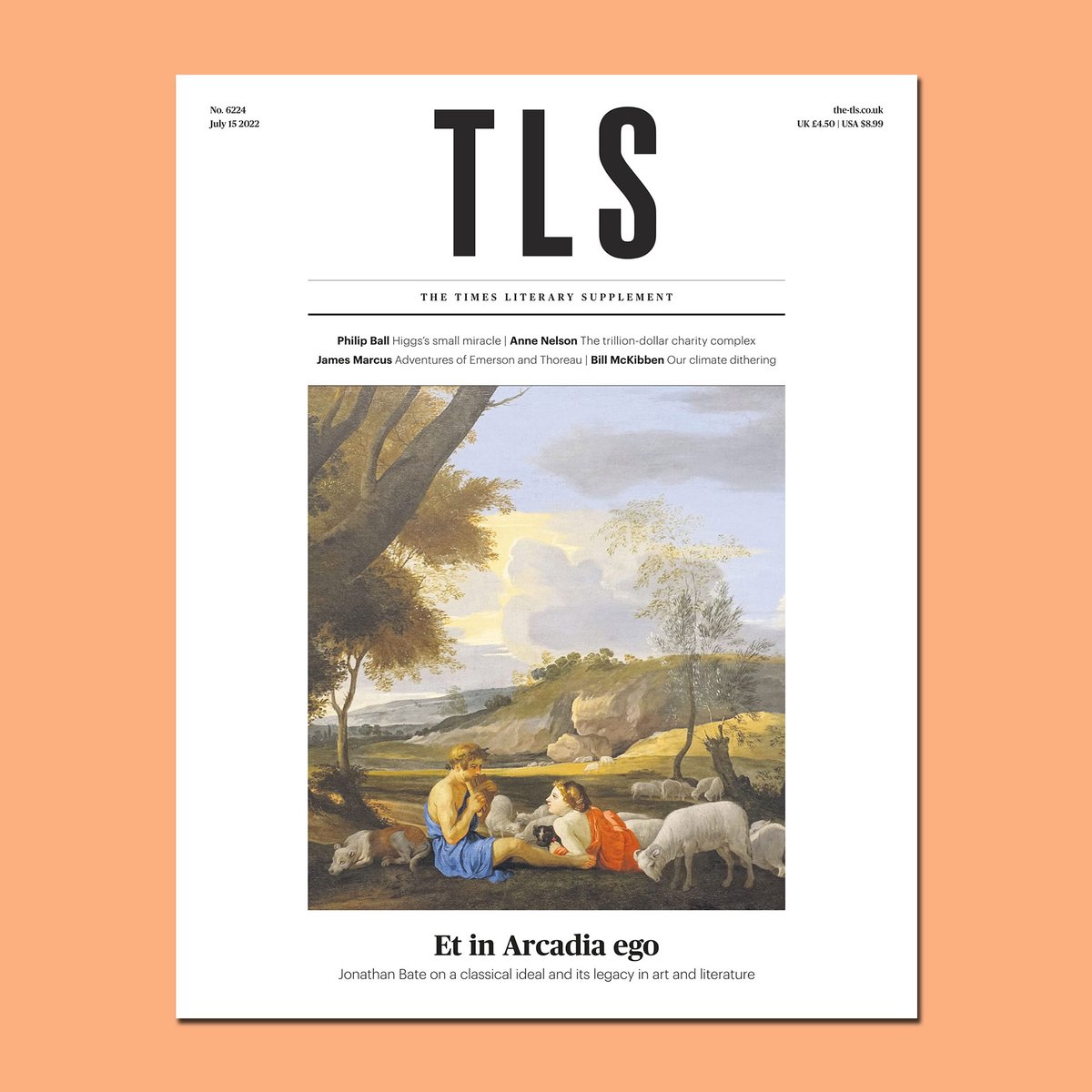
This week’s TLS, featuring @profbate on Arcadia in art and literature; @philipcball on Peter Higgs; @anelsona on philanthropy and inequality; @billmckibben on our climate turning point; @jamesamarcus on Emerson and Thoreau; @ScurrRuth on open-air painting – and more.
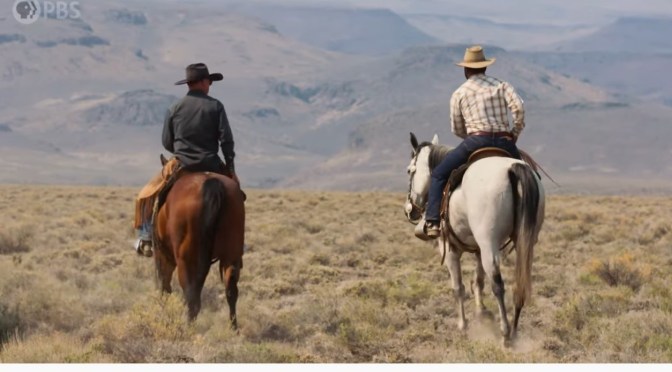
America Outdoors with Baratunde Thurston: Episode 2 | Idaho: Tied to the Land Life on the American frontier is evolving. To find out how, and what it means, Baratunde Thurston ventures into the wilds of Idaho in search of its outdoor culture. He finds ranchers and backcountry pilots sharing the wilderness with newly resettled refugees, and sees how climate change is playing havoc with the age-old salmon fishery.

President Biden revealed the NASA telescope’s image of ancient galaxies whose light has been traveling 13 billion years to reach us.
For two and a half years, risks of contagion have justified restrictions on public life around the world, at times tipping towards punitive control and attacks on civil liberty. The essays in this issue examine some of the forces that encroach upon public spaces, whether they be the economic imperatives that govern late capitalist cities or anti‑democratic political regimes that grab common land. The affordances of public spaces are never singular and neither are their publics. The voices in this issue question assumptions about who – or what – the monolithic ‘public’ is, advocating spaces that make room for difference. Also featured are the commended projects of the inaugural AR Public awards, which take us from Paris, Dhaka, and Guiyuan Village in China, to Singapore, London and Bangkok. Public spaces are complex and often imperfect – a ‘versatile, if unevenly distributed, resourcescape’, to use Álvaro Sevilla-Buitrago’s phrase – but as the pandemic continues, it is crucial that designers and publics continue to negotiate them.
Keynote: Publicity, Álvaro Sevilla-Buitrago
Reputations: Michael Sorkin, Kate Wagner
Unceded land, unpublic use, Timmah Ball
Reclaiming Asunción, Laurence Blair
Pockets of promise in Gugulethu, Kathryn Ewing
Outrage: Legacies of Covid-19 in Shanghai, Flora Ng