Tag Archives: Podcast Interviews

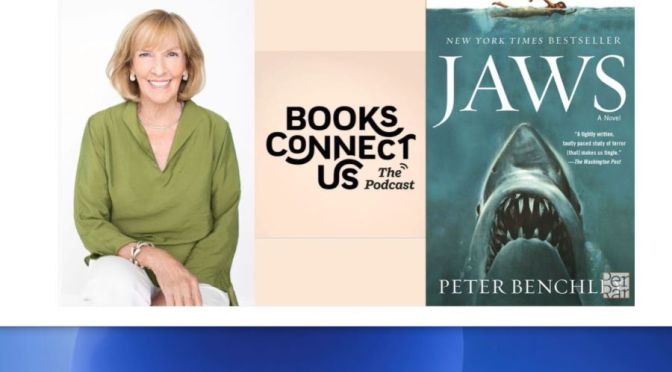
New Interviews: Wendy Benchley On Legacy Of Peter Benchley’s “Jaws”

Wendy Benchley is a marine and environmental conservation advocate, and former councilwoman from New Jersey. Her husband Peter Benchley was the famed author of JAWS, the classic suspense novel of shark versus man, which was made into the blockbuster Steven Spielberg movie. The Jaws phenomenon changed popular culture and continues to inspire a growing interest in sharks and the oceans today. Today Wendy Benchley joins our producer Pat Stango to discuss the legacy of JAWS, how its story still resonates in the events of today, and why ocean conservation is something she still fights for.

Jaws is a 1974 novel by American writer Peter Benchley. It tells the story of a great white shark that preys upon a small resort town and the voyage of three men trying to kill it. The novel grew out of Benchley’s interest in shark attacks after he learned about the exploits of shark fisherman Frank Mundus in 1964. 
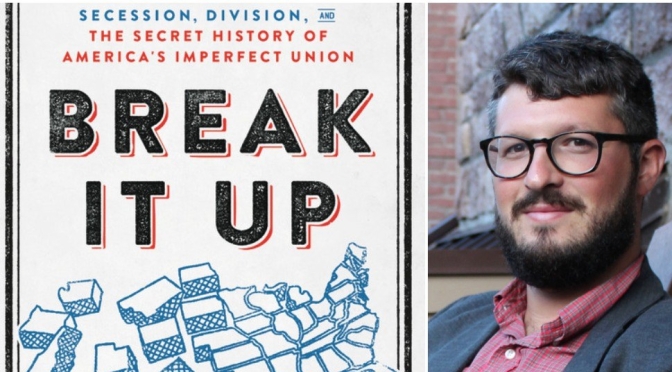
Interviews: “Break It Up ” Author Richard Kreitner: America’s Imperfect Union

“Disunion—the possibility that it all might go to pieces—is a hidden thread through our entire history,” the journalist and historian Richard Kreitner writes in Break It Up: Secession, Division, and the Secret History of America’s Imperfect Union. 

 “Our refusal to recognize this, like patients who insist, against all evidence, that they are not ill, has been a major cause of our political dysfunction and social strife. Secession is the only kind of revolution we Americans have ever known and the only kind we’re ever likely to see.” On this episode of The World in Time, Lewis H. Lapham and Kreitner start at the beginning of the United States of America and trace this history of disunion up to the present. Lewis H. Lapham speaks with Richard Kreitner, author of “Break It Up: Secession, Division, and the Secret History of America’s Imperfect Union.”

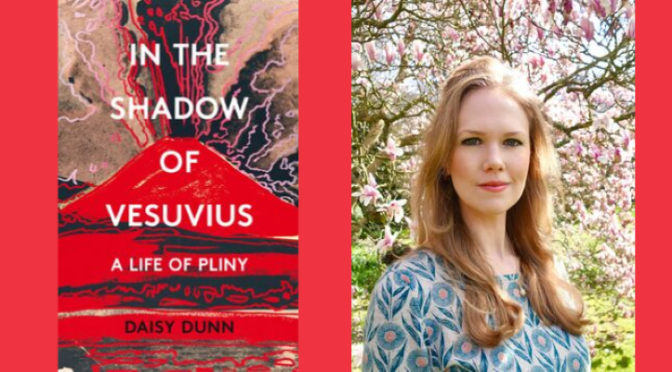
Interview: English Author Daisy Dunn – “Legacies Of Pliny The Elder, Younger”

In the year 79 CE, Pliny the Elder set out to investigate a large cloud of ash rising in the sky above the Bay of Naples. It was the eruption of Vesuvius, and Pliny did not survive. 

“I think we can all empathize with someone who’s like a son, or in this case, an adopted son, trying to kind of make his own mark and escape the shadow of his father, and leave something on the world of his own.”

A trailblazing naturalist, he is best remembered today for his multivolume encyclopedia of Natural History,and we are able to retrace his final hours thanks to a vivid account by his nephew, Pliny the Younger. Inspired by his beloved uncle, the young Pliny became a lawyer, senator, poet, and representative of the emperor. His published letters are fascinating reflections on life and politics in the Roman Empire.

In this episode, Daisy Dunn, classicist and author of The Shadow of Vesuvius: A Life of Pliny,and Kenneth Lapatin, curator of antiquities at the Getty Museum, discuss the two Plinys and their profound impact on our understanding of ancient Rome.

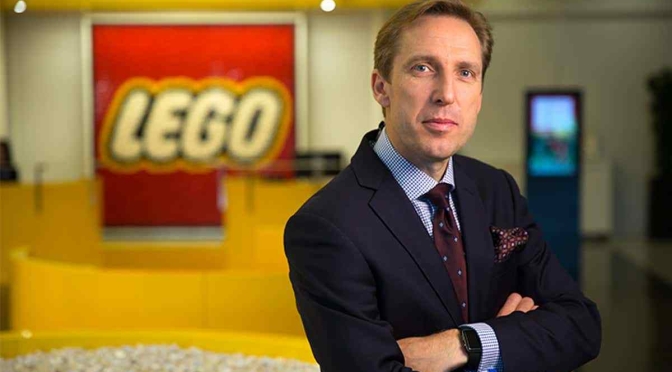
Podcast Interviews: Lego Foundation CEO John Goodwin – “Reimagining”

Monocle’s editor in chief, Tyler Brûlé, is joined by John Goodwin, the CEO of the Lego Foundation, from its home city of Billund in Denmark. We learn why the global crisis in education might be an opportunity to reimagine learning and to rediscover the value of play.

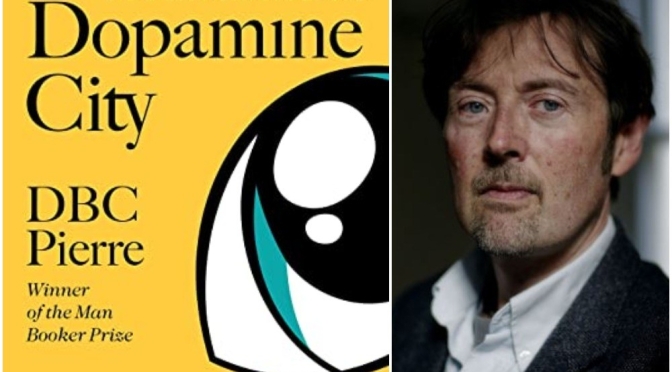
Podcast Interviews: Australian Writer DBC Pierre – “Dopamine City”

Georgina Godwin talks to DBC Pierre, who won the Booker prize with his debut novel ‘Vernon God Little’. He has gone on to write five more books, including his latest: dystopian satire ‘Meanwhile in Dopamine City’. It is a darkly funny, brilliantly clever and utterly terrifying vision of technology in our near future

DBC Pierre is an Australian writer who wrote the novel Vernon God Little. Pierre was born in South Australia in 1961, before moving to Mexico, where he was largely raised.

Podcast Interviews: Bill Gates On Covid-19, Joe Biden & Funding Vaccines

Our editor-in-chief Zanny Minton Beddoes asks the philanthropist and co-founder of Microsoft what it will take to defeat the coronavirus. They talk about why a Biden presidency might not transform America’s prospects of defeating the pandemic. 

And, as rich countries scramble to be front of the queue for vaccines, should it be down to charitable billionaires to fund vaccinating the world’s poorest?

New Podcast Interviews: “Fever-Tree” Tonic Mixer CEO Tim Warrillow

Monocle 24’s “The Entrepreneurs”: Tim Warrillow is the co-founder and CEO of Fever-Tree, the premium drinks and mixers brand he launched with Charles Rolls in 2005. As you’ll hear, the pair went to the ends of the Earth to find the best ingredients possible.

Plus: Black Tomato co-founder, Tom Marchant, discusses the future of luxury travel.

New Podcast Interviews: “Crunch Fitness” CEO Jim Rowley – Reopening Gyms

Bloomberg Businessweek talks with Jim Rowley, Chief Executive Officer at Crunch Fitness discusses how gyms can safely reopen amid the pandemic.

Crunch Fitness is a chain of over 300 franchised fitness clubs located in the United States, Canada and Australia.

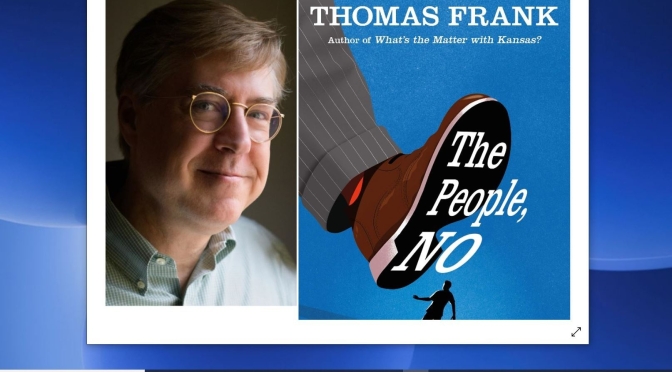
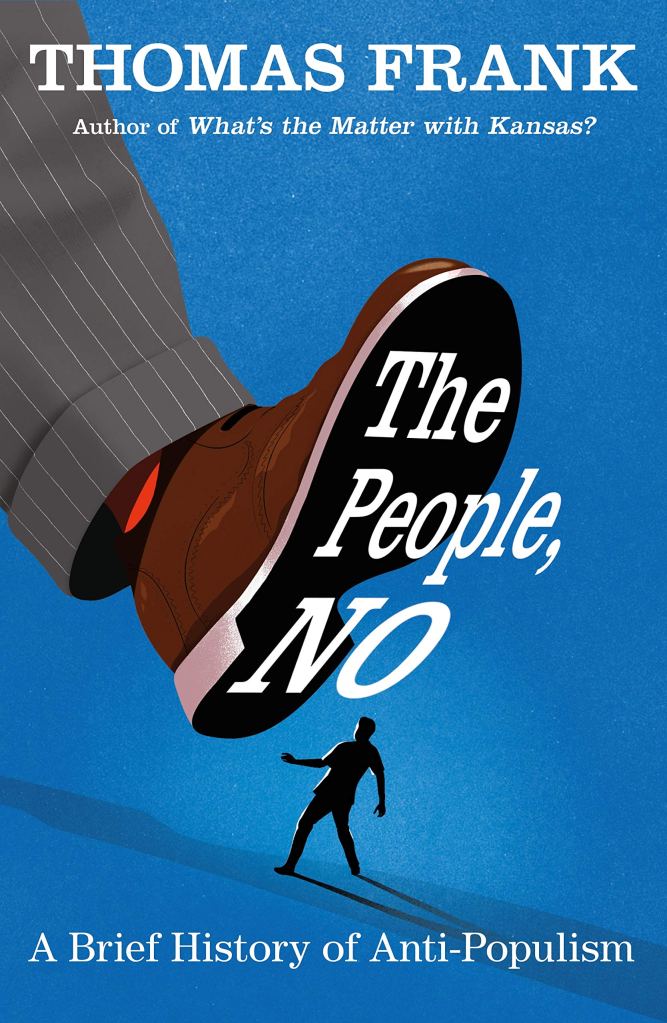
Top Podcast Interviews: Thomas Frank, Author Of “The People, No: A Brief History Of Anti-Populism”

Lewis H. Lapham speaks with Thomas Frank, author of “The People, No”, an eye-opening account of populism, the most important―and misunderstood―movement of our time. 

Rarely does a work of history contain startling implications for the present, but in The People, No Thomas Frank pulls off that explosive effect by showing us that everything we think we know about populism is wrong. Today “populism” is seen as a frightening thing, a term pundits use to describe the racist philosophy of Donald Trump and European extremists. But this is a mistake.

The real story of populism is an account of enlightenment and liberation; it is the story of American democracy itself, of its ever-widening promise of a decent life for all. Taking us from the tumultuous 1890s, when the radical left-wing Populist Party―the biggest mass movement in American history―fought Gilded Age plutocrats to the reformers’ great triumphs under Franklin Roosevelt and Harry Truman, Frank reminds us how much we owe to the populist ethos. Frank also shows that elitist groups have reliably detested populism, lashing out at working-class concerns. The anti-populist vituperations by the Washington centrists of today are only the latest expression.

Frank pummels the elites, revisits the movement’s provocative politics, and declares true populism to be the language of promise and optimism. The People, No is a ringing affirmation of a movement that, Frank shows us, is not the problem of our times, but the solution for what ails us.

Podcast Interviews: 57-Year Old German Violinist Anne-Sophie Mutter

Monocle 24 - The Big Interview PodcastViolinist Anne-Sophie Mutter is one of the world’s pre-eminent classical soloists. For 40 years the German performer has collaborated with distinguished composers and musicians, winning numerous awards. She talks to Monocle’s Robert Bound about Beethoven, her Stradivarius and sending biscuits to John Williams.
 

Anne-Sophie Mutter (born 29 June 1963) is a German violinist. She was supported early in her career by Herbert von Karajan, and has had several works composed especially for her, by Sebastian Currier, Henri Dutilleux, Sofia Gubaidulina, Witold Lutosławski, Norbert Moret, Krzysztof Penderecki, André Previn, Wolfgang Rihm, John Williams and others.

News, Views and Reviews For The Intellectually Curious