
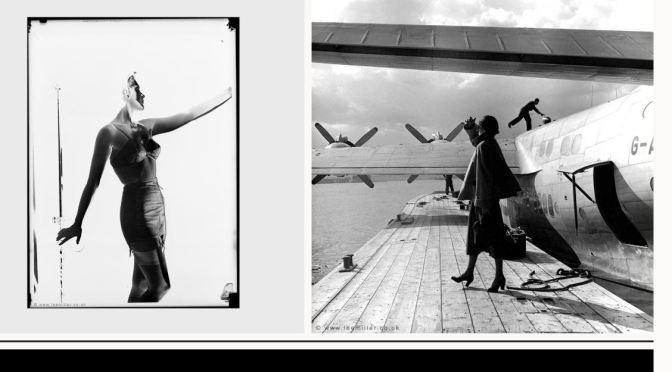
 The Surrealist eye informed everything Miller did, and her work presents the world in a way that encourages us to view it in a different manner. Written and collected by her son Antony, Surrealist Lee Miller amasses more than one hundred full-page images from throughout the artist’s life as an attestation to her wonderful way of seeing.
A Surrealist before she even knew of the movement, Lee Miller was one of the most original photographic artists of the twentieth century. David E. Scherman, LIFE photographer and Miller’s close friend, described her as “caustically brilliant, yet totally loyal, unpretentious, human and intolerant of sham.
She was a consummate artist and a consummate clown; at once an upstate New York hick and cosmopolitan grande dame; a cold, soignée fashion model and a hoyden. . . . She was the nearest thing I knew to a mid-20th century renaissance woman.”
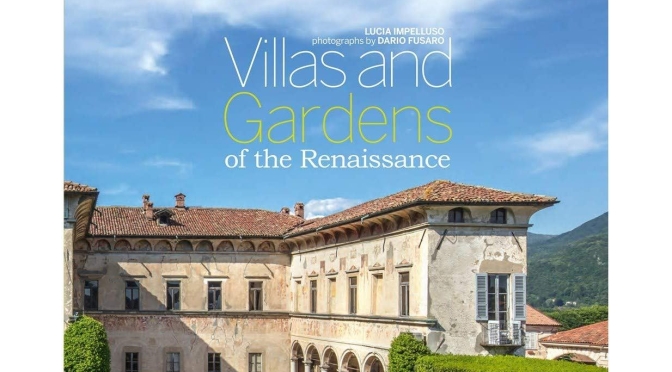
 An historical text introduces each property, giving an overview of its origins. The villas have been specially photographed for this book by Dario Fusaro, with views of both the palace interiors and their grounds, as well as the gardens, glimpses of the halls, details of the furnishings, and a focus on the frescoes, where still preserved. Explanatory text offers insights on the most
 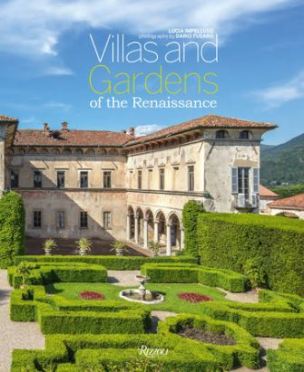 interesting frescoes, such as those of Veronese at Villa Barbaro. For the first time, Fusaro also employs a drone with the purpose of capturing the architectural structure and elements of each Italian Renaissance garden, from above and as a whole.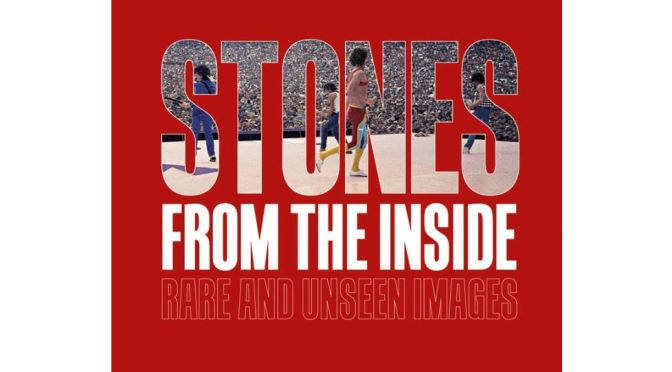
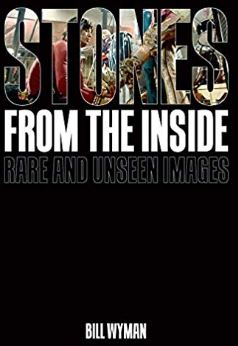 Along with the images of the band at work and play, Wyman includes remarkable images of those along for the ride, from John Lennon, Eric Clapton, David Bowie and Iggy Pop to John Belushi and Dan Aykroyd. To accompany his photographs, Wyman offers up wonderful insights, anecdotes and behind-the-photo stories, giving all us a front-row seat and backstage pass to what it was like to be there, as music history was made as a member of The Rolling Stones.




 “People want to see photography and right now there are not a lot of places to do that,” he says. Showing “the best photography in the world” remains Fotografiska’s core mission, Broman says.

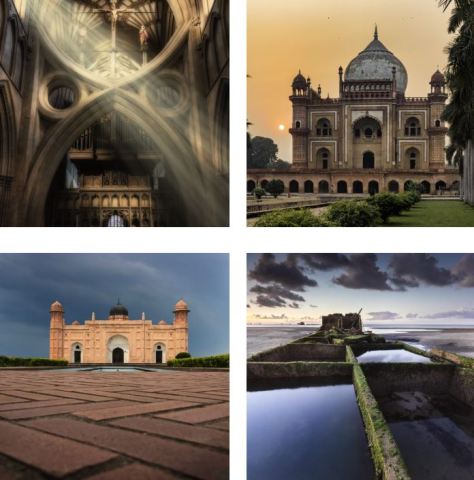
 The Historic Photographer of the Year awards showcase the world’s very best historic places and cultural sites from across the globe, capturing everything from the most famous national treasures to the obscure and forgotten hidden gems.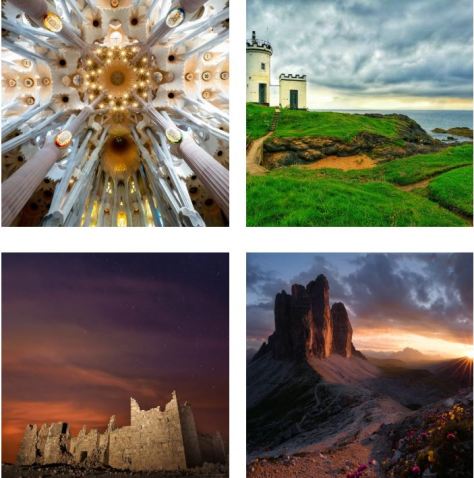
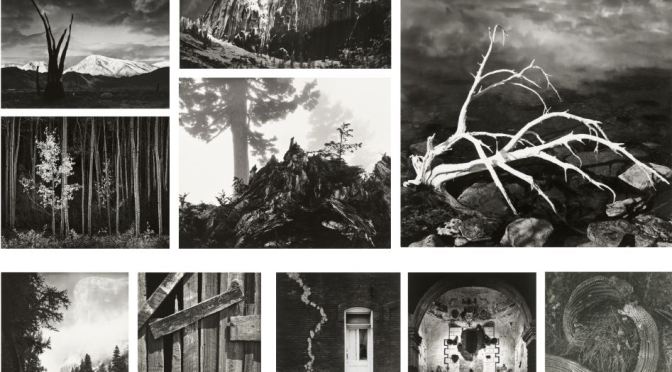
 Adams’ ‘visualisation’ strategy marked a shift away from Pictorialism, a much more manipulated photographic style, which had influenced his early work. His desire for sharper focus and deeper tone and contrast (he called it ‘an austere and blazing poetry of the real’) led to him becoming a leading figure in pure — or straight — photography.
 Between the Franco-Prussian War and WWI, France in the 1900s was a gilded moment of peace and prosperity. Critically acclaimed authors Sabine Arqué and Marc Walter curate this XXL collection of some 800 vintage photographs, postcards, posters, and photochromes. From the grand Paris World’s Fair to the honey light of the Côte d’Azur, it’s a glimpse into an era of rose-tinted optimism.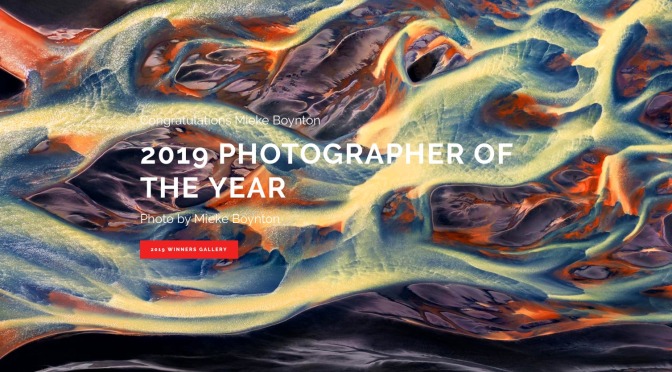
 The 10th EPSON International Pano Awards is dedicated to the craft and art of panoramic photography. Advances in digital photography and editing software have resulted in an ever-increasing rise in the popularity of image stitching, especially in the panoramic format. VR ‘immersive’ photography also continues to excite and develop at a rapid pace, and panoramic film photography remains alive and well.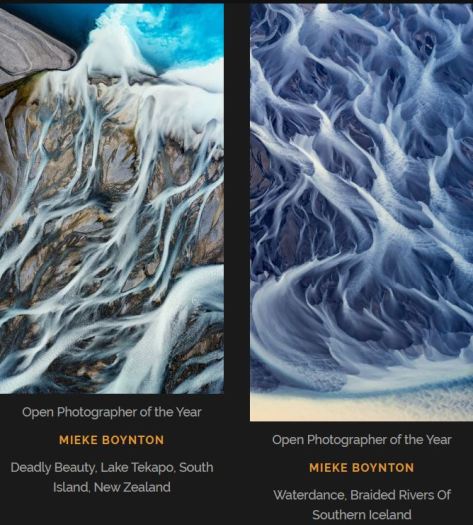

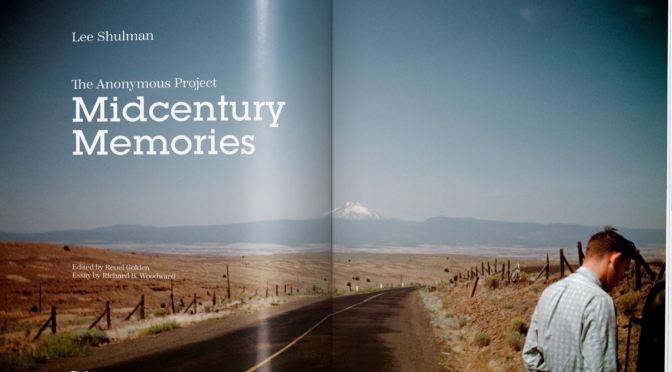
 50 years ago, people used film cameras just as we use smartphones in the age of Instagram. They photographed their meals, holidays, loved ones, celebrations, and family reunions. Imagining the past lives of these strangers is the beauty and mystery of The Anonymous Project, which curates just under 300 images from this vast collection of 700,000+ Kodachrome slides. The places, dates, and people may be unknown, but the stories in these snapshots are universally familiar.
 Boomers Daily