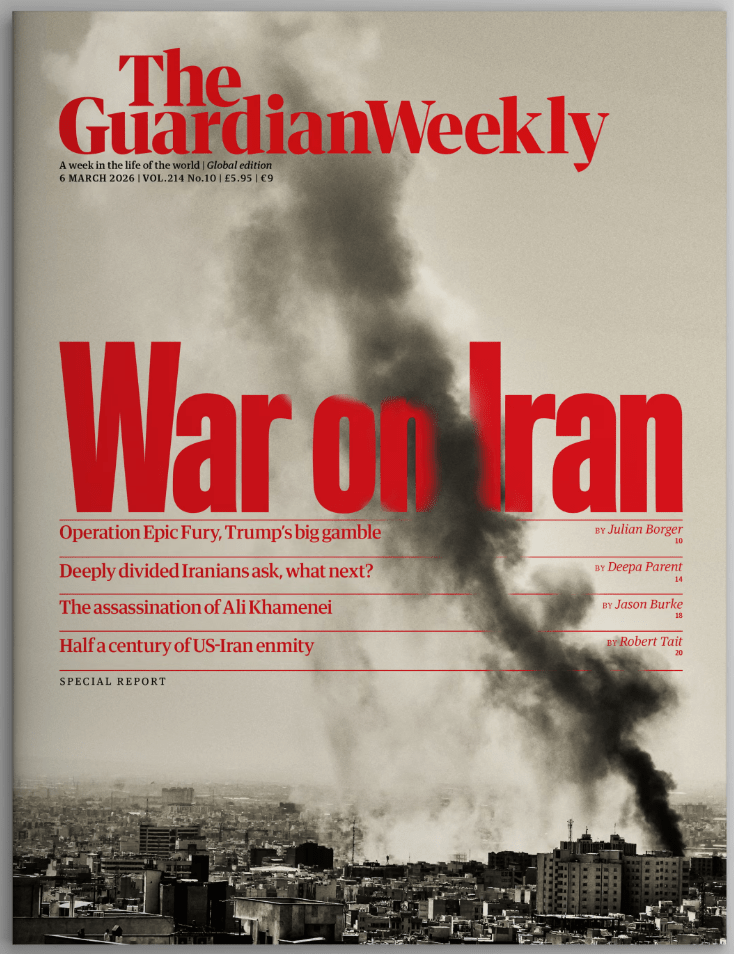
Some weeks I head out of the office on a Friday afternoon with an uneasy feeling that our best-laid plans for next week’s Guardian Weekly might not look quite the same by Monday. This was one of those weeks.
While the scope and power of the US-Israel attack on Iran – not least the successful targeting of Ayatollah Ali Khamenei and several other senior leaders – took many by surprise, the drums of war had been building for a while. With hindsight, last week’s failed nuclear talks may simply have been cover for what was to come.
As war unfurled dramatically across the Middle East, it was impossible to predict the consequences on a range of fronts, from the likelihood of regime change in Iran to the impact on America’s regional allies under attack, or the ripple effect on global energy prices and disruption to international travel.
Spotlight | Can the Louvre rediscover its joie de vivre? After a heist and the departure of its boss, the famous Paris museum is wrestling with repairs, strikes and a criticised renovation plan, reports Jon Henley
Science | Do lizards hold the key to how nature works? The emergence of a new group of common wall lizards offers an insight into how variety within nature can help conserve species, writes Roberto García-Roa
Interview | The world according to Gavin Newsom He’s the Democratic politician with movie-star looks, dogged by accusations of being a smooth‑talking elitist. But Gavin Newsom may just win the most powerful office in the world.Jonathan Freedlandfinds out why
Opinion | Labour needs to wake up to the dawning of a new political era After last week’s disastrous showing in a byelection, the government must accept voters no longer want two-party politics, argues John Harris
Culture | The wild and witty paintings of Rose Wylie Roaring into her 90s, the rebellious artistis now sought after by galleries worldwide and her works fetch huge sums. Melissa Denes visited her studio
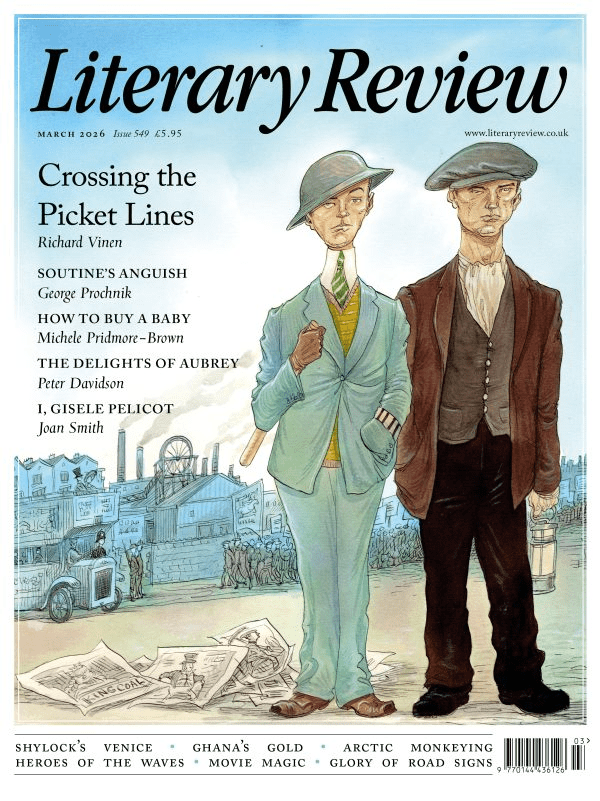
The historian A J P Taylor was at Oxford during the general strike of 1926. After it, he later recalled, relations between the minority of undergraduates, such as himself, who had gone to help the strikers and those who had signed on as special constables or volunteer strike-breakers were cordial. Only those sensible men who had stuck to their books and essays were disdained. The whole episode seemed funny in a stereotypically English way – like a Punch cartoon brought to life.
The fight over the 2028 primary calendar is one of several proxies for a broader battle about the future of the Party—and the search for the best nominee. By Amy Davidson Sorkin
Scandal, Protest, Goofiness, and Grandeur at the U.S. Bicentennial
This year marks the two-hundred-and-fiftieth anniversary of the nation’s founding. The two hundredth wasn’t exactly smooth sailing. By Jill Lepore
The Tree House and the Oil Pipeline
In the fight against climate change, sometimes you have to go out on a limb. By Robert Moor
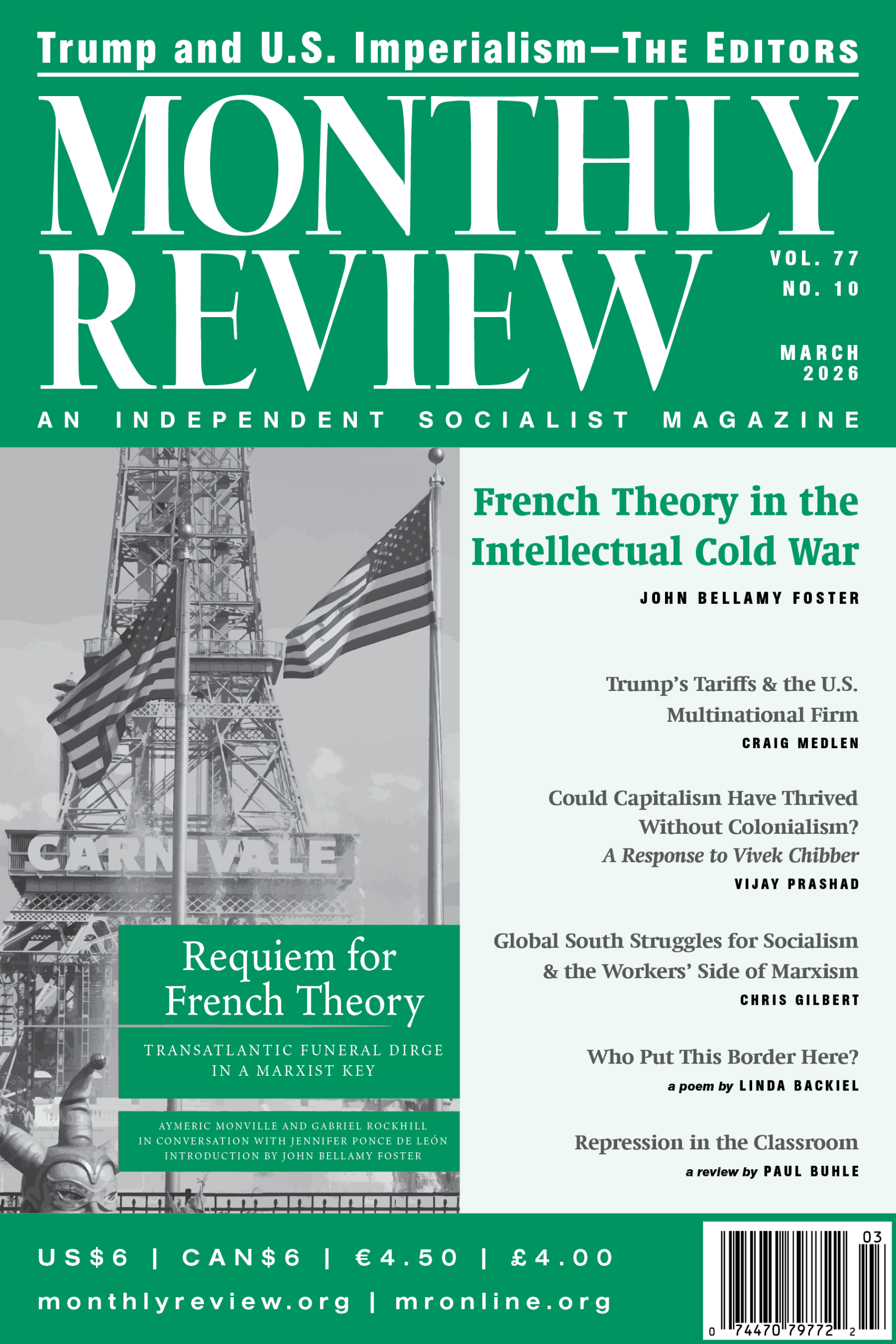
With the Trump administration’s backing down on its tariffs on China, its military abduction of Venezuelan President Nicolás Maduro, its insistence on seizing Greenland one way or another, its bombings in Nigeria, and its declaration that the official U.S. military budget will be increased by 50 percent in 2027—the last four events occurring in a two-week span in late December and early January—establishment commentators are all over the map.
Vijay Prashad critiques the argument that colonialism was, at most, ancillary to the transition between capitalism and feudalism in Western Europe. Instead, Prashad argues, “capitalism as it historically emerged—industrial, global, racialized, and imperial—was inseparable from colonial expropriation.” This reality must fuel a Marxist conception of the global struggle for reparations for those who have been oppressed and exploited at the hands of empires past and present.
In this dual review, Paul Buhle lends contemporary context to the histories of McCarthyism found in the recently published A Blacklist Education, by Jane S. Smith, and Operation Mind, by Natalie Zemon Davis and Elizabeth Donovan. In these two books, Buhle writes, readers can find parallels with the was that is today being waged against university professors and students for political activities—a stark reminder that political witch-hunts did not end with Joe McCarthy.
Craig Medlen dissects the logic behind the Trump administration’s efforts to impose tariffs as a way to counteract “unfair” U.S. trade deficits. Situating these deficits in the longer history of U.S. trade hegemony and its crumbling position in the global economy, Medlen uses incontrovertible data to illustrate how mainstream economic orthodoxy fails to acknowledge the effects of foreign inputs that integral to the workings of U.S. monopoly capital.
The self-taught painter had a trememdous sense of self-belief, despite being ridiculed in his lifetime. A landmark exhibition confirms him as a singularly modern artist
Since 1956, the New York institution has fostered cross-cultural understanding, equipped with a collection of masterpieces assembled by its founder, John D. Rockefeller
When art becomes an act of last resort
Joseph Koerner’s account of art made in extremis turns Bosch, Beckmann and Kentridge into unexpected associates across the ages
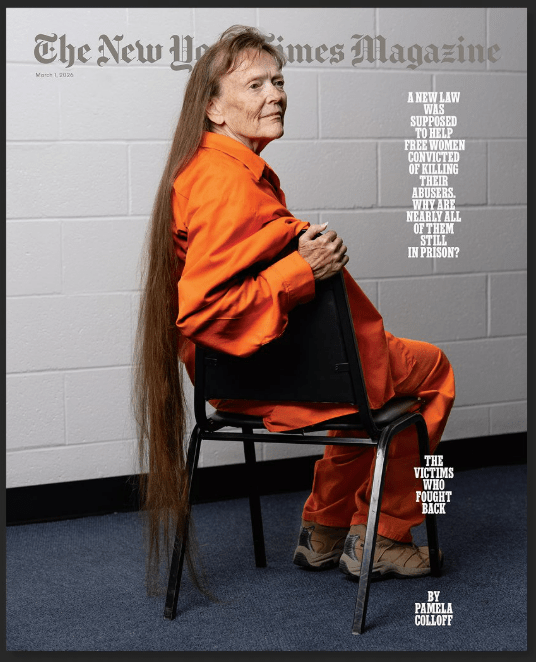
THE NEW YORK TIMES MAGAZINE: Thelatest issue features ‘The Victims Who Fought Back’ – A new law was supposed to help free women convicted of killing their abusers. Why are nearly all of them still in prison?
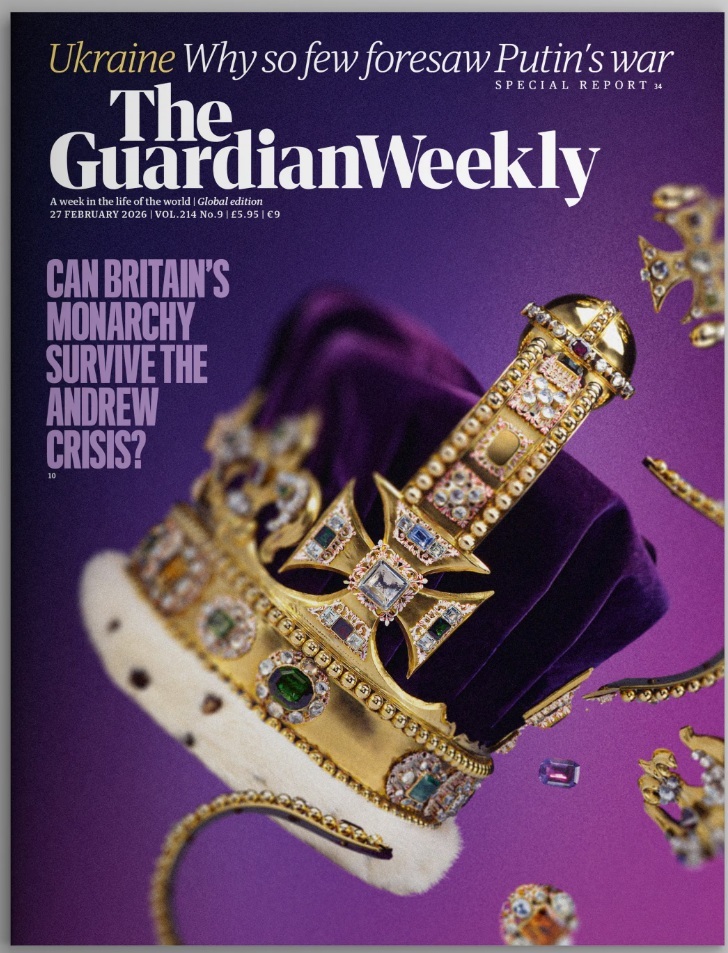
The arrest of Andrew Mountbatten-Windsor last week, after allegations he had shared confidential information with the late US sex offender Jeffrey Epstein, sent shock waves around the world.
What happens next is unclear, but the ramifications will go far beyond the former prince, who has consistently denied any wrongdoing related to Epstein. It was one of the most consequential days for Britain’s monarchy in generations, shattering the traditional aura of royal mystique and raising questions of accountability, deference and whether the royal family should have acted sooner.
In a powerful essay for our big story this week, Stephen Bates asks whether the royal family can survive the unfolding scandal.
Spotlight | The limits to the supreme court’s assent Last week’s declaration by the conservative-heavy court that Trump’s sweeping tariffs are unlawful is a major setback for the president, writes Ed Pilkington
Health | Why big pharma stands to gain from weight-loss pills Oral tablets could bring obesity treatment into the mainstream, with the sector predicted to be worth $200bn by the end of the decade. Julia Kollewe reports
Special report | The road to war in Ukraine In a remarkably detailed piece drawing on more than 100 interviews with senior intelligence officials and other insiders, Shaun Walker explains how the CIA and MI6 got hold of Putin’s Ukraine plans – and why nobody believed them
Opinion | A degree? A trade? Every rung for young people is a trap Is it to be a degree and heavy debt when graduate jobs are shrinking? Or forgoing a degree, knowing society still worships them? Confused, angry: who wouldn’t be, asks Jason Okundaye
Culture | Big in Beijing (but less so in Blackpool) James Balmont’s band, Swim Deep, plays to crowds of hundreds across the UK – but in China, they perform in front of tens of thousands. And they’re not the only ones
News, Views and Reviews For The Intellectually Curious







 Boomers Daily