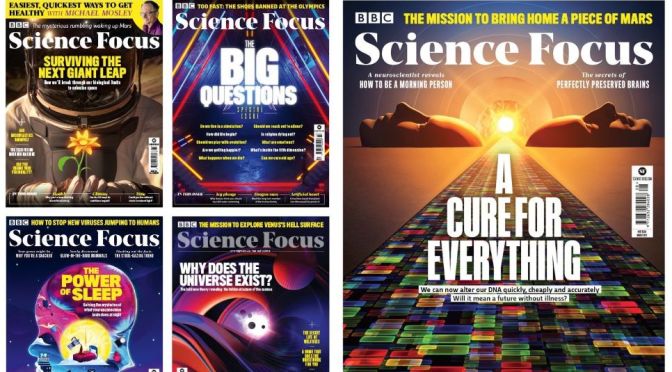
BBC Science Focus Magazine (July 2023) – What our future with Artificial Intelligence really looks like, according to the experts; How to take control of AI before it’s too late, and more…
OpenAI is back in the headlines with news that it is updating its viral ChatGPT with a new version called GPT-4. But when will this be available, how does it work and can you use it?
Artificial intelligence art generators train themselves on art pulled straight from the internet… but what happens when most of the art out there is now made by AI?
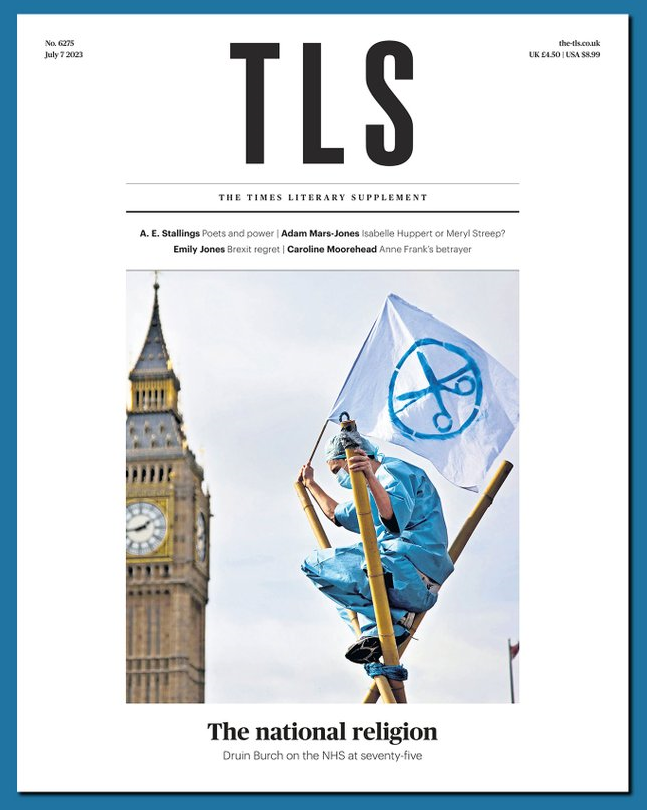
Times Literary Supplement (July 7, 2023): The national religion – NHS at seventy-five; The history of female combatants from ancient times to the present; The temptation for Romantic writers to tip into over-familiarity, and more…
In times of uncertainty, hardship or illness, re-reading a favourite novel can be a source of immense comfort. Even when we read something new, elements of familiarity – in plot, character and theme – can make us feel that the words have sprung from our subconscious. Familiarity connects us to our past and gives a sense of belonging to a community of readers. It can turn fictional characters into friends, make authors feel like confidants and render imagined settings as reassuring as a childhood home.
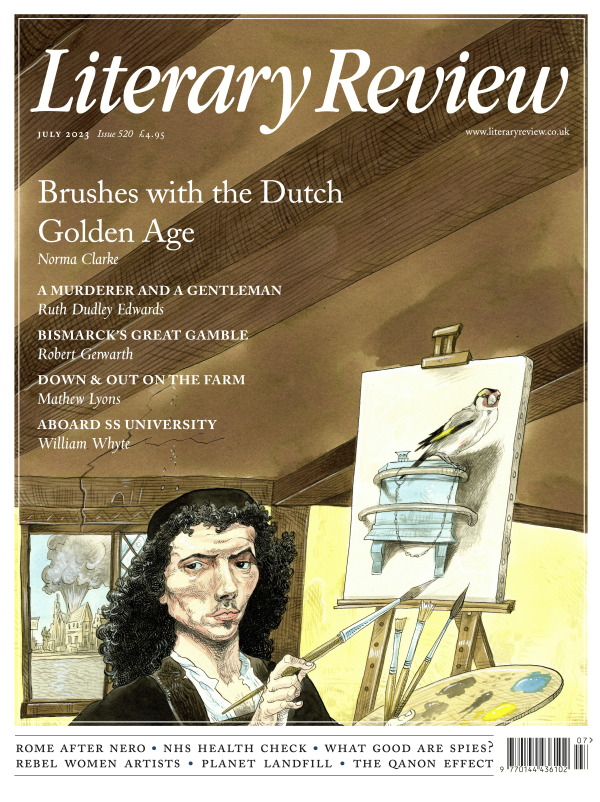
Literary Review – July 2023 Issue: Brushes with the Dutch Golden Age; @LauraCummingArt’s ‘Thunderclap’ – a remarkable experiment in form as well as a richly satisfying extended meditation on art, life and death’; Bismarck’s Great Gamble; Eden by Thames – The Infinite City: Utopian Dreams on the Streets of London…
The Other Pandemic: How QAnon Contaminated the World By James Ball
Back in the mists of time, great idealism surrounded social media. There was a sense that global interconnection would shift us into a more egalitarian and democratic age. How time makes fools of us all.
Thunderclap: A Memoir of Art & Life & Sudden Death By Laura Cumming
As a teenager with an interest in art, growing up on London’s Old Kent Road with a father whose mantra was ‘God gave you legs to walk’ (he didn’t believe in God but he did believe in walking), I often found myself on Sunday afternoons walking to the National Gallery in Trafalgar Square. I remember distinctly the day I discovered the Dutch painters. It wasn’t Rembrandt or Vermeer who caught my eye, but Hendrick Avercamp and, especially, Pieter de Hooch.
I did everything I could to avoid writing my historical novel. When I finally started “The Fraud,” one principle was clear: no Dickens. By Zadie Smith
For the first thirty years of my life, I lived within a one-mile radius of Willesden Green Tube Station. It’s true I went to college—I even moved to East London for a bit—but such interludes were brief. I soon returned to my little corner of North West London. Then suddenly, quite abruptly, I left not just the city but England itself. First for Rome, then Boston, and then my beloved New York, where I stayed ten years. When friends asked why I’d left the country, I’d sometimes answer with a joke: Because I don’t want to write a historical novel. Perhaps it was an in-joke: only other English novelists really understood what I meant by it. And there were other, more obvious reasons.
After a millennium, she remains the hardest-working woman in literature. It was not enough to be saddled with a husband who had the nasty habit of marrying and murdering a new virgin every day to assure himself of spousal fidelity. Nor was it enough to produce a series of nested stories under such deadlines (truly, I complain too much), stories so prickly and tantalizing that the king postponed her murder every night to wait for the next installment. That’s to say nothing of the entirely forgotten three children she bore over those thousand and one nights. Who recalls that there was always a new baby in Scheherazade’s arms?
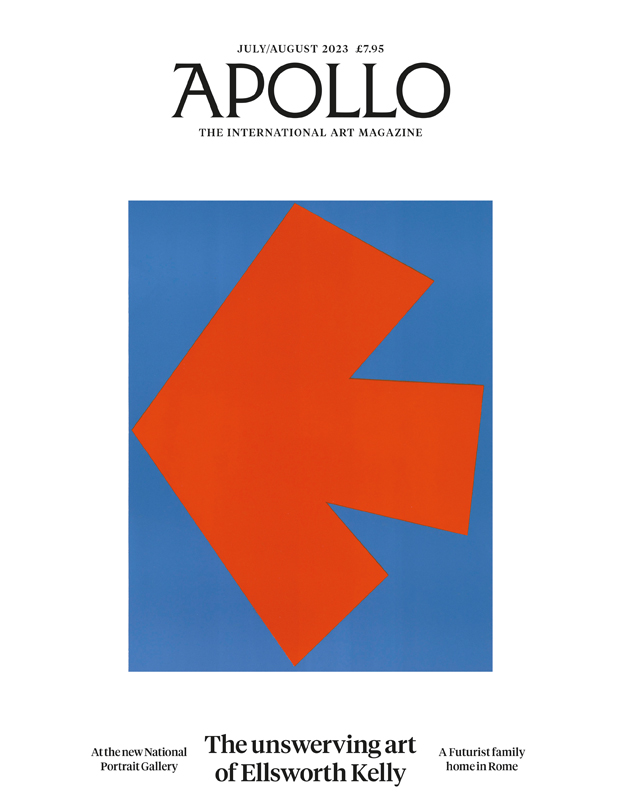
Apollo Magazine– July/August 2023 issue: At the new National Portrait Gallery, The unswerving art of Ellsworth Kelly, A Futurist family home in Rome, and more…
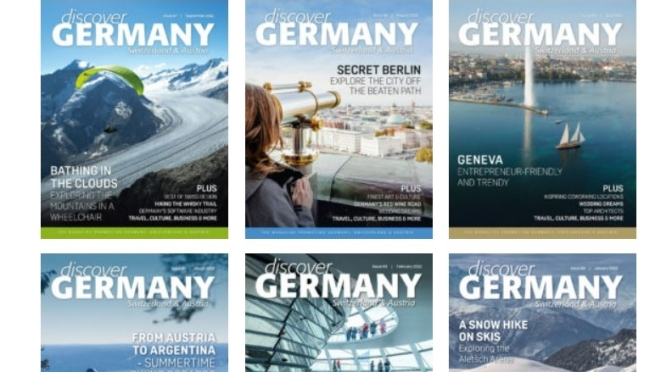
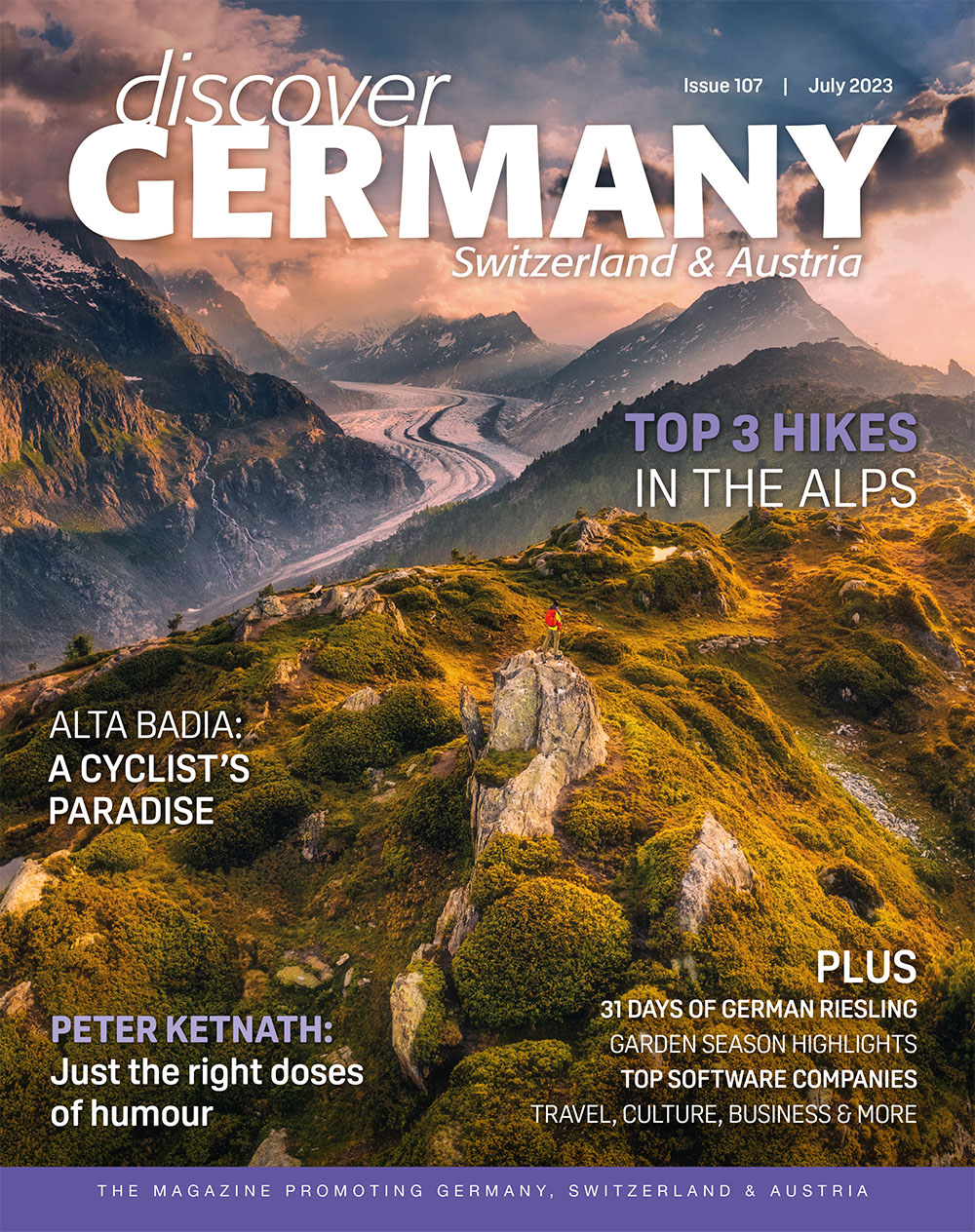
Discover Germany, Switzerland and Austria – The top three hikes in the Alps; garden season highlights; a special focus on Alta Badia, a cyclist’s paradise; an interview with actor Peter Ketnath; top Riesling wines for long summer evenings; Switzerland’s best agencies and more…
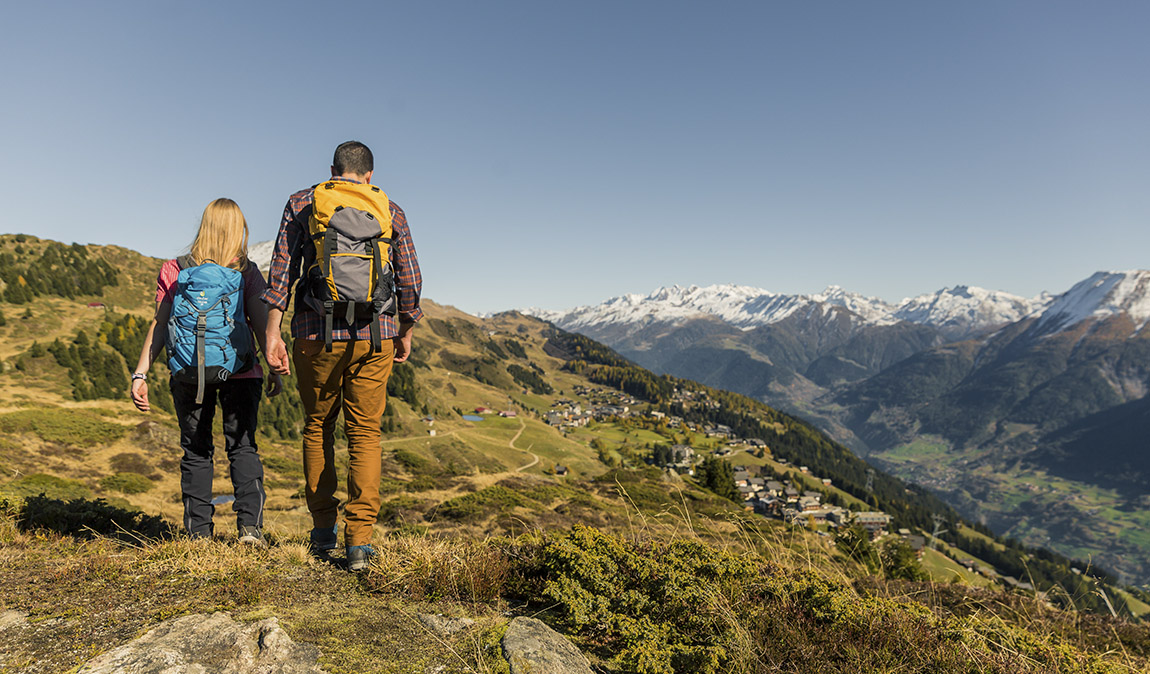
The Alps offer a variety of walks and hikes for every skill level. Some of our favourites can be found in the Swiss Aletsch Arena region which is known for its outstanding natural beauty, its many sunshine hours, and more.
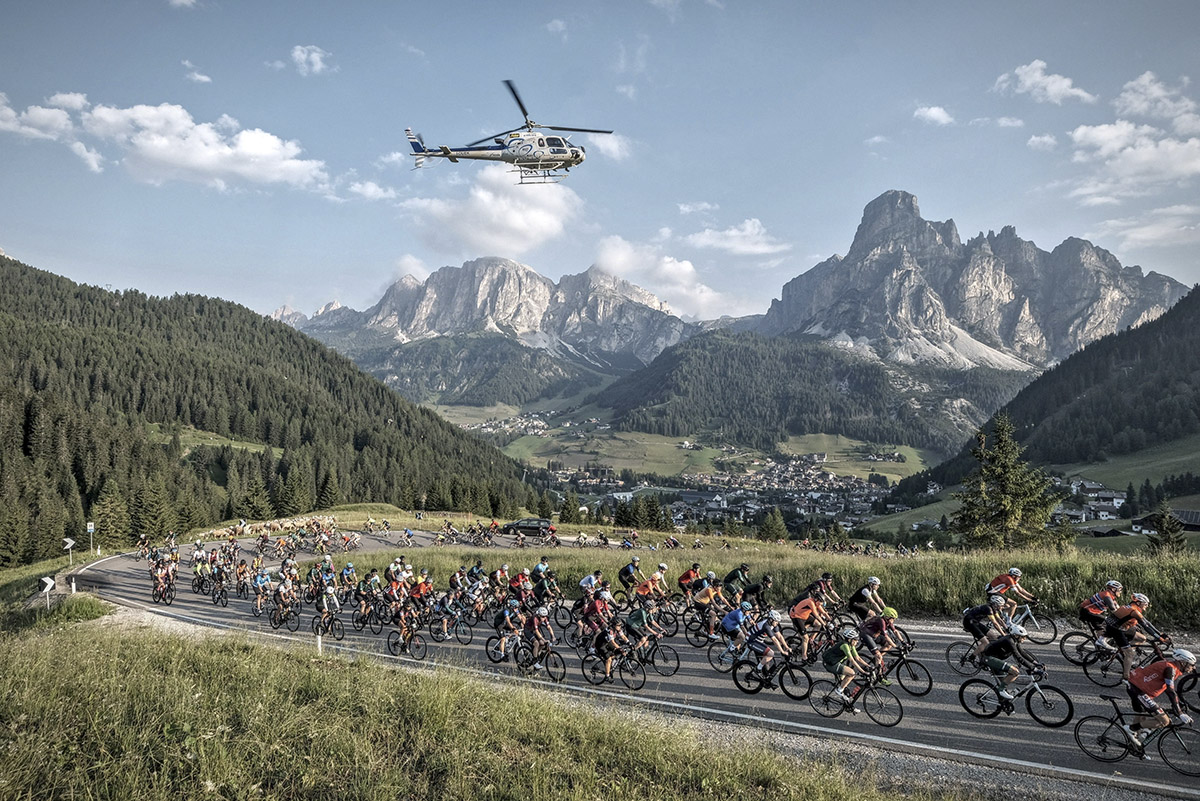
In the heart of the Dolomites UNESCO World Heritage, Alta Badia offers the ideal area to experience the emotions that cyclists, from amateurs to professionals, seek and appreciate every time they saddle up.
In recent years, thanks to the numerous activities and initiatives related to cycling, Alta Badia has become a point of reference for demanding cyclists. In August 2022, Alta Badia was awarded the GSTC (Global Sustainable Tourism Council) certificate, an internationally recognised reference standard for sustainable tourism. The bicycle, in all its forms, is the ideal means to experience tourism in an environmentally sustainable way, and events such as the Maratona dles Dolomites-Enel and the Bike Days should therefore be a symbol and an important signal in this direction. For this reason, cycling in Alta Badia is in no way inferior to hiking, where clean air, splendid landscapes and spectacular peaks invite you to treat nature with respect.
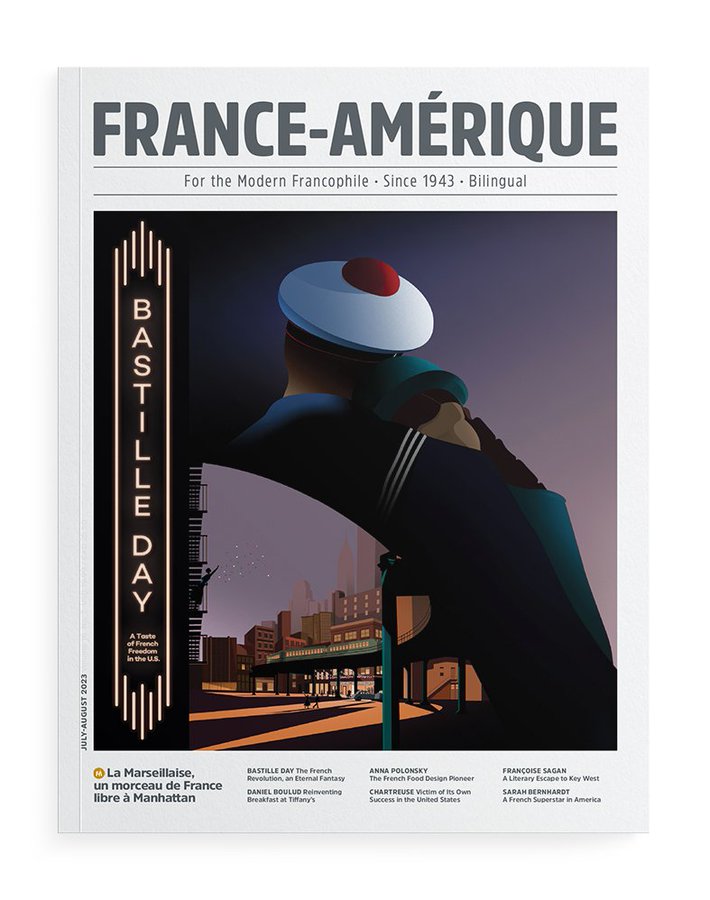
France-Amérique Magazine – July/August 2023 – The issue celebrates Bastille Day, a look at La Marseillaise in New York City; why the 1789 Revolution still carries so much weight in contemporary French culture; a profile of French food design pioneer Anna Polonsky; and learn all about the Great Chartreuse Shortage of 2023…
ANNA POLONSKY – The French Food Design Pioneer
Born in Paris and based in New York City, the founder of the Polonsky & Friends studio combines her passions for design and cuisine by creating visual identities for restaurants and food brands.
LA MARSEILLAISE – A Taste of Free France in Manhattan
Where could you have once danced to accordion music, met fellow French comrades-in-arms, and even bumped into Marlene Dietrich, Eleanor Roosevelt, and Jean Gabin? All the Free French soldiers who passed through New York City during World War II would have pointed you toward La Marseillaise, on Second Avenue.
SARAH BERNHARDT – A Scandalous French Superstar in America
Having completed nine tours of the United States during her career, actress Sarah Bernhardt was probably the most famous French woman in America at the time. An exhibition in Paris is currently celebrating the thespian, who passed away a century ago this year.
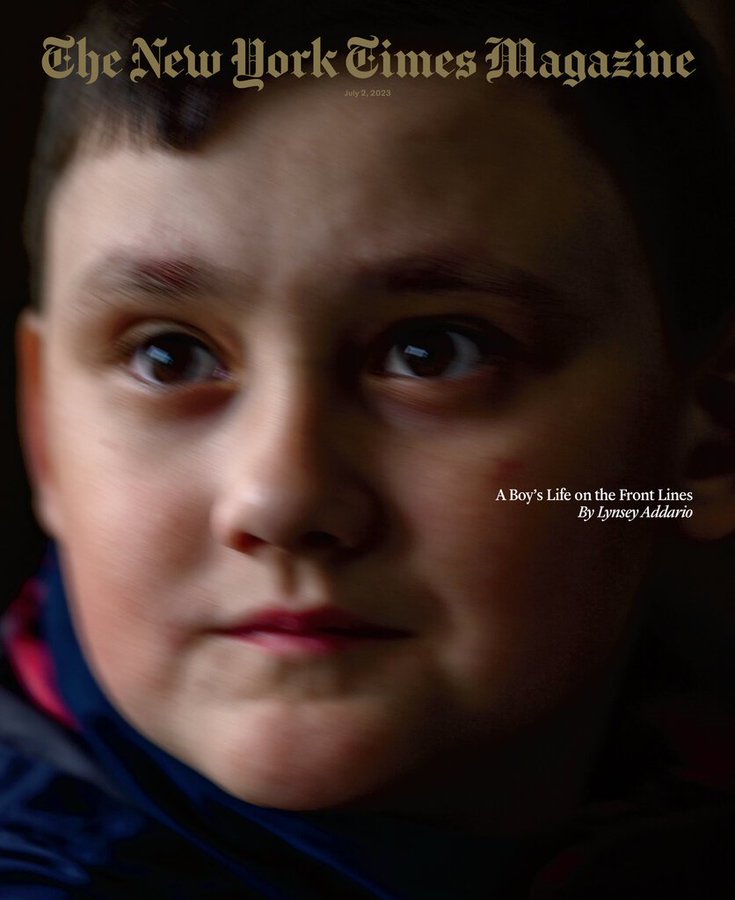
In this week’s cover story, Lynsey Addario takes us to a Ukrainian town where an 11-year-old is navigating a childhood transformed by war. Plus, a profile of the Christian pop star Marcos Witt and an investigation into how federal law targets thousands of women on anti-addiction medications.
In a Ukrainian town, an 11-year-old navigates a childhood transformed by war.
In a town near the Eastern front lines of the Donbas region of Ukraine, an 11-year-old boy named Yegor’s days were as predictable as they could be, given the unpredictability of war.
A string of uncanny videos show what generative A.I. and advertising have in common: They chew up the cultural subconscious and spit it back at us.
By Mac Schwerin
Even if I didn’t work in advertising, I would be a connoisseur of commercials. You’re probably one, too. Think of all the tropes you’ve ingested over the years — the forest-green hatchbacks conquering rugged Western landscapes, the miles of mozzarella stretched by major pizza chains. These are the images that let you know what kind of pitch you’re watching, so you won’t be confused when the brand shows up.
In the 1970s and ’80s, geographer Ken Martis mapped every congressional district and color-coded them by political party, going all the way back to the first Congress.
In the captivating survey “Comparative Hell: Arts of Asian Underworlds,” the damned are boiled alive. Writhing in pain, they are skewered, mauled by dogs, and devoured by ink-black birds. But the show is dotted throughout by charming reprieves: a lush jade-green garden, creamy-white blossoms, and whirling clouds. This is a hell that delights as much as it punishes.
Science Magazine – June 30, 2023 issue: Vapor from liquid nitrogen wafts over a rat kidney awaiting a groundbreaking preservation method at the University of Minnesota. Scientists there have learned how to cool the organ to –150°C and rewarm it while minimizing freezing damage, enabling it to work after being transplanted.

























 Boomers Daily