From Atlantis in The Spy Who Loved Me to Nathan Bateman’s ultra-modern abode in Ex Machina, big-screen villains tend to live in architectural splendor. The villain’s lair, as popularized in many of our favorite movies, is much more than where the megalomaniac goes to get some rest.
 Instead, the homes of the villains are places where evil is plotted and where, often, the hero is tested and must prove him/herself. Like evil itself, the abodes of movie villains are frequently compelling and seductive. From a design standpoint, they tend to be stunning, sophisticated, envy-inducing expressions of the warped drives and desires of their occupants.
Lair, the first title in Tra Publishing’s Design + Film series, celebrates and considers several iconic villain’s lairs from recent film history. The book, strikingly designed in silver ink on black paper, explores the architectural design of these structures through architectural illustrations and renderings, photographs, essays, film analyses, interviews, and more.
To read more and purchase: https://trapublishing.com/products/lair


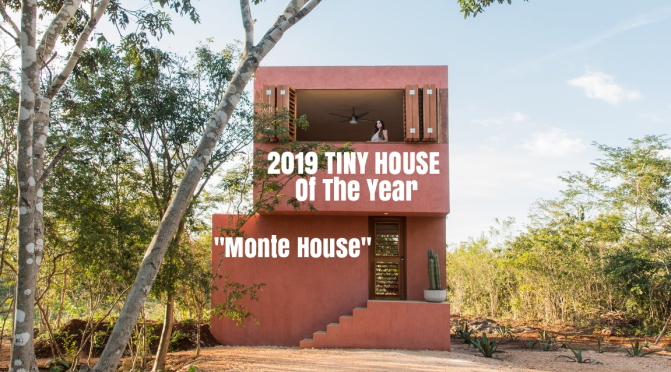
 Situated on a sweeping two-acre lot, this 452-square-foot abode is just right for two.
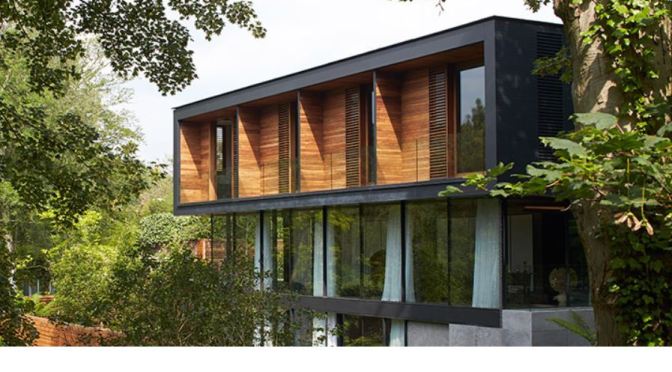
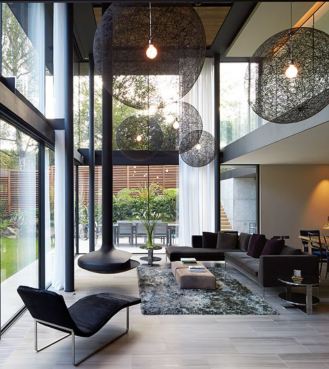 A stunning 6,200 sq ft space, this remarkable and sprawling house rises up through its surrounding landscaped gardens. Described by the Architects’ Journal as having a “beguilingly cave-like relationship to the outside world”, it is a bold vision of contemporary architecture in which the natural world has been thoroughly entwined with the design.
 Recline by the pool, listen to the artificial stream winding its way through the gardens, meander across the footbridge: this home was conceived for those long, dreamy summer days.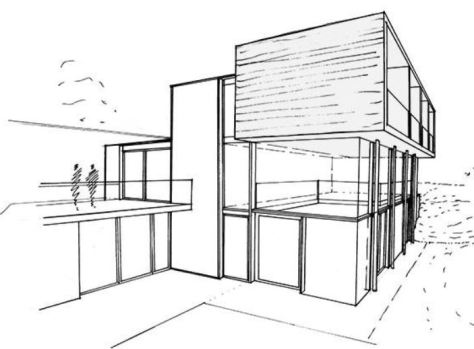

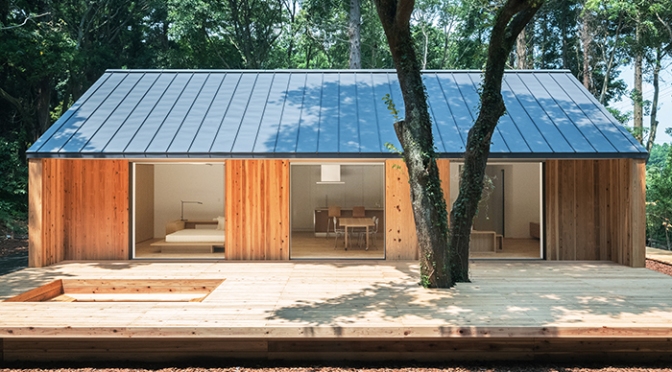
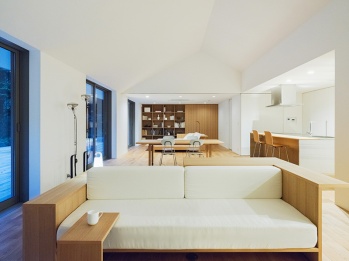 …the Yō no Ie re-imagines a life in suburban-rural areas, rather than urban-suburban. This reflects quiet yet significant social changes – or rather, shifts in life priorities of people and how they define happiness. In the 20th century, when society was excited about economic growth, everyone dreamed of living in cities, working at big companies by navigating a world of fierce competition, either spending an eye-popping amount of money on a small urban condo that quickly became a norm, or traveling hours to commute from a more affordable home in rapidly sprawling suburbs.
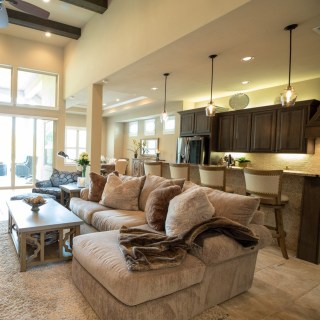

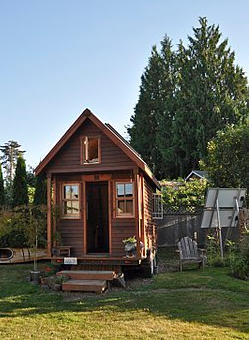 The City of Los Angeles has given the Green Light to Movable Tiny Homes as ADUs!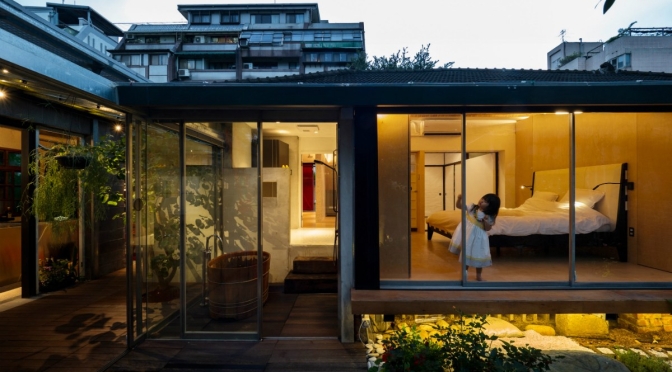
 “The jury was unanimous in celebrating this inventive solution to reconfiguring a dilapidated Japanese colonial house.

 The percentage of boomers who own a pet grew from 50% to 54% between 2008 and 2018. Among the oldest boomers — those between 70 and 74 — the percentage of pet owners rose from 41% to 45%. In contrast, the percentage of pet owners between the ages of 18 to 39 dropped from 63% to 61% during that time frame. Among consumers 40-54, the percentage of pet owners held steady at 64%.

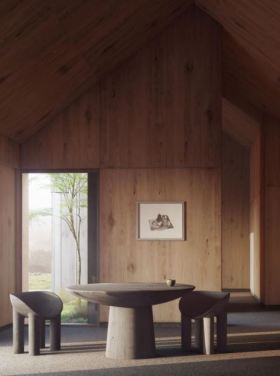 Most notable is Toogood’s sensitive approach to materials. She offers two different, equally alluring solutions to the exterior cladding and the internal finishes. Both external cladding options, raw galvanised steel and dark charred timber, are suggestive of industrial or agricultural structures, making it something of a thrill to see them in a domestic setting. The building clad in raw galvanised steel will have a refined, cream-coloured interior, whilst the structure clad in dark charred timber will have an exposed plywood interior finish.
 Boomers Daily