

From a Wall Street Journal online article:
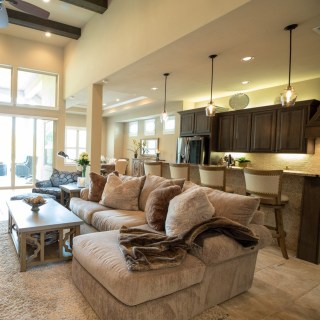
The jewel-box home—small, but loaded with amenities and costly finishes—is luring more home buyers. An analysis by Home Innovation Research Labs, a subsidiary of the National Association of Home Builders, found that the number of new-construction luxury homes at 3,000 square feet or less has increased nearly 20% since 2013—with a corresponding decline in larger-size, high-price homes.
Changing demographics might be driving the trend. More than half of all households now consist of single people or couples, U.S. Census Bureau data shows—with traditional nuclear families accounting for just 20%.
“Empty-nesters want to downsize, but they want luxury homes not starter homes—luxury kitchens, marble surfaces, all the latest and greatest,” said Tim Costello, CEO of Builder Homesite, a consortium whose New Home Source website—an online clearing house for new-construction homes—tracks home buyers’ preferences.
To read more: https://www.wsj.com/articles/luxury-homeowners-put-a-ring-on-jewel-box-homes-11576081060
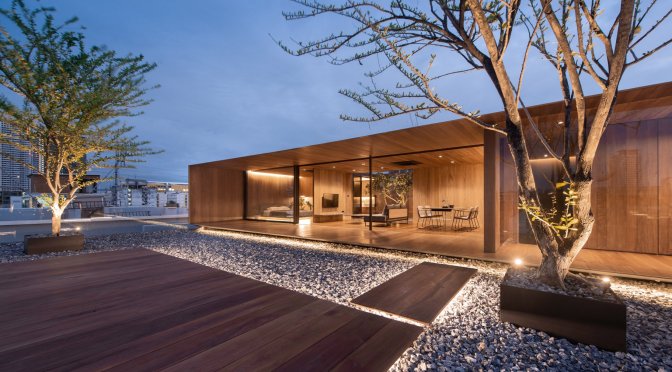
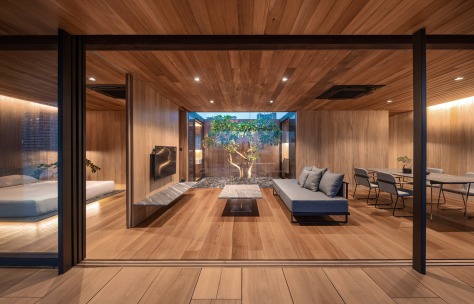
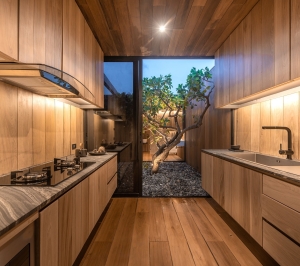 Our idea was not to make this house feel like a building, but to free it from form. We wanted it to be just a borderless box that emerges out of nowhere in the sky, as if the thickness of the wall and roof were non-existent, but still able to make holes in the ceiling to install curtains, air conditioners, and embed lights. Our intention was to give an illusion to onlookers that the entire ceiling was in the same straight line even though we featured a drop ceiling and a slope that was intentionally used to make the wall and ceiling look thin.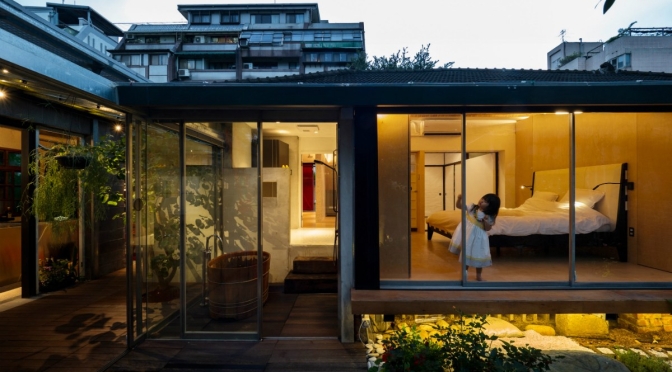
 “The jury was unanimous in celebrating this inventive solution to reconfiguring a dilapidated Japanese colonial house.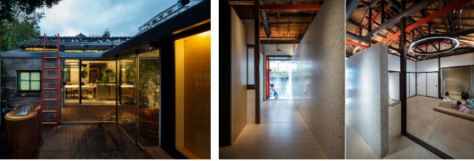
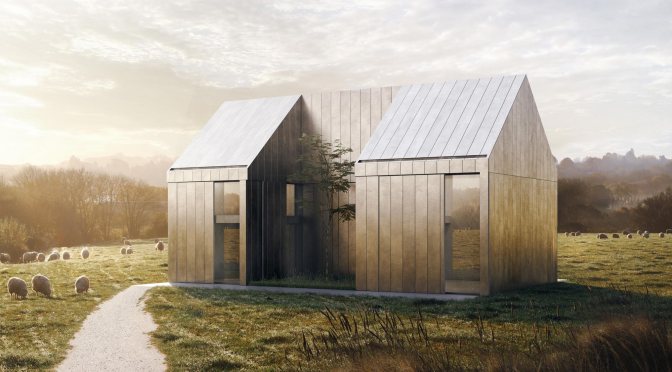
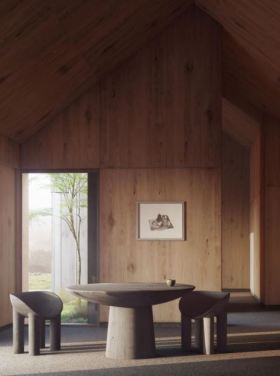 Most notable is Toogood’s sensitive approach to materials. She offers two different, equally alluring solutions to the exterior cladding and the internal finishes. Both external cladding options, raw galvanised steel and dark charred timber, are suggestive of industrial or agricultural structures, making it something of a thrill to see them in a domestic setting. The building clad in raw galvanised steel will have a refined, cream-coloured interior, whilst the structure clad in dark charred timber will have an exposed plywood interior finish.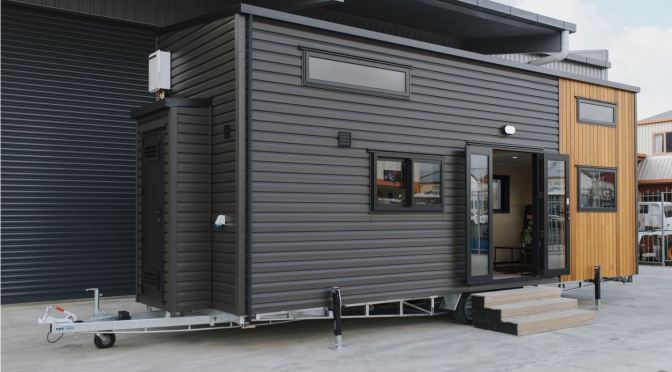
 This model is going to be completely off-grid in its seaside location. On the roof are 6 x Trina 270w Honey Poly Module panels. A storage box over the tow bar stores the inverter and 4 x C&D 12V 192Ah c20 FT Lead Carbon Cyclic Batteries that will power the home. A new feature in this home (requested by the client) was a folding shelf in the bathroom above the toilet.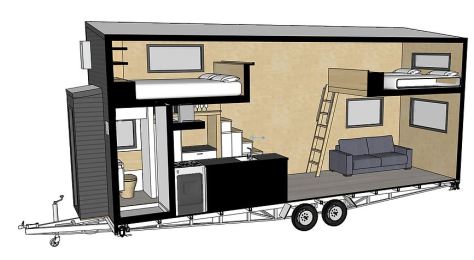
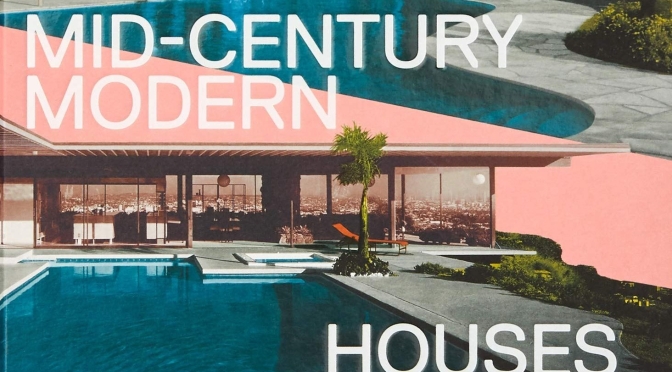
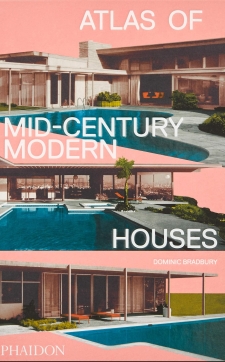 “If one imagines a list of the greatest, most influential houses of the twentieth century, it seems highly likely that the mid-century period will dominate,” writes Bradbury in the book’s introduction, going on to name such famous edifices as the three famous glass houses by Philip Johnson, Ludwig Mies van der Rohe, and Lino Bo Bardi, respectively; Richard Neutra’s Kaufmann House; and Luis Barragán’s Cuadra San Cristóbal. “One could, of course, go on.…” he writes.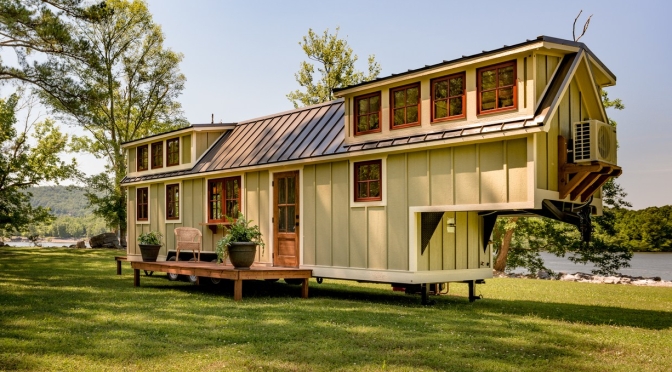
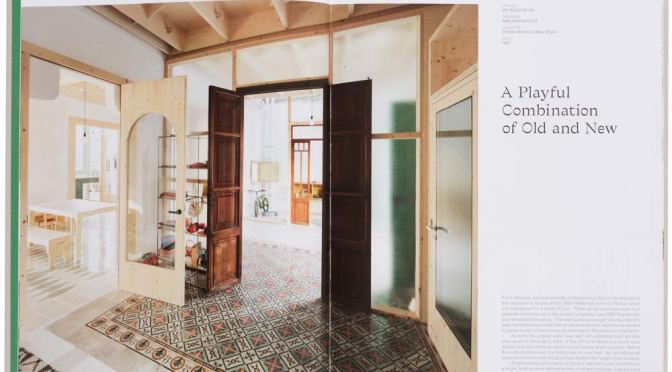
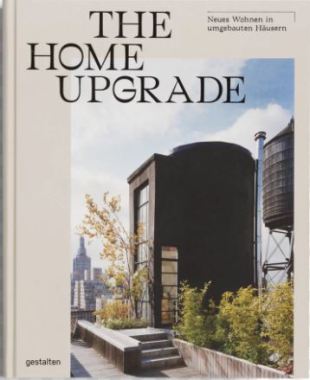 The Home Upgrade looks beyond big budget projects and explores homes where the seemingly impossible has been achieved. For architects striking out on their own, such projects offer the opportunity to flex their muscles and lead a project for the first time. A home in Brooklyn, featured in the book, was refurbished after Hurricane Sandy ravaged the Eastern Seaboard in 2012. The living space was raised above the high-water line, an answer to the grim fact that once-in-a-generation occurrences are a new reality.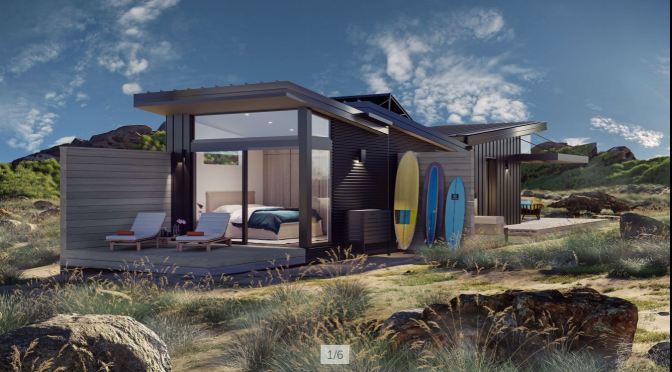
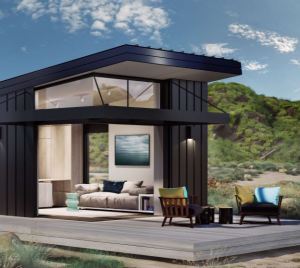 The idea for this ADU was conceived in the wake of the 2018 Woolsey Fire, as a way to help families reinhabit their properties while rebuilding their primary residence. All “BUD” designs provide beautiful living spaces that can be delivered quickly and enjoyed for generations as a valuable addition to almost any property.
 Boomers Daily