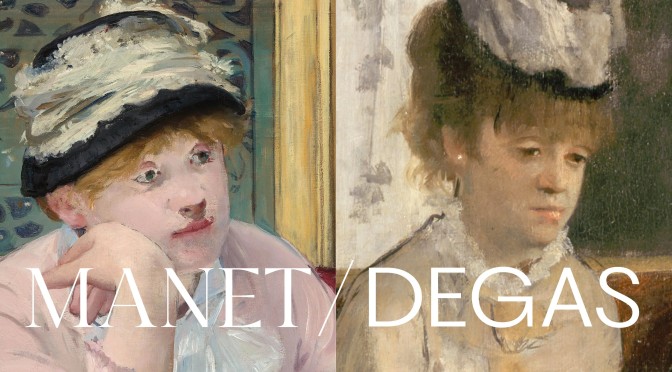
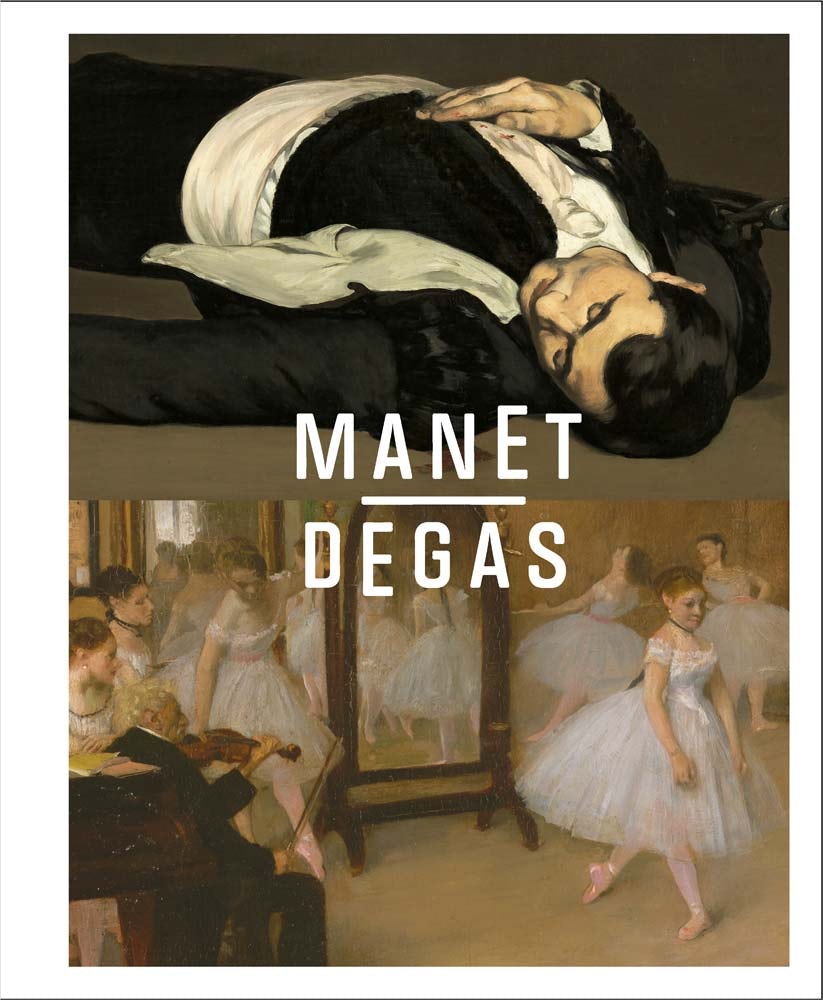
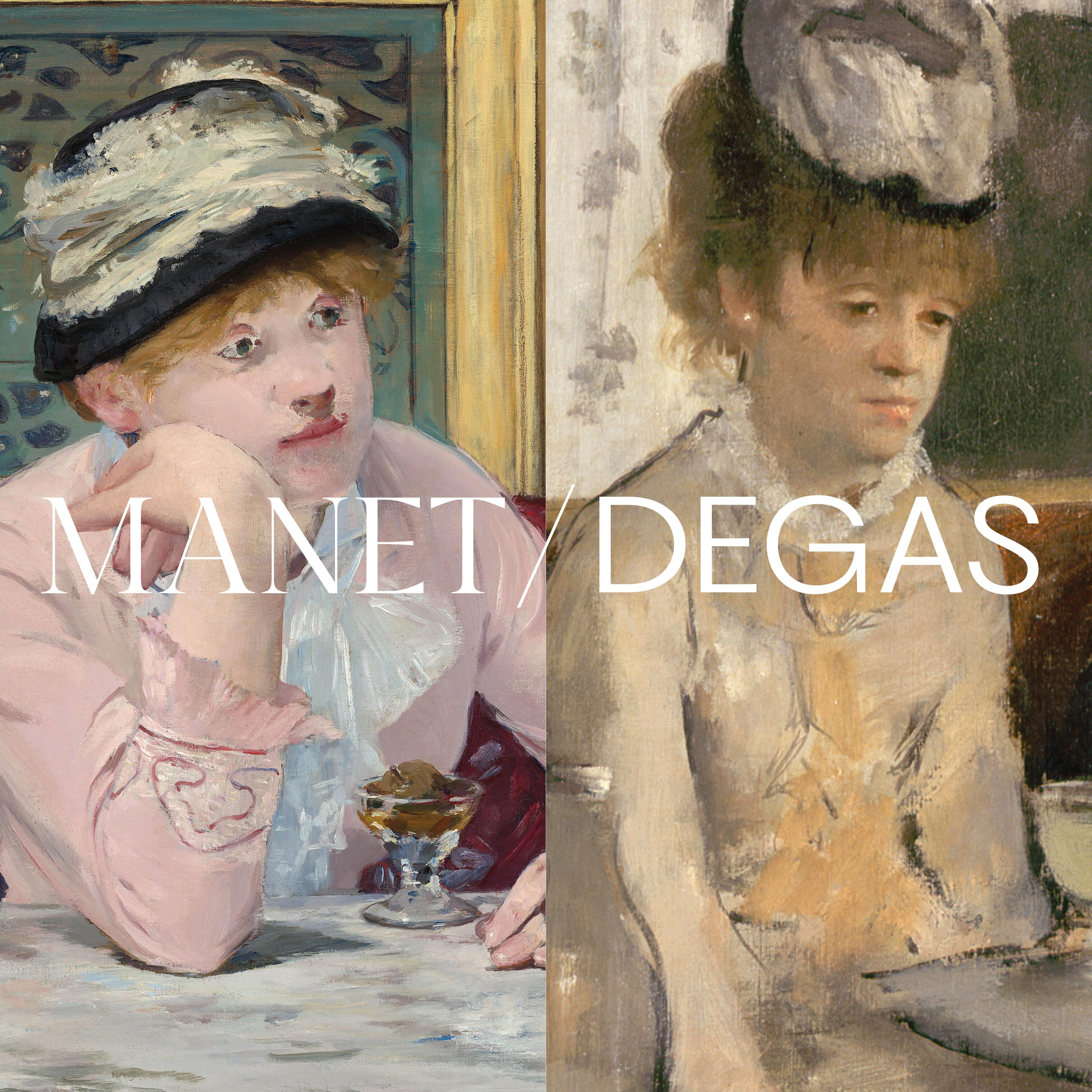
The Metropolitan Museum of Art (October 6, 2023) – Stephan Wolohojian, John Pope-Hennessy Curator in Charge, and Ashley Dunn, Associate Curator, explore Manet/Degas. This exhibition examines one of the most significant artistic dialogues in modern art history: the close and sometimes tumultuous relationship between Édouard Manet and Edgar Degas.
Born only two years apart, Manet (1832–1883) and Degas (1834–1917) were friends, rivals, and, at times, antagonists who worked to define modern painting in France. By examining their careers in parallel and presenting their work side by side, this exhibition investigates how their artistic objectives and approaches both overlapped and diverged. Through more than 160 paintings and works on paper, Manet/Degas takes a fresh look at the interactions of these two artists in the context of the family relationships, friendships, and intellectual circles that influenced their artistic and professional choices, deepening our understanding of a key moment in nineteenth-century French painting. On view: September 24, 2023–January 7, 2024
The Metropolitan Museum of Art (September 4, 2023) – This exhibition examines one of the most significant artistic dialogues in modern art history: the close and sometimes tumultuous relationship between Édouard Manet and Edgar Degas. Born only two years apart, Manet (1832–1883) and Degas (1834–1917) were friends, rivals, and, at times, antagonists who worked to define modern painting in France.
Through more than 150 paintings and works on paper, Manet/Degas takes a fresh look at the interactions of these two artists in the context of the family relationships, friendships, and intellectual circles that influenced their artistic and professional choices, deepening our understanding of a key moment in nineteenth-century French painting.
Manet/Degas is organized by The Metropolitan Museum of Art, New York, and the Musées d’Orsay et de l’Orangerie, Paris.
The National Gallery (July 6, 2023) – The exhibition, ‘After Impressionism: Inventing Modern Art’, celebrates the achievements of three giants of the era: Paul Cézanne, Vincent van Gogh and Paul Gauguin and follows the influences they had on younger generations of French artists, on their peers and on wider circles of artists across Europe in Barcelona, Berlin, Brussels and Vienna.
Explore a period of great upheaval when artists broke with established tradition and laid the foundations for the art of the 20th and the 21st centuries.
designboom Films (June 8, 2023) – Pierre Bonnard is one of the most beloved painters of the twentieth century, celebrated for his use of colour to convey an exquisite sense of emotion. His close friend Henri Matisse declared that Bonnard was ‘a great painter, for today and definitely also for the future’.
Opening in June 2023, the blockbuster Melbourne Winter Masterpieces® exhibition Pierre Bonnard presents the iridescent paintings of Bonnard within immersive scenography by Paris-based designer India Mahdavi
Pierre Bonnard (3 October 1867 – 23 January 1947) was a French painter, illustrator and printmaker, known especially for the stylized decorative qualities of his paintings and his bold use of color. A founding member of the Post-Impressionist group of avant-garde painters Les Nabis, his early work was strongly influenced by the work of Paul Gauguin, as well as the prints of Hokusai and other Japanese artists. Bonnard was a leading figure in the transition from Impressionism to Modernism.
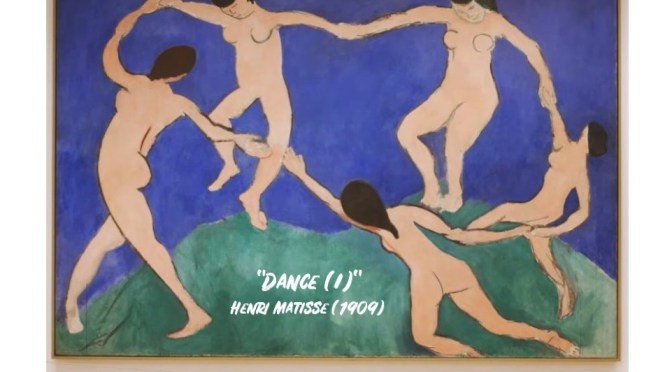
The Museum of Modern Art (March 17, 2023) – In our latest ArtSpeaks episode, Eana Kim, Vilcek Fellow in Paintings and Sculpture chose Henri Matisse’s “Dance (I)” because his work led her life in an unexpected direction.
“What really struck me was Matisse’s journey from mastering all the academic skills to unlearning everything to create his own art,” Kim says. “He really tried to dig into and explore the fundamental elements, like forms and colors. He was looking into something more essential to create something pure. I needed to follow that path.”
In the online edition of MoMA’s ArtSpeaks program, we invite staff members, artists, and special guests to share personal impressions of an artwork in the galleries. Here, curator Eana Kim examines Matisse’s iconic expression of pleasure and joy.
This remarkable painting by Michel Corneille the Elder has been hidden away from view for at least the past 110 years and is a truly exceptional rediscovery for French painting of the 17th century. After a recent restoration, the artist’s signature has been re-exposed so that now this impressive work can be confidently attributed to the early French Classicist.
This episode of Anatomy of a work of art, discover The Death of Virginia, taken from Roman historian Livy and recounts the death of Virginia, daughter of a centurion in the Roman army. This rediscovery will be one of the highlights of our sale Tableaux Dessins Sculptures 1300-1900, Session I, Including Treasures from the Antony Embden Collection.
“One of the hopes of this exhibition was really to try to enlist visitors’ bodily experience in their understanding of these works of art that can sometimes seem a little bit like they live entirely in our heads, a little bit intellectualized.”
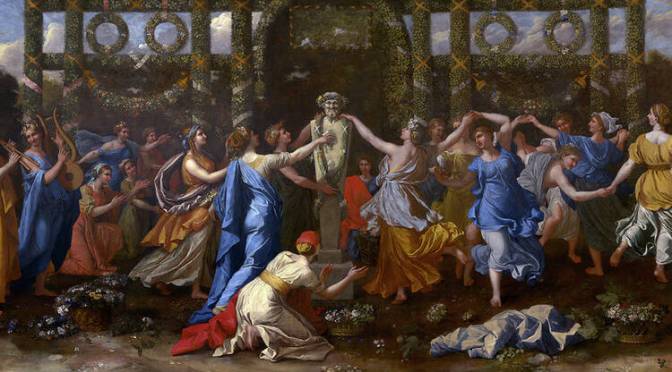
Although Nicolas Poussin is widely regarded as the most influential painter of the 17th century—the father of French classicism—he is not as well-known as many of his contemporaries, such as Rembrandt, Rubens, and Caravaggio. This is due, in part, to Poussin’s austere painting style and erudite subject matter, which often came from Roman history or the Bible. As a result, his work can sometimes feel a bit cold or remote to today’s audiences.
But earlier in his career, Poussin was inspired by dance. His paintings of wild revelry, filled with dancing satyrs and nymphs, emerged as his signature genre from that time. Poussin and the Dance, organized by the Getty Museum and the National Gallery in London, is the first exhibition to explore the theme of dance in Poussin’s work. By supplementing his delightful dancing pictures with new dance films by Los Angeles–based choreographers—this unique exhibition invites viewers into the world of Poussin in a fresh, relatable way.
In this episode, Emily Beeny, curator in charge of European paintings at the Fine Arts Museums of San Francisco and curator of Poussin and the Dance, joins Sarah Cooper, public programs specialist at the Getty, to delve into Poussin’s process and love of dance.
The exhibition, which received generous support from the Leonetti/O’Connell Family Foundation and is sponsored by City National Bank, is on view at the Getty Center through May 8, 2022.
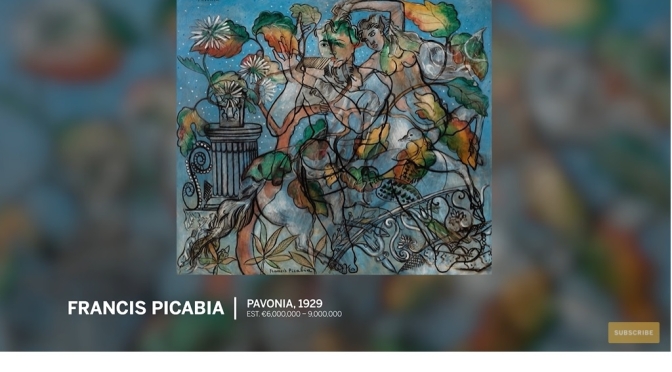
Sotheby’s explores two Picabia masterpieces: ‘Pavonia’, a cinematic example from his ‘Transparencies’ series, and ‘Nu de Dos’, a striking and controversial female nude.
Francis Picabia, (born January 22, 1879, Paris, France—died November 30, 1953, Paris), French painter, illustrator, designer, writer, and editor, who was successively involved with the art movements Cubism, Dada, and Surrealism.
Picabia was the son of a Cuban diplomat father and a French mother. After studying at the École des Arts Décoratifs (1895–97), he painted for nearly six years in an Impressionist mode akin to that of Alfred Sisley. In 1909 he adopted a Cubist style, and, along with Marcel Duchamp, he helped found in 1911 the Section d’Or, a group of Cubist artists. Picabia went on to combine the Cubist style with its more lyrical variation known as Orphism in such paintings as I See Again in Memory My Dear Udnie (1913–14) and Edtaonisl (1913). In these early paintings he portrayed assemblages of closely fitted, metallic-looking abstract shapes. As Picabia moved away from Cubism to Orphism, his colours and shapes became softer.
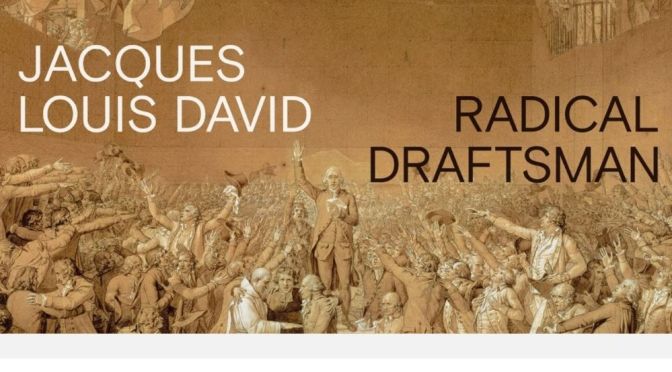
Join Perrin Stein, Curator, in the Department of Drawings and Prints, for a virtual tour of Jacques Louis David: Radical Draftsman, the first exhibition devoted to works on paper by the celebrated French artist.
David navigated vast artistic and political divides throughout his life—from his birth in Paris in 1748 to his death in exile in Brussels in 1825—and his iconic works captured the aspirations and suffering of a nation, while addressing timeless themes that continue to resonate today. Through the lens of his preparatory studies, the exhibition looks beyond his public successes to chart the moments of inspiration and the progress of ideas.
Visitors will follow the artist’s process as he gave form to the neoclassical style and created major canvases that shaped the public’s perceptions of historical events in the years before, during, and after the French Revolution. Organized chronologically, the exhibition will feature more than eighty drawings and oil sketches—including rarely loaned or newly discovered works—drawn from the collections of The Met and dozens of institutional and private lenders.
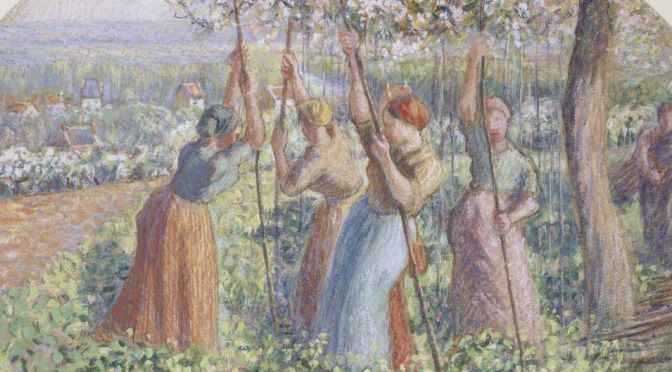
This major exhibition, of works drawn from the Ashmolean’s collections as well as international loans, will span Pissarro’s entire career.
Camille Pissarro (1830–1903) is one of the most celebrated artists of nineteenth-century France and a central figure in Impressionism. Considered a father-figure to many in the movement, his work was enormously influential for many artists, including Claude Monet and Paul Cézanne. It opens in spring 2022.


 The National Gallery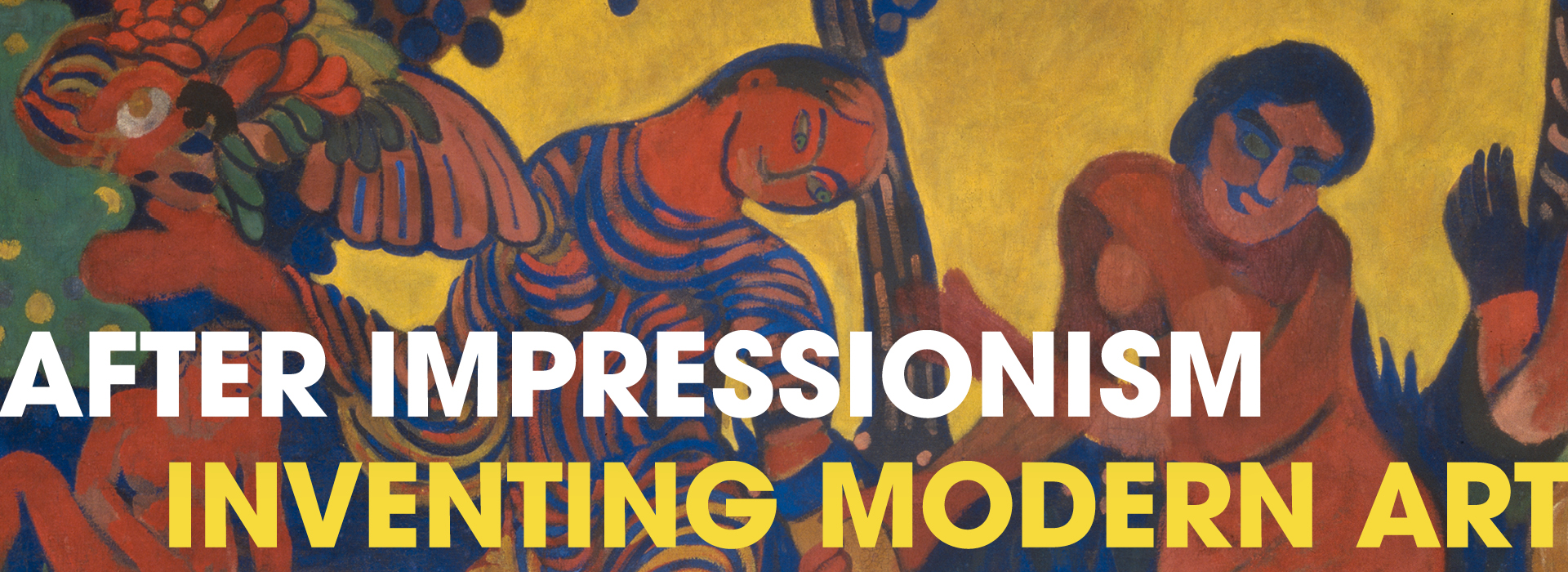
 designboom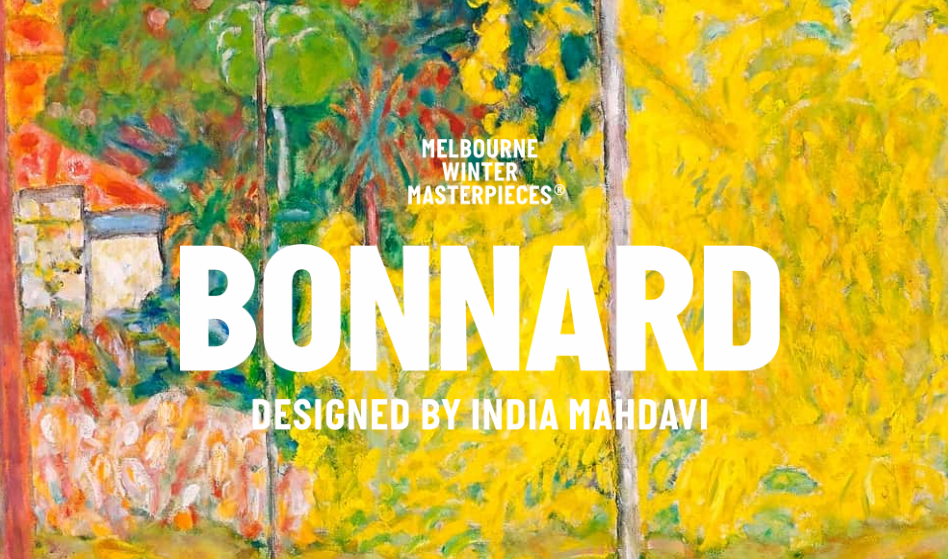


 Boomers Daily