
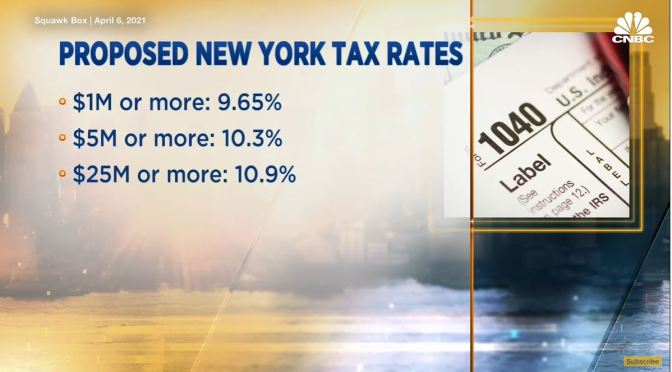
To balance their budgets during the coronavirus pandemic, states including New Jersey and New York have raised taxes on the wealthy. Conservatives warn that it will cause many of those who left at the onset of the pandemic make those moves permanent since they’re no longer bound to the physical locations of their offices or their children’s schools. But available data from 2020 show that the so-called exodus wasn’t as pronounced as initially projected, and the urban exit that did happen, was to suburbs rather than low tax states.
Tag Archives: Economics
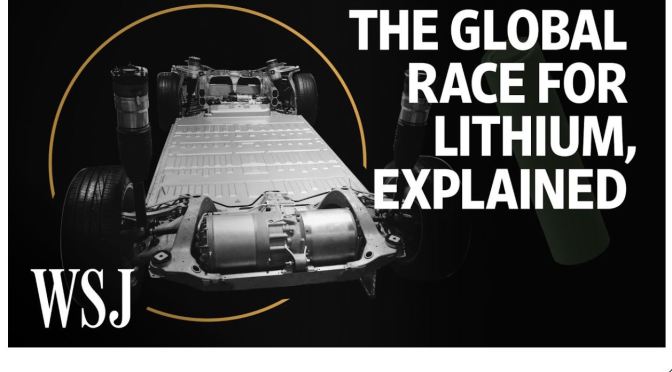
Analysis: The Global Race To Produce ‘Lithium’ (WSJ)
Demand for lithium is expected to outpace global supply as consumers switch to battery-powered vehicles. With China currently leading in processing of the vital raw material, the U.S. government is looking to boost domestic production. Photo illustration: Carlos Waters/WSJ

Analysis: Is New York City At Risk Of Bankruptcy?
Mass unemployment, colossal bankruptcies, and a shattered tourism industry have ravaged New York City during the coronavirus pandemic. In January 2021, Governor Andrew Cuomo proposed raising taxes on the wealthy, while cutting Medicaid and school spending to balance the multi-billion dollar budget deficit. Opponents say tax hikes could lead to a mass exodus of the wealthy New Yorkers who fund a large portion of the city’s revenue. Others say that the crisis has exasperated existing inequalities and cutting social services will only hurt those most affected.

Video Analysis: How Vaccine Passports Can Kick-Start The Economy
Vaccine passports are likely to become a feature of everyday life as lockdowns are lifted across the world. But as “green passes” kick-start economies, what are the potential drawbacks? Read more of our coverage on coronavirus : https://econ.st/397Mkxq
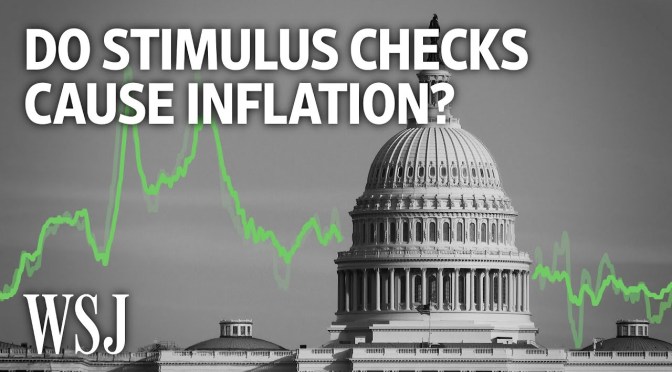
Analysis: Will U.S. Stimulus Checks Cause Inflation?
The IRS sent roughly 90 million stimulus checks to Americans in March. WSJ’s chief economics commentator Greg Ip explains why stimulus checks alone are unlikely to spur inflation. Photo Illustration: Carlos Waters
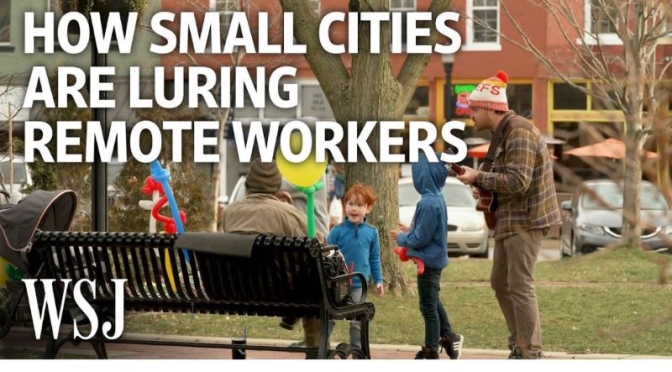
Employment: ‘How Small Cities Are Attracting Remote Workers’ (Video)
As the pandemic changes how — and where — professionals work, some smaller cities and regions are offering hefty relocation incentives to attract remote workers to help jumpstart their local economies. WSJ met one family who accepted an offer to make a new home in the Ozarks. Photo: Craig Kauffman for the Wall Street Journal
Analysis: What Makes ‘Costco’ So Successful
Costco is one of the biggest and most successful retailers in the country. In this video, WSJ’s Sarah Nassauer dissects the wholesaler’s unique approach to doing business. Photo: Qian Weizhong/ZUMA Press

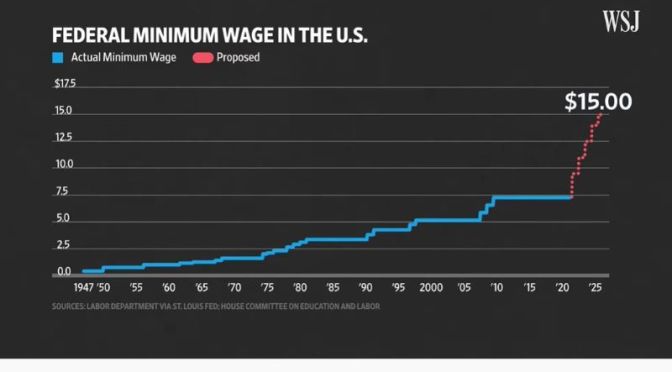
The Economy: How A $15 Minimum Wage Effects It
Biden has identified raising the minimum wage as a key goal of his administration, but economists and lawmakers disagree on the potential impact. WSJ asked two economists and a minimum-wage worker what the costs and benefits of a $15 minimum wage might be. Photo: Bill Clark/Congressional Quarterly/Zuma Press

Luxury Brands: ‘Why Some Watches Are So Expensive’
Expensive materials, delicate craftsmanship, and an economic principle that turns the usual equation of supply and demand on its head. WSJ explains why some watchmakers can charge hundreds of thousands of dollars for a single timepiece. Illustration: Alex Kuzoian/WSJ
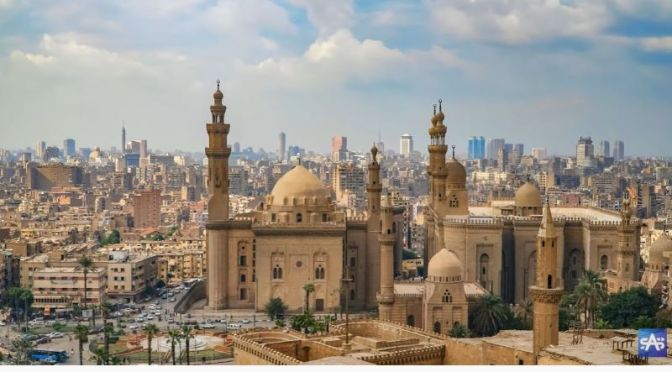
Africa: ‘An Economic History Of Egypt’ (Video)
The Egyptian Economy was the only one in the Middle East North Africa region to avoid a recession in 2020. Being a good reflection of the economic rollercoaster Egypt routinely finds itself on. One driven by inflation rates of up to 30% a year, a halving of its currency and a painful IMF bailout in 2016. But how did Egypt’s Economy find itself in this situation? What impacts did Five Year Plans, spending nearly 20% of GDP on the military and widespread nationalisation have on its economy? Why is Egypt the world’s largest importer of wheat? And perhaps most importantly, what has its post 2011 revolution delivered?
Egypt, a country linking northeast Africa with the Middle East, dates to the time of the pharaohs. Millennia-old monuments sit along the fertile Nile River Valley, including Giza’s colossal Pyramids and Great Sphinx as well as Luxor’s hieroglyph-lined Karnak Temple and Valley of the Kings tombs. The capital, Cairo, is home to Ottoman landmarks like Muhammad Ali Mosque and the Egyptian Museum, a trove of antiquities.
 Boomers Daily