
 The Economist reports on the rise of American unemployment, tensions with China and South Korea falls into recession.
 The Economist reports on the rise of American unemployment, tensions with China and South Korea falls into recession.
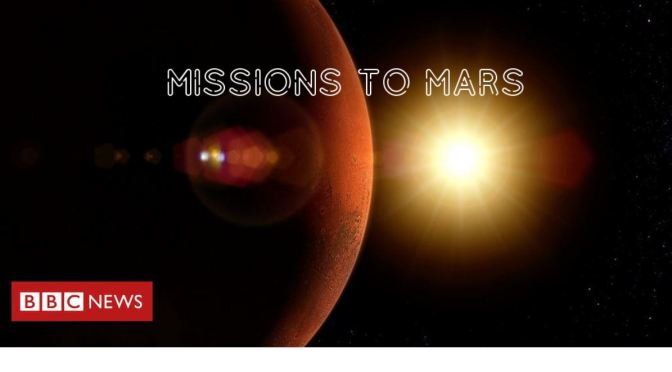
Why are there so many attempts to get to Mars at the moment? The United Arab Emirate’s Hope satellite was despatched last week and now China has launched its first rover mission to the red planet. Nasa’s Perseverance Rover is scheduled to take off on 30th July. Well, summer 2020 is a popular time for missions to the red planet because of the way the planets align – but how long does it take to get there? Landing on Mars is known as the “seven minutes of terror”, and there are lots of reasons why. Here BBC Science Correspondent Laura Foster explains how long it takes to get there and why it’s so difficult. Video by Megan Fisher, Terry Saunders and Laura Foster
 The U.K. and China made big news with promising results in vaccine development for the coronavirus — the US, Russia and at least five other countries are also working on possible vaccines.
But for a vaccine to work effectively, these countries should be working together. Instead, they’re clashing. Countries like the US and Canada have even accused Russia of stealing our vaccine research. Plus:
Guests: Axios’ Dave Lawler, Stef Kight, and Sara Fischer
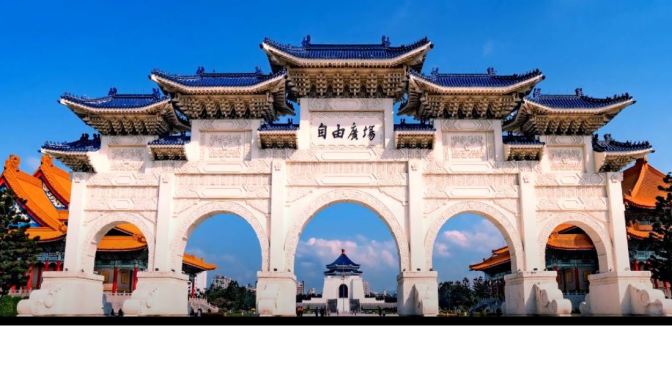
After months of being on high alert, life in Beijing has largely returned to normal. Shops and cafés have reopened – although you still have to wear a mask to enter, and get your temperature checked. Children can be heard playing outside, and traffic jams are back. Until things return to normal in your neighbourhood, enjoy a sneak peak at this populous, ancient capital from the comfort and quiet of your home.
The Economist Morning Briefing, July 14th, 2020: Coronavirus cases surpass 13m and China and America trade insults. Live from Zürich: Tyler Brûlé and his guests discuss the weekend’s news, the Swiss design world and the best recipes for a Sunday dinner.
A selection of three essential articles read aloud from the latest issue of The Economist. This week: Police violence, race and protest in America, How will China’s Belt and Road Initiative survive? (10:30) And, Alexander Pushkin’s productive lockdown (23:10).
 A selection of three essential articles read aloud from the latest issue of The Economist. This week, how the world’s most powerful country is handling covid-19, China’s decision to impose a security law on Hong Kong threatens a broader reckoning (10:04). And why mercenaries are still hired by African governments (18:30).
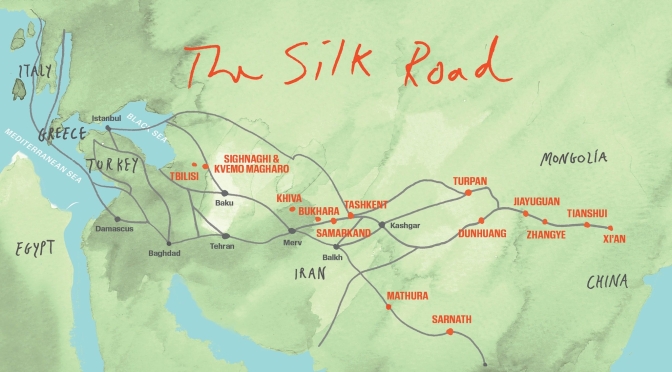
For years, Silk Road travelers made the grueling trek past towering mountain ranges and ancient cities now lost to time. Centuries later, one writer attempts to retrace the journey.

This year, T’s spring Travel issue is devoted to just five stories, each an account of its writer’s journey along a different section of the Silk Road — the ancient network of trade routes that until the 15th or 16th century spanned some 4,000 miles of the globe, from Central Asia across the Middle East to Southern Europe, and formed a vital conduit for both new commodities and new ideas. While venturing to faraway places might seem like a distant possibility now, a year after this issue began to take shape, as we reckon with the global pandemic, these pieces are a powerful reminder of our innate desire to move and explore.
From Christie’s article (April 22, 2020):
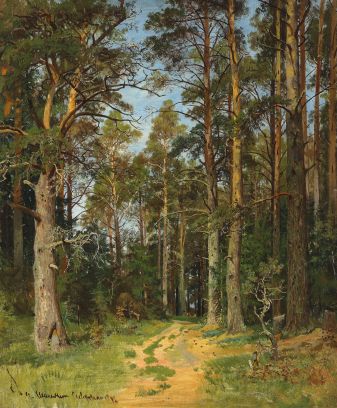
From Switzerland to South America, from the South of England to the coast of Maine, they have been moved by mountains, oceans, deserts, plains, lakes and forests — we hope you will find their art every bit as stirring as we do
Siverskaya, located 70km south of St Petersburg, was a popular summer retreat for Russian city-dwellers in the 19th century. It was in Siverskaya and its neighbouring woods that Ivan Shishkin — one of Russia’s most famous landscape painters, dubbed ‘the patriarch of forests’ — created some of his best-known works.
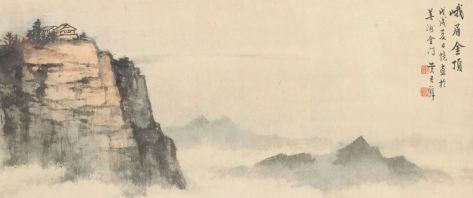
Mount Emei in Sichuan, southwest China, is the highest of China’s four sacred Buddhist mountains, reaching to 3,099 metres. The mountain is a place of pilgrimage, where dozens of temples and monasteries have been erected, and has been an inspiration for artists for centuries.
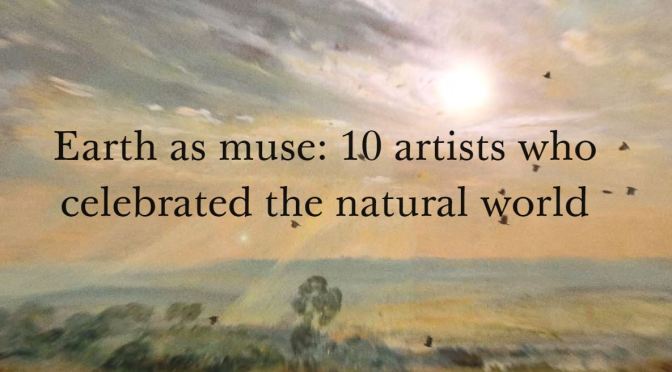
Wednesday 22 April, 2020 marks 50 years since the declaration of the first Earth Day in 1970 — an occasion on which to reflect on our natural world, and perhaps take action to help sustain it. In celebration of this anniversary, we look back on a selection of artists for whom nature — and our planet — has been an inspiration and guide.




 Boomers Daily