Tag Archives: Cardiology

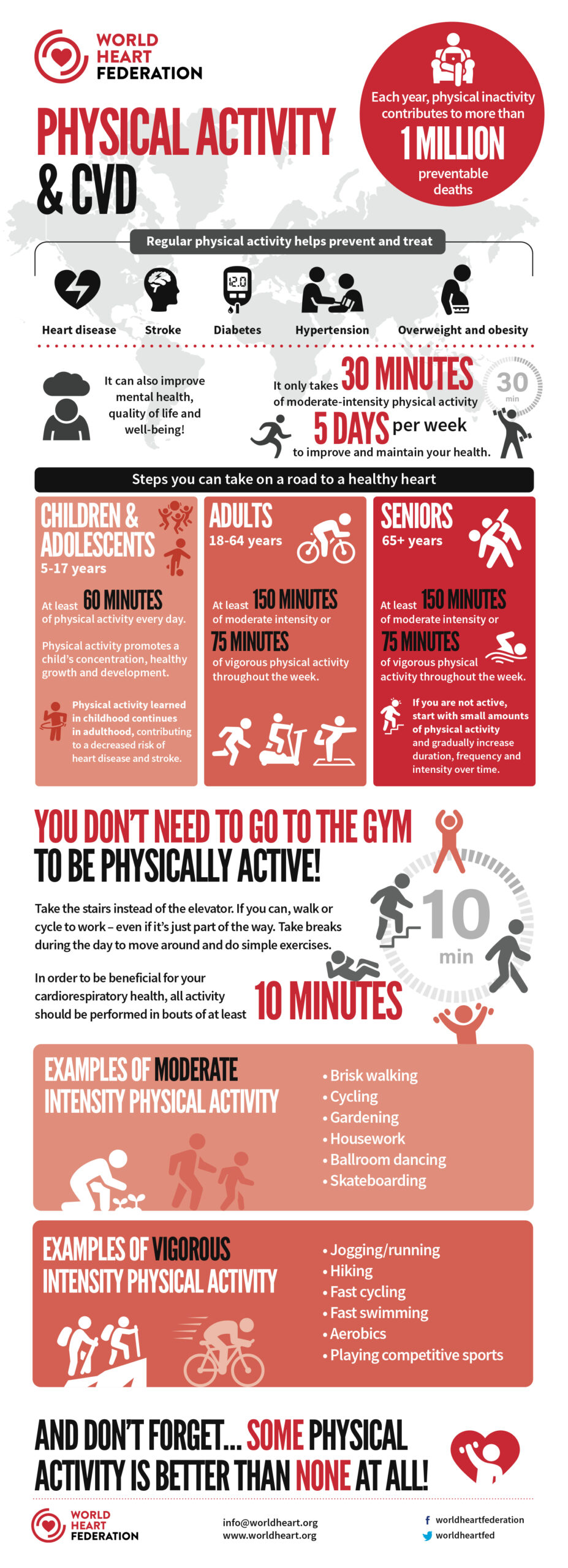
Health: Regular Exercise Prevents Heart Disease

 Frequent exercise is robustly associated with a decrease in cardiovascular mortality as well as the risk of developing cardiovascular disease. Physically active individuals have lower blood pressure, higher insulin sensitivity, and a more favorable plasma lipoprotein profile. Animal models of exercise show that repeated physical activity suppresses atherogenesis and increases the availability of vasodilatory mediators such as nitric oxide.

Exercise has also been found to have beneficial effects on the heart. Acutely, exercise increases cardiac output and blood pressure, but individuals adapted to exercise show lower resting heart rate and cardiac hypertrophy. 

READ MORE

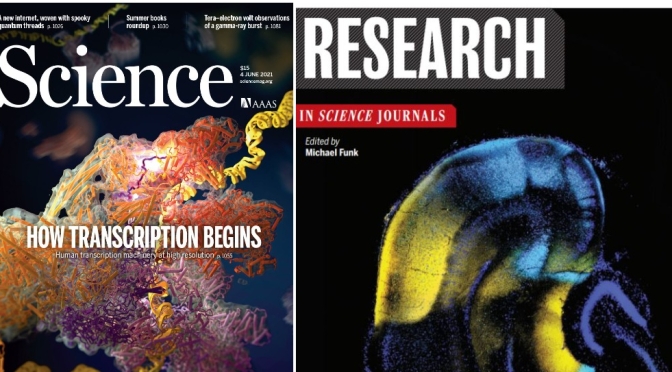
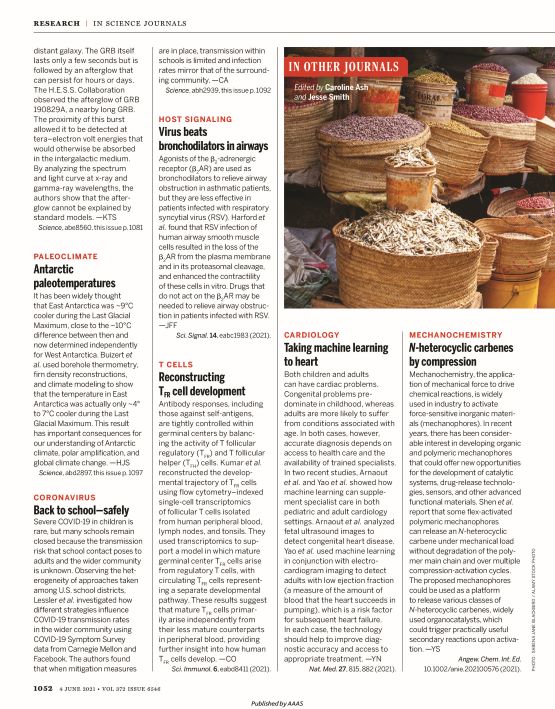
2021 Heart Research: Top Findings Of Cardiologists

Coronary artery bypass graft (CABG) was supported as superior to fractional flow reserve (FFR)–guided percutaneous coronary intervention (PCI) for three-vessel coronary artery disease (CAD). PCI failed to meet noninferiority criteria at 1-year follow-up in a study comparing outcomes between FFR-guided PCI using contemporary stents and CABG. This adds to existing evidence showing superior outcomes with CABG in patients with the most-complex CAD.

The sodium–glucose transporter-2 (SGLT-2) inhibitor empagliflozin was found to be beneficial in heart failure with preserved ejection fraction. Empagliflozin is the first medication shown to improve outcomes in this population. It’s unknown if this is a class effect of all SGLT-2 inhibitors, but this could be a game changer.

Poor-quality carbohydrates were linked to cardiovascular mortality, around the world. Consumption of higher-glycemic-index carbohydrates was associated with higher rates of cardiovascular disease and mortality in countries all around the world. These data are particularly important because lower-income countries often have diets high in refined carbohydrates, which may worsen cardiovascular disparities.

New guidelines for managing valvular heart disease were released. These new guidelines add or elevate several recommendations for transcatheter therapy, and they lower thresholds for intervention in some conditions.

The editors of Circulation: Cardiovascular Quality and Outcomes addressed racial-ethnic disparities. The editors affirmed that structural racism is a public health crisis and that the scientific publishing community can play a role in addressing it.

Tricuspid annuloplasty for moderate regurgitation during mitral-valve surgery was of unclear benefit. Annuloplasty was associated with less progression of moderate tricuspid regurgitation but more pacemakers at 2 years. Unfortunately, this mixed outcome does not clearly inform the decision on performing annuloplasty at the time of surgery, and longer-term follow-up is needed.

Immediate angiography was not beneficial in out-of-hospital cardiac arrest without ST elevation. Patients with out-of-hospital cardiac arrest who did not have ST elevation on their initial ECG did not benefit from immediate angiography. Although a potential coronary culprit was identified in about 40% of patients, neurologic injury was by far the most frequent cause of death, negating any benefit from coronary revascularization.

Many statin side effects are related to the “nocebo” effect. A creative study enrolled 60 people with statin intolerance and gave them 12 randomly ordered 1-month treatment periods: 4 periods of no medication, 4 of placebo, and 4 of statin. Symptom intensity did not differ between placebo and statin periods and, interestingly, some even had more symptoms on placebo. This demonstrates that some cases of “statin intolerance” may be related to the “nocebo” effect.

Shorter duration of dual antiplatelet therapy following PCI/stent placement was found to be acceptable in patients with high bleeding risk. A large, randomized trial found that 1 month of dual antiplatelet therapy provided similar clinical outcomes and a lower bleeding risk than 3-to-6-month regimens for this challenging patient subset.

De-escalation” of dual antiplatelet therapy for patients undergoing PCI for acute myocardial infarction (MI). This industry-funded study evaluated patients who had received 1 month of aspirin plus ticagrelor after acute MI and stent placement and “de-escalated” half to aspirin plus clopidogrel. At 1 year, there was significantly less bleeding in the de-escalation group and a nonsignificant trend toward fewer ischemic events as well.

Heart Failure: ‘What Is It & How To Treat It’ (Video)

The heart is a hero. It works relentlessly to deliver oxygen and nutrients to the body. But just like all heroes, sometimes it gets tired, and can’t do its job as well. This is called heart failure – the inability for the heart to pump enough blood and oxygen to the lungs and rest of the body. In this video, Northwestern Medicine cardiologists Clyde W. Yancy, MD, MSc and Jane E. Wilcox, MD, MSc explain what heart failure is and the integrated and collaborative approach used to diagnose, stage and treat heart failure at Northwestern Medicine. For more information, visit http://heart.nm.org

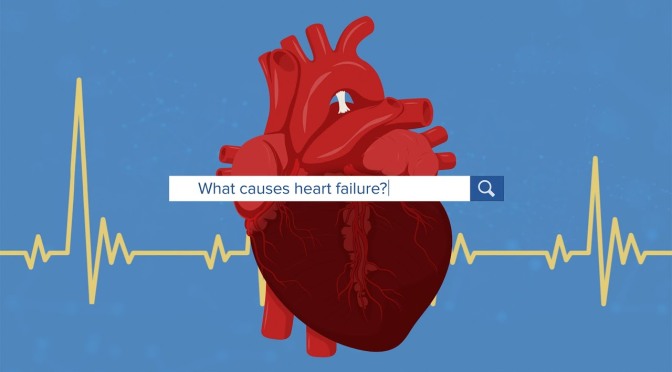
Yale Medicine: ‘What Causes Heart Failure?’

The heart is a muscle and it’s main job is to pump blood but certain things can cause that muscle to fail. There are genetic reasons, there are reasons related to valve disease, and there’s a viral infection that affects the heart called myocarditis.

The most common cause of heart failure is a heart attack. Fatty plaque builds up in the blood vessel that supplies the heart itself and unless that blood vessel is opened up immediately that muscle will die. The rest of the muscle that’s not dead anymore has to do extra to keep on pumping the blood and overtime it cannot keep and that’s when heart failure develops.

Health Studies: 80% Of Married Couples Share Heart Disease Risks, Poor Health Lifestyles (JAMA)

OCTOBER 26, 2020

In this cross-sectional study of 5364 couples consisting of employees and spouses (or domestic partners) undergoing an annual employer-sponsored health assessment, 79% of the couples were in the nonideal category of a CV health score. This within-couple concordance of nonideal CV health scores was associated mostly with unhealthy diet and inadequate physical activity.

The study included 10 728 participants (5364 couples): 7% were African American, 11% Hispanic, 21% Asian, and 54% White (median [interquartile range] age, 50 [41-57] years for men and 47 [39-55] for women). For most couples, both members were in the ideal category or both were in a nonideal category.

Concordance ranged from 53% (95% CI, 52%-54%) for cholesterol to 95% (95% CI, 94%-95%) for diet. For the CV health score, in 79% (95% CI, 78%-80%) of couples both members were in a nonideal category, which was associated mainly with unhealthy diet (94% [95% CI, 93%-94%] of couples) and inadequate exercise (53% [95% CI, 52%-55%] of couples). However, in most couples, both members were in the ideal category for smoking status (60% [95% CI, 59%-61%] of couples) and glucose (56% [95% CI, 55%-58%]).

Except for total cholesterol, when 1 member of a couple was in the ideal category, the other member was likely also to be in the ideal category: the adjusted odds ratios for also being in the ideal category ranged from 1.3 (95% CI, 1.1-1.5; P ≤ .001) for blood pressure to 10.6 (95% CI, 7.4-15.3; P ≤ .001) for diet. Concordance differed by ethnicity, socioeconomic status, and geographic location.

Read full study