The pandemic and hybrid working have changed the very idea of the office. This is not only changing the design and purpose of offices, but the look of cities too.
Chapters 00:00 – The office: a shifting concept 00:57 – What do future offices look like? 02:30 – The office as a social destination 03:20 – The rising demand for flexible work 04:06 – How should hybrid employees be managed? 06:01 – Will hybrid work worsen gender inequality? 06:36 – How will flexible working reshape cities?
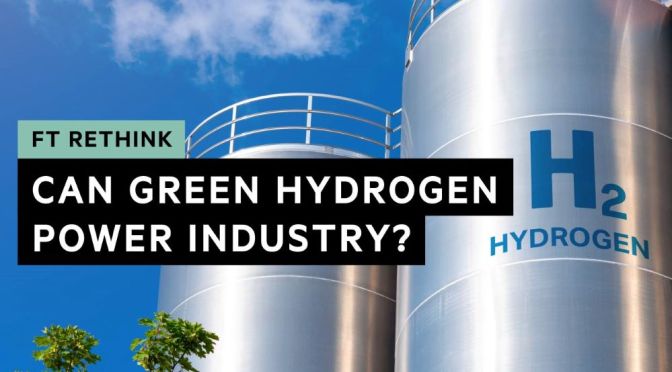
Heavy industries must decarbonise dramatically to reach net zero. Replacing fossil fuels with green hydrogen, created with renewable energy, is one way to reduce emissions. Examples of green hydrogen being used in various industries are emerging, but as the FT’s Sylvia Pfeifer reports, this carbon-free innovation faces a major challenge to scale up.
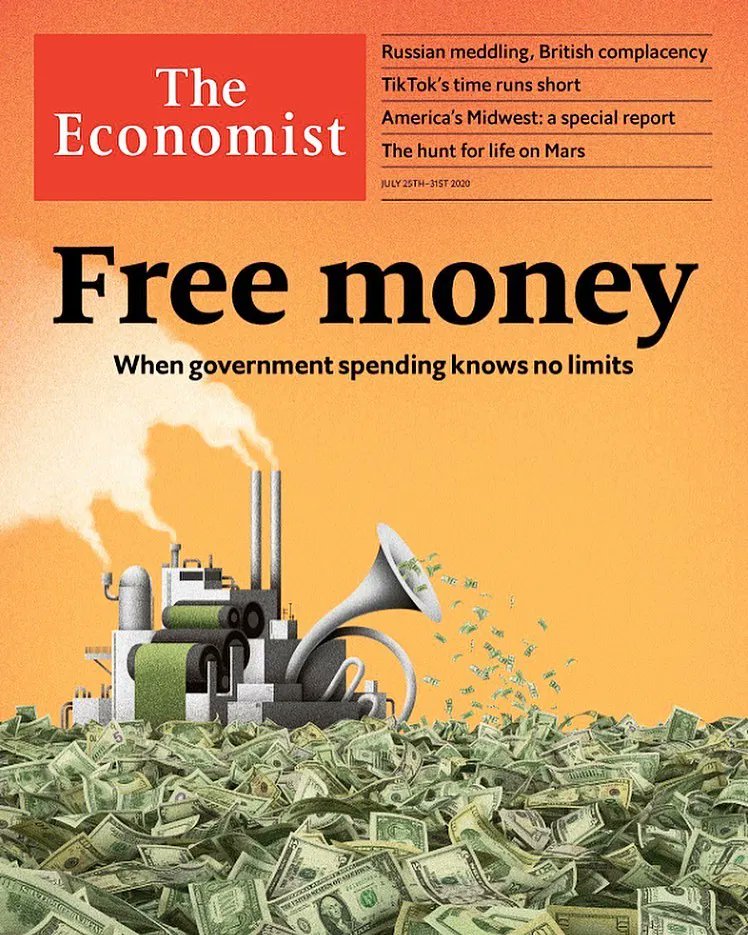
Budget constraints have gone missing. That presents both danger and opportunity
It is sometimes said that governments wasted the global financial crisis of 2007-09 by failing to rethink economic policy after the dust settled. Nobody will say the same about the covid-19 pandemic. It has led to a desperate scramble to enact policies that only a few months ago were either unimaginable or heretical. A profound shift is now taking place in economics as a result, of the sort that happens only once in a generation. Much as in the 1970s when clubby Keynesianism gave way to Milton Friedman’s austere monetarism, and in the 1990s when central banks were given their independence, so the pandemic marks the start of a new era. Its overriding preoccupation will be exploiting the opportunities and containing the enormous risks that stem from a supersized level of state intervention in the economy and financial markets.
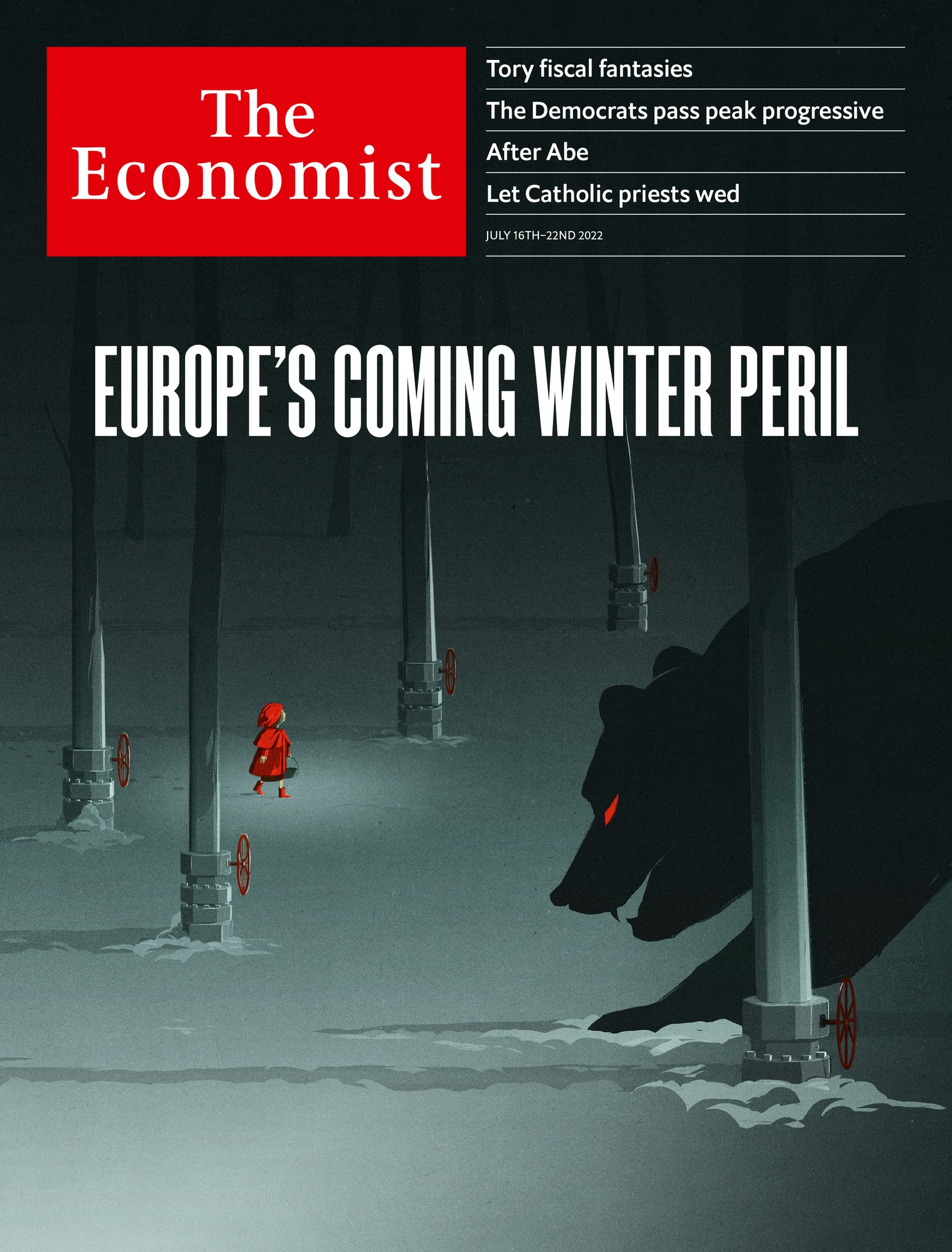
Even as temperatures soar Europe faces a bitter energy crisis later this year
There may be a heatwave in Europe, but winter is coming. It promises to be brutal and divisive: the energy crisis is rapidly worsening as Vladimir Putin strangles gas supplies https://econ.st/3aJz3ir
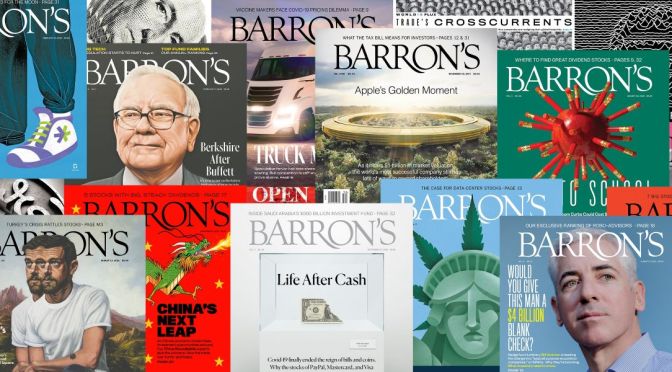
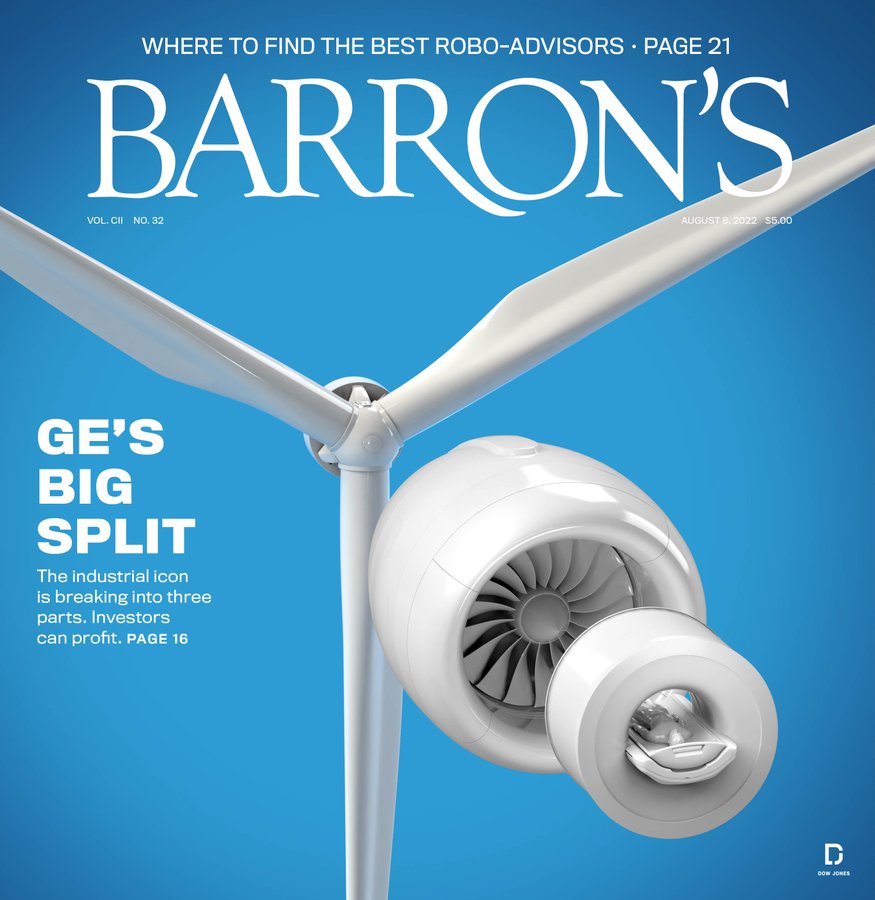
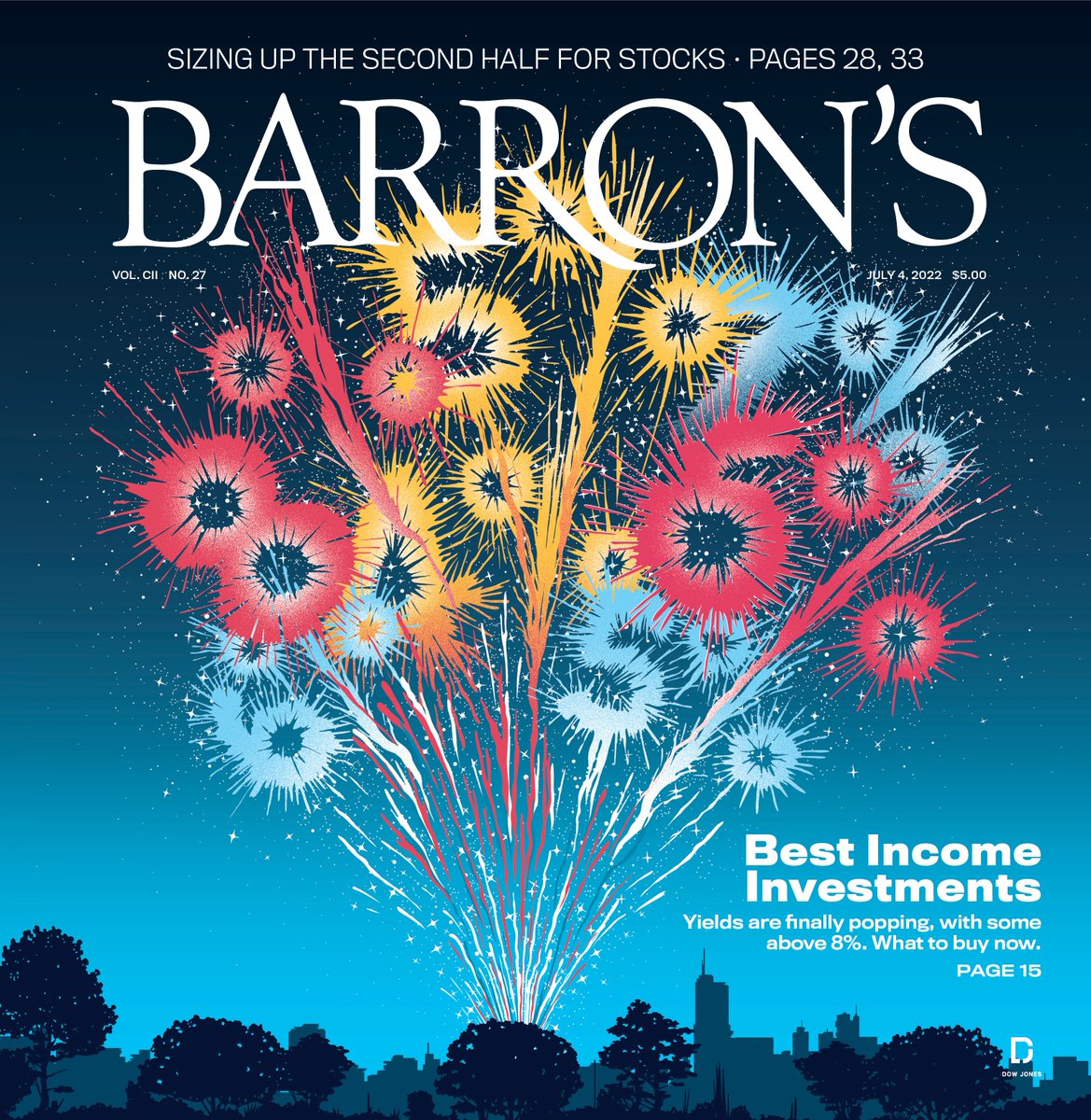
Barron's Midyear Roundtable panelists are split on where the economy and markets are headed, but they agree this year's selloff has left plenty of bargains. In this issue: pic.twitter.com/wvUvQuglE7
In our modern consumer society, Type 2 diabetes has become a widespread disease. Companies are developing drugs that are increasingly expensive, but not necessarily more effective. Health authorities are powerless. Diabetes is spreading rapidly, all over the world. The disease destroys lives and puts a strain on public budgets.
The UN is calling on governments to take action. Diabetes is proof that modern societies are incapable of adequately treating chronic disease. It affects around 430 million people worldwide, with two main metabolic disorders falling under the name diabetes. Type 1 is an autoimmune disease that must be treated with lifelong doses of insulin, while type 2 can develop when a person’s diet is too high in fat and sugar and they do not engage in enough physical activity.
With turnover of $46 billion, diabetes is a massive and extremely lucrative market. Constantly promised miracle cures have not led to satisfactory treatment, with patients either taking too many drugs or no longer being able to afford them. It’s a desperate situation, and the only ones benefiting seem to be pharmaceutical companies. A medical focus on blood glucose levels has led to an overreliance on medication, sometimes without due concern for dangerous side effects.
Patients become trapped in a cycle of treatment, which in many cases still does not halt the disease’s progression. This can lead to amputations, blindness and heart attacks. And yet there are alternatives that could flatten the curve of the type 2 diabetes epidemic, while reducing health care spending. Improved diet can be a preventative measure, and a strict adherence to diet can also bring about remission in the case of Type 2 diabetes.
But these solutions require effort, as well as a complete rethinking of chronic disease management. Filmed on three continents, this documentary features industry whistleblowers, patients, researchers and medical professionals. It also confronts pharmaceutical companies about their responsibility for the situation.
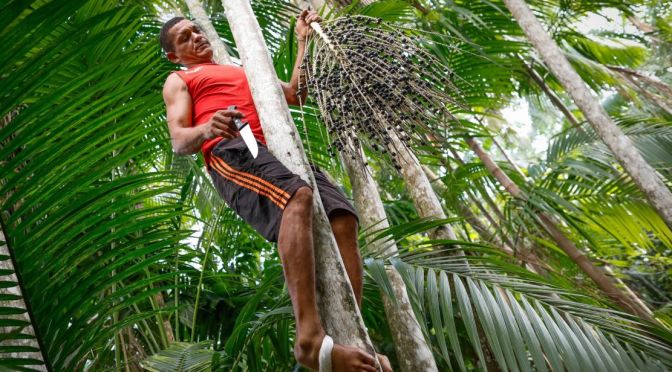
Most of the world’s açaí comes from the Amazon rainforest. People risk their lives to harvest the fruit, climbing palm trees that can grow taller than 50 feet. And while açaí has become one of the trendiest superfoods in recent decades, small farmers aren’t seeing a lot of the profits. The açaí industry has also taken heat over reports of child labor. We went to Brazil to find out how the world’s açaí gets from the Amazon to smoothie shops around the world.
The açaí palm, Euterpe oleracea, is a species of palm tree cultivated for its fruit, hearts of palm, leaves, and trunk wood. Global demand for the fruit has expanded rapidly in the 21st century, and the tree is cultivated for that purpose primarily





 Boomers Daily