
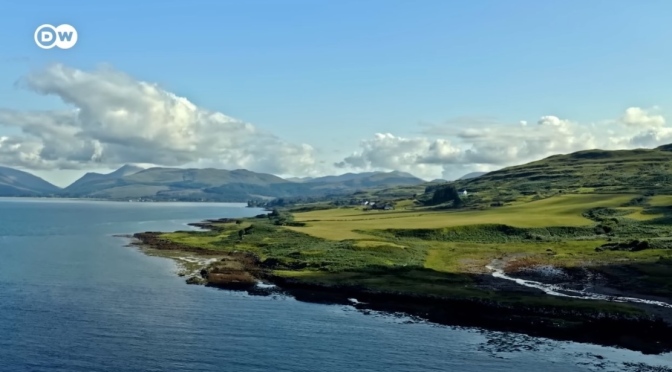

But there is hope. The UK is not exactly known for its stringent environmental policy and following Brexit, many fear that standards are likely to deteriorate. But the UK is also home to coastal regions and islands characterized by wild beauty — and breathtaking diversity. The documentary takes us through some of the most remote landscapes of the country, from the Shetland Islands to Cornwall, the Hebrides and many other areas.
In each location, the film shows the amazing biodiversity of fauna and flora present. The Pembrokeshire Coast National Park in Wales is known for large breeding colonies of many seabird species. Few people live on the Hebrides, located off Scotland. These wild islands are still a natural paradise of rocks, sand and moor. As such, they are biotopes for exotic species such as puffins and guillemots.
In this cinematic journey to the most beautiful natural sites in Britain, viewers meet the people who are trying to protect species threatened by extinction by preserving their habitats. It is a story of hope, one that indicates that a change in people’s thinking is taking place.
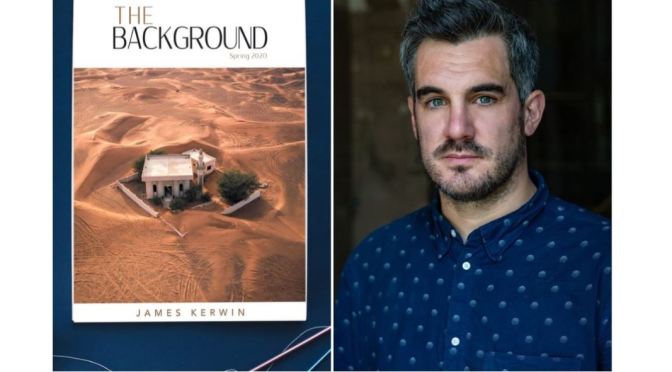
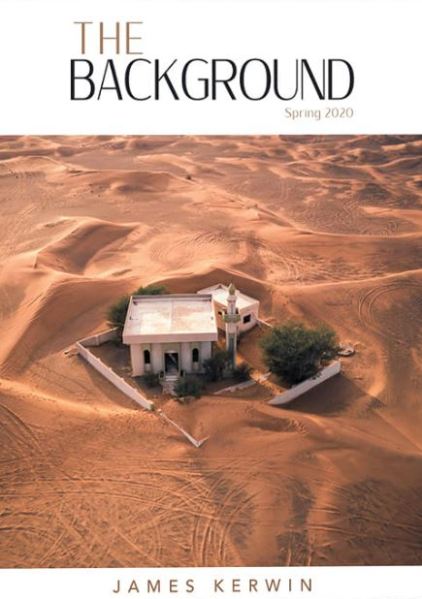 As you will see from my portfolio, travel plays a huge part in my image-making. I visited nine countries in 2017 alone, and close to twenty since my journey into architectural photography began. I have always been fascinated by different cultures, foods, textures and colours. It is this love for travel, combined with my deep passion for photography, that keeps me motivated and dedicated to putting in the long lonely hours of research and logistical planning to then get out with the camera time and time again.
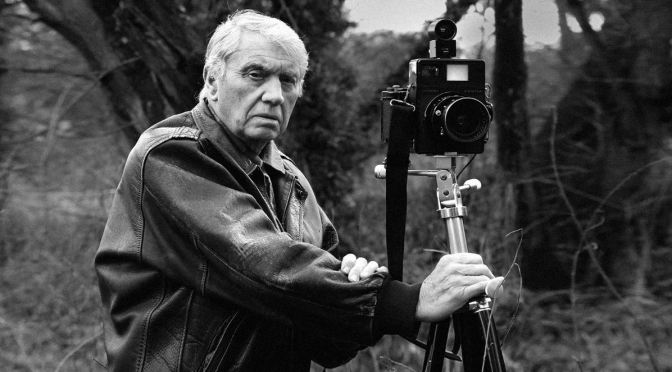
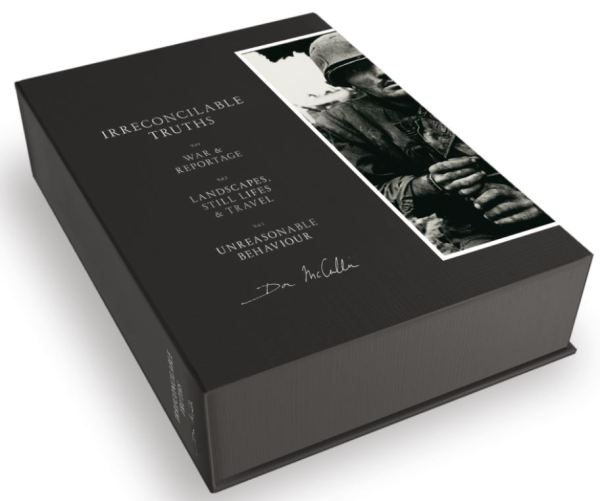 comes over my life when I think […] that I’ve earned my reputation out of other people’s downfall. I’ve photographed dead people and I’ve photographed dying people, and people looking at me who are about to be murdered in alleyways. So I carry the guilt of survival, the shame of not being able to help dying people.’
  On top of a hill a few miles from Don McCullin’s house in Somerset is a dew pond, a perfectly circular artificial pond for watering livestock. Nobody knows how long it has been there; some dew ponds date back to prehistoric times, and it’s tempting to think that this one served the Bronze Age hill-fort that overlooks the site. McCullin is obsessed with the pond. For more than 30 years, whenever he has had the time, he has walked up the hill and stood there with his camera waiting for the right moment to take a photograph. Often, the moment never comes: he can spend hours there, just looking. ‘It’s as if it has a hold over me,’ he tells me when I visit him at home in early January. ‘I can’t leave it alone, I photograph it all the time. And yet I think I’ve done my best picture the first time I ever did it. I can’t tell you how.’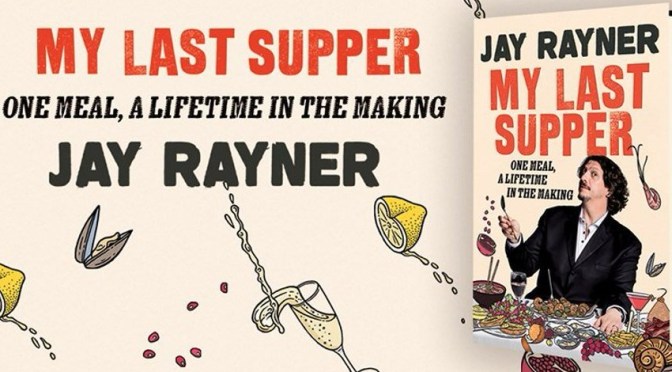
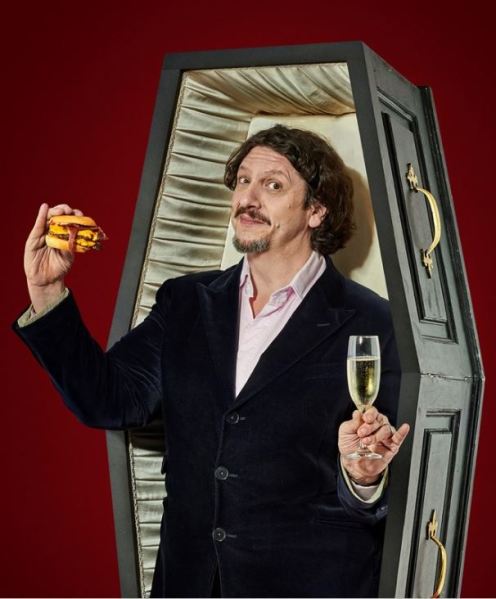 The plan was simple: he would embark on a journey through his life in food in pursuit of the meal to end all meals. It’s a quest that takes him from necking oysters on the Louisiana shoreline to forking away the finest French pastries in Tokyo, and from his earliest memories of snails in garlic butter, through multiple pig-based banquets, to the unforgettable final meal itself.
 ABOUT THE MOTION: This House Prefers Reading Oscar Wilde to George Orwell Do we prefer satire or comedy? Do we take refuge in the serious or the frivolous? Do we understand the importance of being earnest or would we rather be in room 101? These two authors demonstrate well two powerful traditions in British literature, the comic and the satirical. They both of course share in each other’s art. Some would argue that during our present global crises we should look to Orwell more than ever, others would reach for the escapism of Oscar Wilde. In a new enterprise for the Cambridge Union, we are beginning our cultural debates – and this is our first. At least for a while.
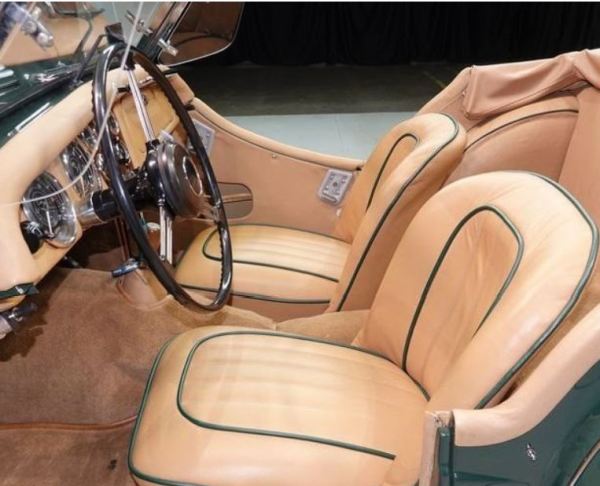 The Triumph TR3 is a British sports car produced between 1955 and 1962 by the Standard-Triumph Motor Company of Coventry, England. A traditional roadster, the TR3 is an evolution of the company’s earlier
 Boomers Daily