
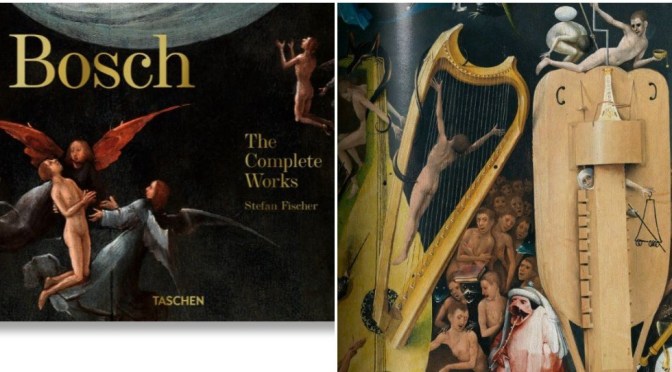
 A bird-monster devouring sinners, naked bodies in tantric contortions, a pair of ears brandishing a sharpened blade: with just 20 paintings and nine drawings to his name, Netherlandish visionary Hieronymus Bosch (c. 1450–1516) secured his place as a pillar of art history. To this day, the painter par excellence of hell and its demons continues to puzzle and enthrall scholars, artists, designers, and musicians alike.
.
Based on the best-selling XXL edition, which saw TASCHEN commission new and exclusive photography of details and recently restored works, this large-scale monograph presents Bosch’s complete oeuvre. Texts from art historian and Bosch expert Stefan Fischer dissect the many compelling elements that populate each scene, from hybrid creatures of man and beast to Bosch’s pictorial use of proverbs and idioms. By tying together the elusive threads of his oeuvre into one exhaustive overview, this book reveals just what it was about Bosch and his painting that proved so immensely influential.

Features:
- Impeccable full-page reproductions celebrating the artist’s staggering compositional scope
- Enlarged details unveiling the most intricate and bizarre scenes as much as the unsuspected technical minutiae, from subtle brush-strokes to the grain of the canvas
- A fold-out spread drawn from the legendary Last Judgement
- A special chapter focusing on Bosch’s most famous work, the mesmerizing and terrifying triptych The Garden of Earthly Delights


 ulia Hobsbawm is a writer, speaker, social entrepreneur and strategist whose work focuses on finding solutions for humans in an ever-changing world. She speaks to Georgina Godwin about her latest book, ‘The Simplicity Principle: Six Steps Towards Clarity in a Complex World’.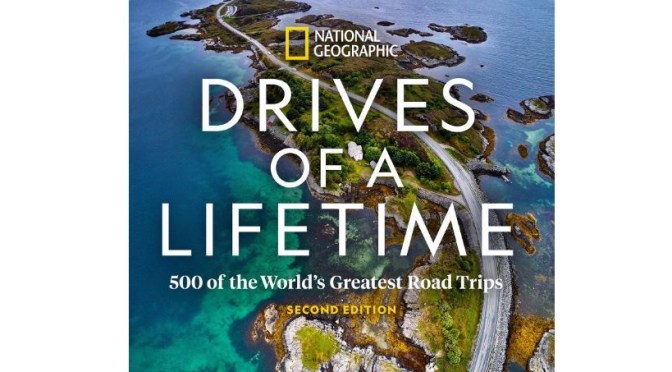
 The possibilities are endless: Take Colorado’s San Juan Skyway for a 10,000-foot climb over towering mountain passes. Or travel the ancient Silk Road on an expedition across Central Asia and through time. Or why not drive the perimeter of Puerto Rico, a tropical paradise with many beaches along the way?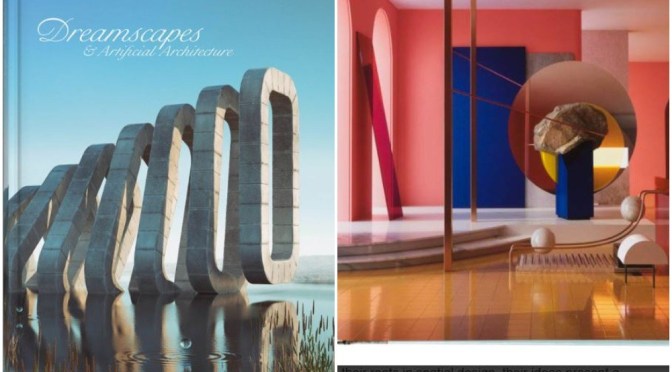
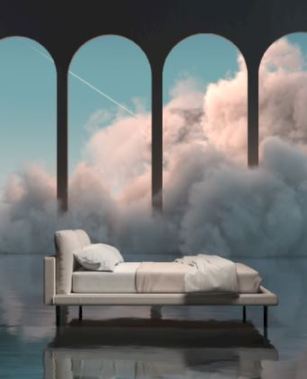 This inspiring compilation of the most innovative projects in digital art covers the work of the artists and creatives at the forefront of this aesthetic. Discover Filip Hodas and his captivating pop culture dystopia artwork series, explore Massimo Colonna’s surrealist urban landscapes and dive into the abstract compositions of Ezequiel Pini, founder of Six N. Five studio.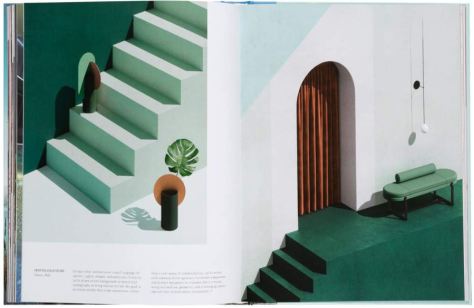

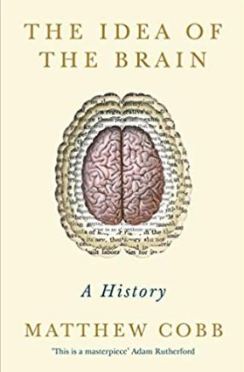 Although it might seem to be a story of ever-increasing knowledge of biology, Cobb shows how our ideas about the brain have been shaped by each era’s most significant technologies. Today we might think the brain is like a supercomputer. In the past, it has been compared to a telegraph, a telephone exchange, or some kind of hydraulic system. What will we think the brain is like tomorrow, when new technology arises?
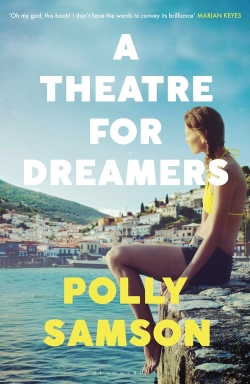 I first went to Hydra six years ago, when it was simply a beautiful Greek island and not a place I went to commune with its ghosts. I don’t think I was even aware that it was
  Boomers Daily