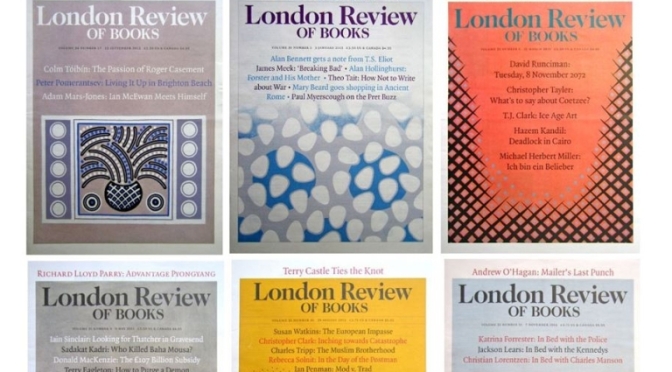
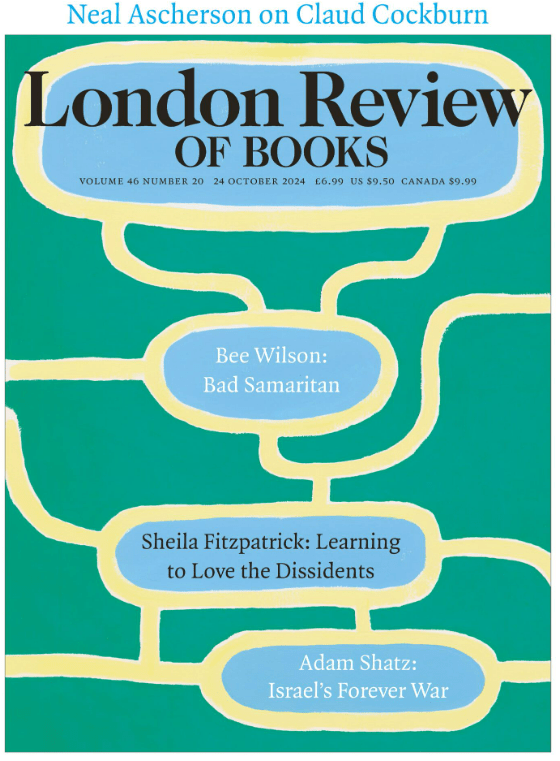
London Review of Books (LRB) – October 16 , 2024: The latest issue features Bee Wilson – Bad Samaritan; Sheila Fitzpatrick – Learning to Love the Dissidents and Adam Shatz – Israel’s Forever War…
To the Success of Our Hopeless Cause: The Many Lives of the Soviet Dissident Movement by Benjamin Nathans
By Michael Wood
At the Movies: ‘Megalopolis’
Believe Nothing until It Is Officially Denied: Claud Cockburn and the Invention of Guerrilla Journalism by Patrick Cockburn
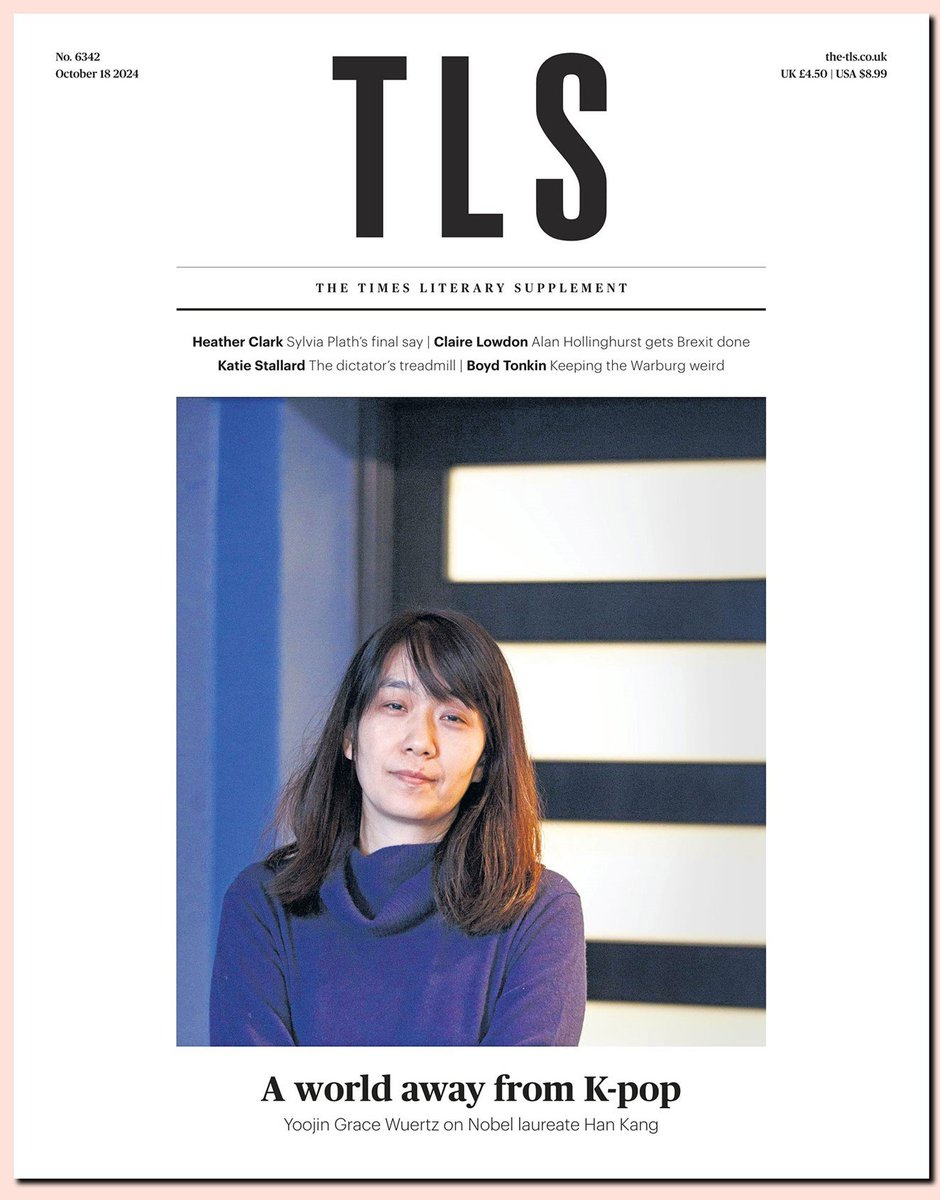
Times Literary Supplement (October 16, 2024): The latest issue features ‘A world away from K-pop -The Nobel laureate Han Kang, Sylvia Plath’s final say; Alan Hollinghurst gets Brexit done; The dictotor’s treadmill; Keeping the Warburg weird…
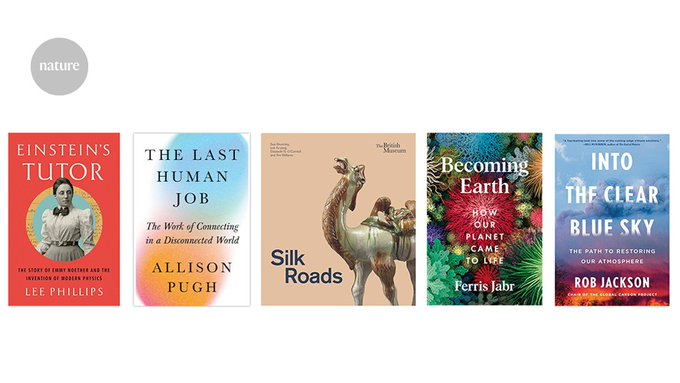
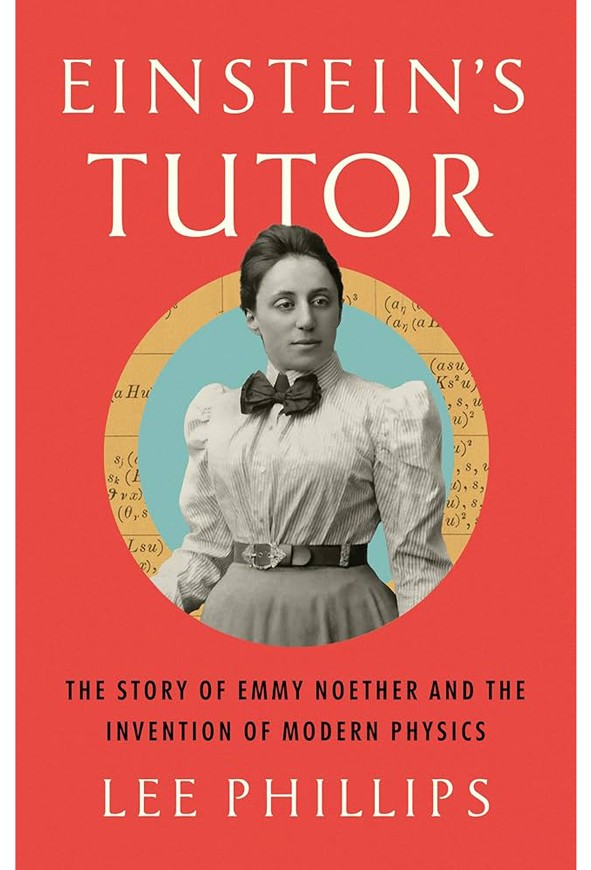
Major studies of Albert Einstein’s work contain minimal, if any, reference to the role of German mathematician Emmy Noether. Yet, she was crucial in resolving a paradox in general relativity through her theorem connecting symmetry and energy-conservation laws, published in 1918. When Noether died in 1935, Einstein called her “the most significant creative mathematical genius thus far produced since the higher education of women began”. In this book about her for the general reader, physicist Lee Phillips brings Noether alive.
Silk Roads
Sue Brunning et al. British Museum Press (2024)
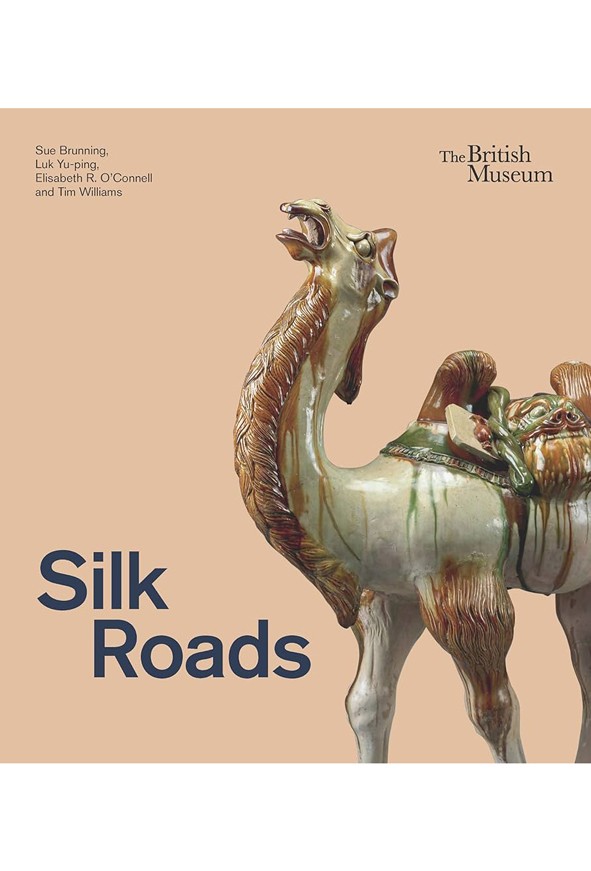
The first object discussed in this lavishly illustrated British Museum exhibition book reveals the far-ranging, mysterious nature of the Silk Roads. It is a Buddha figure, excavated in Sweden from a site dated to around ad 800, and probably created in Pakistan two centuries earlier. No one knows how it reached Europe or its significance there. As the authors — three of them exhibition curators — admit, it is “impossible to capture the full extent and complexity of the Silk Roads in a single publication”— even by limiting their time frame to only five centuries.
The Last Human Job
Allison Pugh Princeton Univ. Press (2024)
A century ago, notes sociologist Allison Pugh, people doing their food shopping gave lists to shop workers, who retrieved the goods then haggled over the prices. The process epitomized what she terms connective labour, which involves “an emotional understanding with another person to create the outcomes we think are important”. A healthy society requires more connective labour, not more automation, she argues in her engaging study, which observes and interviews physicians, teachers, chaplains, hairdressers and more.
Becoming Earth
Ferris Jabr Random House (2024)
According to science journalist Ferris Jabr, his intriguing book about Earth — divided into three sections on rock, water and air — is “an exploration of how life has transformed the planet, a meditation on what it means to say that Earth itself is alive”. If this definition sounds similar to the Gaia hypothesis by chemist James Lovelock and biologist Lynn Margulis, that is welcome to Jabr, who admires Lovelock as a thinker and personality. He also recognizes how the 1970s hypothesis, which evolved over decades, still divides scientists.
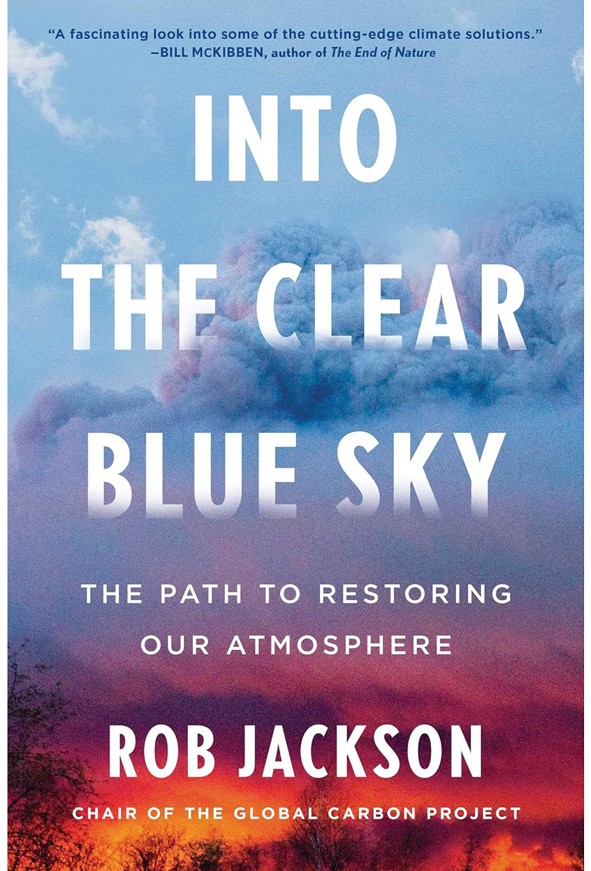
Into the Clear Blue Sky
Rob Jackson Scribner (2024)
Earth scientist Rob Jackson chairs the Global Carbon Project, which works to reduce greenhouse-gas emissions and improve air and water quality. His book begins hopefully on a visit to Rome, where Vatican Museums conservators discuss the “breathtaking” restoration of the blue sky in Michelangelo’s fresco The Last Judgement, damaged by centuries of grime and visitors’ exhalations. But he ends on a deeply pessimistic note on a research boat in Amazonia, which is suffering from both floods and fires: the “Hellocene”.
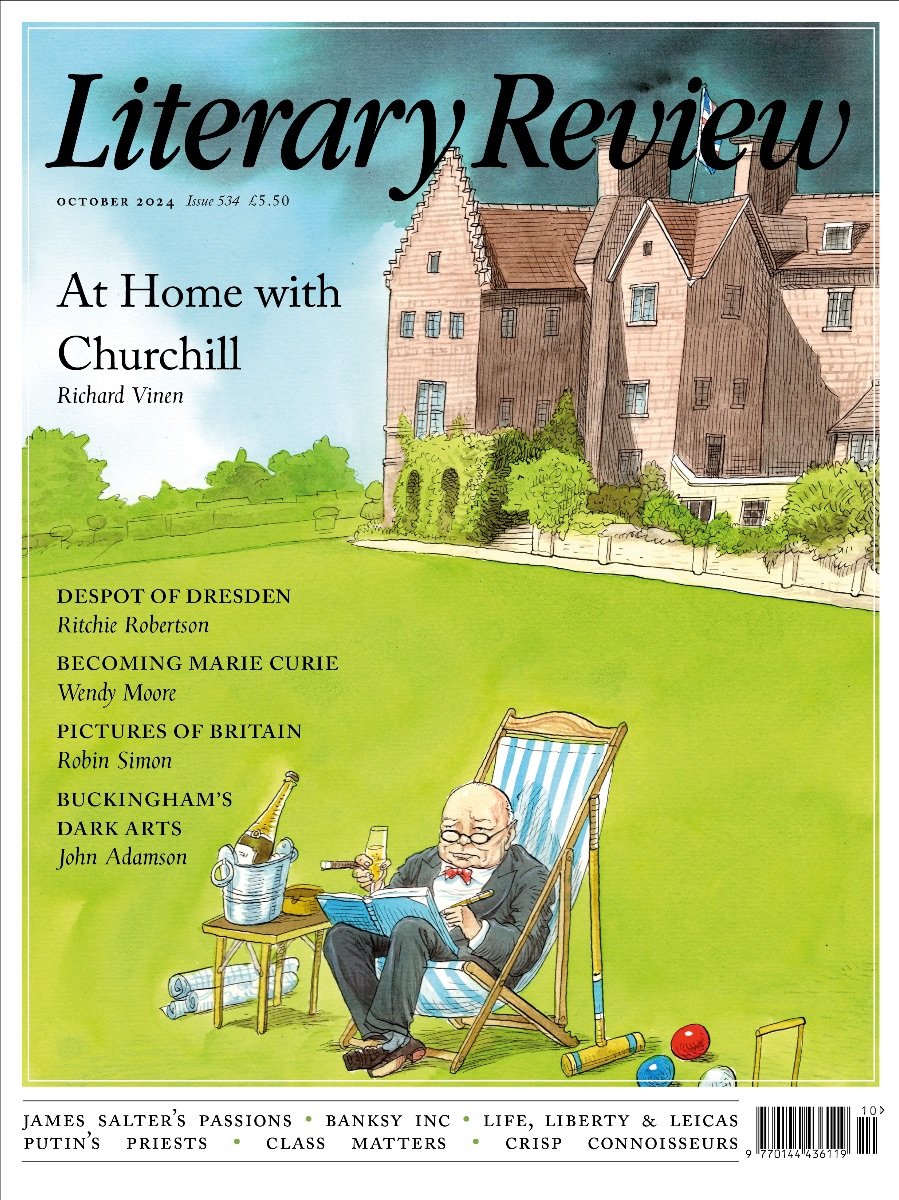
Literary Review – October 2, 2024: The latest issue featuresRichard Vinen on Churchill; @wendymoore99 on Marie Curie; Ritchie Robertson on Augustus the Strong; @robinsimonbaj on British art and @tomlamont on James Salter
‘It’s not a bad life for the leaders of the British bourgeoisie! There’s plenty for them to protect in their capitalist system!’ So wrote Ivan Maisky, the Soviet ambassador in London, after his first visit to Winston Churchill’s country house at Chartwell in Kent. He described the house thus: ‘A wonderful place! Eighty-four acres of land … all clothed in a truly English dark-blue haze.’
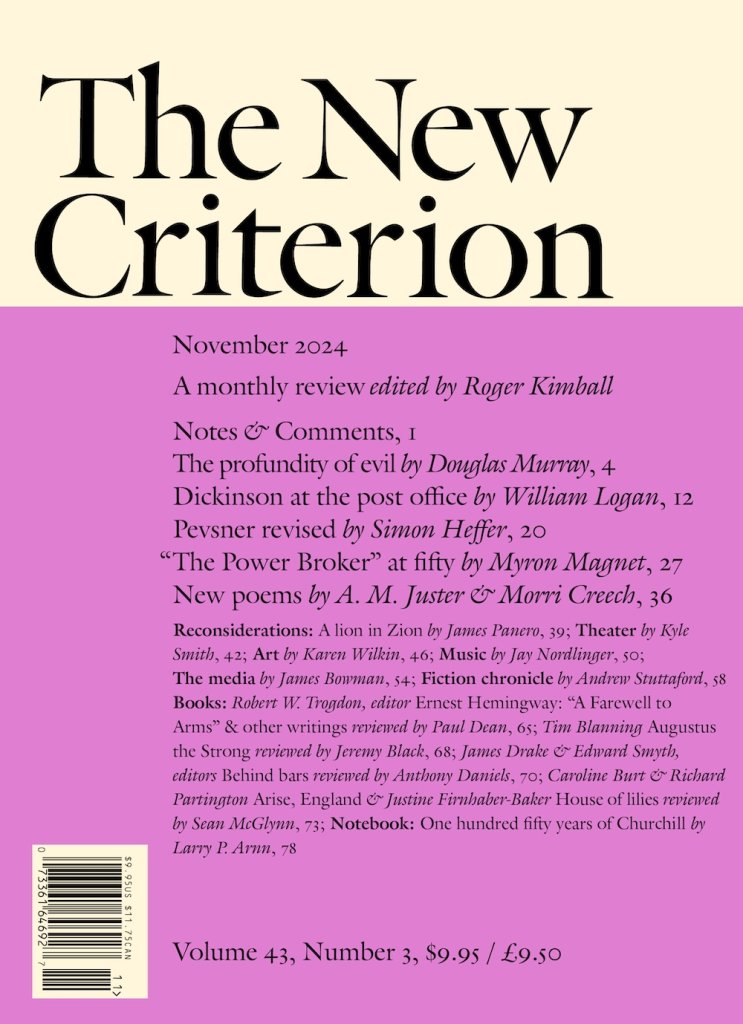
Frederick Augustus (1670–1733), elector of Saxony and king of Poland, owed his sobriquet ‘the Strong’ to such feats as crushing a tin plate in his hand (mentioned by Rilke in the ‘Fifth Duino Elegy’) and to his vigorous sex life. Contemporaries credited him with fathering 354 illegitimate children; Tim Blanning soberly reduces the number to eight. This biography is concerned not with court gossip, however, but with Augustus’s political career and cultural achievements. Blanning celebrates Augustus as the virtual creator of the once-magnificent city of Dresden, where the kings of Saxony resided, and hence, surprisingly, as ‘a great artist, arguably the greatest of his age’.
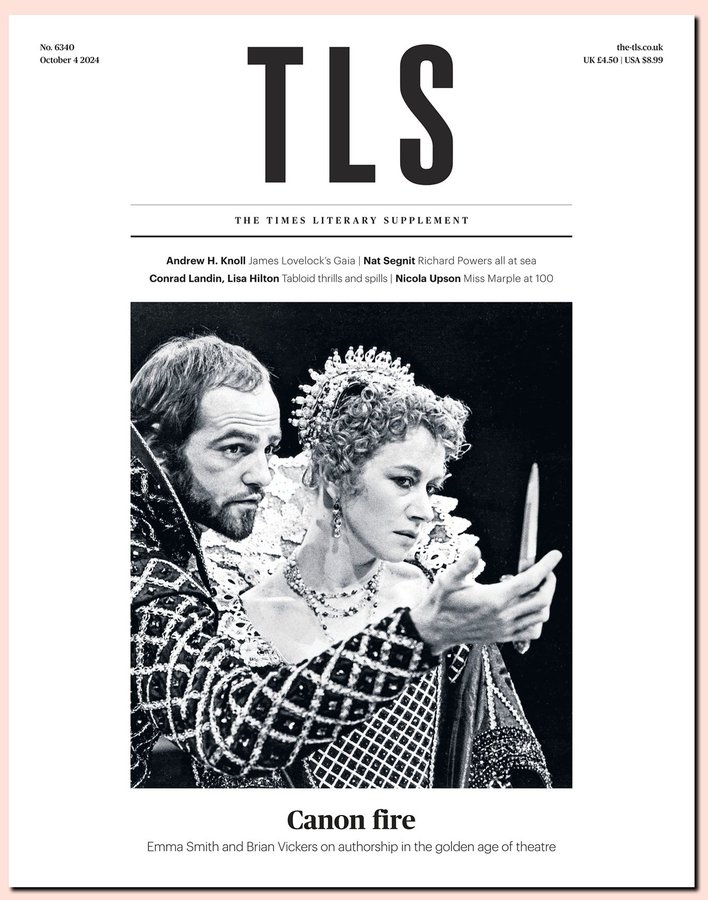
Times Literary Supplement (October 2, 2024): The latest issue features‘Canon Fire’ – Emma Smith and Brian Vickers on authorship in the golden age of theatre…













 Boomers Daily