Tag Archives: Authors

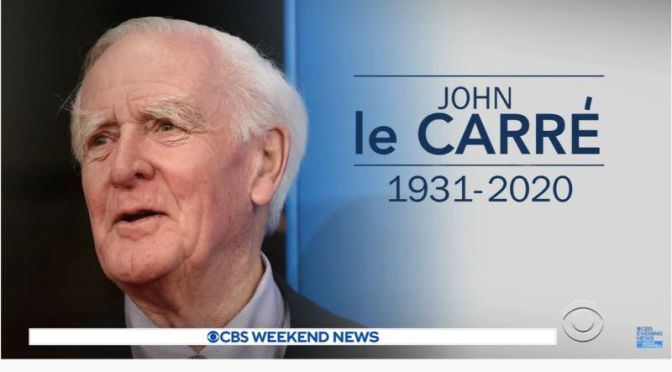
Tributes: British Author John le Carré (1931-2020)

John le Carré, who forged thrillers from equal parts of adventure, moral courage and literary flair, has died aged 89.

Le Carré explored the gap between the west’s high-flown rhetoric of freedom and the gritty reality of defending it, in novels such as The Spy Who Came in from the ColdTinker Tailor Soldier Spy and The Night Manager, which gained him critical acclaim and made him a bestseller around the world.

On Sunday, his family confirmed he had died of pneumonia at the Royal Cornwall Hospital on Saturday night. “We all deeply grieve his passing,” they wrote in a statement.

His longtime agent Jonny Geller described him as “an undisputed giant of English literature. He defined the cold war era and fearlessly spoke truth to power in the decades that followed … I have lost a mentor, an inspiration and most importantly, a friend. We will not see his like again.”

Read more at The Guardian

Literary Travel: ‘Hill Top’ – Cumbria, England Home Of Beatrix Potter (Video)

Hill Top, the much-loved Cumbrian home of author Beatrix Potter, creator of the character Peter Rabbit™. Although the farm is closed at the moment you can still explore the writer’s paintings, drawings, treasured objects, as well as the surrounding countryside that inspired her. Look out for your favourite characters along the way.

Hill Top is a 17th-century house in Near Sawrey near Hawkshead, in the English county of Cumbria. It is an example of Lakeland vernacular architecture with random stone walls and slate roof. The house was once the home of children’s author and illustrator Beatrix Potter who left it to the National Trust.

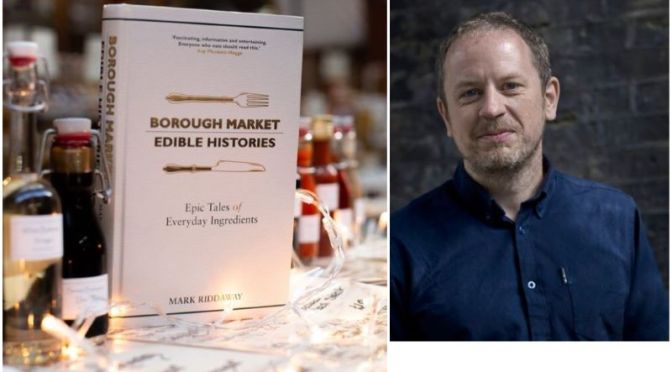
Book Podcast: ‘Borough Market – Edible Histories’ Author Mark Riddaway

Award-winning food writer Mark Riddaway travels back through the centuries to tell the fascinating, surprising and often downright bizarre stories of some of the everyday ingredients found at London’s Borough Market.

Discover how the strawberries we eat today had their roots in a clandestine trip to South America by a French spy whose surname happened to be Strawberry, why three-quarters of Britain’s late-18th-century intake of tea was sold on the black market, and what Sigmund Freud found so fascinating about eel genitalia.

From the humble apples and onions that we’ve grown on these shores for centuries, to more exotic ingredients like cinnamon and bananas that travel from across the world to finesse our food, Borough Market: Edible Histories offers a chance to digest the charming stories behind every last morsel.

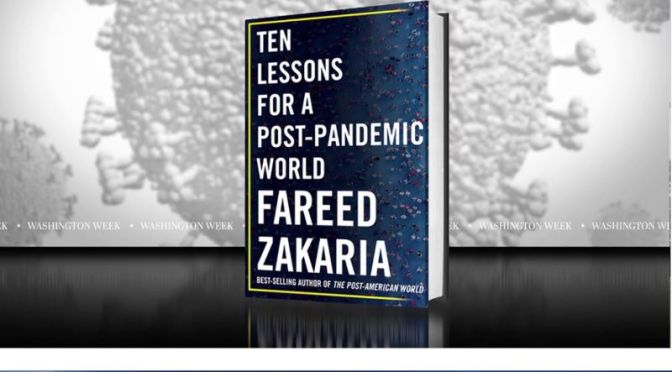
Interview: Fareed Zakaria – ‘Ten Lessons For A Post-Pandemic World’ (Video)

Fareed Zakaria of CNN’s “Fareed Zakaria GPS” discussed his latest book “Ten Lessons for a Post-Pandemic World.” The discussion covered the consequences of the pandemic and how COVID-19 could reshape the nation and the world, globalization and the digital age.

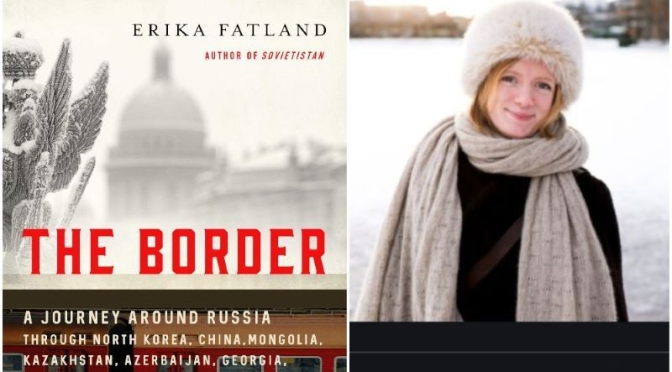
Interview: Erika Fatland, Author Of ‘The Border – A Journey Around Russia’

One of Norway’s most exciting new travel writers, Erika Fatland has gained a reputation for telling unique, often overlooked stories. A social anthropologist by training, she has documented terrorism in Beslan and the 2011 terror attacks in her native Norway.

In her latest book, ‘The Border: A Journey Around Russia,’ she turns her attention to frontiers, recounting a fascinating trip through each of the 14 countries bordering the world’s largest country. 

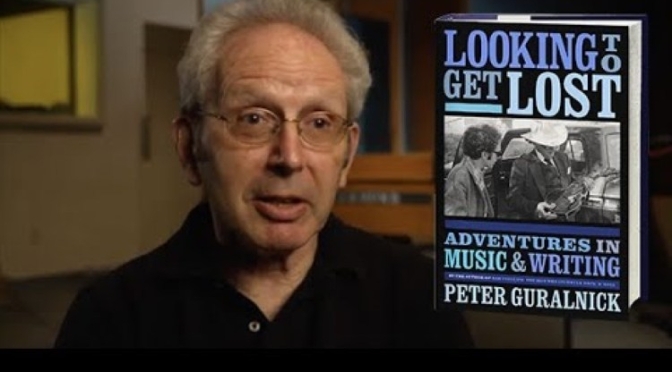
Podcast Interviews: Peter Guralnick- Looking To Get Lost In Music & Writing

The bestselling author of Sam Phillips: The Man Who Invented Rock ‘n’ Roll and Last Train the Memphis: The Rise of Elvis Presley, this dazzling new book of profiles is not so much a summation as a culmination of Peter Guralnick’s remarkable work, which from the start has encompassed the full sweep of blues, gospel, country, and rock ‘n’ roll.

It covers old ground from new perspectives, offering deeply felt, masterful, and strikingly personal portraits of creative artists, both musicians and writers, at the height of their powers.

“You put the book down feeling that its sweep is vast, that you have read of giants who walked among us,” rock critic Lester Bangs wrote of Guralnick’s earlier work in words that could just as easily be applied to this new one. And yet, for all of the encomiums that Guralnick’s books have earned for their remarkable insights and depth of feeling, Looking to Get Lost is his most personal book yet. For readers who have grown up on Guralnick’s unique vision of the vast sweep of the American musical landscape, who have imbibed his loving and lively portraits and biographies of such titanic figures as Elvis Presley, Sam Cooke, and Sam Phillips, there are multiple surprises and delights here, carrying on and extending all the themes, fascinations, and passions of his groundbreaking earlier work.

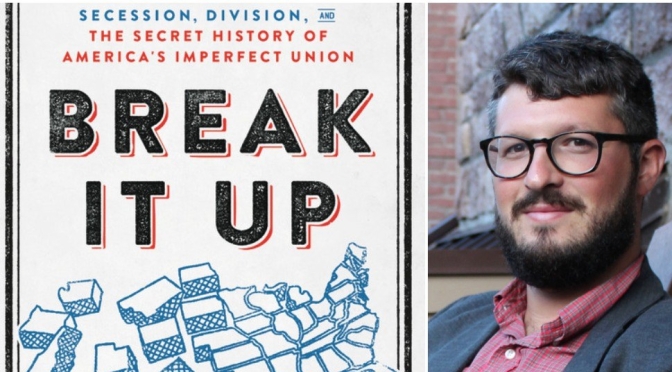
Interviews: “Break It Up ” Author Richard Kreitner: America’s Imperfect Union

“Disunion—the possibility that it all might go to pieces—is a hidden thread through our entire history,” the journalist and historian Richard Kreitner writes in Break It Up: Secession, Division, and the Secret History of America’s Imperfect Union. 

 “Our refusal to recognize this, like patients who insist, against all evidence, that they are not ill, has been a major cause of our political dysfunction and social strife. Secession is the only kind of revolution we Americans have ever known and the only kind we’re ever likely to see.” On this episode of The World in Time, Lewis H. Lapham and Kreitner start at the beginning of the United States of America and trace this history of disunion up to the present. Lewis H. Lapham speaks with Richard Kreitner, author of “Break It Up: Secession, Division, and the Secret History of America’s Imperfect Union.”

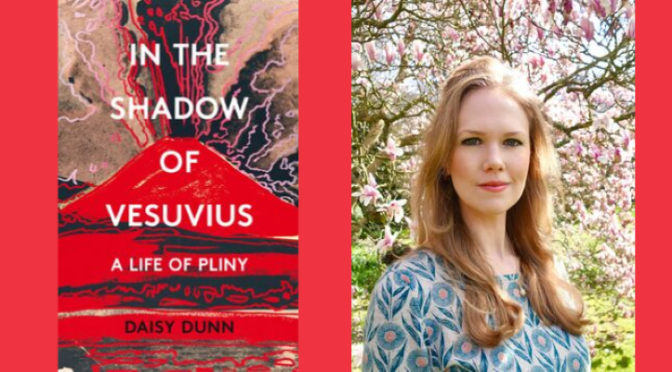
Interview: English Author Daisy Dunn – “Legacies Of Pliny The Elder, Younger”

In the year 79 CE, Pliny the Elder set out to investigate a large cloud of ash rising in the sky above the Bay of Naples. It was the eruption of Vesuvius, and Pliny did not survive. 

“I think we can all empathize with someone who’s like a son, or in this case, an adopted son, trying to kind of make his own mark and escape the shadow of his father, and leave something on the world of his own.”

A trailblazing naturalist, he is best remembered today for his multivolume encyclopedia of Natural History,and we are able to retrace his final hours thanks to a vivid account by his nephew, Pliny the Younger. Inspired by his beloved uncle, the young Pliny became a lawyer, senator, poet, and representative of the emperor. His published letters are fascinating reflections on life and politics in the Roman Empire.

In this episode, Daisy Dunn, classicist and author of The Shadow of Vesuvius: A Life of Pliny,and Kenneth Lapatin, curator of antiquities at the Getty Museum, discuss the two Plinys and their profound impact on our understanding of ancient Rome.

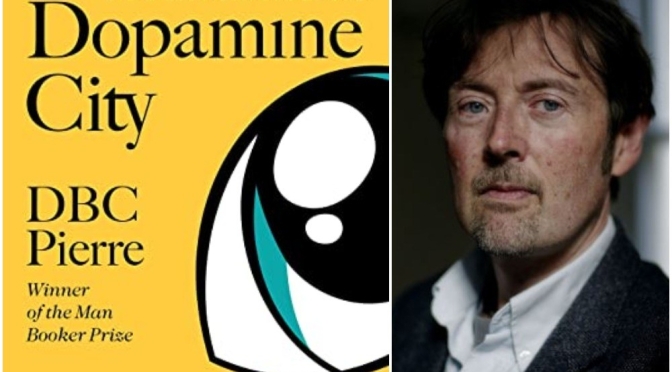
Podcast Interviews: Australian Writer DBC Pierre – “Dopamine City”

Georgina Godwin talks to DBC Pierre, who won the Booker prize with his debut novel ‘Vernon God Little’. He has gone on to write five more books, including his latest: dystopian satire ‘Meanwhile in Dopamine City’. It is a darkly funny, brilliantly clever and utterly terrifying vision of technology in our near future

DBC Pierre is an Australian writer who wrote the novel Vernon God Little. Pierre was born in South Australia in 1961, before moving to Mexico, where he was largely raised.

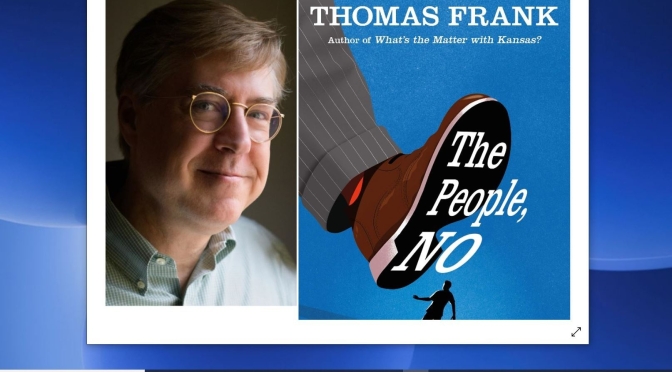
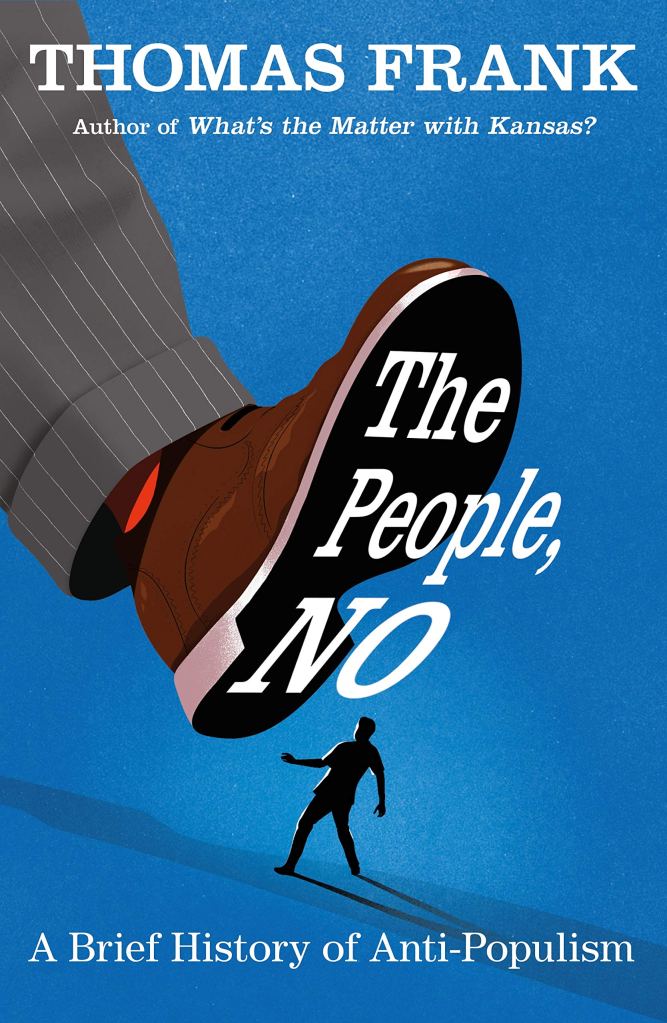
Top Podcast Interviews: Thomas Frank, Author Of “The People, No: A Brief History Of Anti-Populism”

Lewis H. Lapham speaks with Thomas Frank, author of “The People, No”, an eye-opening account of populism, the most important―and misunderstood―movement of our time. 

Rarely does a work of history contain startling implications for the present, but in The People, No Thomas Frank pulls off that explosive effect by showing us that everything we think we know about populism is wrong. Today “populism” is seen as a frightening thing, a term pundits use to describe the racist philosophy of Donald Trump and European extremists. But this is a mistake.

The real story of populism is an account of enlightenment and liberation; it is the story of American democracy itself, of its ever-widening promise of a decent life for all. Taking us from the tumultuous 1890s, when the radical left-wing Populist Party―the biggest mass movement in American history―fought Gilded Age plutocrats to the reformers’ great triumphs under Franklin Roosevelt and Harry Truman, Frank reminds us how much we owe to the populist ethos. Frank also shows that elitist groups have reliably detested populism, lashing out at working-class concerns. The anti-populist vituperations by the Washington centrists of today are only the latest expression.

Frank pummels the elites, revisits the movement’s provocative politics, and declares true populism to be the language of promise and optimism. The People, No is a ringing affirmation of a movement that, Frank shows us, is not the problem of our times, but the solution for what ails us.