
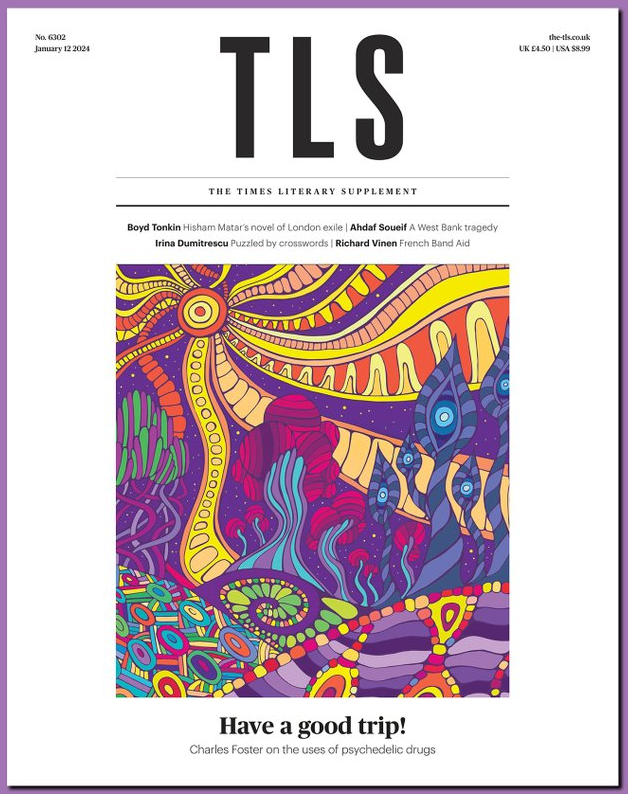

Times Literary Supplement (January 10, 2024): The latest issue features ‘Have a good trip’ – On the uses of psychedelic drugs; Hisham Matar’s novel of London exile; A West Bank tragedy; Puzzled by crosswords; French Band Aid, and more…

Times Literary Supplement (January 10, 2024): The latest issue features ‘Have a good trip’ – On the uses of psychedelic drugs; Hisham Matar’s novel of London exile; A West Bank tragedy; Puzzled by crosswords; French Band Aid, and more…
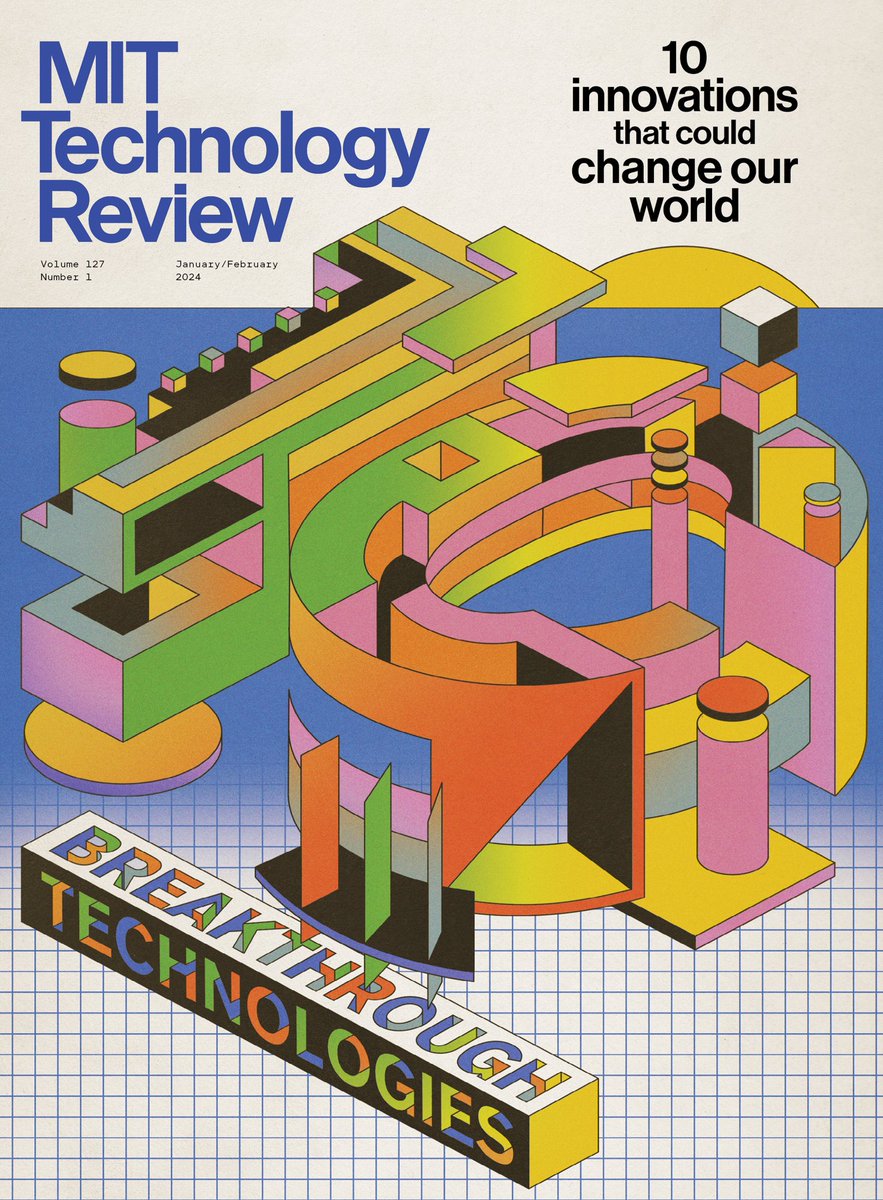

Every year, we look for promising technologies poised to have a real impact on the world. Here are the advances that we think matter most right now.
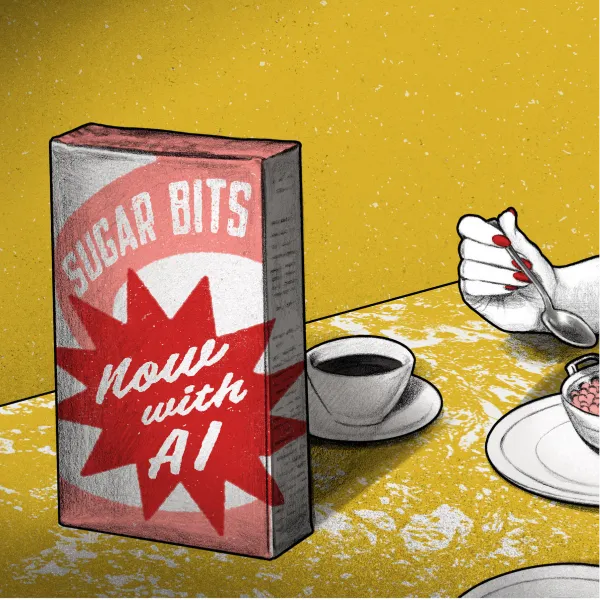
We now live in the age of AI. Hundreds of millions of people have interacted directly with generative tools like ChatGPT that produce text, images, videos, and more from prompts. Their popularity has reshaped the tech industry, making OpenAI a household name and compelling Google, Meta, and Microsoft to invest heavily in the technology.
Solar power is being rapidly deployed around the world, and it’s key to global efforts to reduce carbon emissions. But most of the sunlight that hits today’s panels isn’t being converted into electricity. Adding a layer of tiny crystals could make solar panels more efficient. WHY IT MATTERS
Apple will start shipping its first mixed-reality headset, the Vision Pro, this year. Its killer feature is the highest-resolution display ever made for such a device. Will there be a killer app? It’s early, but the world’s most valuable company has made a bold bet that the answer is yes. WHY IT MATTERS
The global rise in obesity has been called an epidemic by the World Health Organization. Medications like Mounjaro and Wegovy are now among the most powerful tools that patients and physicians have to treat it. Evidence suggests they can even protect against heart attacks and strokes. WHY IT MATTERS

In the past few years, chronic absenteeism has nearly doubled. The fight to get students back in classrooms has only just begun.
Absenteeism underlies much of what has beset young people, including falling school achievement, deteriorating mental health, and elevated youth violence.

From opposite directions, the revolutionary intellectual and the creator of James Bond saw violence as essential—psychologically and strategically—to solving the crisis of colonialism.
More than fifty years later, Zohra Drif could still picture the Milk Bar in Algiers on September 30, 1956. It was white and shining, she recalled, awash in laughter, young voices, “summer colors, the smell of pastries, and even the distant twittering of birds.” Drif, a well-coiffed law student in a stylish lavender dress, ordered a peach-Melba ice cream and wedged her beach bag against the counter. She paid, tipped, and left without her bag. The bomb inside it exploded soon afterward.
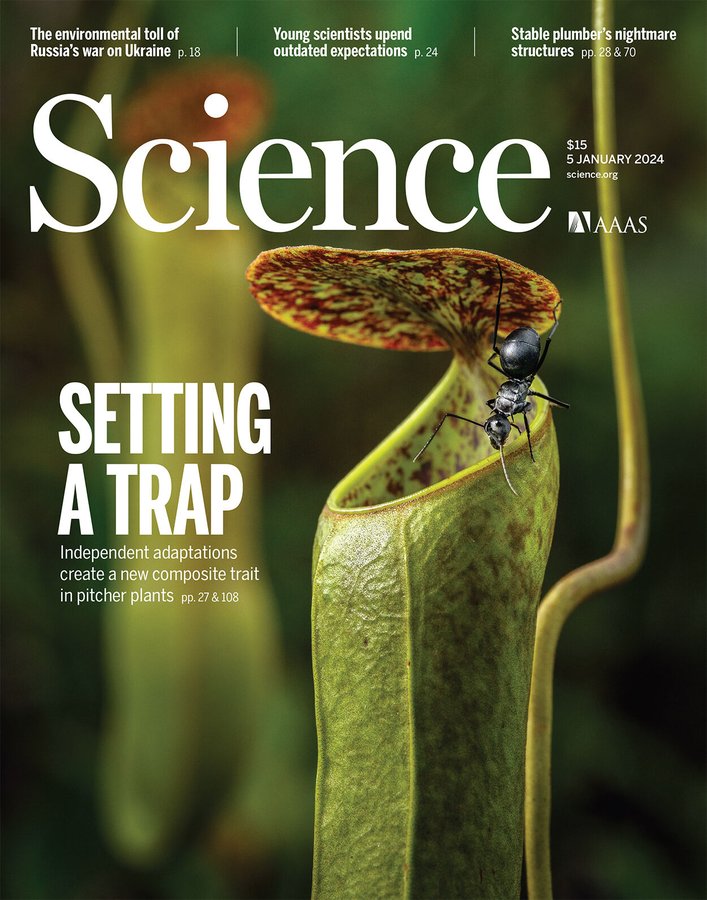
Specific brain pathways can lower or raise the willingness of monkeys to take risks
Rethink of familiar object may boost odds that its name, offensive to some, will be changed
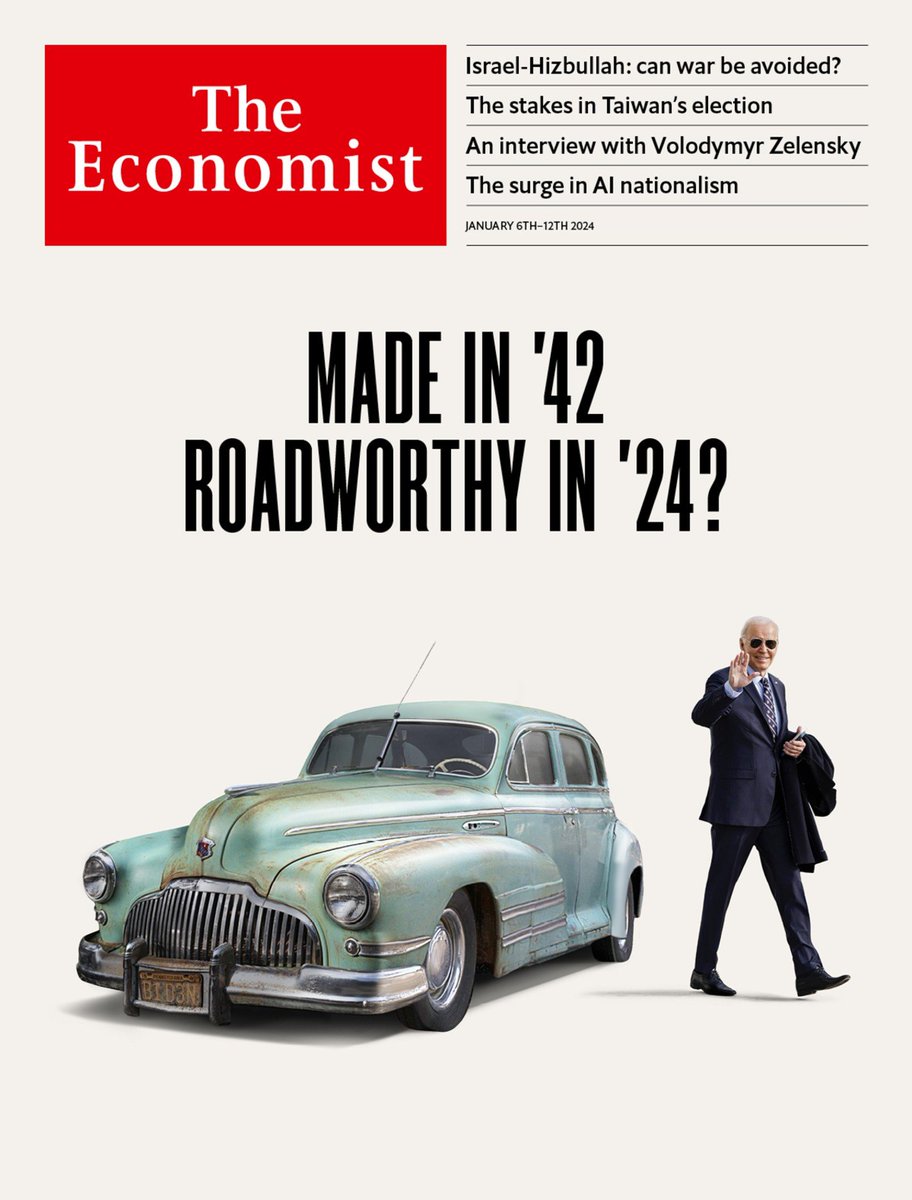


In failing to look past Joe Biden, Democrats have shown cowardice and complacency

To be safe, Israel needs new leadership
Israeli officials see Hizbullah as an unacceptable threat
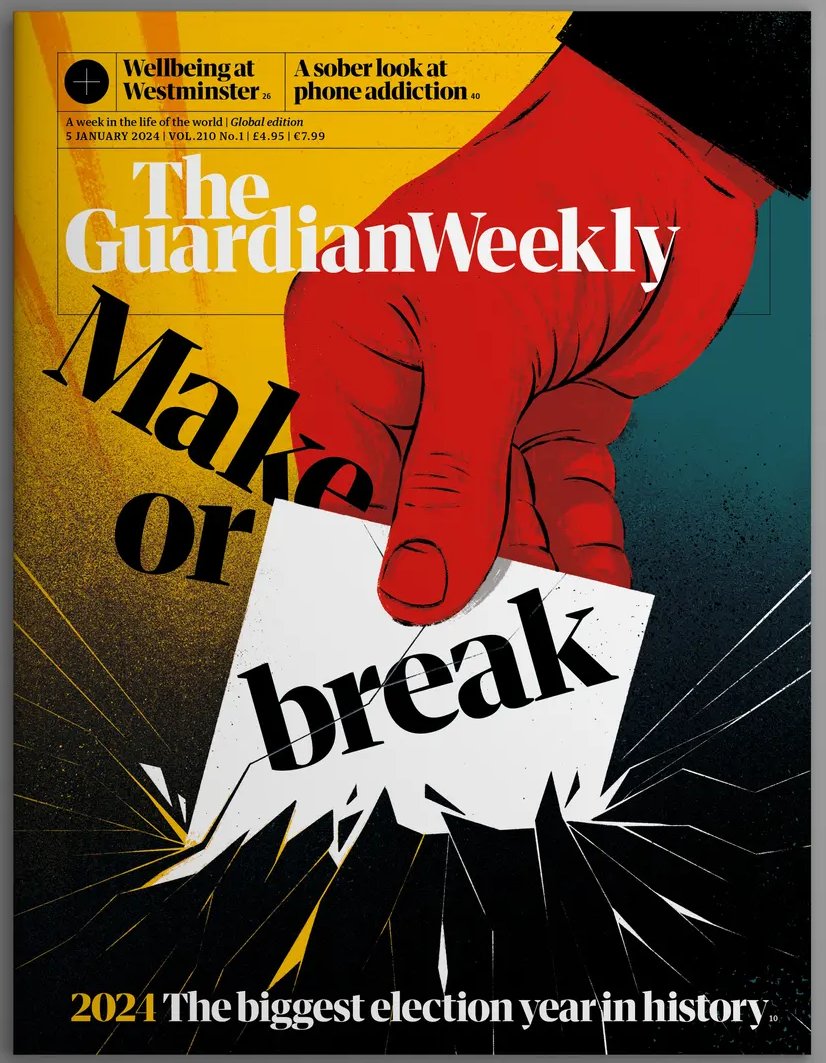

The Guardian Weekly (January 4, 2024) – The new issue features ‘Make or Break 2024’ – The biggest election year in history.
About 2 billion people have the opportunity to cast their ballots in polls that span the globe from the United States to Taiwan, and India to Mexico in 2024. The outcomes, as our analysts and correspondents explain in our big story, have implications for us all.
Washington bureau chief David Smith looks at the likely rerun of 2020’s Biden v Trump contest in November and explores what has changed and what has not in the US as the old adversaries square up. It is an almost foregone conclusion that Narendra Modi will be back for a third term as Indian prime minster, reports Hannah Ellis-Petersen from Delhi where analysts fear his victory will further imperil the country’s Muslim minority. And while Vladimir Putin will certainly continue as president in Russia, Pjotr Sauer explains why the man about to become fifth-time president might allow other candidates onto the ballot list. From Taiwan’s poll on 13 January to the 27-state European elections in June, how citizens vote will influence the geopolitical landscape for us all, while the conduct of campaigns will reveal how vulnerable democracies now are to misinformation and cyber interference from malign actors.

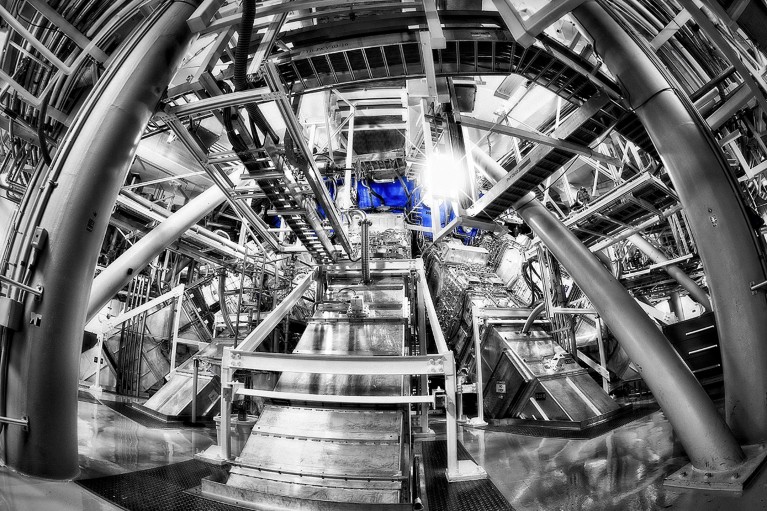
Researchers at the National Ignition Facility are consistently creating reactions that make more energy than they consume.
In December 2022, after more than a decade of effort and frustration, scientists at the US National Ignition Facility (NIF) announced that they had set a world record by producing a fusion reaction that released more energy than it consumed — a phenomenon known as ignition. They have now proved that the feat was no accident by replicating it again and again, and the administration of US President Joe Biden is looking to build on this success by establishing a trio of US research centres to help advance the science.
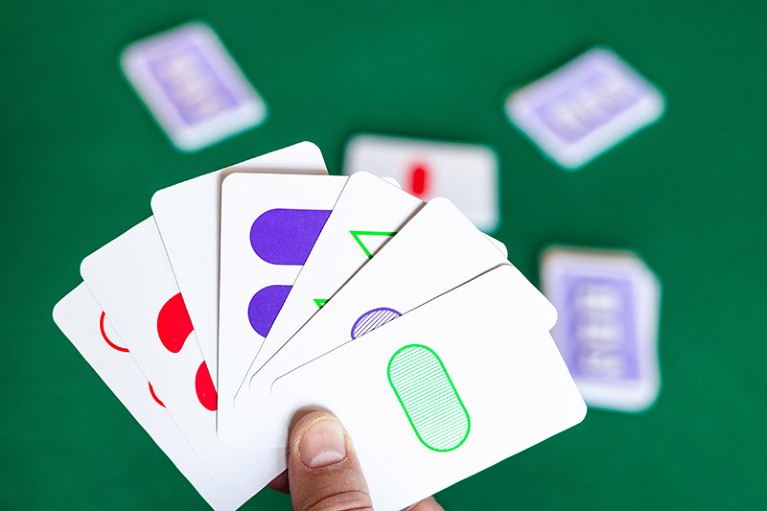
Large language model improves on efforts to solve combinatorics problems inspired by the card game Set.
The card game Set has long inspired mathematicians to create interesting problems.
Now, a technique based on large language models (LLMs) is showing that artificial intelligence (AI) can help mathematicians to generate new solutions.
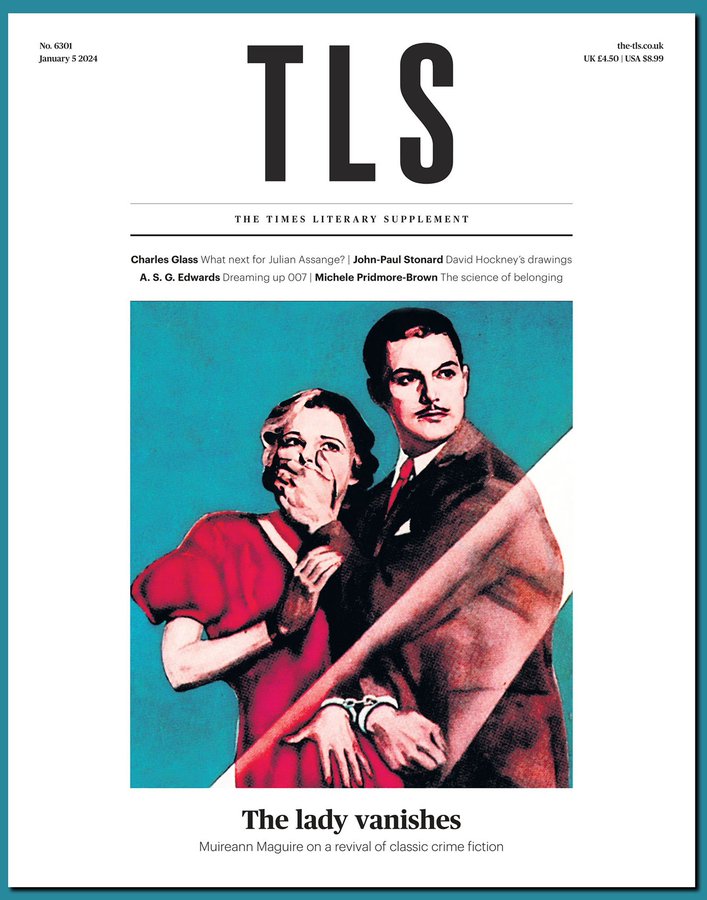
Times Literary Supplement (January 3, 2024): The latest issue features ‘The Lady Vanishes’ – Muireann Maguire on a revival of classic crime fiction; What next for Julian Assange; David Hockney’s drawings; Dreaming up 007; The science of belonging and more…
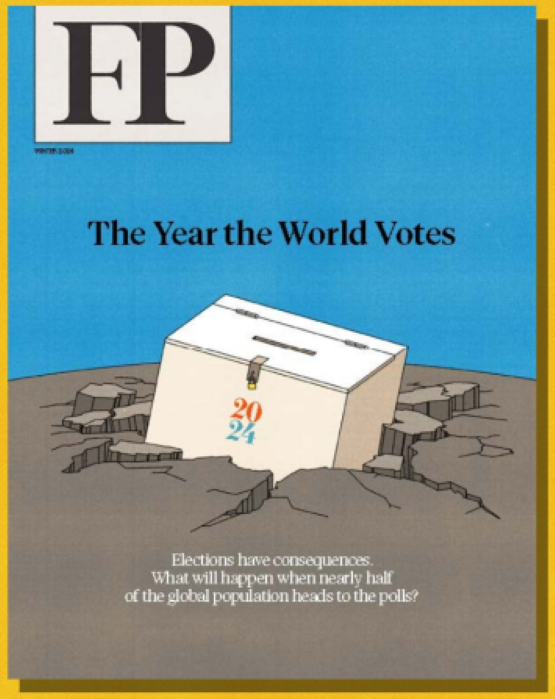

The world’s most dismal science could make Eurasia safe for illiberalism and predation—or protect it from those forces.
By Hal Brands, a professor of global affairs at the Johns Hopkins School of Advanced International Studies.

Alexander Dugin is a bit of a madman. The Russian intellectual made headlines in the West in 2022, when his daughter was killed, apparently by Ukrainian operatives, in a Moscow car bombing likely meant for Dugin himself. Dugin would have been targeted because of his unapologetic, yearslong advocacy for a genocidal war of conquest in Ukraine. “Kill! Kill! Kill!” he screeched after Russian President Vladimir Putin’s first invasion of that country in 2014, adding: “This is my opinion as a professor.” Even at his daughter’s funeral, Dugin stayed on message. Among her first words as an infant, he claimed, were “our empire.”

Video timeline: 00:00 – The World Ahead 2024 00:33 – Vital votes 03:34 – Taxis take off 07:10 – AI rules 10:19 – Industry cleans up? 13:48 – BRICS build


 Boomers Daily