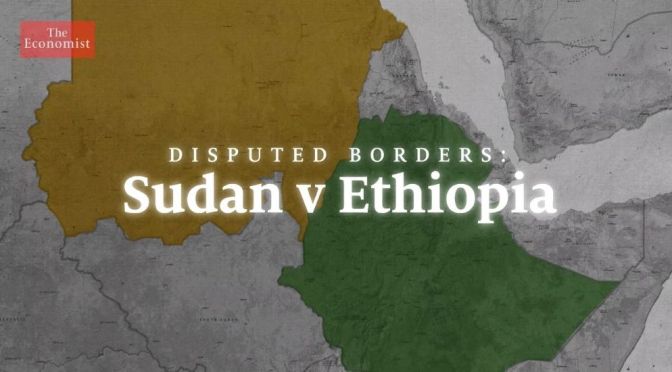
Recent events have revived a century-old border dispute between Ethiopia and Sudan over al-Fashaga—a fertile region that both countries claim as their own. Could these tensions throw the entire region into conflict?
Timeline: 00:00 – The border dispute: Sudan and Ethiopia 00:58 – The history of the dispute 02:33 – How does Abiy Ahmed worsen tensions 03:55 – Trouble in Tigray 04:38 – The return of civil war in Ethiopia 05:07 – Sudan reclaims al-Fashaga 06:27 – The dispute over the Grand Ethiopian Renaissance dam
Gabon’s soul lies hidden beneath a thick green mantle, the source of most of the Gabonese traditions, medicines, spirituality, and resources. A precious heritage that a small number of men and women protect.
We meet Kombo, a Babongo hunter, and Juste, who is in touch with the forest spirits. In human cultures in general, and perhaps particularly in Africa, the landscape is the first shrine of tradition.
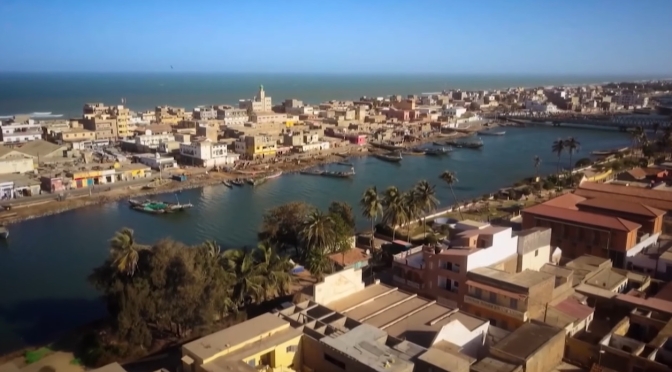
From the sand dunes of Mauritania to the currents of River Senegal, to the Lions of the Beninese savannah to the spirits of the forests of Gabon, this series explores the origin, the nature and the survival of deep links between several populations in West Africa and their habitat.
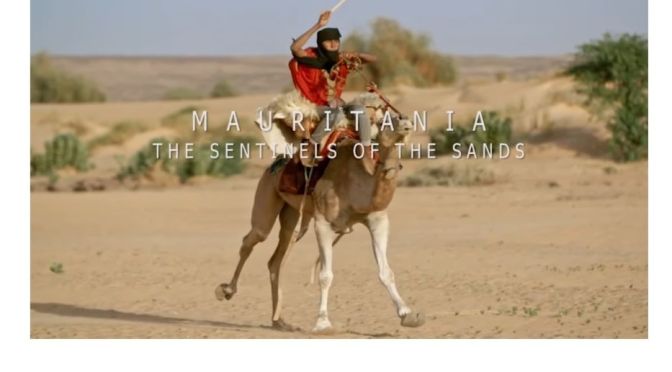
Mauritania, officially the Islamic Republic of Mauritania, is a sovereign state in Northwest Africa. It is bordered by the Atlantic Ocean to the west, Western Sahara to the north and northwest, Algeria to the northeast, Mali to the east and southeast, and Senegal to the southwest.
In human cultures in general, and perhaps particularly in Africa, the landscape is the first shrine of tradition. From the sand dunes of Mauritania to the currents of River Senegal, to the Lions of the Beninese savannah to the spirits of the forests of Gabon, this series explores the origin, the nature and the survival of deep links between several populations in West Africa and their habitat.
Each episode takes us to discover an emblematic landscape: the river (Senegal), the desert (Mauritania), the forest (Gabon) and the savannah (Benin). A compass of escape and meeting which rests on two main pillars: the spectacular character of the places, often classified with the UNESCO world heritage, and the charisma of the main characters who are transmitters of their respective traditions.
In human cultures in general, and perhaps particularly in Africa, the landscape is the first shrine of tradition. From the sand dunes of Mauritania to the currents of River Senegal, to the Lions of the Beninese savannah to the spirits of the forests of Gabon, this series explores the origin, the nature and the survival of deep links between several populations in West Africa and their habitat.
Each episode takes us to discover an emblematic landscape: the river (Senegal), the desert (Mauritania), the forest (Gabon) and the savannah (Benin). A compass of escape and meeting which rests on two main pillars: the spectacular character of the places, often classified with the UNESCO world heritage, and the charisma of the main characters who are transmitters of their respective traditions.
Discover the story behind one of this year’s most dramatic images through the lens of Highly Commended wildlife photographer Buddhilini de Soyza.
When the Mara and Talek rivers broke their banks in January 2020 due to unseasonal flooding, the famed Tano Bora coalition of cheetahs were faced with a difficult choice.
The Natural History Museum in London is home to over 80 million objects, including meteorites, dinosaur bones and a giant squid. Our channel brings the Museum to you – from what goes on behind the scenes to surprising science and stories from our scientists.
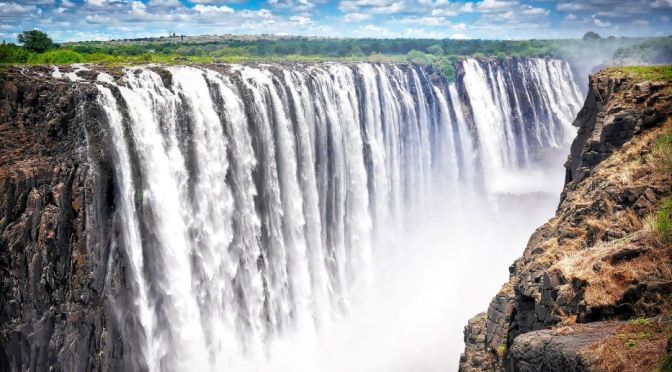
Victoria Falls presents a spectacular sight of awe-inspiring beauty and grandeur on the Zambezi River, forming the border between Zambia and Zimbabwe. It was described by the Kololo tribe living in the area in the 1800s as ‘Mosi-oa-Tunya’ – ‘The Smoke that Thunders’. In more modern terms Victoria Falls is known as the greatest curtain of falling water in the world.
Columns of spray can be seen from miles away as, at the height of the rainy season, more than five hundred million cubic meters of water per minute plummet over the edge, over a width of nearly two kilometres, into a gorge over one hundred meters below.
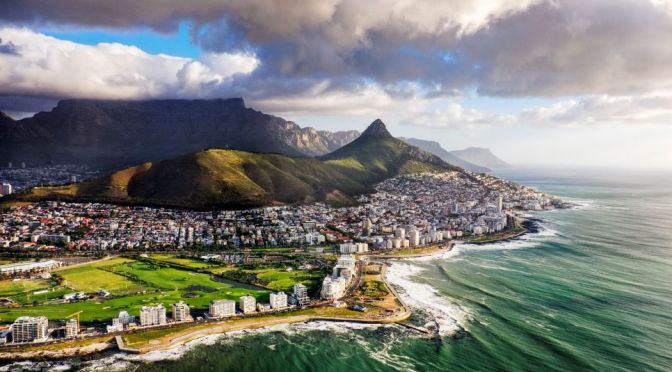
Cape Town is a port city on South Africa’s southwest coast, on a peninsula beneath the imposing Table Mountain. Slowly rotating cable cars climb to the mountain’s flat top, from which there are sweeping views of the city, the busy harbor and boats heading for Robben Island, the notorious prison that once held Nelson Mandela, which is now a living museum.
Jet streams sprinkle North African dust over the Amazon, providing the rain forest with much needed nutrients. Changing wind patterns and increasing smoke may shift the system.
Emily Sherwin and Olga Tokariuk discuss the latest on the war in Ukraine. Plus: a look at why Africa is divided on Russia’s invasion, a flick through today’s papers and an interview with the former president of Finland, Tarja Halonen.
Hoanib’s eight pale olive, luxury tented suites peak like whitecaps on an ocean of sand. Totally solar-powered, Hoanib has a fresh, contemporary design, with a colour palette reflecting the surrounding desert. The camp (suites, common areas, pool) looks out on a wide, rugged valley that slopes down to the usually dry Hoanib River. One of many highlights: dining under impossibly starry skies, perhaps perhaps at the firepit as a jackal cries, or a lion roars, punctuating the stillness of the inky night.
Explore the Namib Desert’s rust-coloured crags and arid plains in search of desert-adapted wildlife – elephants, lions, hyaenas, giraffes, oryxes among the regular sightings. Take a rollicking drive over the floodplain and dunes to the Skeleton Coast, a wild stretch of the Atlantic where the desert meets the sea, where white sand beaches are littered with whale bones and shipwreck remains. Fly back to camp for an aerial view of what seems uninhabitable, but is full of life. Walk with a guide to witness that life, including the smaller creatures, a fascinating variety of birds and unusual flora. Discover the remnants of Strandloper – Beachcomber – lifestyle from centuries past. Linger in the camp’s wildlife research centre to learn about the latest local conservation initiatives.
News, Views and Reviews For The Intellectually Curious





 Boomers Daily