

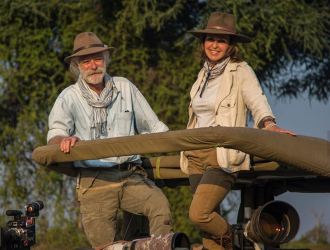
Directed, Filmed, Edited by: Marcello Ercole
Produced by Ercole / Ricci
Music by Ryan Taubert
Namibia, a suggestive country. Eroded cliffs by the wind, very deep canyons, boundless deserts, the cold ocean and wild animals makes Namibia an inhospitable and sublime land. A fragile ecosystem that we must preserve.
Namibia officially the Republic of Namibia, is a country in Southern Africa. Its western border is the Atlantic Ocean; it shares land borders with Zambia and Angola to the north, Botswana to the east and South Africa to the south and east. Although it does not border Zimbabwe, less than 200 metres of the Zambezi River separates the two countries. Namibia gained independence from South Africa on 21 March 1990, following the Namibian War of Independence. Its capital and largest city is Windhoek, and it is a member state of the United Nations (UN), the Southern African Development Community (SADC), the African Union (AU), and the Commonwealth of Nations.
Namibia, the driest country in Sub-Saharan Africa, was inhabited since early times by the San, Damara and Nama people. Around the 14th century, immigrating Bantu peoples arrived as part of the Bantu expansion. Since then, the Bantu groups, the largest being the Ovambo, have dominated the population of the country; since the late 19th century, they have constituted a majority.
From Wikipedia


 Structural biologists rejoiced when cryo–electron microscopy, a technique to generate highly detailed models of biomolecules, emerged. But years after its release, researchers still face long queues to access these machines. Science’s European News Editor Eric Hand walks host Meagan Cantwell through the journey of a group of researchers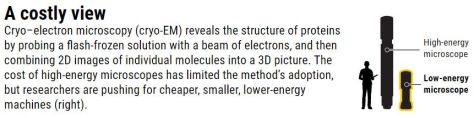
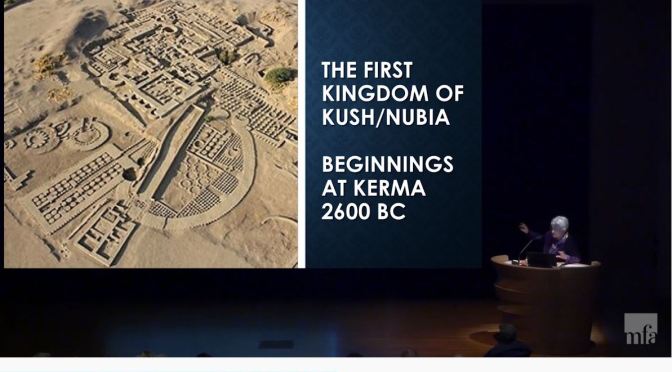
 Napatan kings later held sway over the kingdom of Kush in the northern Sudan, and built pyramids for themselves and their wives in cemeteries at Kurru and Napata. Studying these lavishly decorated pyramids, and the mortuary rites that took place in the attached chapels, makes clear some of the differences between ancient Egyptian and Napatan beliefs and priorities.


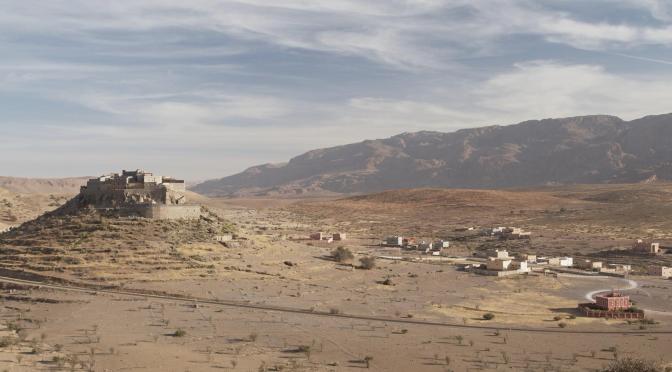
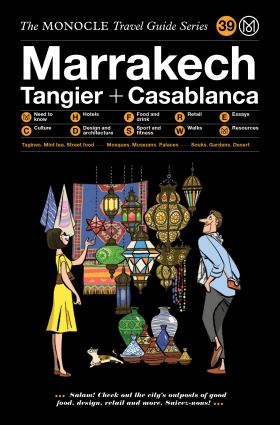 Marrakech can be full of dirty details but exploring Morocco is just fine at 90km/h. Take out some cash and jump in.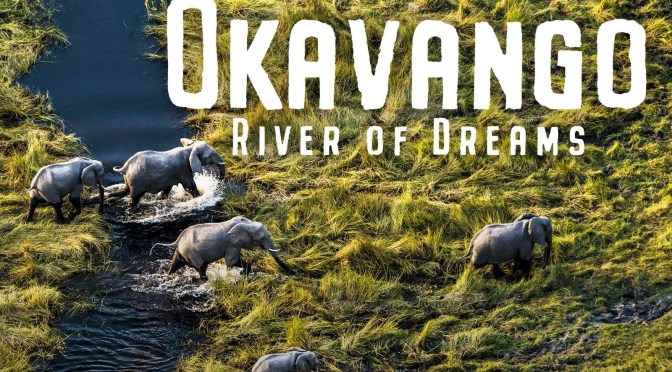
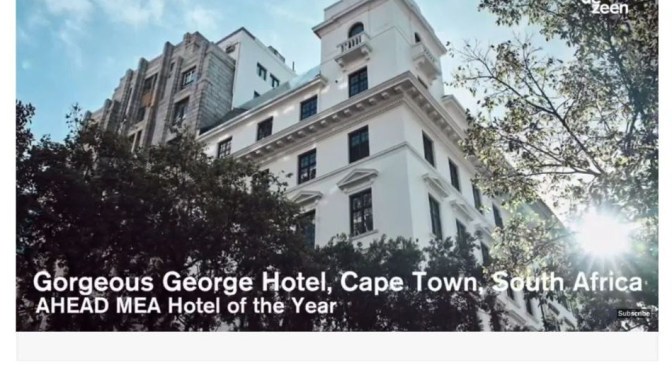
 Middle East and Africa hospitality awards, is a 36-room renovation of a pair of historic buildings in downtown Cape Town, South Africa.
 Boomers Daily