
NEXTON, an indoor vertical farm startup in Korea, realized world’s first vertical farm in a tunnel which naturally maintains temperatures of 10-20C throughout the year even without active heating or cooling solutions.
The farm inside the tunnel is 600 meters long (0.37 miles) with its floor area of ~71,000 sqft, making it one of the world’s largest indoor vertical farms. Integrating this unique tunnel environments with NEXTON’s in-house designed photosynthetically-active LED light sources and proprietary growth system, NEXTON is able to dramatically cut down the cost structure which has plagued profitability and viability of the indoor vertical farming business.
Inside the tunnel, NEXTON is hydroponically growing leafy greens and others without pesticide or herbicide with nutrient water fully-recycled and disinfected chemical-free. NEXTON tuned the environmental and nutritional conditions in such a way to produce crispy and savory leafy greens, well suited for salads. Thanks to our eco-friendly growth methods and clean/controlled environments, our produce needs no or minimal cleaning processes which, in turn, will deliver overall cost benefits to our enterprise customers.
edition.cnn.com/2019/12/09/asia/south-korea-vertical-farm-intl-c2e/index.html
 “Future of Food” series on PBS. In this episode they discussed technology in food production including fast-growing salmon (Aquabounty), cell-based meat (Memphis Meats), diversified crop rotation in Iowa, and other trends.
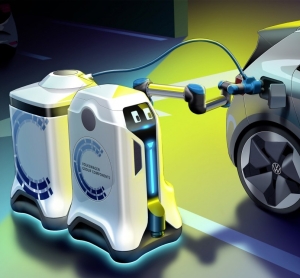 and not the other way around. With this, we are making almost every car park electric, without any complex individual infrastructural measures”, summarises Mark Möller, Head of Development at Volkswagen Group Components.
 Avant2Go car sharing is an effective way to cut and manage your mobility expenses. Find an available car and reserve it using the Avant2Go mobile app. The first reservation (15 min) is free. Use the app to end your rental and settle the final cost. The rental price includes car registration, insurance, fuel*, running costs, vignette, loss of value, free parking at Avant2Go spots and more.


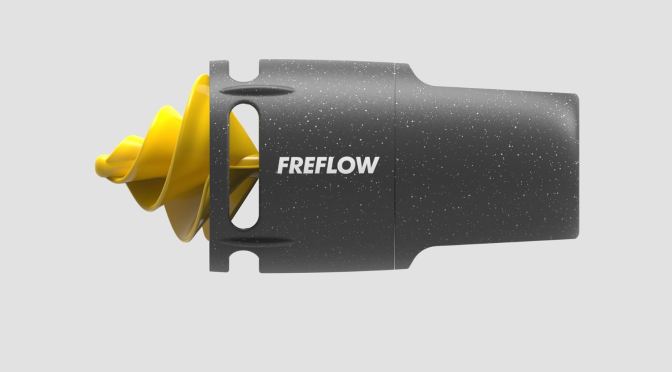
 The conical 3 blade Archimedes turbine channels air or water from up to 60 degrees of the central axis, making it far more efficient than traditional turbine designs, ideal for natural power generation when out in the wilderness.

 Boomers Daily