

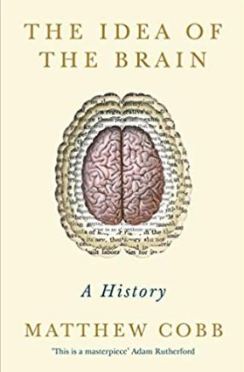
 Although it might seem to be a story of ever-increasing knowledge of biology, Cobb shows how our ideas about the brain have been shaped by each era’s most significant technologies. Today we might think the brain is like a supercomputer. In the past, it has been compared to a telegraph, a telephone exchange, or some kind of hydraulic system. What will we think the brain is like tomorrow, when new technology arises?
For thousands of years, thinkers and scientists have tried to understand what the brain does. Yet, despite the astonishing discoveries of science, we still have only the vaguest idea of how the brain works. In The Idea of the Brain, scientist and historian Matthew Cobb traces how our conception of the brain has evolved over the centuries.
READ EXCERPT OF FIRST 30 PAGES
The result is an essential read for anyone interested in the complex processes that drive science and the forces that have shaped our marvelous brains.
Matthew Cobb is Professor of Zoology at the University of Manchester. His previous books include Life’s Greatest Secret:The Race to Discover the Genetic Code, which was shortlisted for the the Royal Society Winton Book Prize, and the acclaimed histories The Resistance and Eleven Days in August. He is also the award-winning translator of books on the history of molecular biology, on Darwin’s ideas and on the nature of life.

 The story of the restoration of Sir John Soane’s Museum in Lincoln’s Inn Fields. Filmed over a period of 6 years, it traces the research, the discoveries and the skills that made transforming this magical place possible. This third episode reveals the painstaking work that went into restoring artworks within the Museum, and the legacy of the project.

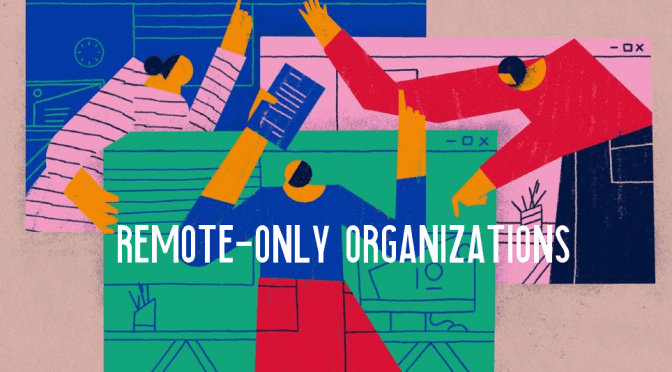
 Companies that structure themselves as location-independent have developed norms and practices that bridge the emotional and logistical distances. The same is true for their workers. For such companies, remote-only work can reduce costs, expand the talent pool and boost productivity. By contrast, being forced by a crisis to work remotely is likely to be disruptive and frustrating. It may be better than shutting down, but it will likely lead to a big drop in productivity.

 Boomers Daily