Category Archives: Technology

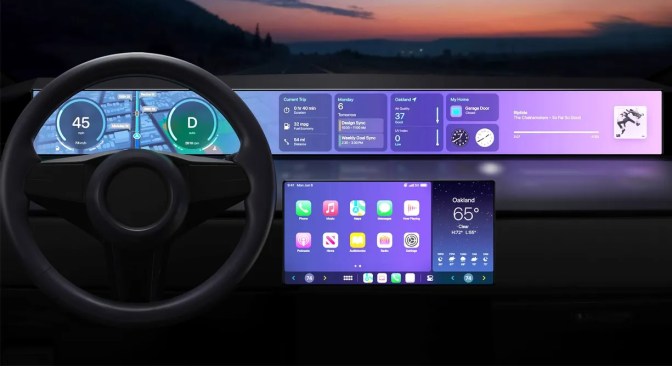
Technology: The Rise Of Touchscreens In Cars

Most cars now have touch screens in the middle of the dashboard. Some tech heavy cars – such as those by companies like Tesla and Rivian – rely nearly entirely on them. They’re also cheaper to make and maintain. But some people hate them. They say they are less safe, confusing, unnecessary, and take longer than a simple button or switch.

But touch screens in cars aren’t going away. Some innovations, such as those by suppliers such as Harman and Continental, may blend some of the best of the old with entirely new possibilities, while managing risks.
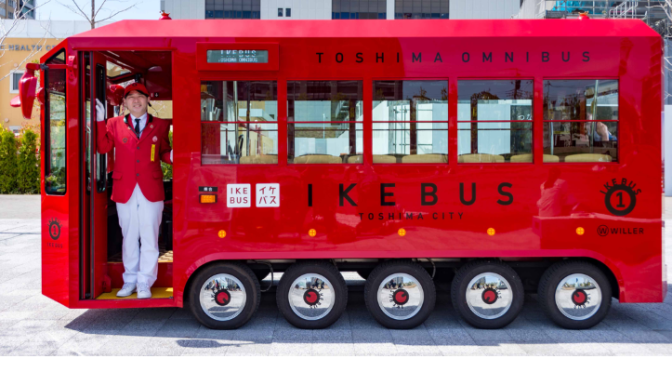
Public Transport: Inside Tokyo’s Electric ‘Red Bus’

An electric bus service has injected a new playfulness into a borough of Tokyo in need of a revamp. We hop aboard and meet Eiji Mitooka, its creator and Japan’s foremost train designer, who explains why he puts fun at the top of his list when designing public transport. All aboard!

Read more in the June issue of the magazine: [https://monocle.com/shop/product/2155…

World Economic Forum: Top Stories Of The Week

World Economic Forum top stories of the week.

Video timeline: 00:16 Stamp-sized stickers that can see inside your body 01:44 Energy Crisis Lessons from Japan 03:21 Waterless toilet 05:09 US Climate Plan

The World Economic Forum is the International Organization for Public-Private Cooperation. The Forum engages the foremost political, business, cultural and other leaders of society to shape global, regional and industry agendas. We believe that progress happens by bringing together people from all walks of life who have the drive and the influence to make positive change.

Transportation: Can E-Bikes Transform Cities?

Sales of electric bicycles, or e-bikes, as they’re better known, are booming. At the same time, innovations in battery technology have extended the range that an e-bike can travel. The FT’s Harry Dempsey explores the impact they’re having on commuting, deliveries, and the cities we live in.

Future Of Work: Office Design Is Changing Cities

The pandemic and hybrid working have changed the very idea of the office. This is not only changing the design and purpose of offices, but the look of cities too.

Chapters 00:00 – The office: a shifting concept 00:57 – What do future offices look like? 02:30 – The office as a social destination 03:20 – The rising demand for flexible work 04:06 – How should hybrid employees be managed? 06:01 – Will hybrid work worsen gender inequality? 06:36 – How will flexible working reshape cities?

Hydrogen Energy: Can It Lower Industry Emissions?

Heavy industries must decarbonise dramatically to reach net zero. Replacing fossil fuels with green hydrogen, created with renewable energy, is one way to reduce emissions. Examples of green hydrogen being used in various industries are emerging, but as the FT’s Sylvia Pfeifer reports, this carbon-free innovation faces a major challenge to scale up.

Design: ‘The Line’ – A 100% Renewable Energy & Low Carbon Saudi Arabia City

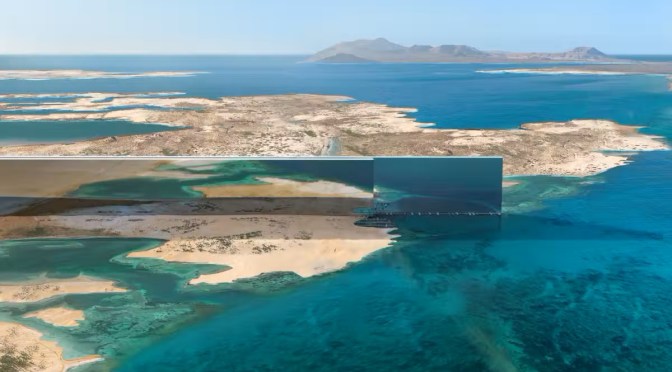
No roads, cars or emissions, it will run on 100% renewable energy and 95% of land will be preserved for nature. People’s health and wellbeing will be prioritized over transportation and infrastructure, unlike traditional cities. Only 200 meters wide, but 170 kilometers long and 500 meters above sea level.

THE LINE will eventually accommodate 9 million people and will be built on a footprint of just 34 square kilometers. This will mean a reduced infrastructure footprint, creating never-before-seen efficiencies in city functions. The ideal climate all-year-round will ensure that residents can enjoy the surrounding nature. Residents will also have access to all facilities within a five-minute walk, in addition to high-speed rail – with an end-to-end transit of 20 minutes.

Astronomy: James Webb Telescope First Images

The first images from the James Webb Space telescope have been revealed. Incredibly clear images of the Carina Nebula, the Eight-Burst Nebula, a galaxy cluster called Stephan’s Quintet and an exoplanet named WASP-96b make up the first set of science data from JWST.

Astronomy: James Webb Telescope In The Cosmos

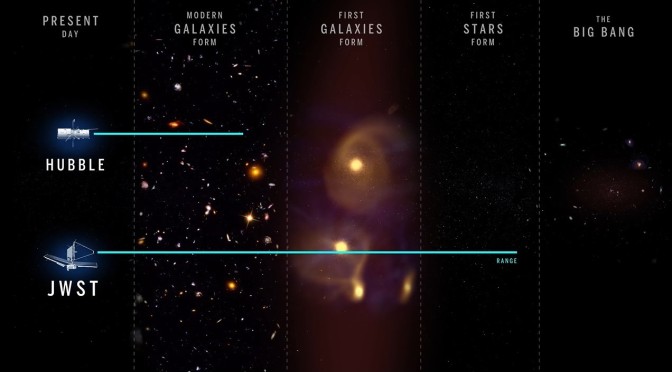
Decades of work, $10 billion in spending and nearly 14 billion years of cosmic history have brought us to this moment. The first science from the James Webb Space Telescope, the largest and most powerful observatory ever built. What questions will it answer? What new mysteries will discover? What will this new eye on the cosmos reveal? The telescope’s first science images will be out VERY soon. Here’s a quick look at what you can expect when they drop. For complete cover of the Webb, hit up: http://sciam.com/jwst