Category Archives: Reviews

Research: New ‘Smart Cell Therapies’ To Treat Cancer

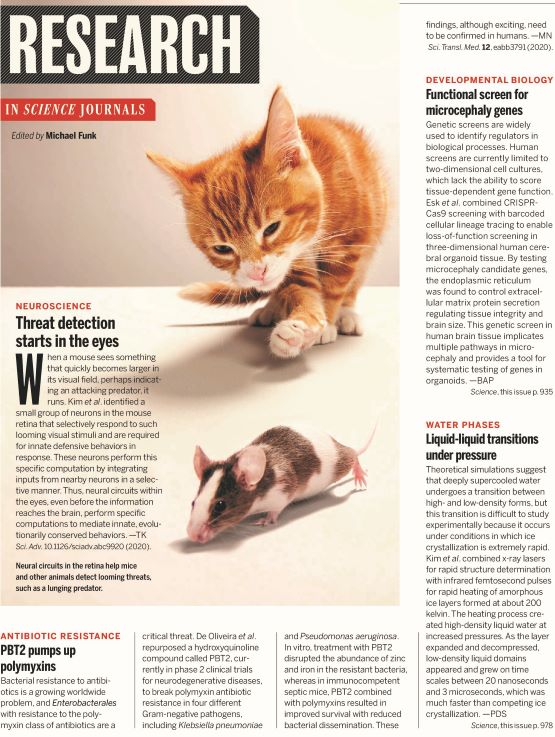
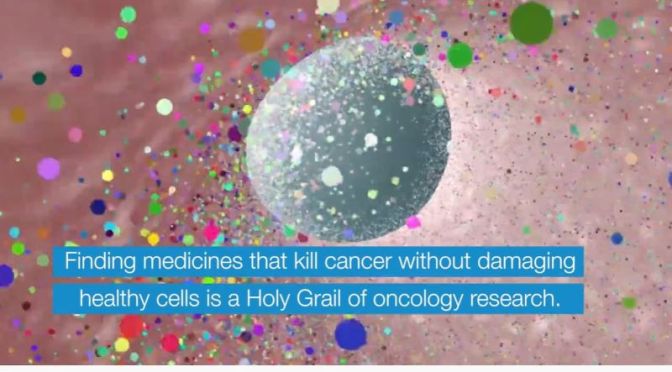
Finding medicines that can kill cancer cells while leaving normal tissue unscathed is a Holy Grail of oncology research. In two new papers, scientists at UC San Francisco and Princeton University present complementary strategies to crack this problem with “smart” cell therapies—living medicines that remain inert unless triggered by combinations of proteins that only ever appear together in cancer cells.

Biological aspects of this general approach have been explored for several years in the laboratory of Wendell Lim, PhD, and colleagues in the UCSF Cell Design Initiative and National Cancer Institute– sponsored Center for Synthetic Immunology. But the new work adds a powerful new dimension to this work by combining cutting-edge therapeutic cell engineering with advanced computational methods.

For one paper, published September 23, 2020 in Cell Systems, members of Lim’s lab joined forces with the research group of computer scientist Olga G. Troyanskaya, PhD, of Princeton’s Lewis-Sigler Institute for Integrative Genomics and the Simons Foundation’s Flatiron Institute.

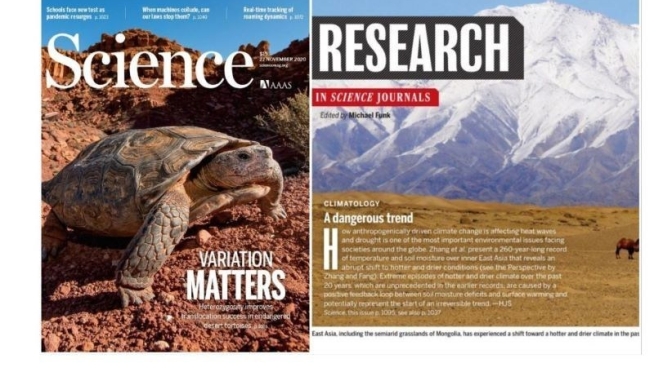
Using a machine learning approach, the team analyzed massive databases of thousands of proteins found in both cancer and normal cells. They then combed through millions of possible protein combinations to assemble a catalog of combinations that could be used to precisely target only cancer cells while leaving normal ones alone. In another paper, published in Science on November 27, 2020, Lim and colleagues then showed how this computationally derived protein data could be put to use to drive the design of effective and highly selective cell therapies for cancer.

“Currently, most cancer treatments, including CAR T cells, are told ‘block this,’ or ‘kill this,’” said Lim, also professor and chair of cellular and molecular pharmacology and a member of the UCSF Helen Diller Family Comprehensive Cancer Center. “We want to increase the nuance and sophistication of the decisions that a therapeutic cell makes.”

Over the past decade, chimeric antigen receptor (CAR) T cells have been in the spotlight as a powerful way to treat cancer. In CAR T cell therapy, immune system cells are taken from a patient’s blood, and manipulated in the laboratory to express a specific receptor that will recognize a very particular marker, or antigen, on cancer cells. While scientists have shown that CAR T cells can be quite effective, and sometimes curative, in blood cancers such as leukemia and lymphoma, so far the method hasn’t worked well in solid tumors, such as cancers of the breast, lung, or liver.

Cells in these solid cancers often share antigens with normal cells found in other tissues, which poses the risk that CAR T cells could have off-target effects by targeting healthy organs. Also, solid tumors also often create suppressive microenvironments that limit the efficacy of CAR T cells. For Lim, cells are akin to molecular computers that can sense their environment and then integrate that information to make decisions. Since solid tumors are more complex than blood cancers, “you have to make a more complex product” to fight them, he said.


New Travel & Film Books: “Poldark’s Cornwall” By Gill Knappett (Jan 2021)

For those longing to know where their favorite scenes in “Poldark” were filmed, Pitkin’s latest addition to the Film Locations series goes behind the scenes of the hugely popular TV series and follows in the footsteps of Ross and Demelza along windswept cliffs, rugged coastline, and untouched, pristine beaches. From Padstow to the Lizard peninsula, Cornwall takes center stage, providing the breath-taking backdrop that brings the series to life.

The latest awarding-winning adaptation of Winston Graham’s Poldark, produced by the BBC, captured the hearts of millions of viewers worldwide. Over its five seasons, it brought the region’s rich heritage back to life, with tales of smugglers, shipwrecks, and the secrets of the mines gripping viewers’ imaginations. Filled with walks in beautiful places and useful information about the region and the series’ filming locations, this is a perfect introduction to Britain’s best-kept secret.

About The Author

Gill Knappett has worked on many Pitkin books over a 20-year period, specializing in royal titles and Britain’s best-loved places to visit. Her Pitkin titles include Catherine Duchess of CambridgeThe Queen, and Walk London.

Read more

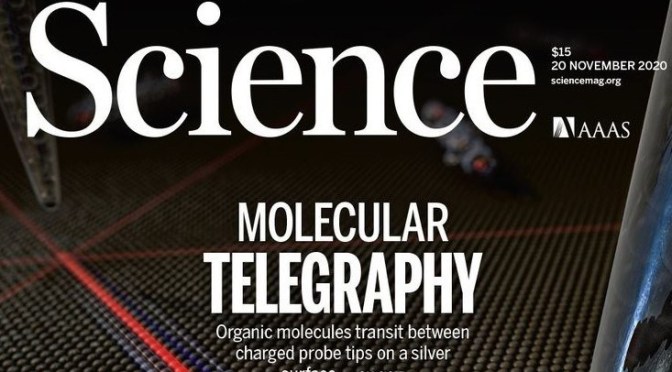
Science Podcast: Covid-19 In Schools, Why Leaves Die And Fall From Trees

Many schools closed in the spring, during the first wave of the coronavirus pandemic. Many opened in the fall. Staff Writer Jennifer Couzin-Frankel joins host Sarah Crespi to talk about what was learned in spring about how coronavirus spreads in schools that might help keep children safe as cases surge once again. 

Also this week: What makes leaves fall off deciduous trees when they do—is it the short, cold nights? Or is the timing of so-called “leaf senescence” linked to when spring happens? Sarah talked to Constantin Zohner, a lead scientist at the Institute of Integrative Biology at ETH Zurich, about his tree leaf timing study. Sarah also spoke with commentary author Christy Rollinson, a forest ecologist at the Morton Arboretum, about how important these trees and the timing of their leaf drop is for climate change. In the books segment, host Kiki Sanford talks with Ruth DeFries about her book, What Would Nature Do? A Guide for Our Uncertain Times.

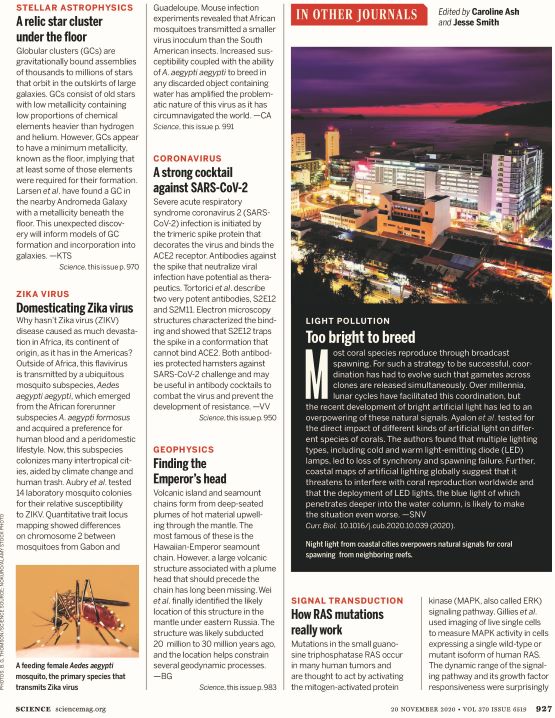
Science: CNO Neutrinos At The Sun’s Core, Covid-19 & Contraception (Podcast)

Scientists have finally confirmed the existence of a CNO cycle fusion reaction in the Sun, and why women’s contraception research needs a reboot.

In this episode:

00:47 Detection of CNO neutrinos

Since the 1930s it has been theorised that stars have a specific fusion reaction known as the CNO cycle, but proof has been elusive. Now, a collaboration in Italy report detection of neutrinos that show that the CNO cycle exists.

Research article: The Borexino Collaboration

News and Views: Neutrino detection gets to the core of the Sun

08:48 Coronapod

We discuss the search for the animal origin of SARS-CoV-2, with researchers raiding their freezer draws to see if any animals carry similar viruses, and the latest vaccine results.

News: Coronaviruses closely related to the pandemic virus discovered in Japan and Cambodia

News: Why Oxford’s positive COVID vaccine results are puzzling scientists

19:32 Research Highlights

How sleep patterns relate to ageing, and a solar-powered steam sterilizer.

Research Highlight: For better health, don’t sleep your age

Research Highlight: Technology for sterilizing medical instruments goes solar

21:50 Getting women’s contraception research unstuck

Since the 1960s there has been little progress on research into women’s contraceptives. This week in Nature, researchers argue that this needs to change.

Comment: Reboot contraceptives research — it has been stuck for decades

29:35 Briefing Chat

We discuss a highlight from the Nature Briefing. This time, a tool to summarise papers.

Nature News: tl;dr: this AI sums up research papers in a sentence

Art: ‘Apollo Magazine – December 2020 Issue’

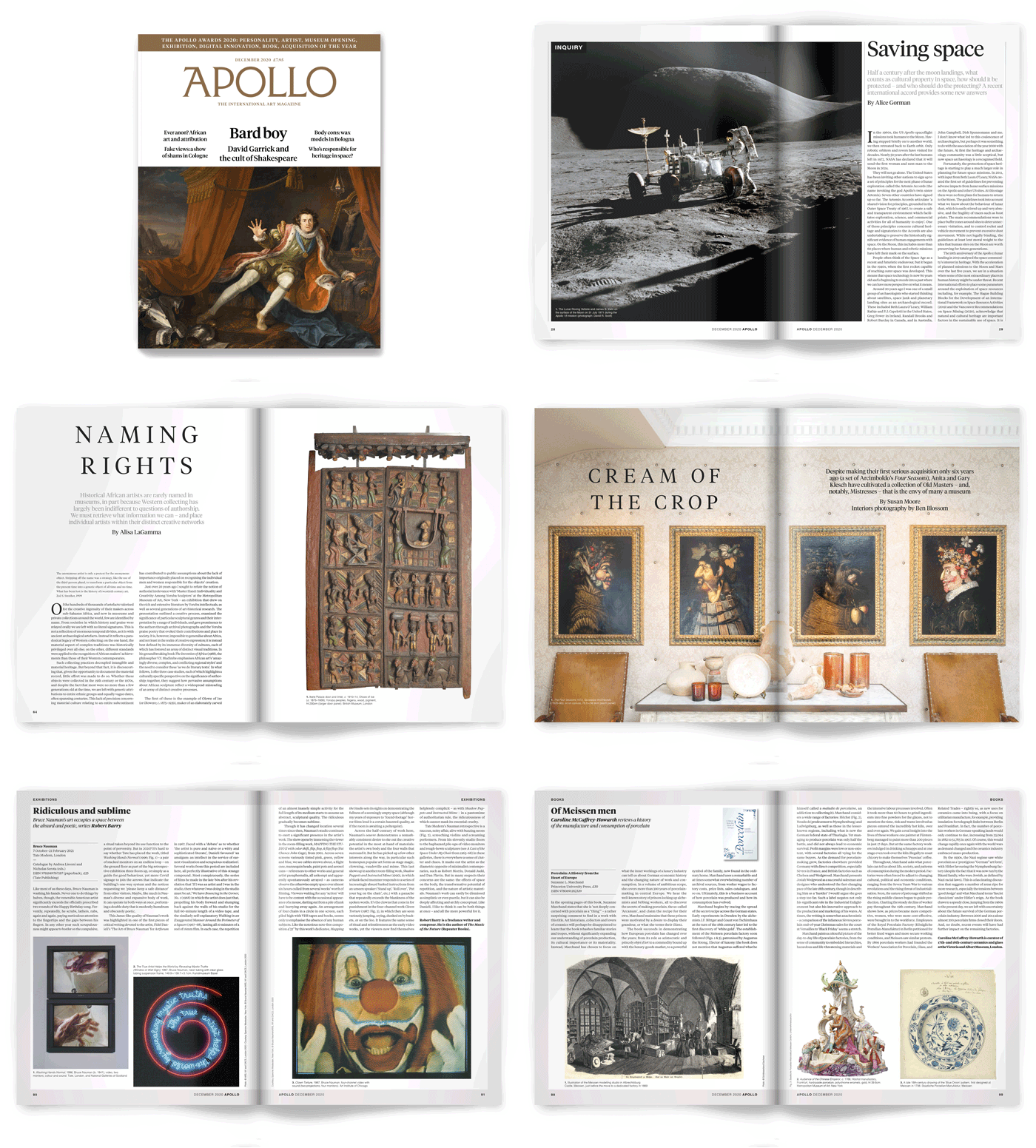
INSIDE THE ISSUE
 
FEATURES | Kirsten Tambling on Shakespearean relics; Susan Moore visits a museum-worthy collection of Old Masters; Alisa LaGamma on African art and attribution; Alice Gorman asks who is responsible for protecting space heritage
 
REVIEWS | Robert Barry on Bruce Nauman in London; Mark Evans on Prince Albert’s Raphael Collection in Woking; Imelda Barnard on Haegue Yang in St Ives; Caroline McCaffrey-Howarth on the history of European porcelain; Andrew Hussey on Isidore Isou; Thomas Marks on a collection of recipes by video artists
 
MARKET | Susan Moore previews December sales in New York and looks back at the autumn season; Emma Crichton-Miller on the enduring appeal of German limewood sculpture
 
PLUS | The Apollo Awards 2020Caroline Campbell and Michael Prodger consider the consolations offered by historic paintingsMadeleine Schwartz on fakery and the Russian avant-garde; Christopher Turner in search of Bologna’s historical waxworks; Charles Holland on architectural copies and cover versions; Robert O’Byrne on the brilliantly named painter Hercules Brabazon Brabazon

Scents & Flavors: ‘Mint – Extracting Its Essence In Washington State’ (Video)

Washington State is the country’s largest producer of mint, the oil of which can be worth thousands of dollars more per barrel than crude oil. Correspondent Conor Knighton visits family farmers, and the processing company Labbeemint, whose extracts of peppermint, spearmint and other varieties are used in everything from candy and gum to toothpaste and mouthwash.