

Dear @MayoClinic: My doctor suggested I get a yearly skin check by a dermatologist to check for #melanoma. Why is this necessary? I am almost 50 and have never had any suspicious moles or spots. https://t.co/cVva5q2qbQ #SkinCancer pic.twitter.com/yPjt8W0n1H
— Mayo Clinic Comprehensive Cancer Center (@MayoCancerCare) July 23, 2021
Category Archives: Reviews
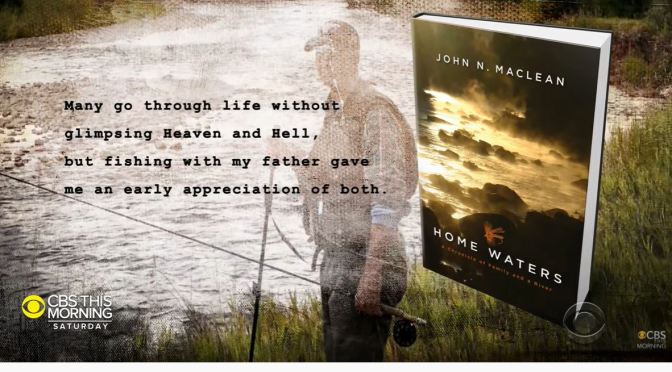
Montana Views: John Maclean’s Backstory Memoir ‘Home Waters’
John Maclean’s family was the topic of “A River Runs Through It,” the novella that became a hit film. Now, his own new book tells the backstory of the captivating drama. Jeff Glor takes a look at Maclean’s love for Montana’s great outdoors.

Top New Book Catalogs: ‘Taschen – Summer 2021’

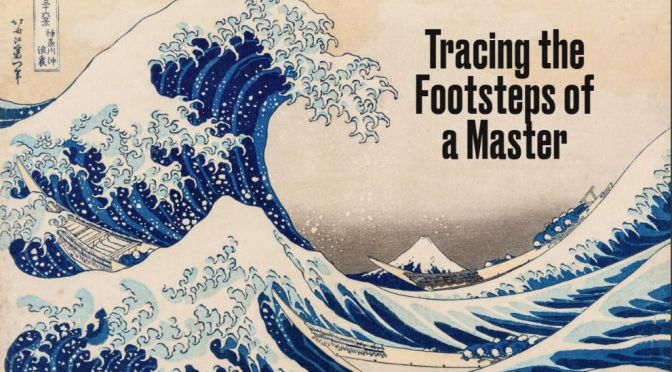
Art: ‘Hokusai. Thirty-Six Views Of Mount Fuji’
Mount Fuji has long been a centerpiece of Japanese cultural imagination, and nothing captures this with more virtuosity than the landmark woodblock print series Thirty-six Views of Mount Fuji by Katsushika Hokusai (1760–1849).
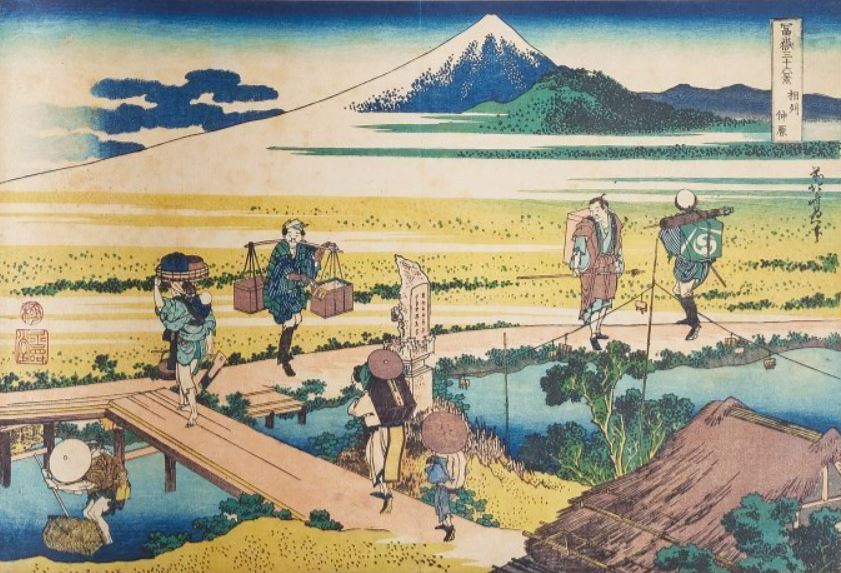
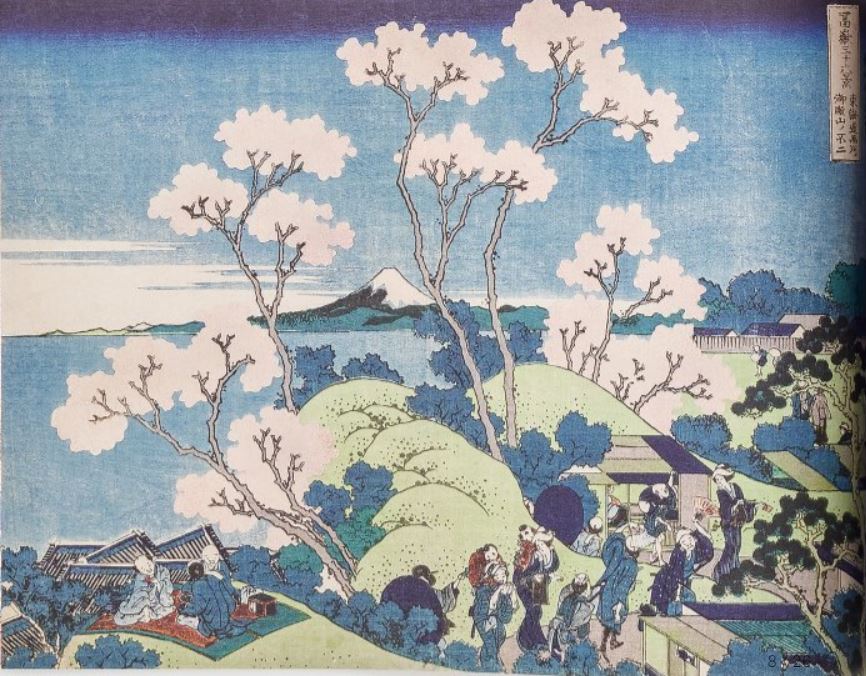
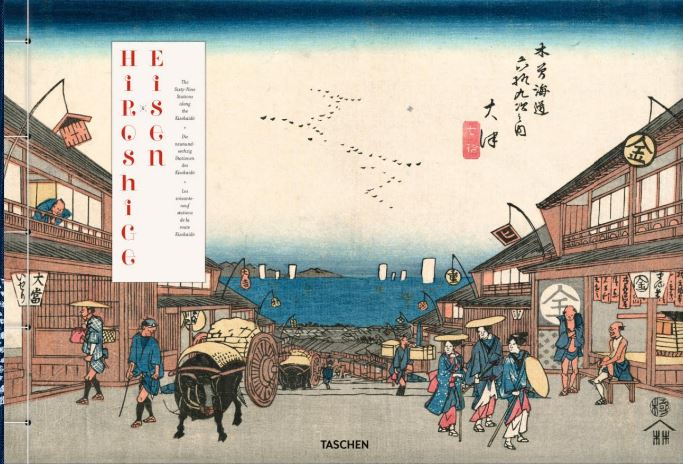

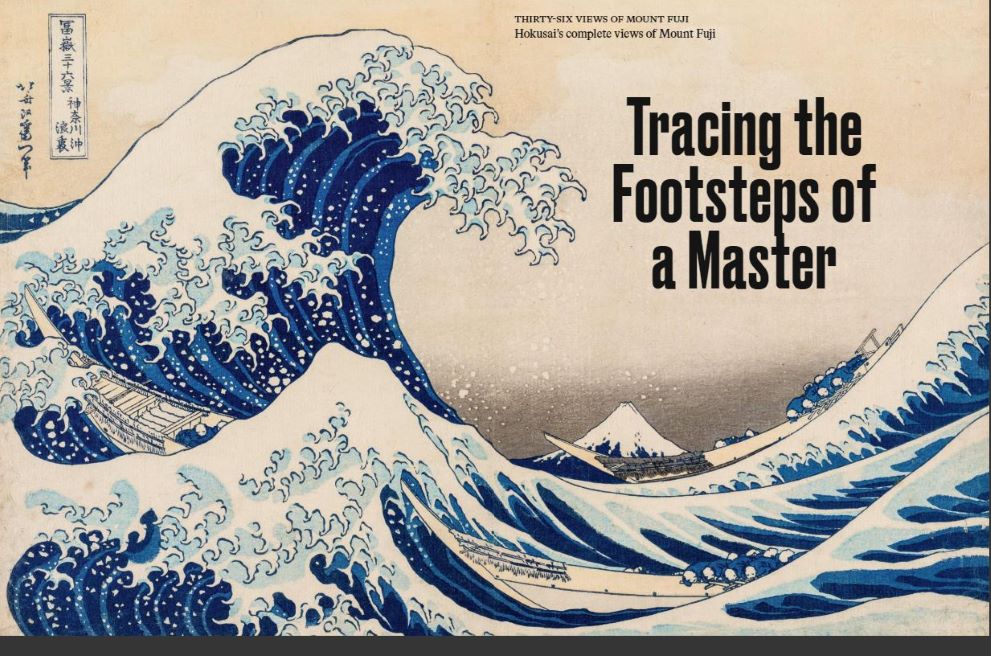
The renowned printmaker documents 19th-century Japan with exceptional artistry and adoration, celebrating its countryside, cities, people, and serene natural beauty. Produced at the peak of Hokusai’s artistic ambition, the series is a quintessential work of ukiyo-e that earned the artist world-wide recognition as a leading master of his craft.
The prints illustrate Hokusai’s own obsession with Mount Fuji as well as the flourishing domestic tourism of the late Edo period. Just as the mountain was a cherished view for travelers heading to the capital Edo (now Tokyo) along the Tōkaidō road, Mount Fuji is the infallible backdrop to each of the series’ unique scenes. Hokusai captures the distinctive landscape and provincial charm of each setting with a vivid palette and exquisite detail. Including the iconic Under the Great Wave off Kanagawa (also The Great Wave), this widely celebrated series is a treasure of international art history.

Western Drought: Expect More Fires & Water Wars
As of mid-June, nearly three-quarters of the US’s West has been experiencing “severe,” “extreme,” or “exceptional” drought conditions. In addition to the states above, it also includes northern states like North Dakota and Montana.
Overall, climate change is playing a role. But there are smaller factors at play that are tied to climate change as well. Including…
- Not enough rain. The National Oceanic and Atmospheric Association (NOAA) said the Southwest’s 2020 monsoon season (read: ‘nonsoon’) was “the hottest and driest summer/monsoon season on record.” And the decrease in rainfall is having an impact on today’s drought (think: not enough water for crops, lakes, or reservoirs). And for the little rain that has fallen, it could dry up faster because of…
- Warmer temps. The NOAA dubbed 2020 the second-hottest year on record. And in late June, a record-breaking heat wave hit the Pacific Northwest, with the temperature reaching up to 112 degrees Fahrenheit in places like Portland, OR. (Psst…if you’re dealing with hot weather, here are some tips to stay safe.) Hotter, drier weather creates a thirsty environment, which speeds up evaporation. Rising temps are also causing snowpacks to melt faster, and they’re reportedly producing less runoff – a vital water resource. All of which means there’s less water available for communities and ecosystems.
Experts are also worried that the current dry and hot conditions will have a ripple effect, which brings us to wildfires. Last year’s West Coast wildfire season was the worst ever. Fires in California killed 31 people, burned more than 4 million acres, and destroyed thousands of buildings and structures. And this year, states like Arizona have seen an early start to their wildfire season. But the effects of the drought stretch even further.

Covid-19: How The Delta Variant Spread Globally
Covid-19’s Delta variant is proliferating world-wide threatening unvaccinated populations and economic recovery. WSJ breaks down events in key countries to explain why Delta spreads faster than previously detected strains. Composite: Sharon Shi

Science: Blood Tests For Alzheimer’s Treatment, Seismic Events on Mars

Books: ‘The Tiny Bee That Hovers At The Center Of The World’ – David Searcy
An ethereal meditation on longing, loss, and time, sweeping from the highways of Texas to the canals of Mars–by the acclaimed essayist and author of Shame and Wonder
David Searcy’s writing is enchanting and peculiar, obsessed with plumbing the mysteries and wonders of our everyday world, the beauty and cruelty of time, and nothing less than what he calls “the whole idea of meaning.” In The Tiny Bee That Hovers at the Center of the World, he leads the reader across the landscapes of his extraordinary mind, moving from the decaying architectural wonder that is the town of Arcosanti, Arizona, to driving the vast, open Texas highway in his much-abused college VW Beetle, to the mysterious, canal-riddled Martian landscape that famed astronomer Percival Lowell first set eyes on, via his telescope, in 1894. Searcy does not come at his ideas directly, but rather digresses and meditates and analyzes until some essential truth has been illuminated–and it is in that journey that the beauty is found.
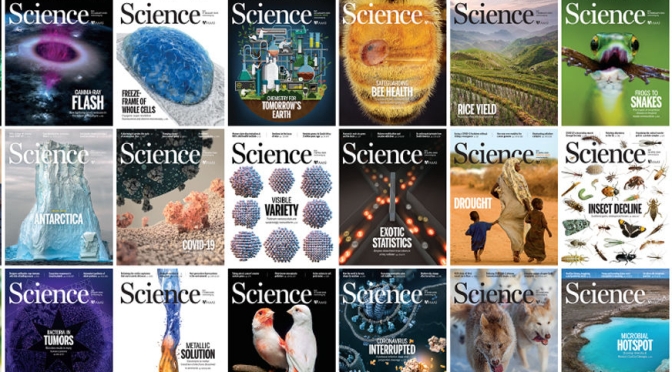
Journal Views: Science Magazine – July 23, 2021
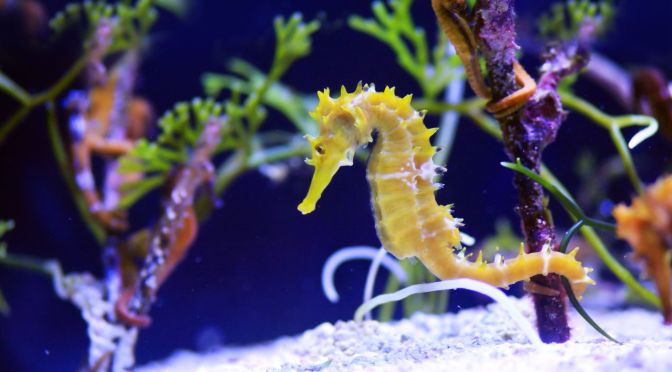
Zoology: The Evolution Of Seahorses (Video)
Sea horses are amazing animals because of many of their strange features like male pregnancy but also due to their beautifully unique body shape. However, this may be the reason why seahorses are famous but it actually makes them very bad swimmers so why did they evolve to have this unique body shape?
A seahorse is any of 46 species of small marine fish in the genus Hippocampus. “Hippocampus” comes from the Ancient Greek hippókampos, itself from híppos meaning “horse” and kámpos meaning “sea monster”.
 Boomers Daily