
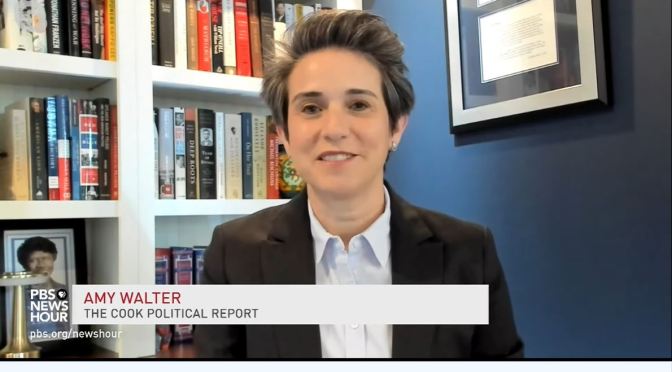
NPR’s Tamara Keith and Amy Walter of the Cook Political Report join Judy Woodruff to discuss the latest political news, including internal Republican politics over Rep. Liz Cheney’s House position, former President Trump’s influence on the party, and bipartisanship on President Biden’s plans.
Category Archives: Politics
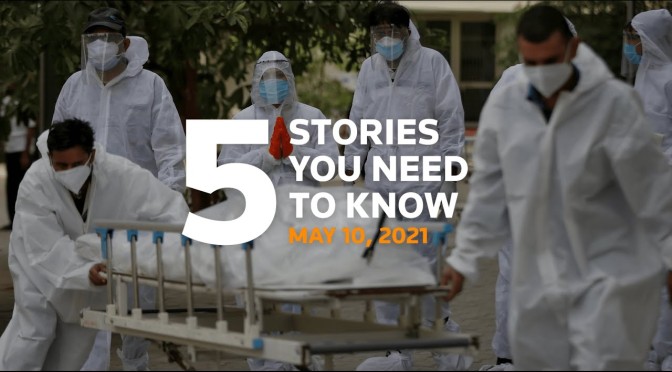
News: Top 5 Stories For May 10, 2021 (Video)
Five stories to know for May 10: Shootings in Colarado and New York’s Times Square, China’s rocket debris, clashes in Israel, and COVID in India.
1. A man fatally shot six people including his girlfriend before turning the gun on himself at a birthday party in Colorado Springs, Colorado.
2. Remnants of China’s biggest rocket landed in the Indian Ocean, with most of its components destroyed upon re-entry into the atmosphere.
3. Three people including a four-year-old girl were shot in New York City’s Times Square after gunfire broke out in a dispute that they were apparently not involved in, the city’s top police official said.
4. Palestinian protesters threw rocks and Israeli police fired stun grenades and rubber bullets in clashes outside al-Aqsa mosque in Jerusalem, as Israel marked the anniversary of its capture of parts of the city in the 1967 Arab-Israeli war.
5. Indian coronavirus infections and deaths held close to record daily highs on Monday, increasing calls for the government of Prime Minister Narendra Modi to lock down the country.

Morning News Podcast: U.S. Pipeline Cyberattack, Food Delivery Prices Rise
A.M. Edition for May 10. WSJ’s Heather Haddon discusses the additional fees associated with food delivery. A cyberattack forced the shutdown of America’s largest fuel pipeline. Corn sees its prices pop.
And, Tesla CEO Elon Musk’s debut on “Saturday Night Live”. Marc Stewart hosts.

World News: Rise Of E-Money, Spain’s Indignados Protests & Dostoevsky
A selection of three essential articles read aloud from the latest issue of The Economist. This week: the rise of e-money, ten years after Spain’s indignados protests (10:03) and “the brothers Karamazov” on stage (17:36).
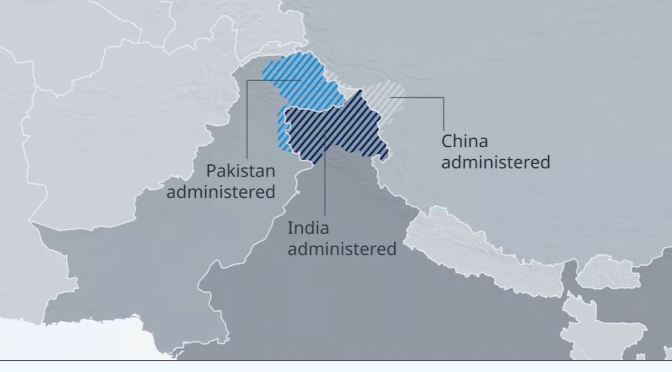
Analysis: India-Pakistan Conflict Explained (Video)
In February 2021, India and Pakistan agreed to strictly observe all previous agreements on ceasefire along the Line of Control in Jammu and Kashmir and other sectors, and to address core issues and concerns. It was their first joint statement in over eight years. But will the agreement be upheld this time? Both countries have come close to an all-out military conflict several times in the past two decades. DW takes a look at factors that are driving the hostility between the two South Asian neighbors.

Sunday Morning Podcast: News From Zurich, Tokyo London & Copenhagen
Tyler Brûlé, Andrew Tuck, Benno Zogg and Christof Münger round up the weekend’s biggest discussion topics. Plus, we check in with our friends and contributors in London, Copenhagen and Tokyo.
Saturday Morning News: Latest Headlines From London (May 8, 2021)
A roundup of the weekend’s newspapers, Monocle editor in chief Andrew Tuck’s column and Henry Mance tells us what people can do for animals. Georgina Godwin sets the tone for the weekend.
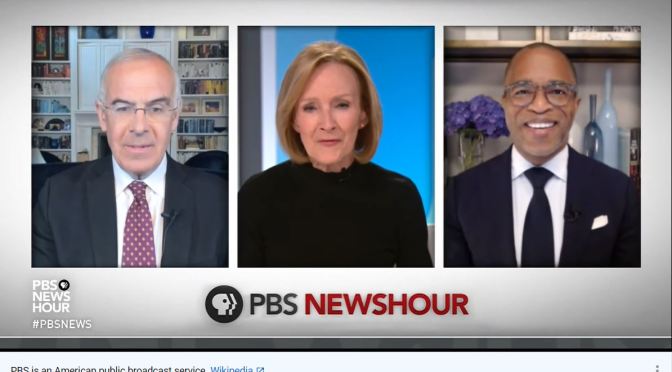
Political Analysis: Brooks & Capehart Discuss Latest Employment, Election Law
New York Times columnist David Brooks and Washington Post columnist Jonathan Capehart join Judy Woodruff to discuss the week in politics, including the latest jobs report, the internal politics in the Republican party as it attempts to oust Rep. Liz Cheney, and the latest string of election law changes in conservative states.
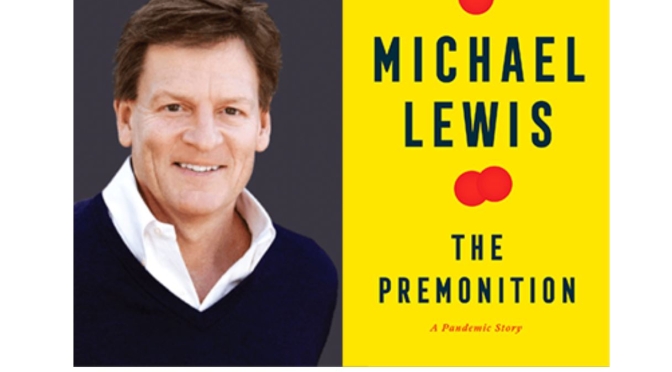
Reviews: Author Michael Lewis, ‘The Premonition – A Pandemic Story’ (Podcast)
In 2018, Michael Lewis published “The Fifth Risk,” which argued, in short, that the federal government was underprepared for a variety of disaster scenarios. Guess what his new book is about? Lewis visits the podcast this week to discuss “The Premonition,” which recounts the initial response to the coronavirus pandemic.
“It wasn’t just Trump,” Lewis says. “Trump made everything worse. But there had ben changes in the American government, and changes in particular at the C.D.C., that made them less and less capable of actually controlling disease and more and more like a fine academic institution that came in after the battle and tried to assess what had happened; but not equipped for actual battlefield command. The book doesn’t get to the pandemic until Page 160. The back story tells you how the story is going to play out.”
The historian Annette Gordon-Reed visits the podcast to talk about her new book, “On Juneteenth,” which combines history about slavery in Texas and Juneteenth with more personal, essayistic writing about her own family and childhood.
“This is a departure for me, but it is actually the kind of writing that I always thought that I would be doing when I was growing up, dreaming about being a writer,” Gordon-Reed says. “I’ve always been a great admirer of James Baldwin, and Gore Vidal’s essays I thought were wonderful, better than the novels, and that’s the kind of thing that I wanted to do. So it was sort of a dream come true for me to be able to take this form and talk about some things that were very important to me.”
Also on this week’s episode, Tina Jordan looks back at Book Review history during this year of its 125th anniversary; Alexandra Alter has news from the publishing world; and Parul Sehgal and John Williams talk about the latest in literary criticism. Pamela Paul is the host.
Here are the books discussed by the critics this week:
“The Secret to Superhuman Strength” by Alison Bechdel
“Jackpot” by Michael Mechanic
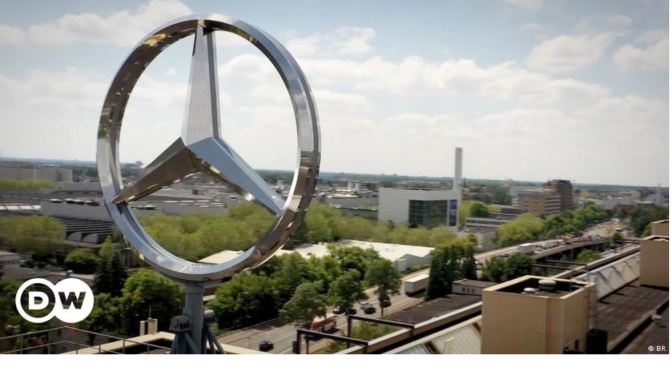
Analysis: The Politics Of Germany’s Auto Industry
The German automotive industry has long played a key role in the country’s prosperity. It employs hundreds of thousands and enjoys cozy relationships with politicians.
But the COVID-19 crisis threw a wrench in the works. What’s next? The prosperous German auto industry has long been lagging when it comes to innovating new automotive technologies. Then came the COVID-19 pandemic. Now, the industry is turning to decision-makers for help. But just how far will policymakers go to help the car companies?
Arguing that the COVID-19 pandemic has hit them hard, the auto industry is demanding the postponement of stricter CO2 limits and a purchase premium for new vehicles. They maintain that nothing less than the prosperity of the whole country is at stake. But is Germany’s success really dependent on the auto industry? And how much blame does industrial policy bear for the failures of the automotive companies?
 Boomers Daily