

Silicon returns to Silicon Valley
AI has returned chipmaking to the heart of computer technology, says Shailesh Chitnis

AI has returned chipmaking to the heart of computer technology, says Shailesh Chitnis


A race is on to push artificial intelligence beyond today’s limits
Hitting back at the forces blasting Ukrainian cities is legal and proportionate
Domestic students have been paying less in real terms every year
Progress stalled around 2015. To restart it, liberalise
A flood of money, advertising and consultants have left the race for the state a virtual tie
Our statistical analysis finds that woke opinions and practices are on the decline

Liberal democracy’s last stand against Big Tech by Barry C. Lynn
In 1609, James I lectured the English people on his rights and responsibilities as king. It was his duty to “make and unmake” them, he said. Kings have the “power of raising and casting down, of life and of death; judges over all their subjects, and in all causes.”
On the plight of environmental-illness refugees
How Hindu nationalism spreads in America


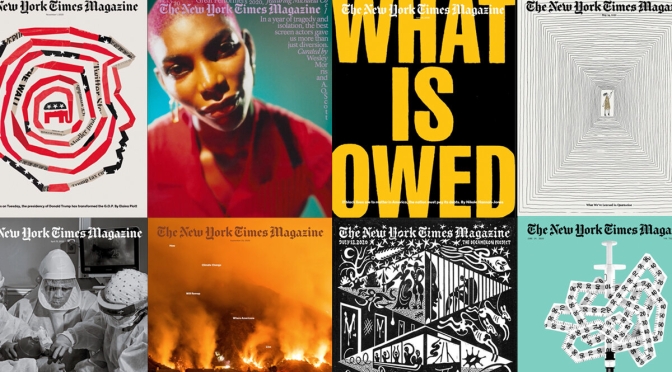
Part of the intrigue has been which movement would run out of steam first: Trump’s MAGA, through its failures, or Obama’s liberalism, through its successes. By Benjamin Wallace-Wells
Contemporary cycling is all about spandex and personal bests. The bicycle designer Grant Petersen has amassed an ardent following by urging people to get comfortable bikes, and go easy. By Anna Wiener
More than beauty, more than color, the artist reveals the doubts that bind us. By Jackson Arn



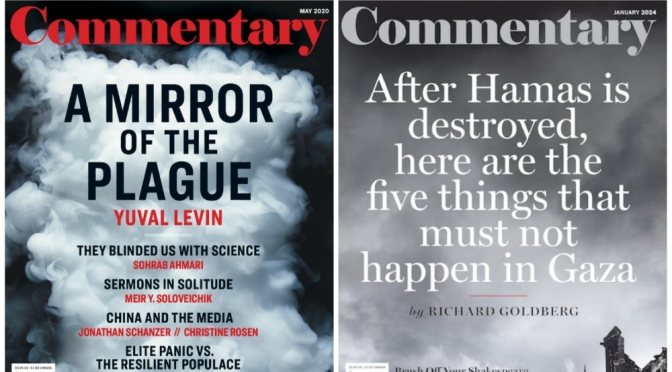
…the U.S. has been too slow in arming its ally, too restrictive in setting conditions on the use of weapons, and generally too fearful of Vladimir Putin’s threats. The result is that Ukraine, for all its unfathomable courage and boundless ingenuity, has been permitted to fight, but not win, the war. If this keeps up, Ukraine could actually lose.
When I step back a bit, I can see that Zuckerberg isn’t just haplessly begging our forgiveness. He’s trying to save his business. Meta Platforms, the company he controls, contains some of the world’s most widely used and profitable digital brands, including Facebook, Instagram, and WhatsApp. Meta appears to be thriving, with its stock price more than quadrupling since a rocky 2022. But Zuckerberg knows that his company’s brands are built on foundations of sand. Just as a sandbar will move with tides, the user base of any social platform can drift away in a surprisingly short time.

This is Harris’s challenge: She’s the incumbent vice president running for higher office in a change election. She’s an undefined candidate whose positions and job performance are vulnerable to attack. She wants to be seen as a disruptor while remaining loyal to President Biden. And she wants to move away from the far-left views she held as a senator while she continues to proclaim that her values have stayed the same.


THE NEW YORK TIMES MAGAZINE (September 13, 2024): The latest issue features Sasha Weiss on the Prince we never knew; Ben Hubbard on a U.N. agency for Palestinian refugees; Giles Harvey on the writer Tony Tulathimutte; and more.
A revealing new documentary could redefine our understanding of the pop icon. But you will probably never get to see it.
UNRWA, the U.N. agency for Palestinian refugees, has survived 75 years of Israeli-Palestinian strife. Can it survive the latest conflict?
Tony Tulathimutte is a master comedian whose original and highly disturbing new book skewers liberal pieties. By Giles Harvey
Donald Trump’s conspiracy machine is already gearing up for election night
They agree on the labour market above all
A new stage in the conflict is beginning
Mario Draghi, the continent’s unofficial chief technocrat, has a plan
Some of its myriad components are being tested as treatments for cancer and other diseases

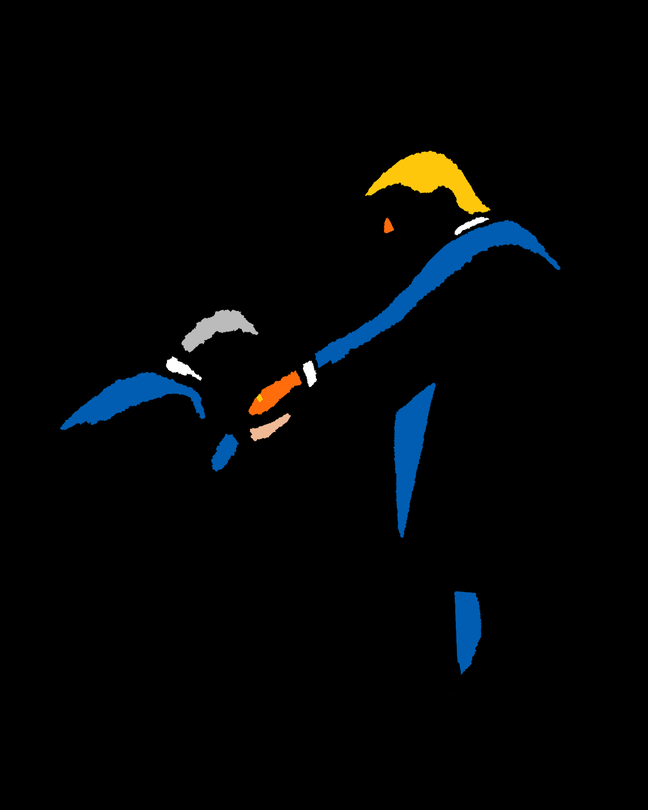
He said Republican politicians would be easy to break. He was right.
His latest comments about mass deportation are a revelation about how he feels—and a troubling reminder of the sources of his appeal.
Julius Rosenwald understood that charity is not just about giving, but about fixing the inequalities that make giving necessary.

The podcast investigates the events in Haditha, Iraq, and compiles a database to show the inherent problem of the military judging its own members. By Willing Davidson
Scientists have shattered our self-image as principled beings, motivated by moral truths. Some wonder whether our ideals can survive the blow to our vanity. By Manvir Singh
For years, Russia has been using the Norwegian town of Kirkenes, which borders its nuclear stronghold, as a laboratory, testing intelligence operations there before replicating them across Europe. By Ben Taub

THE NEW YORK TIMES MAGAZINE (September 7, 2024): The latest issue features Caity Weaver on the tyranny of the American penny; Jordan Kisner on the future of the Shakers; Dan Kaufman on NAFTA and politics; and more.
Since its passage in 1993, the trade agreement has played an outsize role in presidential elections — which now often hinge on the three Rust Belt states it helped to hollow out.
Their numbers have dwindled, but the remaining members are imagining what comes next.By Jordan KisnerCreditLucas Foglia for The New York Times
 Boomers Daily