With nearly 1,500 artworks on display, there is a lot to see at the Royal Academy of Arts (RA) Summer Exhibition 2022. If you want a taste of what’s on show then here is a quick tour. The theme chosen by the exhibition’s coordinator, Alison Wilding RA, is Climate. It begins outside, where a large-scale immersive installation by Spanish artist Cristina Iglesias brings nature and water to the courtyard. Inside, the artworks are spread over 11 rooms, including two galleries of prints selected by Grayson Perry RA.
Category Archives: Museums
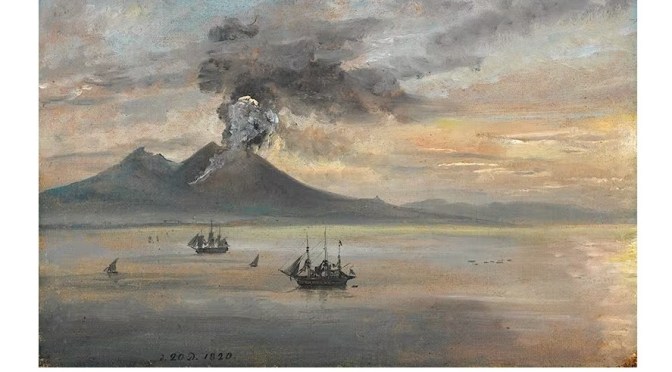
Art: Volcano Painting In Europe From 1780-1870
‘It is desirable for a Painter, at least once in his life, to witness the Eruption of a volcano.’ – Pierre-Henri de Valenciennes (1799). Join exhibition contributor Clive Oppenheimer, Professor of Volcanology at the Department of Geography at the University of Cambridge, and explore the ‘Volcanoes’ section of True to Nature. #TrueToNature is open at the Fitzwilliam Museum until 29 August 2022 https://fitz.ms/ttn
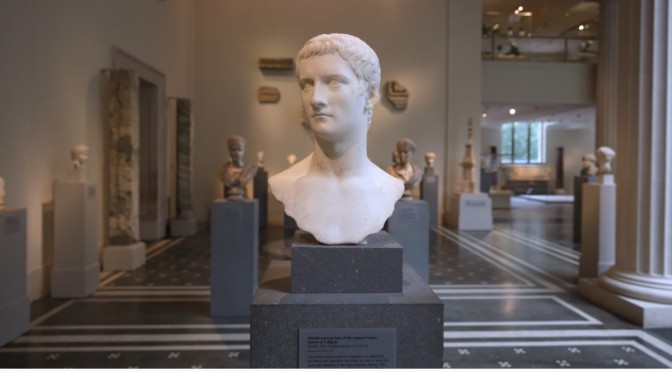
Museum Insider: ‘Caligula’ Marble Bust’s True Colors
Archaeologists Vinzenz and Ulrike Koch Brinkmann have spent the last 40 years dedicated to the study of polychromy—or “many colors” in Greek—in ancient sculpture. Once a fringe area of study, their research combats the misconception of white purity in ancient Greece and Rome. They reflect on the marble bust of Caligula and how the reconstruction of its former color can help us better understand history.
Explore more perspectives on Caligula: https://www.metmuseum.org/perspective…
Getty Art + Ideas Podcast: “Imagining The Afterlife”
“The underworld, the afterlife, is fairly dank, dark, shadowy; quite frankly, it’s a bit boring. Somewhat like waiting at a bus depot.”
Homer’s Odyssey depicts an afterlife that is relatively dull, with heroic actions and glory reserved for the living. Nonetheless, people in Southern Italy in the fourth century BCE were captivated by the underworld and decorated large funerary vases with scenes of the afterlife—the domain of Hades and Persephone, where sinners like Sisyphus are tortured for eternity and heroes like Herakles and Orpheus performed daring feats.
Little is known about precisely how these vases were used and seen in death rituals. A new book by Getty Publications, Underworld: Imagining the Afterlife in Ancient South Italian Vase Painting, brings together 40 such vases and explores new research on them.
In this episode, Getty Museum curator of antiquities David Saunders discusses these enormous and often elaborate vases, explaining the myths they depict and what is known about the ways in which they were used. Saunders is editor of Underworld.
For images, transcripts, and more, visit https://blogs.getty.edu/iris/podcast-imagining-the-afterlife-through-ancient-vases/ or http://www.getty.edu/podcasts
To buy the book Underworld: Imagining the Afterlife in Ancient South Italian Vase Painting, visit https://shop.getty.edu/products/underworld-imagining-the-afterlife-in-ancient-south-italian-vase-painting-978-1606067345
To learn more about the exhibition, visit
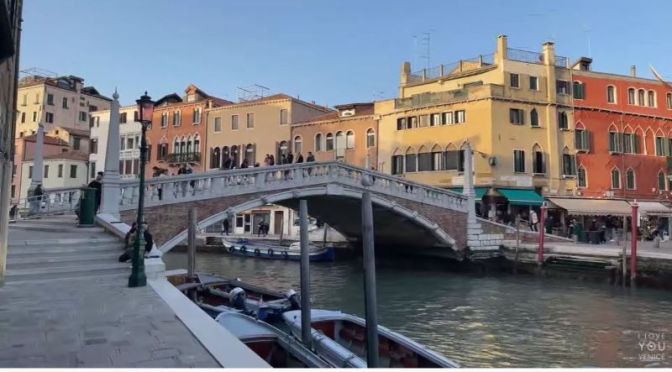
Venice Walks: Santa Croce To Cannaregio District
Santa Croce is a laid-back, slightly off-the-beaten-track area with a local vibe. After school, kids play in Campo San Giacomo dall’Orio, and this square and nearby streets are home to casual eateries serving global cuisine. On the Grand Canal, the imposing Fondaco dei Turchi features exhibits on natural history while the nearby Ca’ Pesaro palace showcases contemporary art and Asian decorative arts.
Lively Cannaregio is known for the 16th-century Jewish Ghetto. The Strada Nova is a popular local shopping thoroughfare, and the backstreets are a destination for crafts and vintage goods. Casual canalside restaurants and bars line nearby Fondamenta della Misericordia and Fondamenta dei Ormesini. The stately Ca’ d’Oro palace displays a Renaissance art collection.

Surrealist Art: Max Ernst’s ‘Attirement Of The Bride’
Attirement of the Bride is an example of Max Ernst’s veristic or illusionistic Surrealism, in which a traditional technique is applied to an incongruous or unsettling subject. The theatrical, evocative scene has roots in late nineteenth-century Symbolist painting, especially that of Gustave Moreau. It also echoes the settings and motifs of sixteenth-century German art. The willowy, swollen-bellied figure types recall those of Lucas Cranach the Elder in particular. The architectural backdrop with its strong contrast of light and shadow and its inconsistent perspective shows the additional influence of Giorgio de Chirico, whose work had overwhelmed Ernst when he first saw it in 1919.
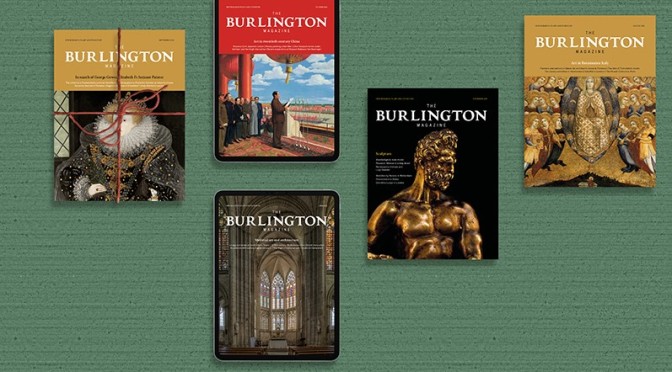
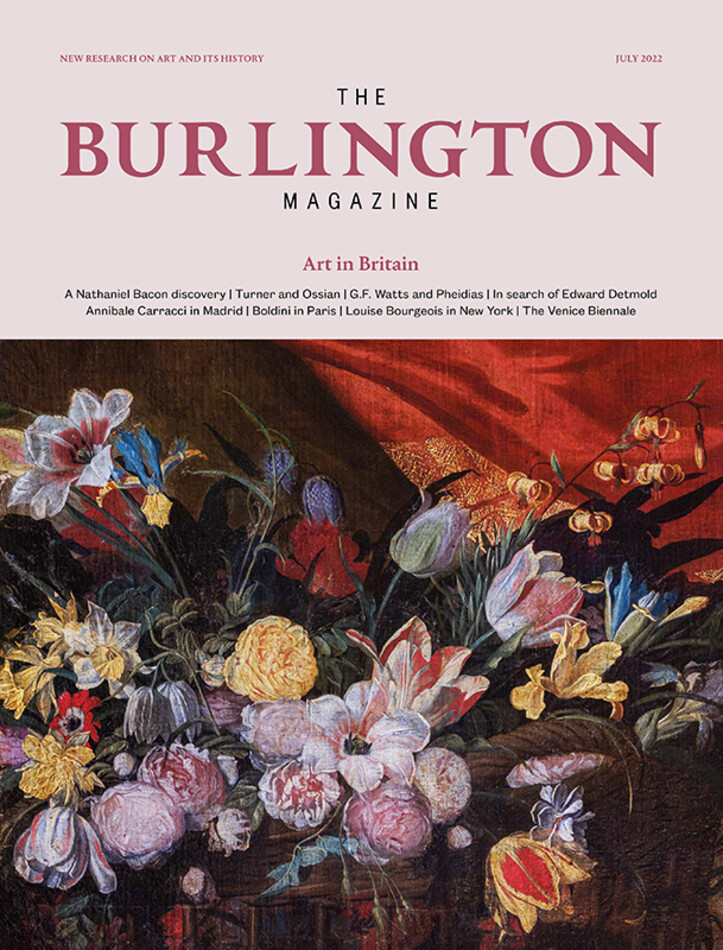
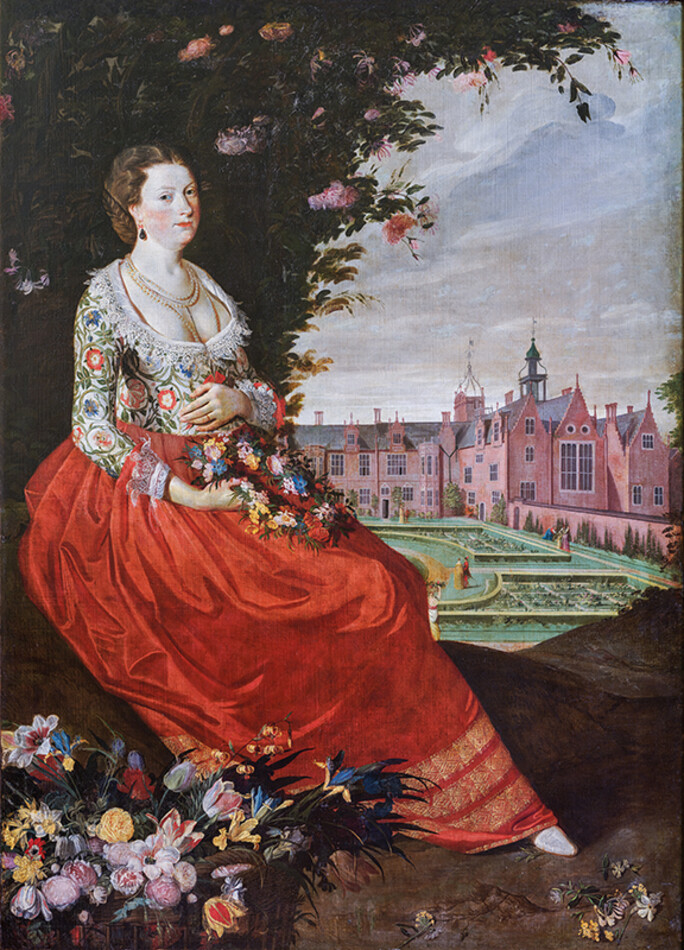
Preview: The Burlington Magazine – July 2, 2022
Louise Bourgeois: Paintings Louise Bourgeois: The Woven Child
‘Je vois red’ raged Louise Bourgeois (1911–2010) on one of the loose sheets of paper that she made notes on, most often about herself and her work and, in this case, about the painting Natural history #2 (1944; Easton Foundation, New York), which struck her as all going wrong. Slipping between two languages, Bourgeois’s fury conforms to the themes of rage, the death drive and childhood aggression that the art historian Mignon Nixon has traced in the artist’s work in reference to the ideas of the psychoanalyst Melanie Klein.
Reviews: ‘The Week In Art’
On 29 June, Frieze announced the details of the first edition of its art fair in Seoul, South Korea. So for this last episode of the current season, we’re exploring the art scene and market in the Korean capital.
Ben Luke talks to the art historian and curator Jiyoon Lee about contemporary art in Seoul and beyond, and the origins of the current art scene in 1990s globalisation. The Art Newspaper’s associate editor, Kabir Jhala, speaks to two gallerists—Joorhee Kwon, deputy director at the Kukje Gallery and Emma Son, senior director at Lehmann Maupin, about the growing market and collector base, and the effect Frieze may have on the existing scene.
And this episode’s Work of the Week is Dahye Jeong’s A Time of Sincerity, a basket made with horsehair that this week won the Loewe Foundation Craft Prize. Kabir talks to the creative director at the fashion brand Loewe, Jonathan Anderson, about Jeong’s piece.
Frieze Seoul, COEX, Seoul, 2-5 September.
The Space Between: The Modern in Korean Art, Los Angeles County Museum of Art, 11 September-19 February 2023.
The 2022 Loewe Foundation Craft Prize, Seoul Museum of Craft Art, until 31 July.
Views: Galerie d’Apollon In The Louvre Museum, Paris
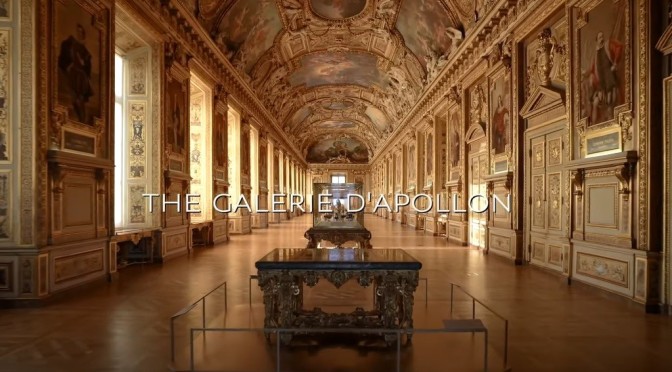
King Louis XIV famously identified himself with the sun god Apollo and this splendid gallery was the first tangible representation of that image. To create this masterpiece of architectural decoration, he summoned the greatest painters, gilders and sculptors of the day, who later worked on the Hall of Mirrors at the Château de Versailles. Today, the Galerie d’Apollon is home to the royal collection of hardstone vessels and the French Crown Jewels.
The French Crown Jewels
The royal collection also includes the Crown Jewels. The so-called ‘Côte de Bretagne’ spinel, which once belonged to Anne de Bretagne, is the oldest of the gems to have survived a tumultuous history involving theft, dispersal and sale. Three historical diamonds – the Regent, the Sancy and the Hortensia – formerly adorned royal crowns or garments. The spectacular 19th-century jewellery sets in the collection include emerald and diamond pieces that once belonged to Empress Marie Louise.
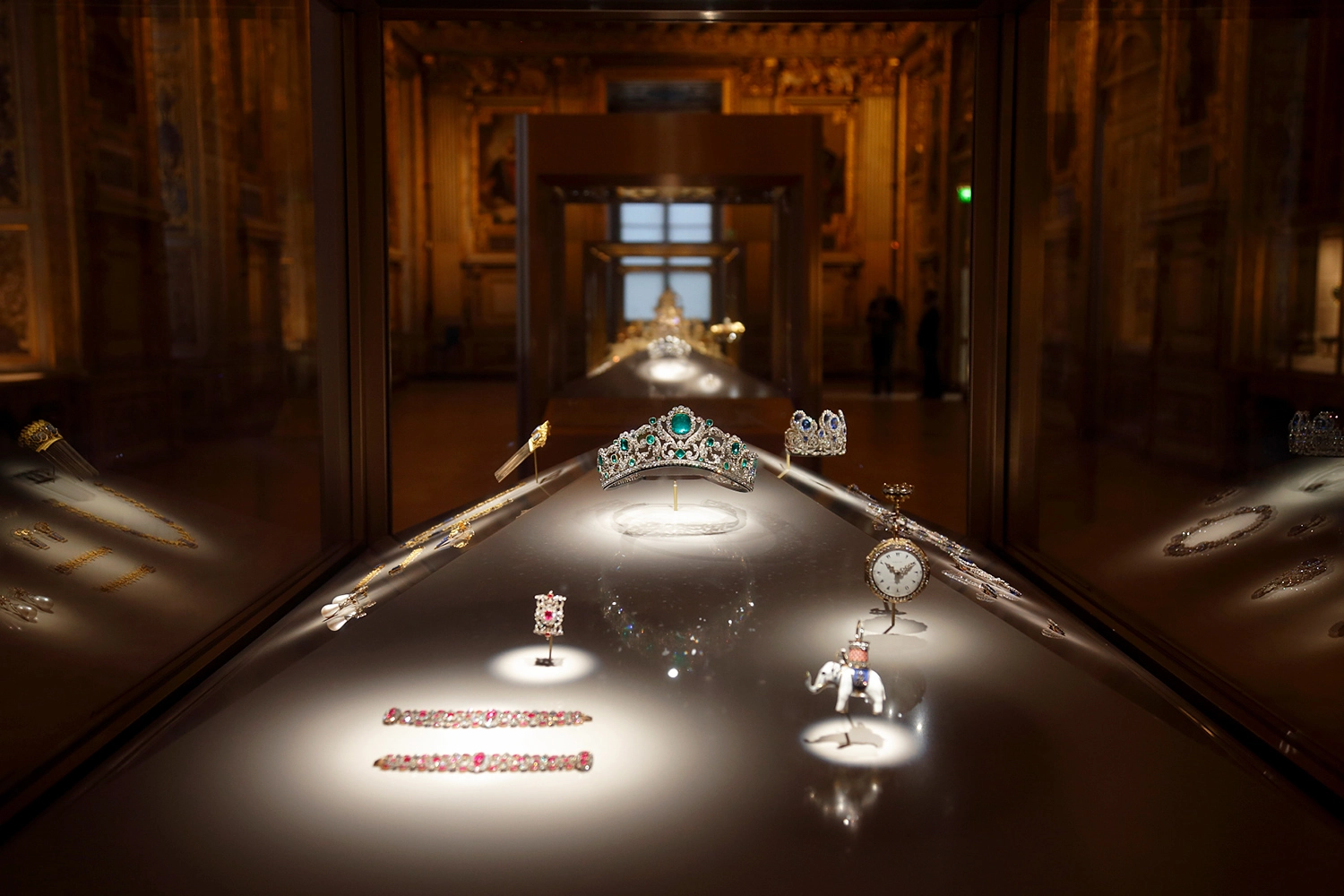
The 60-meter-long Apollo Gallery contains 105 extraordinary pieces, the most famous being the Crown Jewels of France. “This generic term covers not just the jewels that belonged to the kings of France but all the regalia as well: the precious stones and glyptic pieces,” says Pierre Rainero, director of style and heritage with the jeweler Cartier, which has sponsored the renovation work.
International Art: Apollo Magazine – July/Aug 2022

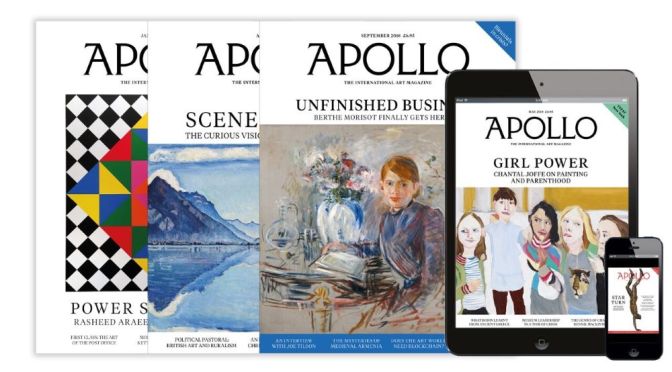
• The Russian artists making a stand against the war
• An interview with Gabriele Finaldi, director of the National Gallery
• The miniature marvels of Charles Paget Wade
• A Yoruba masterpiece in focus
Plus: London’s art market after Brexit, the Huntington Library comes up to speed, the beauty of banality, and reviews of Maillol’s sculptures, gilded manuscripts and Van Leo’s photographs of Cairo
 Boomers Daily