
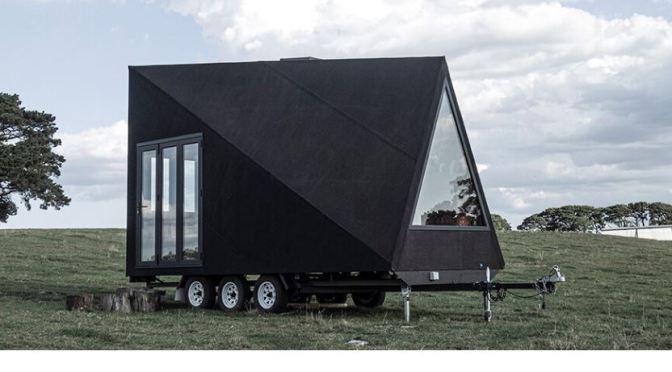
 The design is inspired by the A-Frame cabin & iconic airstream trailer. The A-frame structurally efficient & using less material than conventional portal framed buildings. Mute in its appearance & clad in black rubber to blend into its surrounds.
Designed by Studio Edwards for Base Cabin . A mobile retreat providing a fresh design approach to the ‘micro-home’ typology. Designed to be transported on a trailer & wheeled into its desired location. Providing an intimate connection to nature & the great outdoors.
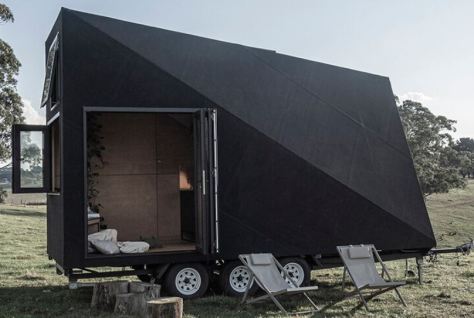
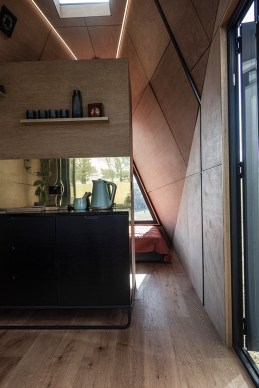
A cosy sleeping space sits below the A-frame roof with triangular window framing views outwards . Complete with central bathroom shower bathed in light from the roof-light above. A kitchenette to the rear of the cabin provides kitchen functionality with a window seat & fold out table adjacent to a large operable glazed facade.
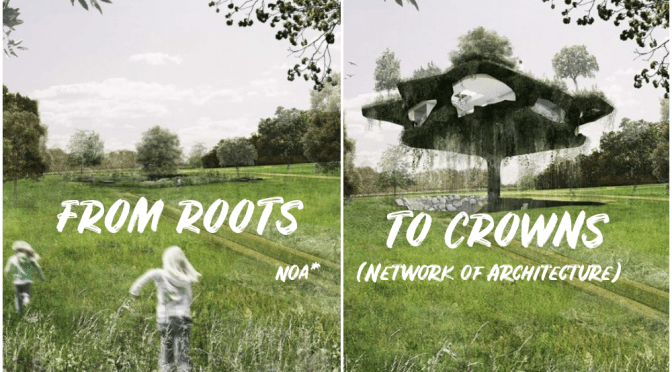
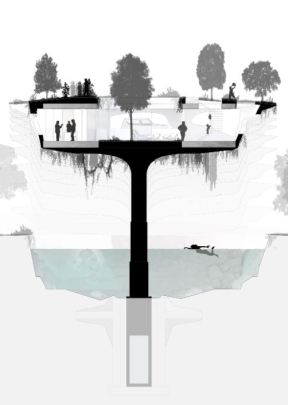 “from roots to crowns” describes the vertical metamorphosis of a hybrid building, moving from below ground through fields and trunks up to the crowns. It is a living shell on the move, able to take on 3 main positions “under the earth”(-1), “on the fields” (0) and “in the tree crowns” (+1+2). The lifting house is a visionary way of adapting the concept of “living and working in nature” to the varying requirements of its inhabitants.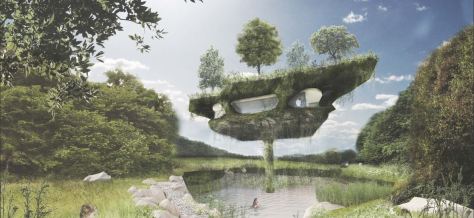
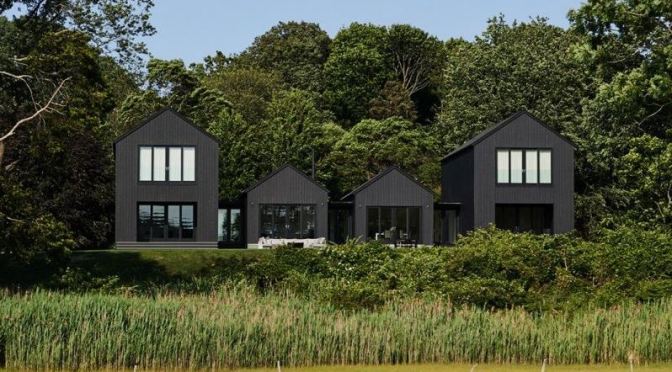
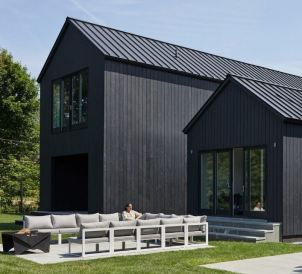 The result is a home with four gabled boxes connected by glass hallways. The two double-story bookend boxes are the private living spaces for each client and the two center boxes house the shared common spaces with one box for the kitchen and dining area and the other for the shared living room.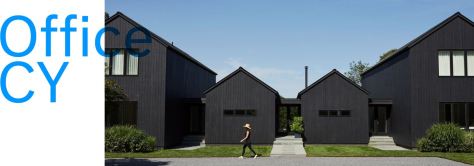

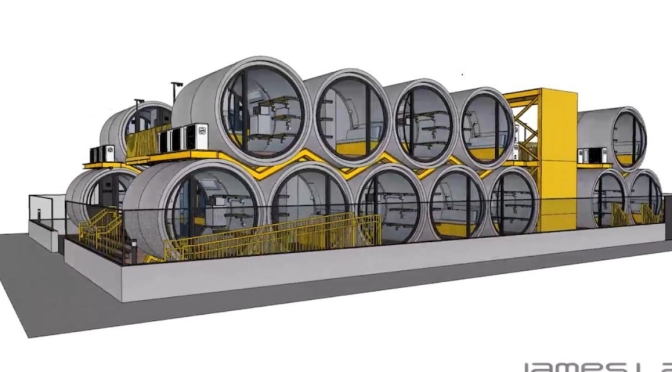
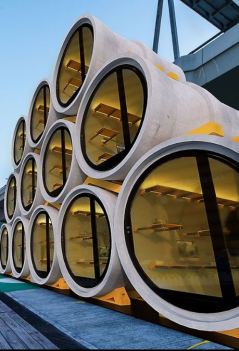 Comprised of 21 units of OPod Tube Houses, stack on 2 levels, the project is deployed on an unused urban plot in To Kwa Wan District of Hong Kong. Being a modular and flexible architecture, OPod Housing No.1 is able to be set up in less than 3 months, providing accommodation to 20 sets of residents with shared common kitchen and a co-living courtyard.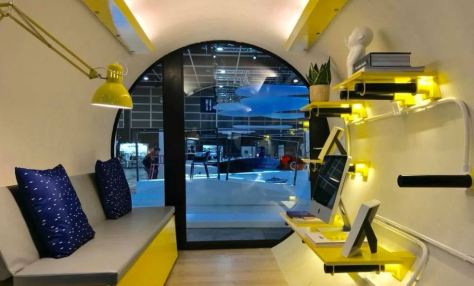

 What might that mean for the bathrooms of the post-coronavirus world? Americans have already demonstrated a keen fixation with this household feature: In the last 50 years, the number of home bathrooms per person has doubled. One could easily see the lavatory-building boom accelerate further as future homeowners keep the needs of the self-quarantined in mind. And many have speculated that sales of bidet attachments will surge as toilet-paper shortages encourage Americans to embrace this more sustainable alternative.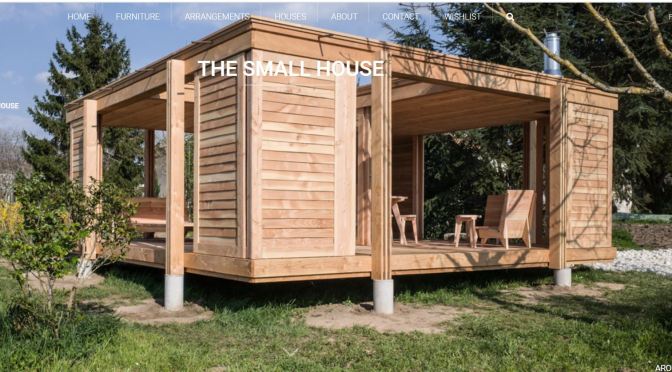
 From reception pavilion to proper house, 2m26’s houses are unique pieces. They are produced made to measure, on demand. They absolutely fit to the landscape. The houses are made of pine planks, rough cuted. The structure is protected with linseed oil to resist to weather conditions and walnut stain can be added to obtain a dark color.
 The building process / prefab gives the opportunity to prepare all the pieces at the Atelier. Moreover, it reduces on site time of construction, damages on plants and minimizes noise pollution. On site construction can be scheduled from a week to a month.

 …a stairway and greenery gently connected the upper and lower floors along a diagonal line, creating a space where all three generations could take comfort in each other’s subtle presence. Not only does the stairway connect the interior to the yard, or bond one household to another, this structure aims to expand further out to join the environs and the city —connecting the road that extends southward on the ground level, and out into skylight through the toplight.
 A two-family home in a quiet residential area of Tokyo. With other houses and apartment buildings pressing around the site, the architectural volume was pushed to the north to take in daylight, ventilation, and greenery of the yard into the living environment by a large glass front southern façade. The layout plan made it possible to preserve the existing persimmon tree beloved by the previous generations. Considering the potential difficulties of going up and down the stairs, the rooms for the older couple were arranged on the 1st floor. The eight cats living with the older couple roam in and outdoors more freely, and encourages the mother to enjoy her hobby of gardening more freely. The younger couple and their child reside on the 2nd and 3rd floors. To avoid the two households being completely separated at the top and bottom, a “stairway-like” structure was designed in the south yard, continuing upward into the building and penetrating the 1st through 3rd floors. Enclosed inside the “stairway” are functional elements, such as bathrooms and a staircase for actual use, with the upper part taking on the look of a semi-outdoor greenhouse with abundant greenery as well as a sun-soaked perch for the cats to enjoy climbing.
 Boomers Daily