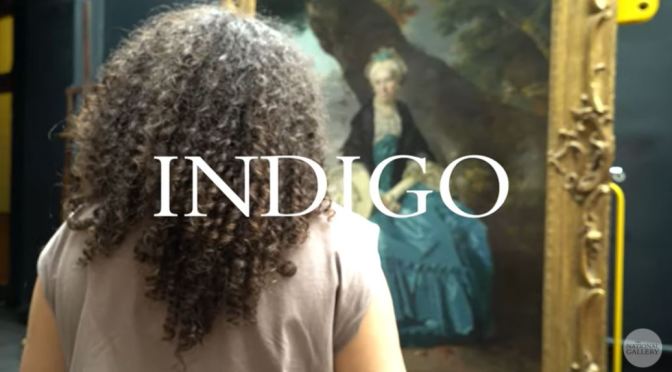
Our Conservation Fellow, Kendall Francis takes a closer look at indigo, a blue dye and pigment extracted from the leaves of plants, and how it is used and represented in paintings in our collection.
Kendall’s research reveals histories that are not explicitly portrayed in the paintings and highlights the important contributions from a wider range of people, including the enslaved people who cultivated the crops and extracted the indigo against their will. Supported using public funding by Arts Council England.
The city of Zwickau in eastern Germany has a long and varied history of car production and industrial design. Its story is told in the August Horch Museum – beginning with the production of Horch cars, to Audis, to the East German car, the Trabant.
On her trip to Zwickau, Hannah Hummel discovers the city’s car history, as well as its art and cultural history. Both the composer Robert Schumann and the expressionist painter and printmaker Max Pechstein were born in Zwickau. This episode of Destination Culture also takes viewers to Schneeberg – a creative hub in Saxony, where students from around the world study fashion and textile design.
Video timeline: 00:00 Intro 01:00 Car museum Zwickau 02:47 Recreating the Horch 14-17 04:49 Trabant – the GDR cult car 06:41 Hannah driving a Trabant 10:53 Composer Robert Schumann’s birthplace 11:49 Max Pechstein Museum 13:13 Werdau, meeting photographer Philipp Gladsome 16:18 Schneeberg, University of Applied Arts 18:46 Fashion design student Ridhima Wadhwa from Gujarat, India 22:05 Miner’s parade 23:45 Fashion designer Franziska Heinze
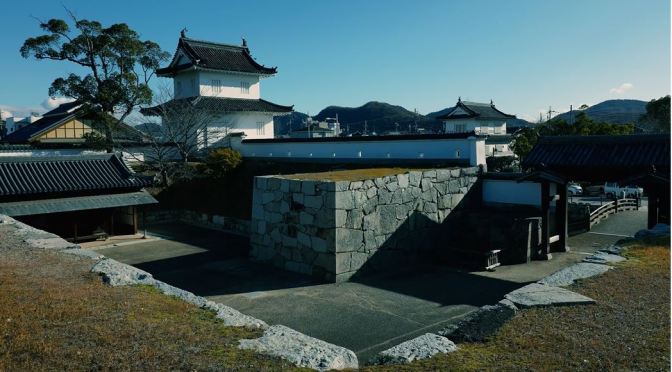
There is a very well-known story called “Chushingura” in Japan. It is the story of 47 samurai who gave their lives to avenge the honor of their lord. It inspired over 4,000 ukiyo-e woodblock prints. Performed on stage over 7,000 times in various genres. More than 300 years later, the story continues to inspire novelists and filmmakers. Ako Castle is where the story began. The 47 samurai were the retainers of the Ako clan. The video starts off with this side story, then focuses on the characteristics, the structure of the castle, and the financial support achieved by innovative salt production.
Film Director: Tadahiro Konoe Film Producer: Tadahiro Konoe Production Company: curioswitch Inc. Client: Ako City (Hyogo prefecture, Japan)
A timeless treasure, nearly lost forever. Without the UNESCO‘s unprecedented rescue operation, future generations might have only seen the stunning temples of Ramses II and Cleopatra in the pages of history books. Majestic stone colossi rising from the desert sands, structures like these kept their secrets for generations.
For centuries, Abu Simbel, Dendur, Amada and other monuments faced threats from looters, earthquakes, and floods. Ultimately, it was the waters of the Aswan Dam that nearly sealed their fate. In 1960, then Egyptian President Nasser ordered the dam‘s construction. In order to save the temples of Ramses II and Cleopatra, among others, UNESCO reached out to over 50 countries, and raised $80 million.
After receiving multiple proposals to save the structure, it was one from Sweden that proved successful. The plan: dismantling the complex and rebuilding it on higher ground. Between November 1963 and September 1968, saws were used to cut the two temples into 1,036 blocks, each weighing between seven and 30 tons.
Their new location was 64 meters above the old site and 180 meters further inland. After five years of construction, this major undertaking was completed on September 22, 1968. The Nubian temples of Abu Simbel are now a UNESCO World Heritage Site.
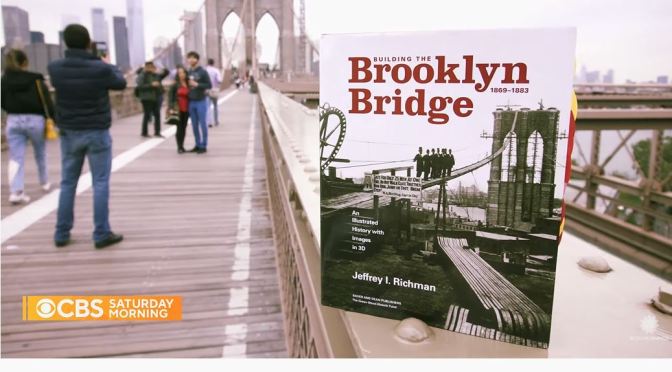
The Brooklyn Bridge has been an indelible part of the New York City skyline for 140 years. When it was completed in 1883, it was hailed as an engineering marvel and called the Eighth Wonder of the World. It also linked what were then two of America’s largest cities — New York and Brooklyn. The story of its construction is a drama in itself and now a new book, “Building the Brooklyn Bridge,” gives readers an inside view of the 14-year construction process that has been largely out of sight, until now. Michelle Miller has the details.
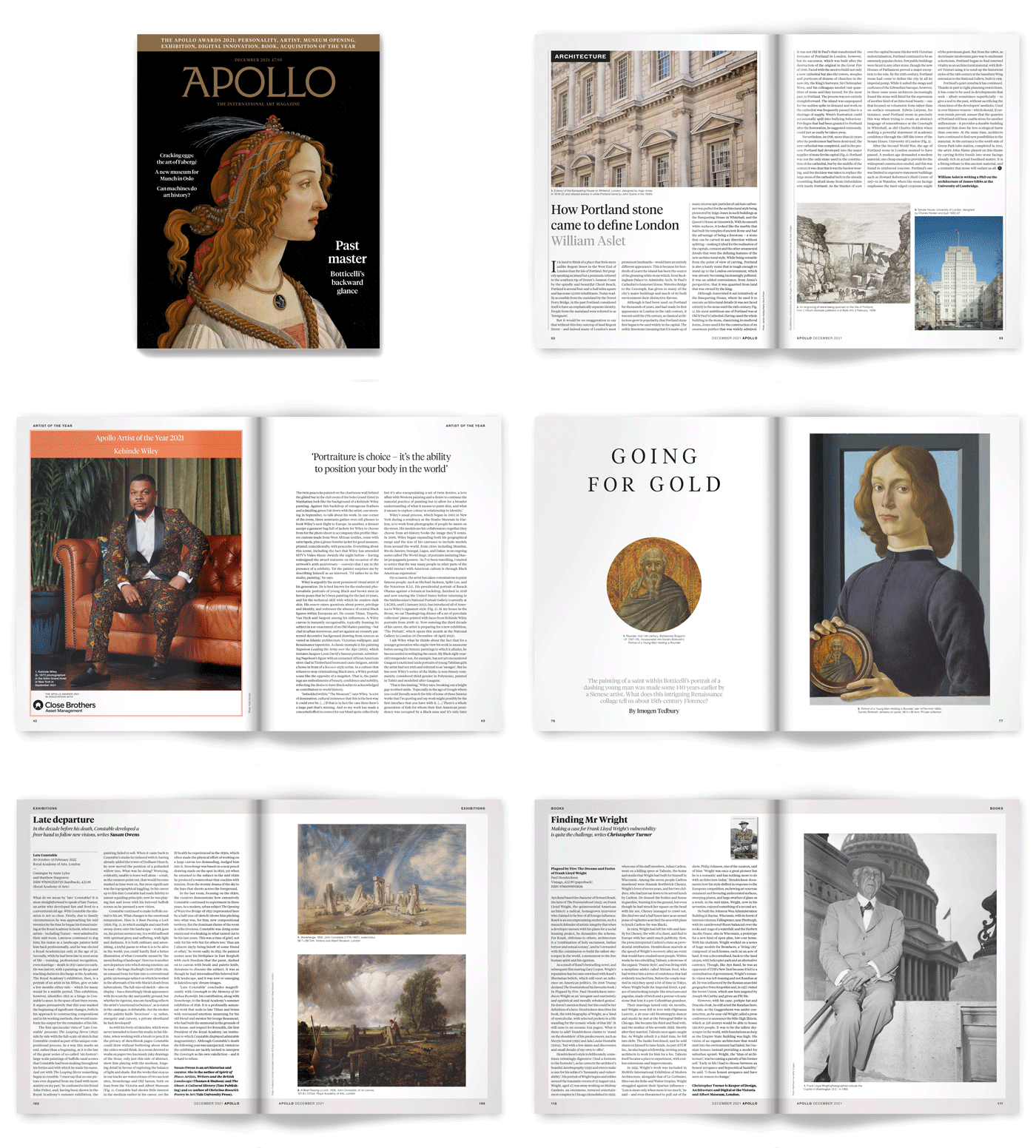
FEATURES | Imogen Tedbury on Botticelli’s bling; Kirsten Tambling on Fabergé’s fabulous baubles; Susan Moore visits the dealer and decorator Robert Kime in London; Jo Lawson-Tancred asks whether machines can do art history.
REVIEWS | Susan Owens on Constable’s late works in London; Kelly Presutti on 18th-century British glassware in Corning; Donal Cooper on Italian Renaissance altarpieces; Christopher Turner on Frank Lloyd Wright; Thomas Marks on Tiepolo’s gnocchi-munching Punchinellos.
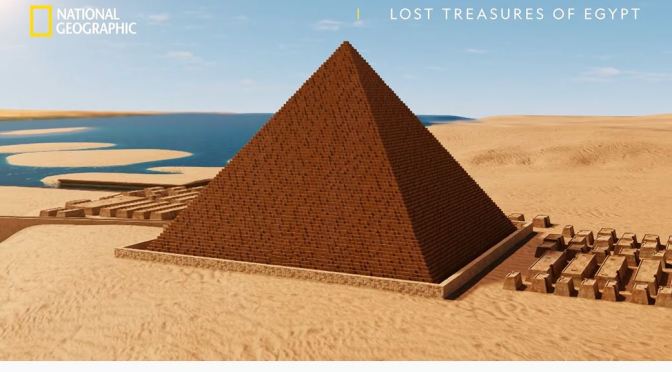
The Great Pyramid of Giza is the largest pyramid ever built and is a staple of Egyptian pyramid architecture. It was built to protect the tomb of King Khufu and was the first-ever true pyramid, due to its perfect shape and extraordinary features.
The entrance of the tomb is located 24 feet off centre and even if trespassers found it, a pulley system of ropes 130 feet above the passage dropped 3 enormous granite slabs to seal the burial chamber entrance. Topped with a layer of white limestone, The Great Pyramid was and is a symbol of the Pharaoh’s reputation and respect. Now, explorers are eagerly searching the pyramid for clues about the life and death of the great King Khufu.
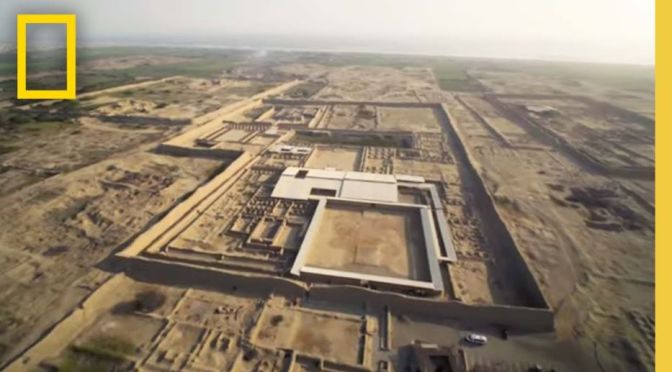
Dr. Albert Lin is investigating the true origin of the ancient story of the great flood. In his search for answers he comes to the lost city of Chan Chan where the Chimú people have recorded a violent shift in the ocean currents.
Chan Chan is located in the mouth of the Moche Valley[3] and was the capital of the historical empire of the Chimor from 900 to 1470,[4] when they were defeated and incorporated into the Inca Empire.[5] Chimor, a conquest state,[3] developed from the Chimú culture which established itself along the Peruvian coast around 900 AD.[6]
Chan Chan is in a particularly arid section of the coastal desert of northern Peru.[7] Due to the lack of rain in this area, the major source of nonsalted water for Chan Chan is in the form of rivers carrying surface runoff from the Andes.[4] This runoff allows for control of land and water through irrigation systems.
News, Views and Reviews For The Intellectually Curious



 Boomers Daily