

Weimar is world-famous. A number of important philosophers, musicians, and literary figures used to live here – including renowned poets Johann Wolfgang von Goethe and Friedrich Schiller. Weimar Classicism attracts tourists even today. But the city of Thuringia is also home to a dark chapter of German history. There, the Nazis built built one of their largest concentration camps, Buchenwald, where a total of around 266,000 people were imprisoned.
Category Archives: History
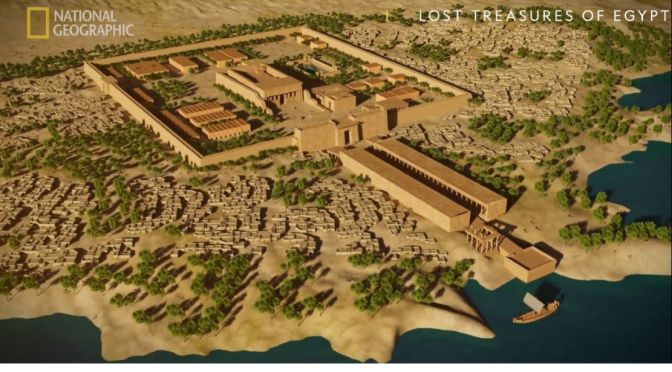
Archaeology: The Hathor Temple In Dendera, Egypt

However, one structure dominates the site, a vast stone temple, 140 feet wide with an entrance hall boasting 24 gargantuan columns. Venture into this remarkable temple and discover the ancient hieroglyphics that cover every inch of its surface in brand new episodes of Lost Treasures of Egypt, Sundays at 8pm, on National Geographic UK.
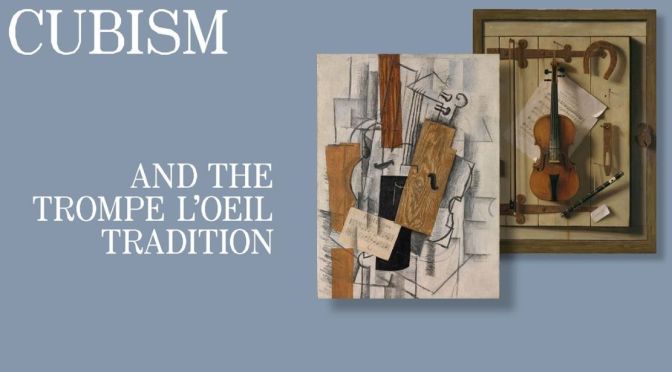
Fall 2022 Art Exhibitions: ‘Cubism and the Trompe l’Oeil Tradition’ At The Met

A self-referential art concerned with the nature of representation, trompe l’oeil (“deceive the eye”) beguiles the viewer with perceptual and psychological games that complicate definitions of truth and fiction. Along with Cubist paintings, sculptures, and collages, the exhibition presents canonical examples of European and American trompe l’oeil painting from the seventeenth through the nineteenth centuries.

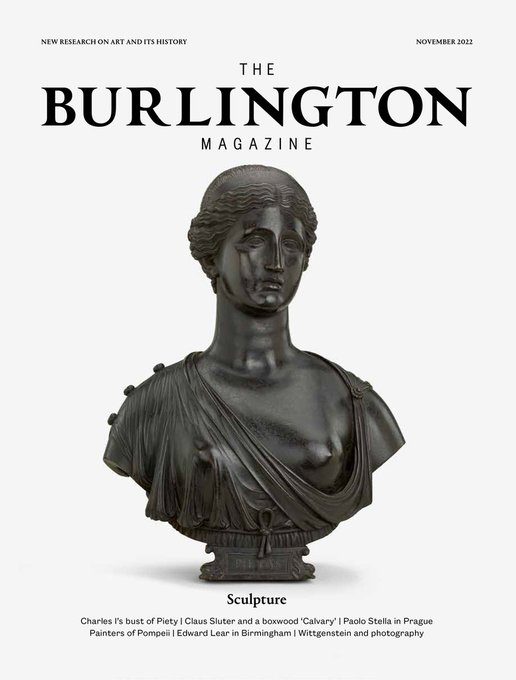
Preview: The Burlington Magazine – Nov 2022
The Parthenon sculptures
It is now forty years since Melina Mercouri, the Greek Minister for Culture from 1981 to 1989, famous also as a film star and singer, addressed UNESCO’s World Conference on Cultural Policies to draw international attention to the campaign with which she would be identified until her death in 1994, the repatriation to Athens of the Parthenon sculptures in the British Museum. ‘We are not asking for the return of a painting or a statue’, she said: ‘We are asking for the return of a portion of a unique monument, the privileged symbol of a whole culture’.
The Painters of Pompeii
As images, ancient Roman wall paintings command attention for their bold compositions, vibrant and saturated colours, convincing naturalism and the fantastical mythologies they depict. As objects they also captivate for the dramatic circumstances surrounding their near- destruction, the miracle (or rarity) of their survival and the alchemical nature of lime plaster and pigment.


The BBC At 100: Nature And Sir David Attenborough

See BBC 100 Year Timeline
Following the closure of numerous amateur stations, the BBC starts its first daily radio service in London. After much argument, news is supplied by an agency, and music drama and “talks” fill the airwaves for only a few hours a day. It isn’t long before radio is heard across the nation. This black and white footage from 1922 is silent.
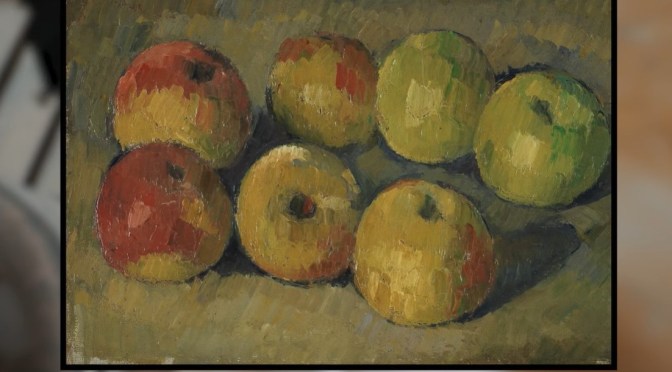
Art History: ‘Still Life With Apples’ By Paul Cézanne

Bought by Degas for 100 francs in January 1896, it was acquired in Paris by John Maynard Keynes at the sale of the contents of Degas’s studio in March 1918. It is one of the most celebrated of all his still-lifes, and, through Keynes’s friendship with the painter and writer Roger Fry, and the circle of Bloomsbury writers, came to be crucial in the dissemination of knowledge of Cézanne’s work in England.

Views: How Venice Was Built On A Swamp (NOVA)
Building a city on a lagoon has its challenges. Here’s how the citizens of Venice accomplished this task centuries ago.
Rising sea levels and sinking land threaten to destroy Venice. Leading scientists and engineers are racing against the clock and battling the forces of nature to try to save this historic city for future generations. Discover the innovative projects and feats of engineering currently underway, including a hi-tech flood barrier, eco-projects to conserve the lagoon, and new efforts to investigate erosion beneath the city. This is Venice as never seen before, at a critical moment in its rich history.

Arts Preview: The Getty Magazine – Fall 2022

The Getty Magazine – Fall 2022: Featuring Conserving Black Modernism, our recently launched effort to conserve Modern Movement architecture by Black architects and designers, plus more behind-the-scenes info on all things Getty.
The Art of Exhibition Design
How to put on a really 16 great show
Egyptomania!
An international passion for Egypt fueled the discovery of King Tut’s 22 tomb
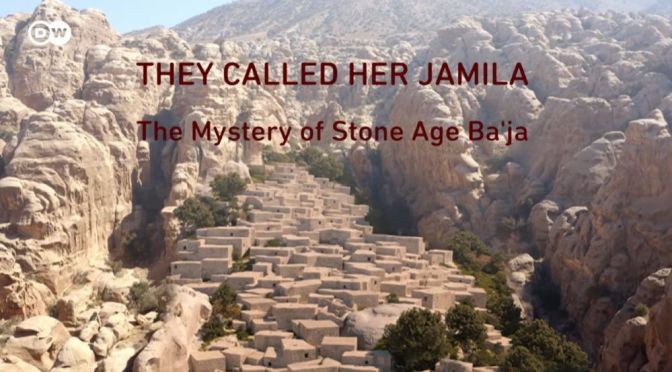
Archaeology: Neolithic Village Of Ba’ja In Jordan

is a famous archaeological site. It was one of the world’s first known settlements, founded some 9,000 years ago. The site has produced magnificent finds including an ancient necklace made of 2,500 beads. What prompted our Neolithic ancestors to settle down? Why did they change their nomadic, hunter-gatherer lives so radically?
As is so often the case in archaeology, it is tombs that tell us the most, while also raising new questions. One of the most magnificent finds at the Ba’ja archaeological site is the richly furnished tomb of a young girl. In 2018, as the excavation team was about to depart, beads emerged from beneath the slab of a nondescript tomb. The team kept working until they finally recovered around 2,500 beads.
Further research showed the beads belonged to an elaborately crafted necklace that had been buried with the girl. The team affectionately christened her Jamila, “the beautiful one.” Jamila’s necklace is a sensation, and has been put on display at the new Petra Museum. There, the entire history of the country is presented, beginning with Ba’ja and humankind’s decision to leave behind the hunter-gatherer lifestyle.
Along with other finds from Ba’ja, Jamila’s finely wrought necklace calls into question much of what we thought we knew about the Stone Age. In recent decades, the burial site in Jordan has helped us see Neolithic people through different eyes. One thing seems clear: They were able to invest time in aesthetics, jewelry and furnishings because their food supply was secure.
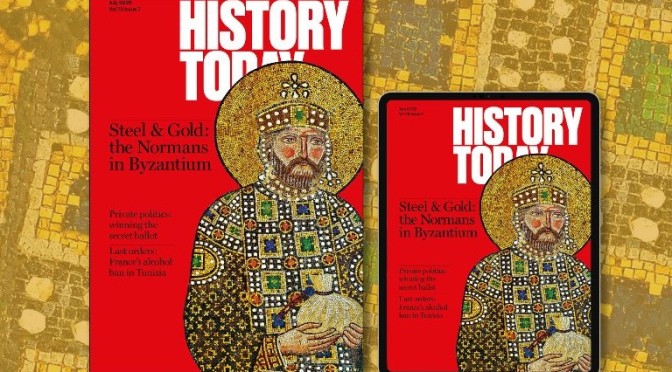
Previews: History Today Magazine – November 2022
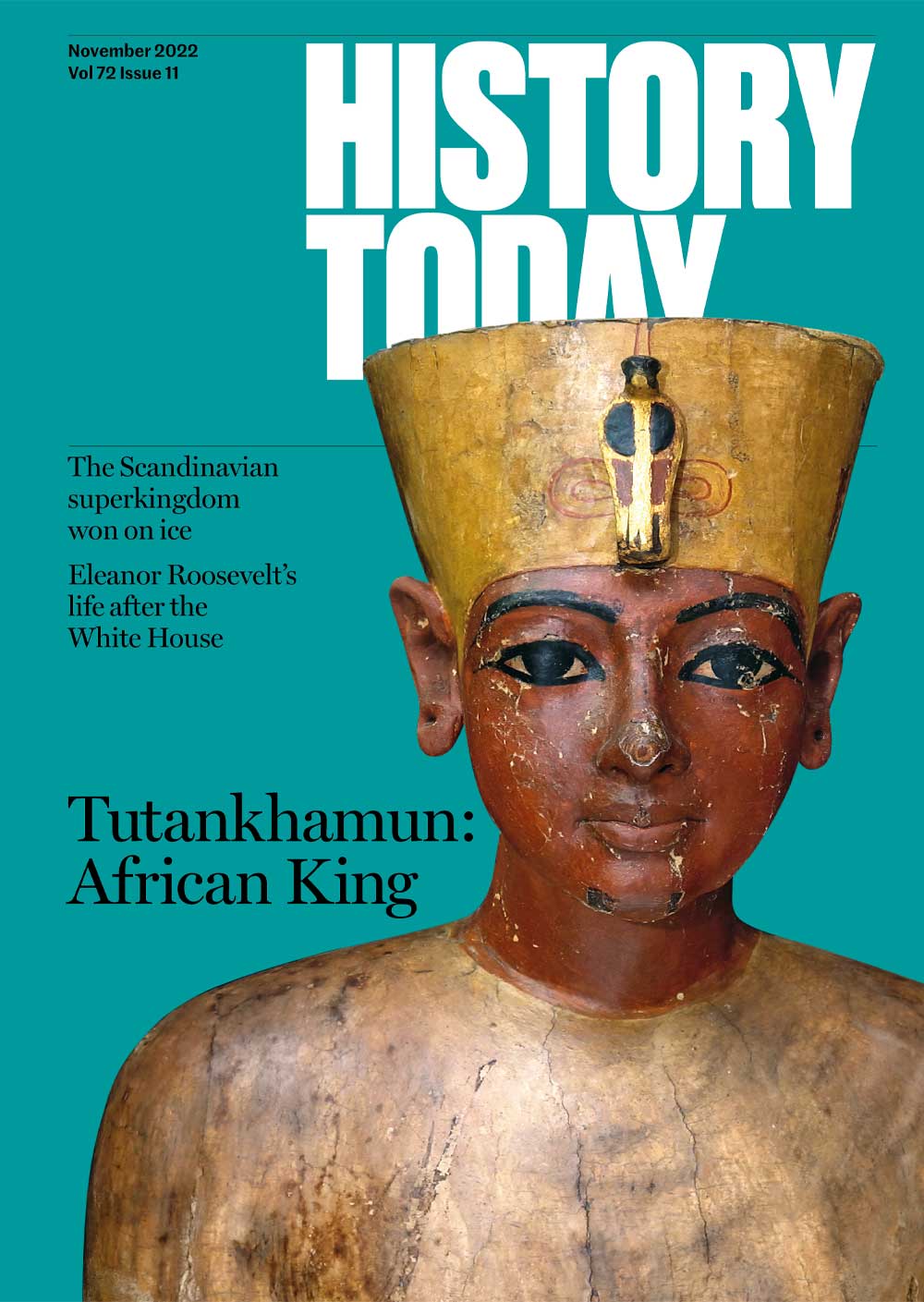
Tutankhamun in the Flesh
The discovery of Tutankhamun’s tomb in 1922 reopened arguments about the presumed race of the ancient Egyptians.
Eleanor Roosevelt’s Second Act
After the death of her husband in 1945, Eleanor Roosevelt left the White House and embarked upon a new career as ‘First Lady of the World’.
‘The Vote is of the People’
Brazilian democracy is young, hard-won and under threat. As the country goes to the polls, its history reminds us that the right to vote is not a given.
Women, Life, Freedom
Iranian women have always been present in national uprisings, but this time they are leading them.
 Boomers Daily