
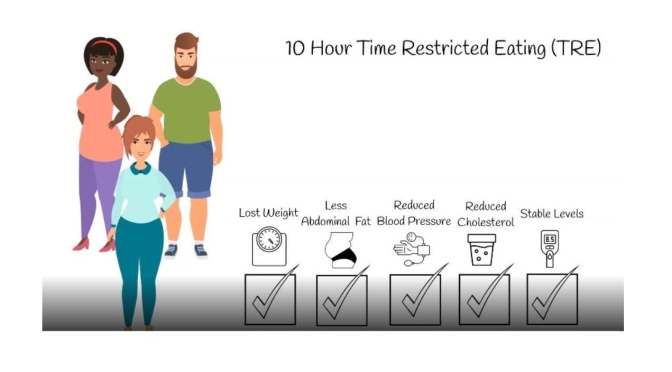
From a Cell Metabolism online study release:
 Ten-hour time-restricted eating (TRE) limits daily dietary intake to a consistent 10-h window, creating a 14-h nightly fast. Researchers studied whether TRE for 12 weeks in people with metabolic syndrome receiving standard medical care (including medications to lower cholesterol and blood pressure) improves markers of health. TRE led to weight loss, healthier body composition (including decreased waist circumference), lower blood pressure and levels of cardiovascular disease-promoting lipids (i.e., “bad cholesterol” levels), and more restful sleep. TRE could be an effective dietary intervention to help those with metabolic syndrome.
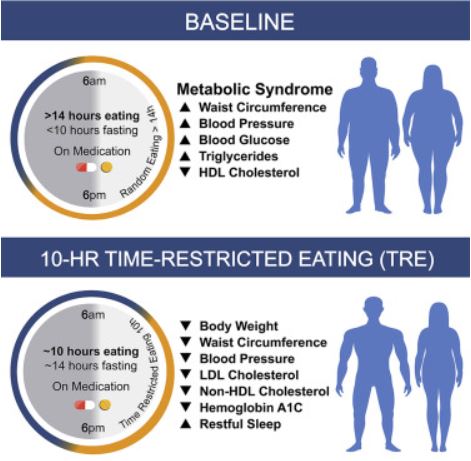
Time-restricted eating (TRE) is an emerging dietary intervention that aims to maintain a consistent daily cycle of feeding and fasting to support robust circadian rhythms (Panda, 2016). Circadian regulation of the endocrine system, autonomic nervous system, and nutrient metabolism contributes to metabolic and physiological homeostasis (Asher and Sassone-Corsi, 2015,Panda, 2016). Both erratic eating patterns and eating over an extended period of time during the 24-h day can disrupt circadian rhythms.
To read entire study: https://www.cell.com/cell-metabolism/fulltext/S1550-4131(19)30611-4

 As societal stresses have increased, loneliness and social isolation have become silent killers. Dilip Jeste, MD, a geriatric neuropsychiatrist who specializes in successful aging, explains how loneliness has become an epidemic, the risk factors, helpful interventions, and how we can harness wisdom for compassion, self regulation, and more.
 “Such wearable sweat sensors have the potential to rapidly, continuously, and noninvasively capture changes in health at molecular levels,” Gao says. “They could enable personalized monitoring, early diagnosis, and timely intervention.”
 Gao’s work is focused on developing devices based on microfluidics, a name for technologies that manipulate tiny amounts of liquids, usually through channels less than a quarter of a millimeter in width. Microfluidics are ideal for an application of this sort because they minimize the influence of sweat evaporation and skin contamination on the sensing accuracy. As freshly supplied sweat flows through the microchannels, the device can make more accurate measurements of sweat and can capture temporal changes in concentrations.
 Thus, while aging led to a pro-inflammatory profile within blood and muscle, lifelong exercise partially prevented this and generally preserved the acute inflammatory response to exercise seen in young exercising men. Lifelong exercise may positively impact muscle health throughout aging by promoting anti-inflammation in skeletal muscle.


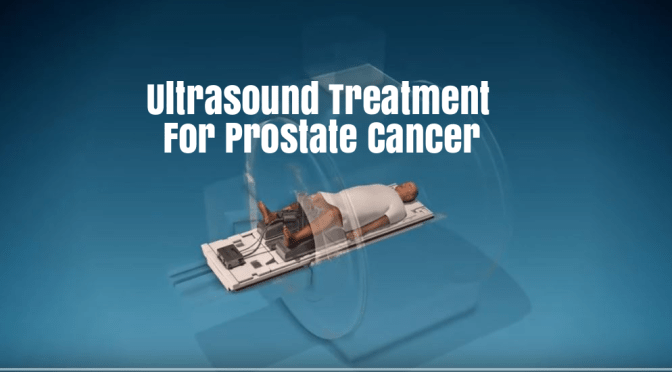
 The TACT Pivotal study of MRI-guided TULSA for whole-gland ablation in men with localized prostate cancer met its primary PSA endpoint in 96% of patients, with low rates of severe toxicity and residual GG2 disease. MRI at 12mo detected residual disease with NPV of 93%.
 Contrary to popular opinion, when it comes to well-being, our lives do not represent an inevitable decline from the sunny uplands of youth to the valley of death. Instead, the opposite is true — we can confidently look forward to old age as the happiest time of our lives.
 So why do people grow happier as they age? Is it an absence of stress, or are they able to focus more on what brings them joy?
 “Today, most of the seniors we serve are utilizing easy-to-use mobile phone products and connected devices that are tailored for seniors and come with a range of relevant services,” Best Buy CEO Corie Barry said during an earnings call Nov. 26, according to a transcript from



 Boomers Daily