

Making changes in the way you eat can be difficult. Learn about small steps for healthy eating to help you manage your weight. For more information, visit https://www.niddk.nih.gov/health-info…
Category Archives: Health

Covid-19 Infographic: Pfizer Vs Moderna


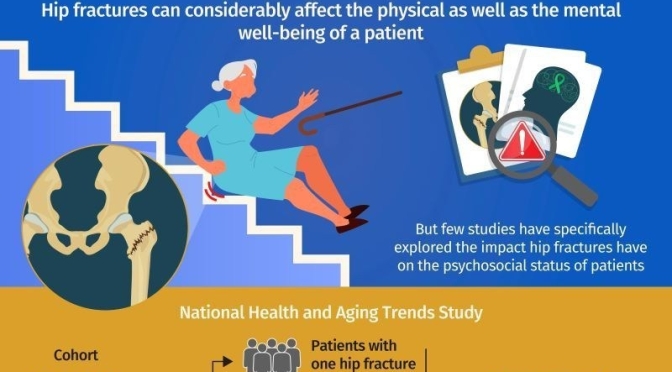
Infographic: Physical & Mental Impact Of Hip Fractures On The Elderly


The Brain: ‘Learning & Memory’ – Neuroscience & Disease Research (Video)
Neuroscience Professor Seth Tomchik, PhD, focuses on two major research areas, the neuroscience of learning and memory, and diseases that affect learning and memory, including neurofibromatosis type one. Neuroscience is now the largest department on the Florida campus of Scripps Research.
The department’s faculty and staff, together with graduate students enrolled in the institute’s Skaggs Graduate School, push the boundaries of scientific knowledge to benefit humanity. Watch all 11 videos in this series to see their work in more detail. Scripps Research is an independent, nonprofit biomedical research institute ranked the most influential in the world for its impact on innovation. With campuses in La Jolla, California, and Jupiter, Florida, the institute advances human health through profound discoveries that address pressing medical concerns around the globe. Scripps Research also trains the next generation of leading scientists at the Skaggs Graduate School, consistently named among the top 10 U.S. programs for chemistry and biological sciences. Learn more at http://www.scripps.edu.
Health: ‘Top Five Diets’ Ranked – “Keep It Simple”

Every year, as millions of people around the world forge new resolutions to eat healthier and lose weight, US News & World Report releases a conveniently timed ranking of the best diets. A panel of experts in obesity, nutrition, diabetes, heart disease, and food psychology rigorously rate each of 39 diets on seven criteria:
- Likelihood of losing significant weight in the first 12 months
- Likelihood of losing significant weight over two years or more
- Effectiveness for preventing diabetes (or as a maintenance diet)
- Effectiveness for preventing heart disease (or for reducing risk for heart patients)
- How easy it is to follow
- Nutritional completeness
- Health risks (like malnourishment, too-rapid weight loss, or specific nutrient deficiencies)
1. Mediterranean diet
Emphasis on fruits, veggies, whole grains, olive oil, beans, nuts, legumes, fish and other seafood. Eggs, cheese, and yogurt can be eaten in moderation. Keep red meats and sugar as treats.
2. DASH (dietary approaches to stop hypertension) diet — TIE
Eat lots of fruits, veggies, lean protein, whole grains, and low-fat dairy. Avoid saturated fats and sugar.
2. Flexitarian diet — TIE
Be a vegetarian most of the time. Swap in beans, peas, or eggs for meats, and consume plenty of fruits, veggies, and whole grains. You can look up more details because there’s actually a full meal plan involving breakfast, lunch, dinner, and two snacks to add up to a total 1500 calories per day. But feel free to also just swap in flexitarian meals ad hoc.
4. Weight Watchers
The first actual paid program on the list, WW uses a points system to guide dieters towards foods lower in sugar, saturated fat, and overall calories while consuming slightly more protein. There are a variety of paid WW plans, with the lowest being about $20 per month.
5. Mayo Clinic diet — TIE
A two-part system, with part one (‘Lose it!’) involving adding a healthy breakfast (i.e. fruits, veggies, whole grains, healthy fats) plus 30 minutes of exercise per day. You’re not allowed to eat while watching TV or consume sugar except what’s naturally found in fruit. Meat is only allowed in limited quantities, as is full-fat dairy. The second phase (‘Live it!’) is basically the first phase but with more flexibility. You aren’t realistically going to cut out sugar forever, and the Mayo Clinic diet acknowledges that. So the long term plan involves lots of whole grains, fruits, veggies, and healthy fats. Less saturated fats and sugar.
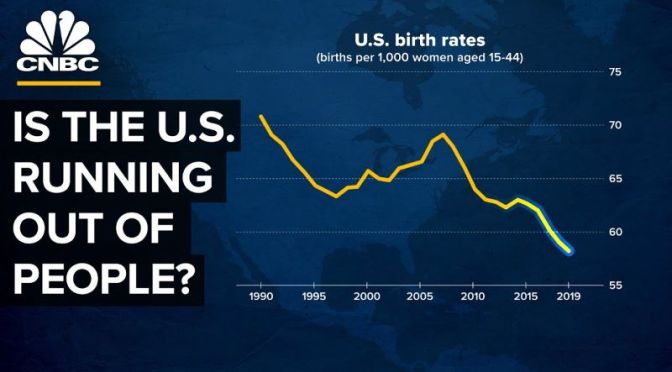
Analysis: The Shrinking U.S. Population (CNBC Video)
The US is facing an aging population, falling birth rate and economic recession caused by the coronavirus pandemic. These issues will have huge implications on the size of the workforce and the consumer base. Watch the video to find out why America could be confronting an underpopulation problem and what business leaders and policymakers can do about it.
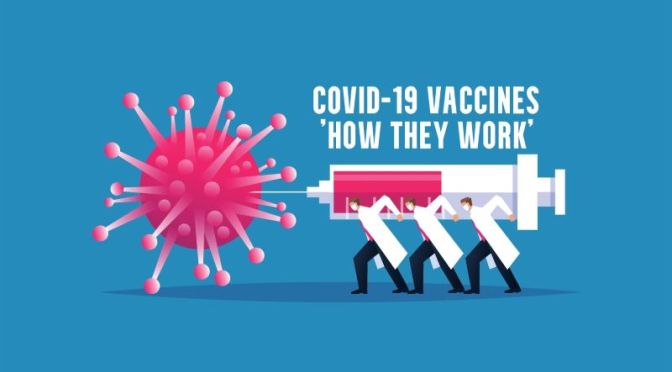
Covid-19: ‘How Vaccines Work’ (Yale Medicine)
Vaccines are one of the most effective tools we have in preventing and reducing the burden of infectious diseases. In the midst of the COVID-19 pandemic, vaccines are once again poised to change the tide in our favor in the fight against a deadly virus. But how exactly do vaccines work? And are they safe? “You can think of your body’s immune system like an orchestra,” says Yale immunobiologist Akiko Iwasaki, PhD. “The different functions of the immune response are like different instruments. And vaccines work like sheet music for the orchestra, telling the immune system what to do and how to do it.” Different viruses require different types of immune responses in order to confer protection, and some of them can be complex. But with SARS-CoV-2, the virus that causes COVID-19, a simple type of response is all that’s needed to prevent infection. “You just need to trigger an antibody response where the antibodies bind to the surface of the virus and prevent it from entering our cells,” says Ruslan Medzhitov, PhD, professor of immunobiology. “And these types of vaccines tend to be extremely safe.” In addition to the inherent safety of this kind of “training” for the immune system, experts emphasize that the expedited timeline of COVID-19 vaccine development is not a reflection of lax safety standards. “Before a vaccine is approved, it goes through a rigorous amount of testing for safety and efficacy,” says Iwasaki. “So, once a vaccine is made to be publicly available, we should be lining up.” Watch this video to learn more about the fundamentals of how vaccines work, how they are developed, and the importance of vaccination for public health.

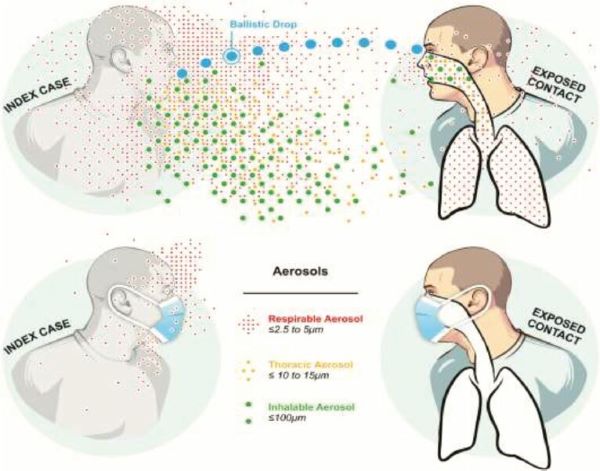
Covid-19 Infographic: ‘Why Masks Must Be Worn’


Morning News Podcast: Georgia Votes, Vaccines & England’s New Lockdown
People in Georgia will finish voting today. At stake is control of the U.S. Senate. But the runoff elections have been overshadowed by the president’s false claims.
The U.S has administered fewer than 5 million coronavirus vaccines. How can we safely speed up? And U.K. Prime Minister Boris Johnson ordered a new national lockdown for England until at least mid-February.
Women’s Health: How ‘HPV (Human papillomavirus) Links To Cervical Cancer’
This video tells the story of Ana, a cervical cancer survivor, who encourages women to recognize abnormal Paps as an opportunity to speak to your doctor about gynecologic health.
 Boomers Daily