

Video timeline: 00:00 Cashless transactions are on the rise 00:18 America: account and card 02:01 India: Unified Payment Interface 04:06 China: App payments

Video timeline: 00:00 Cashless transactions are on the rise 00:18 America: account and card 02:01 India: Unified Payment Interface 04:06 China: App payments
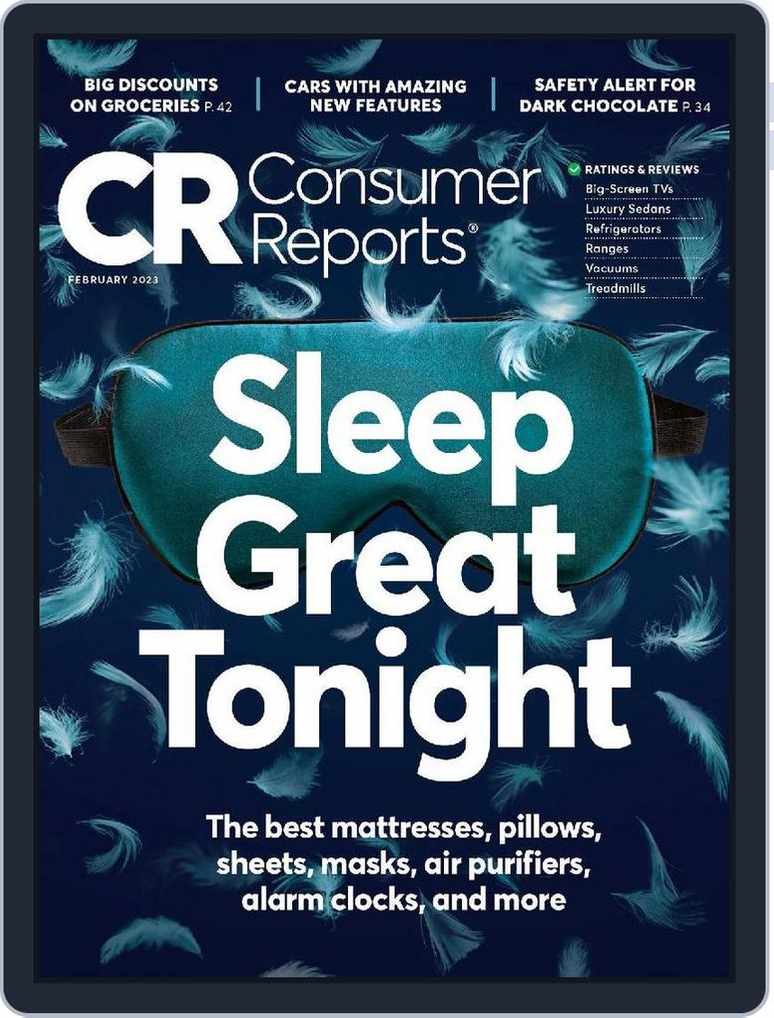

Toss and turn all night? Wake up tired and sore? Our expert advice—and the top mattresses, pillows, and more from our tests—can help you finally rest easy.
Cars you can unlock with your phone, cameras that can see where you can’t, and high beams that turn on by themselves. We’ve got the cool new tech to seek out on your next car.
Consumer Reports found dangerous heavy metals in chocolate from Hershey’s, Theo, Trader Joe’s and other popular brands. Here are the ones that had the most, and some that are safer.
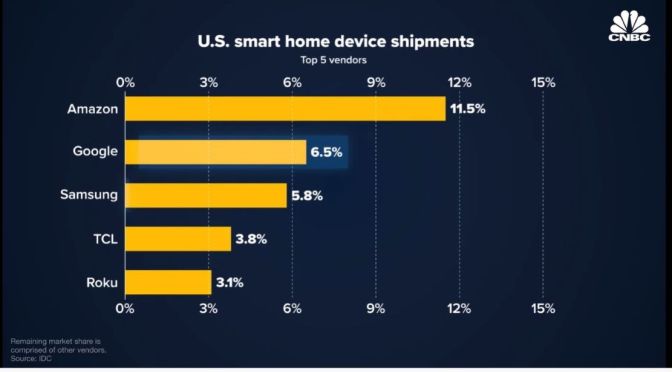
Amazon ships more U.S. smart home devices than any other company and says Alexa is now compatible with 140,000 devices, far beyond the Echo and Fire TV. But privacy advocates are concerned by all the data these devices collect, and are calling on the Federal Trade Commission to block Amazon’s latest smart home expansion.
Chapters: 1:41 First to market 4:27 Acquiring iRobot 7:41 How it uses the data 9:45 Privacy concerns 11:33 Ambient home of the future
After acquiring video doorbell maker Ring in 2018 and mesh WiFi system Eero a year later, Amazon’s now looking to buy Roomba smart vacuum maker iRobot. In a rare move, the FTC is asking for more information before approving the $1.7 billion deal. Ahead of Amazon’s annual smart home event, we talked to Amazon’s VP of privacy to find out what really happens to all the data collected by its devices – and sat down with the head of smart home to hear the strategy behind Amazon’s race to dominate the internet of things.
As people’s eating habits change and environmental concerns grow, plant-based protein used as a meat substitute has gained popularity. However, some barriers are preventing it from becoming truly mainstream. Watch what needs to be done to truly realize a future with less meat.
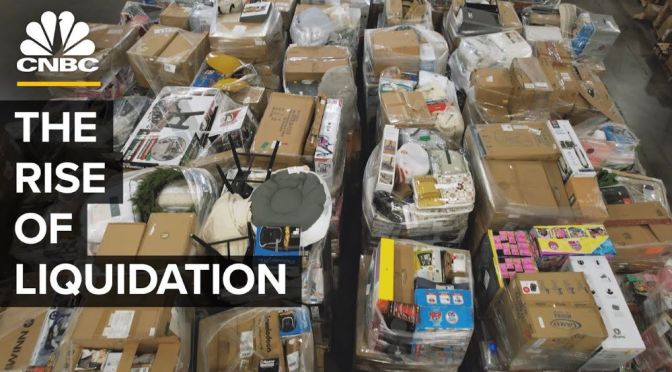
A record number of online returns has created a booming $644 billion liquidation market. As supply chain backlogs cause shortages of new goods and Gen Z shoppers demand more sustainable retail options, pain points for one sector of retail are big business for another. The nation’s only major public liquidator, Liquidity Services, resells unclaimed mail, items left at TSA checkpoints, and outdated military vehicles. It also refurbishes highly sought after electronics, from noise-canceling headphones to the machines that make microchips.
CNBC takes you on an exclusive tour inside a Liquidity Services returns warehouse outside Dallas, Texas, where unwanted goods from Amazon and Target are stacked to the ceiling before being resold on Liquidation.com or a variety of other marketplaces. Inside Liquidity Services’ 130,000-square-foot warehouse in Garland, Texas, the aisles aren’t lined with typical merchandise. Instead, they’re stacked with returns from Amazon, Target, Sony, Home Depot, Wayfair and more, all in the process of being liquidated.
Food prices might be rising but many associated production costs are not currently included in the price we pay. How can we get closer to a system that reflects the true cost and what implication will this have on consumers and wider society?
California’s Port of Los Angeles is struggling to keep up with the crush of cargo containers arriving at its terminals, creating one of the biggest choke points in the global supply-chain crisis. This exclusive aerial video illustrates the scope of the problem and the complexities of this process. Photo: Thomas C. Miller
Today consumers want to buy more sustainable products, employees want to work for firms that share their values, and in the investment world, ESG funds are all the rage. How are companies responding to these shifting demands and can businesses really do well by doing good?
00:00 – Can companies do well by doing good? 00:50 – Environment and climate change 06:50 – Employee wellbeing 09:51 – Workforce diversity 15:50 – Ethical supply chains 19:26 – Environmental Social Governance
Read more of our business coverage: https://econ.st/2XfyBBX
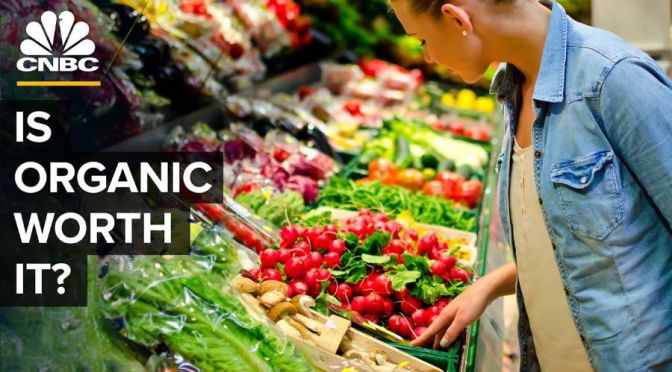
The organic food industry is a booming business. U.S. organic sales surged in 2020, jumping by 12.4% to $61.9 billion. With consumers being more health conscious than ever, they’re willing to pay more for what they perceive as better. But, what exactly does “organic” mean?
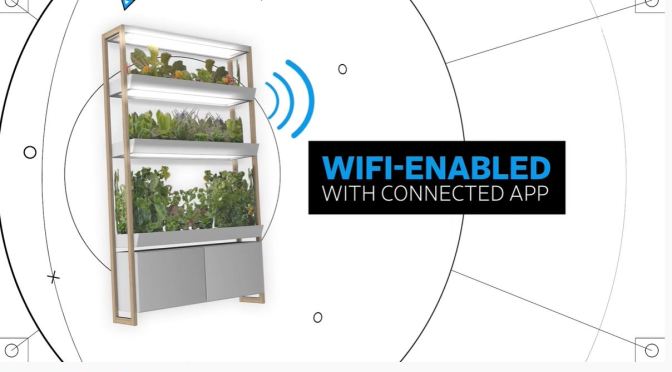
Can smart gardens really grow delicious vegetables inside your apartment? WSJ asked Timothy Hammond, an urban gardener and educator in Houston, to test out Rise Gardens hydroponic smart garden to see how the vegetables compare with his own outdoor garden. Photo: Ben Hallock for The Wall Street Journal



 Boomers Daily