

From a Wall Street Journal article:
We asked Lord Fellowes about the servants and family members who made it to the movie. Here are edited excerpts:
 “It’s a way of life that’s gone and I don’t think it’s a bad state that it’s gone. But realistically it must’ve been livable on a level by pretty well everyone involved or it wouldn’t have gone on for a thousand years.”
In what ways did you think it was essential for “Downtown Abbey” to be accurate?
I think if you try to get all the details right and you talk to enough people who remember that life—which there were when I was much younger—you can imbue it with a kind of reality that seems believable to people who maybe don’t know about that way of life and certainly may not approve of it, but when they watch it, they can see how it worked. They can understand how people lived like that. Whereas when you start to get all the details wrong, it doesn’t feel believable. It doesn’t feel truthful.
To read more: https://www.wsj.com/articles/writer-julian-fellowes-prepares-downton-abbey-for-the-big-screen-11568552402

 The latest documentary on PBS from Ken Burns starts this Sunday, and will likely get your foot tapping. “Country Music” is an eight-part series, featuring never-before-seen footage and photos. Amna Nawaz sat down with Burns, who has now had more than 30 films on PBS telling the stories of America. The conversation is part of our ongoing series on arts and culture, Canvas.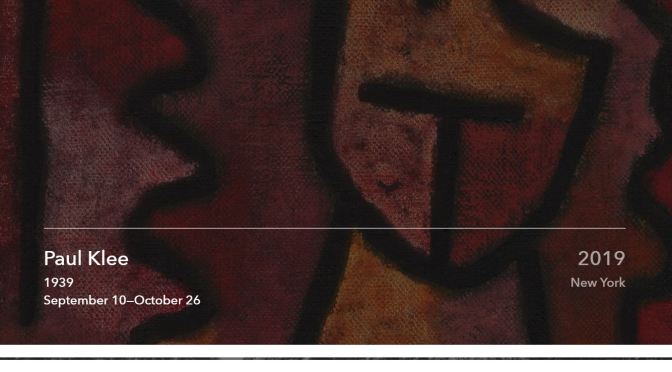
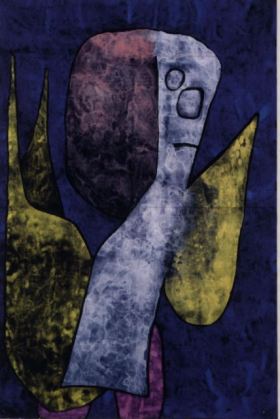 The works on view illustrate how Klee responded to his personal difficulties and the broader social realities of the time through imagery that is at turns political, solemn, playful, humorous, and poetic. Ranging in subject matter, the works all testify to Klee’s restless drive to experiment with his forms and materials, which include adhesive, grease, oil, chalk, and watercolor, among others, resulting in surfaces that are not only visually striking, but also highly tactile and original. The novelty and ingenuity of Klee’s late works informed the art of the generation of artists that emerged after World War II, and they continue to hold relevance and allure for artists and viewers alike today.
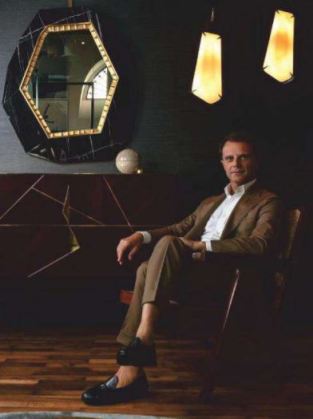 Achille Salvagni is recognised as one of the most sophisticated and innovative creatives working today. His influences range from the rich heritage of generations of master designers before him, to cutting-edge contemporary design tendencies. Combining Italian craftsmanship with his passion for noble materials, Salvagni’s timeless interiors reflect his unique approach and the understated elegance of his aesthetic.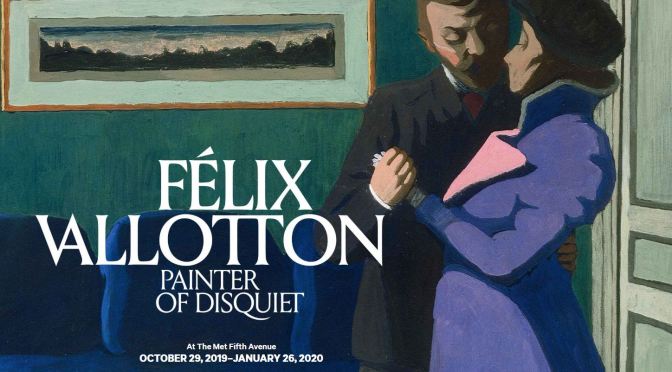
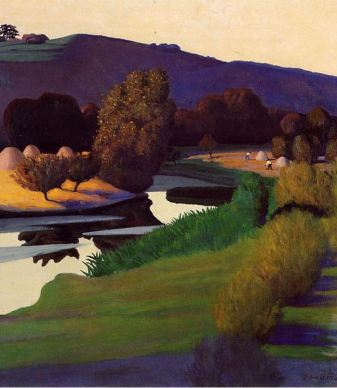 Witness to the radical aesthetics that gripped Paris in the late nineteenth and early twentieth centuries, Vallotton developed his own singular voice. Today we recognize him as a distinctive artist of his generation. His lampooning wit, subversive satire, and wry humor is apparent everywhere in his artistic production. Vallotton’s trenchant woodcuts of the 1890s solidified his reputation as a printmaker of the first rank while boldly messaging his left-wing politics.
 dozen lenders. Swiss-born and Paris-educated, Vallotton (1865–1925) created lasting imagery of fin-de-siècle Paris.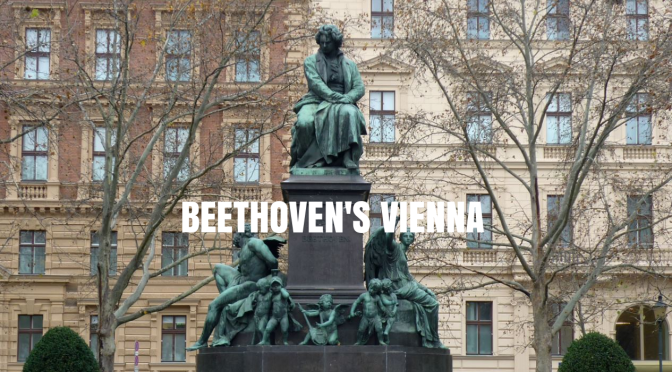
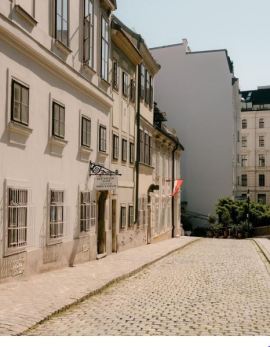 Beethoven moved nearly 70 times while living in Vienna. Two of his former homes are open to the public, and many more are marked with commemorative plaques.
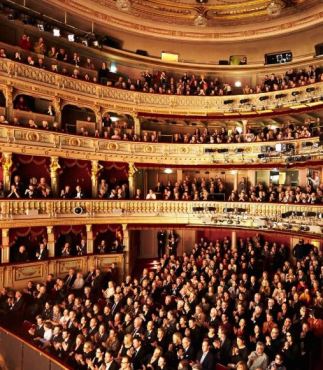 LUDWIG VAN BEETHOVEN is as Viennese as apple strudel. Though born in Bonn, Germany in 1770, he moved to the Austrian capital when he was in his early 20s, and then spent the rest of his 56 years changing the course of Western music from the city on the Danube. A quirky, cantankerous celebrity in his own time, he premiered his groundbreaking symphonies and concertos in Vienna’s grand palaces, escaped the summer heat in what are now its sleepy suburbs, and moved around between dozens of supposedly squalid apartments that sprawl across much of the city.


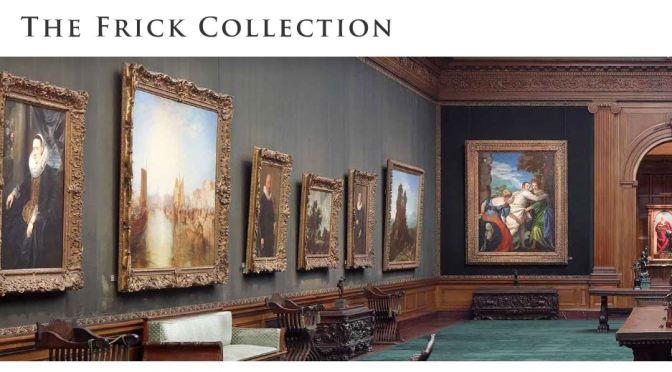
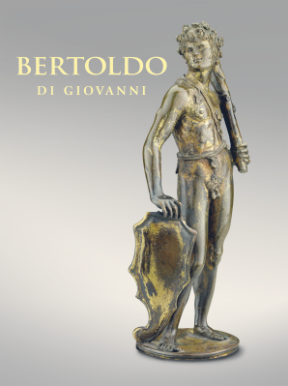 This fall, The Frick Collection will present the first-ever exhibition on the Florentine sculptor Bertoldo di Giovanni (ca. 1440–1491), a renowned student of Donatello, a teacher of Michelangelo, and a great favorite of Lorenzo “il Magnifico” de’ Medici, his principal patron. More than twenty statues, reliefs, medals, and statuettes — constituting nearly his entire extant oeuvre — will be on view exclusively at the Frick, which houses the only sculptural figure by Bertoldo outside of Europe. The exhibition will
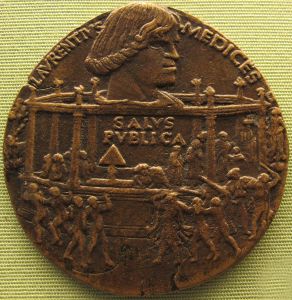 highlight the ingenuity of the artist’s designs across media, including bronze, wood, and terracotta, and provide the first chance to fully explore longstanding questions of attribution, function, groupings, and intended display. Bertoldo di Giovanni: The Renaissance of Sculpture in Medici Florence will bring into focus the sculptor’s unique position at the heart of the artistic and political landscape in fifteenth-century Italy.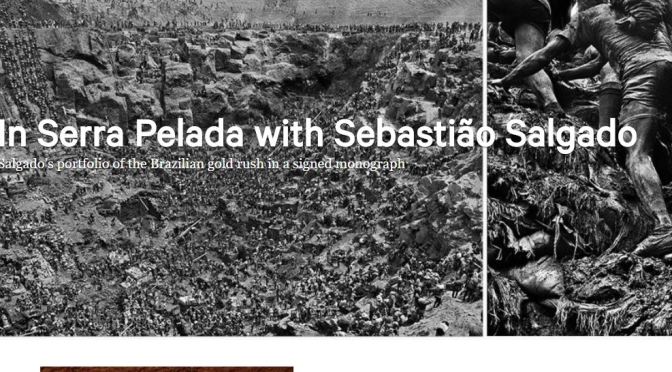
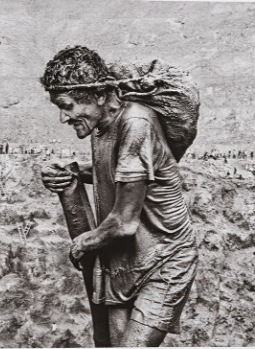 “Salgado’s photographs project an immediacy that makes them vividly contemporary. We know that the mine at Serra Pelada is now closed, yet the intense drama of the gold rush leaps out of these images.”
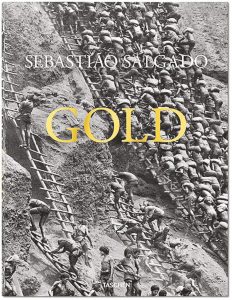 some 50,000 diggers in appalling conditions. Today, Brazil’s gold rush is merely the stuff of legend, kept alive by a few happy memories, many pained regrets—and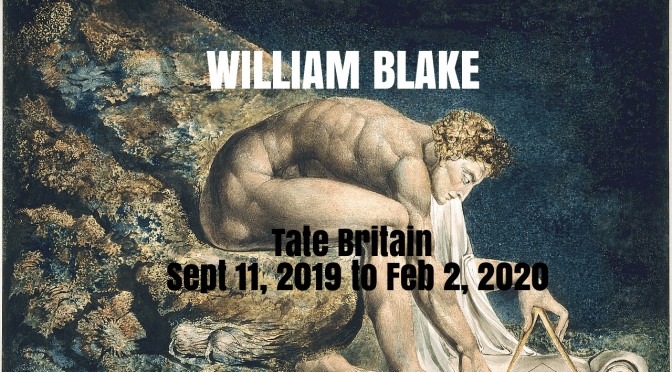
 Although Blake was considered mad by contemporaries for his idiosyncratic views, he is held in high regard by later critics for his expressiveness and creativity, and for the philosophical and mystical undercurrents within his work. His paintings and poetry have been characterised as part of the Romantic movement and as “Pre-Romantic”. A committed Christian who was hostile to the Church of England (indeed, to almost all forms of organised religion), Blake was influenced by the ideals and ambitions of the French and American Revolutions.
 Boomers Daily