
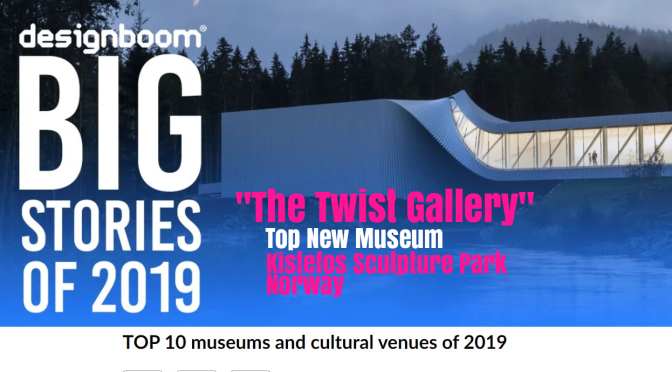
From a DesignBoom online article:
spanning the winding randselva river, a unique new building connects two forested riverbanks at kistefos — northern europe’s largest sculpture park. part museum, part bridge, and part sculpture, ‘the twist’ has been designed by bjarke ingels group (BIG) and represents the firm’s first project in norway. dramatically torqued at its center, the structure not only allows visitors to cross from one riverbank to the other, but is also capable of hosting an international program of contemporary art exhibitions.
To read more: https://www.designboom.com/architecture/twist-bjarke-ingels-group-kistefos-sculpture-park-norway-museum-09-18-2019/
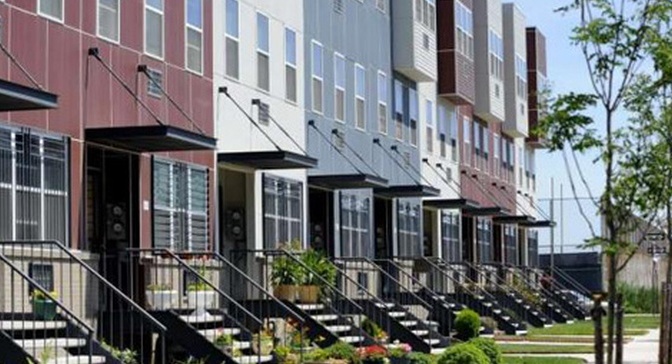
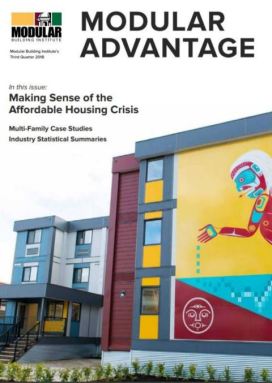 The reality, however, is that modular, prefabricated housing can exceed the limitations put upon it by popular conceptions of trailer parks and postwar government housing. Not only are they certainly faster – an important factor in cost, as the cost of land and construction have as much as
 Instead, the homes of the villains are places where evil is plotted and where, often, the hero is tested and must prove him/herself. Like evil itself, the abodes of movie villains are frequently compelling and seductive. From a design standpoint, they tend to be stunning, sophisticated, envy-inducing expressions of the warped drives and desires of their occupants.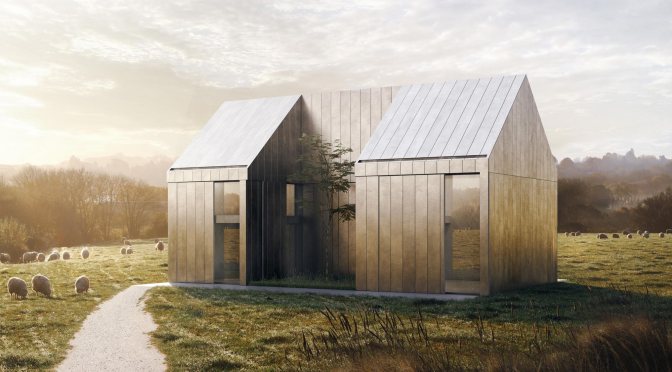
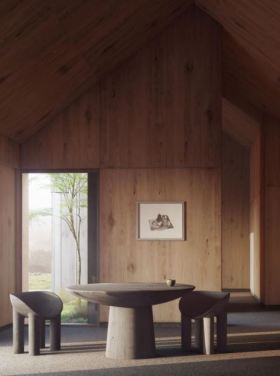 Most notable is Toogood’s sensitive approach to materials. She offers two different, equally alluring solutions to the exterior cladding and the internal finishes. Both external cladding options, raw galvanised steel and dark charred timber, are suggestive of industrial or agricultural structures, making it something of a thrill to see them in a domestic setting. The building clad in raw galvanised steel will have a refined, cream-coloured interior, whilst the structure clad in dark charred timber will have an exposed plywood interior finish.
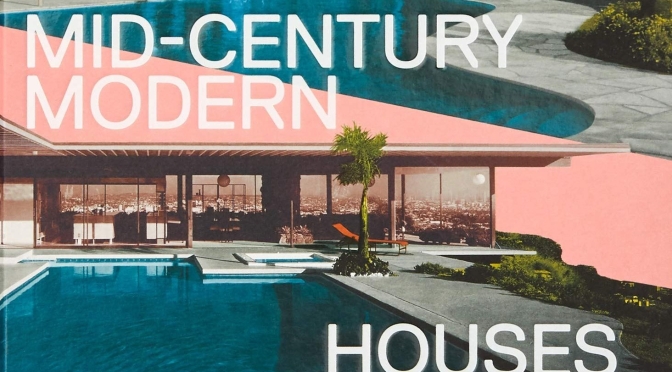
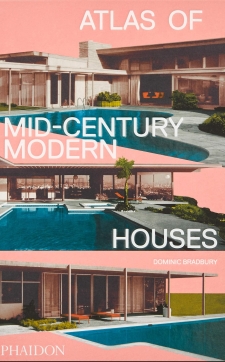 “If one imagines a list of the greatest, most influential houses of the twentieth century, it seems highly likely that the mid-century period will dominate,” writes Bradbury in the book’s introduction, going on to name such famous edifices as the three famous glass houses by Philip Johnson, Ludwig Mies van der Rohe, and Lino Bo Bardi, respectively; Richard Neutra’s Kaufmann House; and Luis Barragán’s Cuadra San Cristóbal. “One could, of course, go on.…” he writes.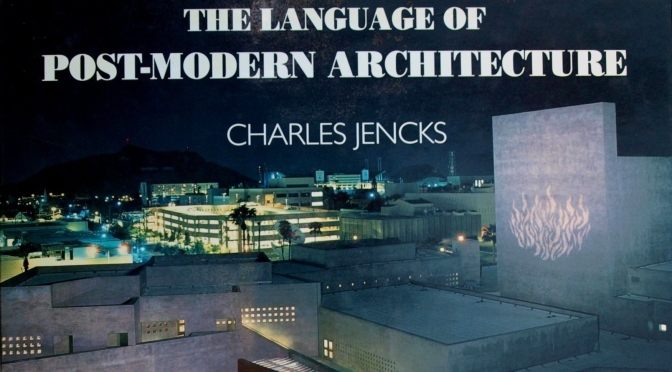
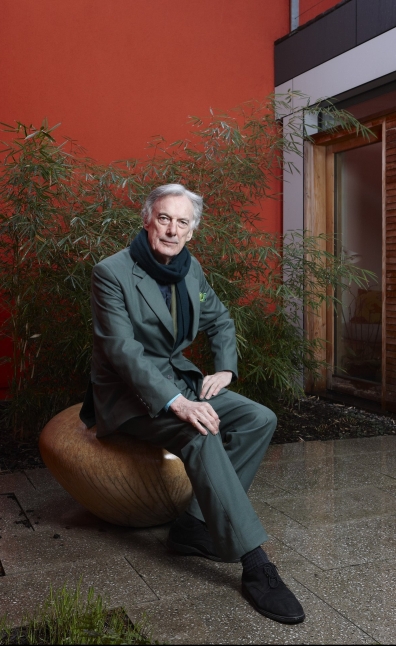 Jencks’s book grew out of his PhD thesis, supervised by Reyner Banham at the University of London in the late 1960s, and paved the way for his later, more explicitly polemical The Language of Post-Modern Architecture (1977). In this bestselling book, Jencks set out his stall for a pluralist architecture that rejected what he saw as modernism’s reductive ‘univalent’ approach, swapping it for a symbolically rich and historically engaged ‘multivalent’ postmodernism. For good or bad it became the defining book of its era, an unabashed rejection of mainstream modernism that ushered in a new architectural style.
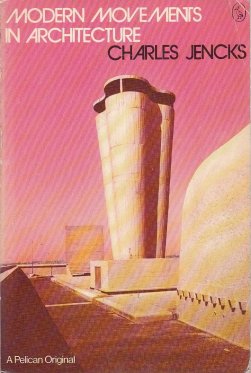 Modern Movements in Architecture (1973) by Charles Jencks was one of the first books on architecture I read, a birthday present given to me the summer before I started my degree. In some ways, it spoiled things: I thought all architecture books would be that much fun. Modern Movements in Architecture is a complex and sophisticated history, but it wears its learning lightly. It relates architecture to a wider cultural discourse and it is unafraid to be critical, even of some architects, such as Mies van der Rohe, who were previously considered to be above criticism.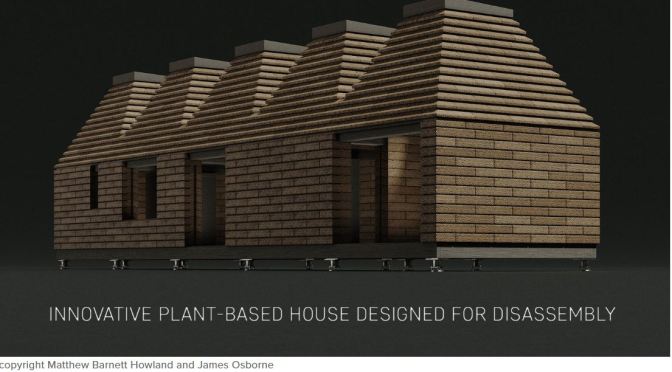
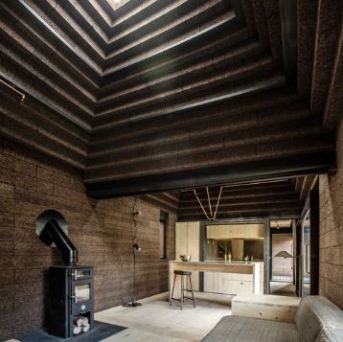 Cork House embodies a strong whole life approach to sustainability, from resource through to end-of-life. Expanded cork is a pure bio-material made with waste from cork forestry. The bark of the cork oak is harvested by hand every nine years without harming the tree or disturbing the forest.
 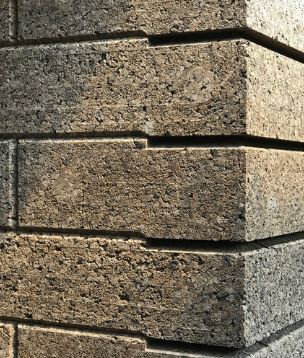 This gentle agro-industry sustains the Mediterranean cork oak landscapes, providing a rich biodiverse habitat that is widely recognised. This compelling ecological origin of expanded cork is mirrored at the opposite end of the building’s lifecycle. The construction system is dry-jointed, so that all 1,268 blocks of cork can be reclaimed at end-of-building-life for re-use, recycling, or returning to the biosphere.
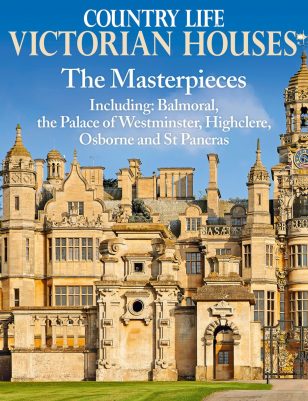 First published in 1897, Country Life is itself a late-Victorian institution. What could be more appropriate, therefore, than to celebrate this anniversary with a collector’s issue of articles and photographs from the magazine’s archives?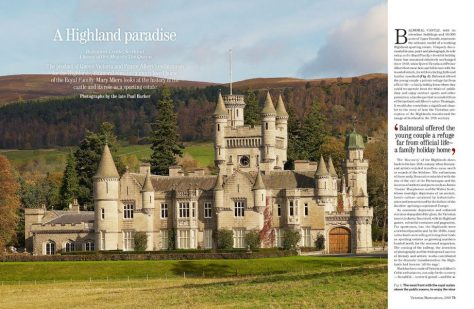
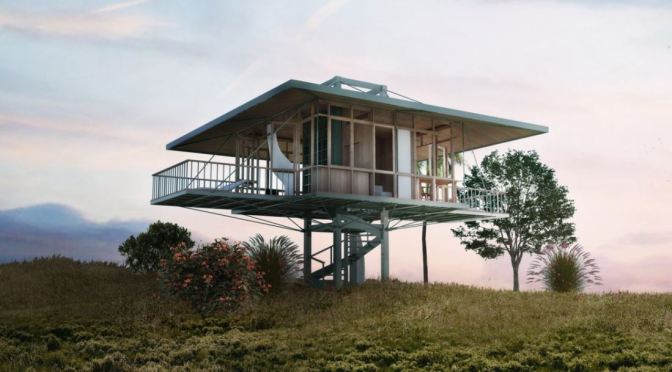
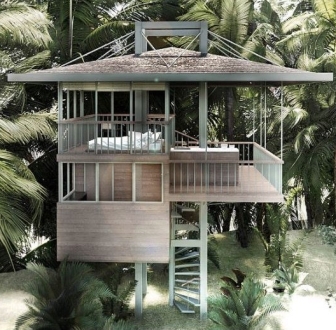 Stilt Studios are small homes on
  Boomers Daily